Thursday, April 16, 2026
No menu items!
spot_img
Home Blog Page 909

Fuel crisis worsens: Long queues at Total Filling Station near MUBAS

0


By Burnett Munthali

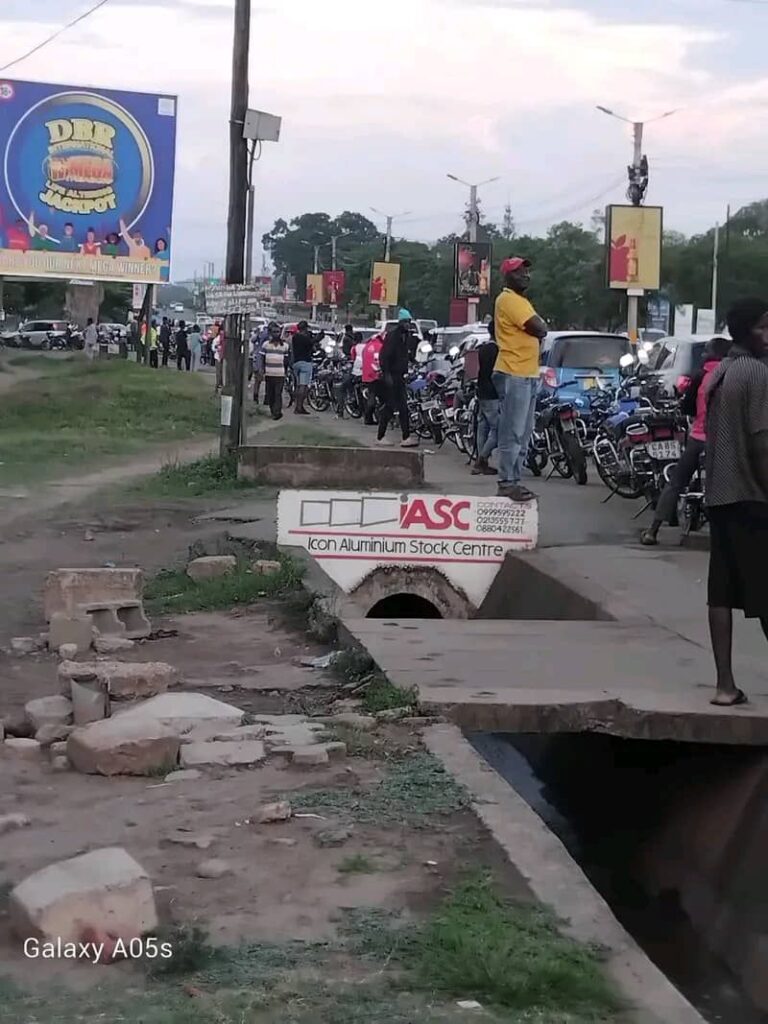
This evening, Total Filling Station near the Malawi University of Business and Applied Sciences (MUBAS) in Blantyre was a scene of long queues as vehicles and motorbikes lined up in a desperate attempt to refuel. The growing fuel crisis in Malawi is becoming increasingly evident, with shortages causing frustration and uncertainty among motorists.

Eyewitnesses described the situation as chaotic, with lines of vehicles stretching far beyond the station premises. Motorists expressed frustration at spending hours waiting for fuel, with some even reporting that they had been in line since morning, only to find the pumps dry by the time they reached the front.
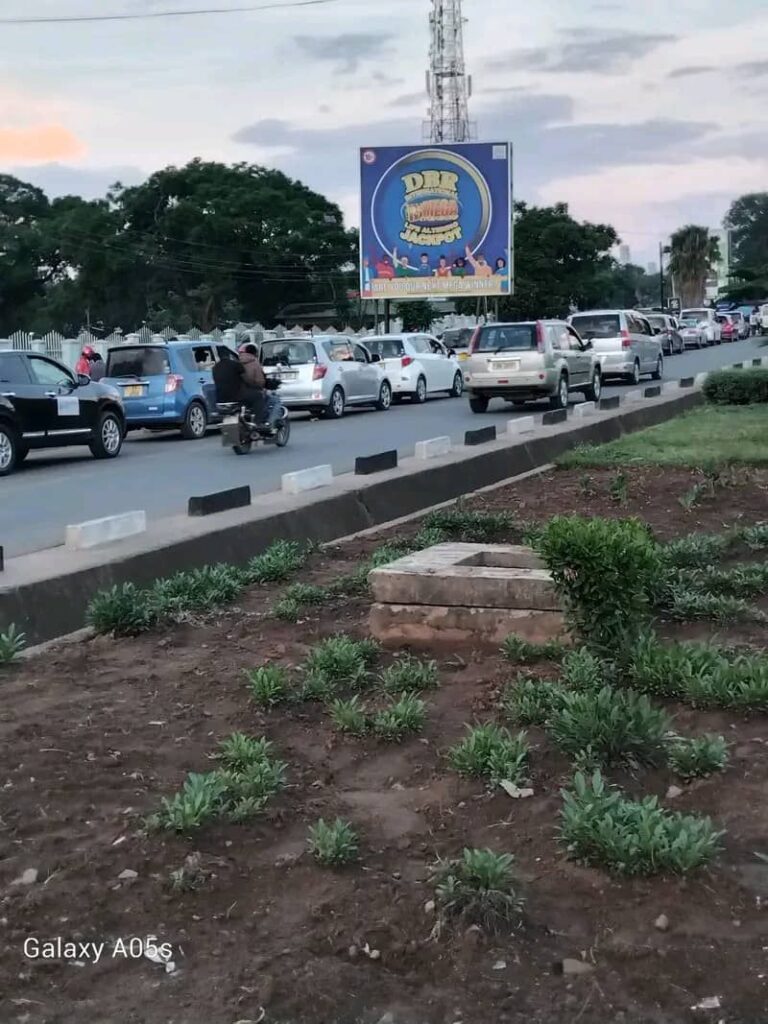


“It’s exhausting. We are forced to abandon our daily routines just to queue for fuel. This crisis is making life very difficult,” said one motorist.

Motorbike taxi operators (commonly known as kabaza) were also visibly affected, with many expressing fears about losing their daily income due to the scarcity of fuel.

The situation at this station is a reflection of a larger, nationwide problem. Malawi has been grappling with fuel shortages for weeks, with authorities citing logistical challenges and foreign exchange shortages as the root causes.

The crisis has disrupted businesses, transportation, and essential services, leading to widespread calls for urgent intervention by the government.

The fuel crisis is having a ripple effect on the economy. Transportation costs are rising, and businesses that rely on fuel for operations are struggling to stay afloat. Public transport is also becoming unreliable, leaving commuters stranded.

Economists warn that if the situation is not addressed soon, it could worsen inflation and further strain the already fragile economy.

While the government has acknowledged the crisis, solutions remain unclear. The Ministry of Energy recently announced efforts to secure additional fuel supplies, but many Malawians are growing impatient with the lack of tangible results.

As the fuel crisis continues, the long queues at filling stations like the one near MUBAS serve as a stark reminder of the challenges facing Malawi. Motorists and businesses are calling on authorities to act swiftly to resolve the situation before it spirals further out of control.

For now, patience and resilience remain the only options for those affected by this growing crisis.
Chakwera vows accountability in development funds

0


By Burnett Munthali

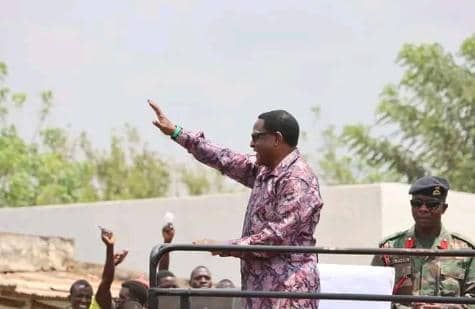
Dowa, Malawi – President Dr. Lazarus Chakwera has reaffirmed his administration’s commitment to ensuring that all project funds are used for their intended purposes, aiming to facilitate tangible development across the country.

Speaking at Dzoole Trading Centre in Dowa, President Chakwera addressed concerns raised by Dowa West parliamentarian, Dr. Abel Kayembe, about several projects in the area that exist only on paper but have no physical presence.

President Chakwera lamented the misuse of public funds in previous administrations, noting that the government is currently repaying loans for projects that cannot be traced.

“One of the challenges we are facing is that we are repaying some loans which we found, but we do not even know the kind of developments the money was used for,” Chakwera said. “This is pure misuse of people’s resources, and our children will also be affected because they will keep repaying money for nothing.”

Chakwera


The President assured the public that his government is determined to change this trend by ensuring that all funded projects are implemented and visible on the ground.

Dr. Kayembe highlighted the long-standing issue of the Chimwaza-Nambuma-Chisepo-Malembo road, which, despite being marked as constructed and even listed as a tarmac road, remains nonexistent.

“When we make follow-ups, we are told that this road was already constructed, and it is even a tarmac, and we wonder, where is this road?” Kayembe questioned, adding that the absence of such infrastructure deprives the community of development opportunities.

He also urged the government to prioritize building a secondary school in Dzoole, which is currently the only area in Dowa without one.

President Chakwera acknowledged these concerns, emphasizing that his administration is committed to addressing such inefficiencies and delivering equitable development.

“Every project which has been funded must be implemented and seen. That is why we are making sure every money is used for intended purposes and ensure development in all parts of the country, including here in Dzoole,” he said.

Chakwera also criticized individuals who intentionally frustrate government development efforts, vowing to stay the course. “I would like to assure you all that my administration will not be derailed. We will always deliver development and services to the people,” he said.

At Kabwinja Trading Centre, Senior Chief Chakhaza expressed gratitude to the President for delivering visible projects in Dowa, including the Nkholongo multi-purpose dam and the Dowa Dambo Irrigation Scheme.

“These projects are transformative and have significantly impacted our community,” said Senior Chief Chakhaza.

The event showcased the government’s dedication to addressing development disparities and ensuring accountability in the use of public resources.

UTM chief counsel assures delegates: Michael Usi’s absence won’t affect convention

0


By Burnett Munthali

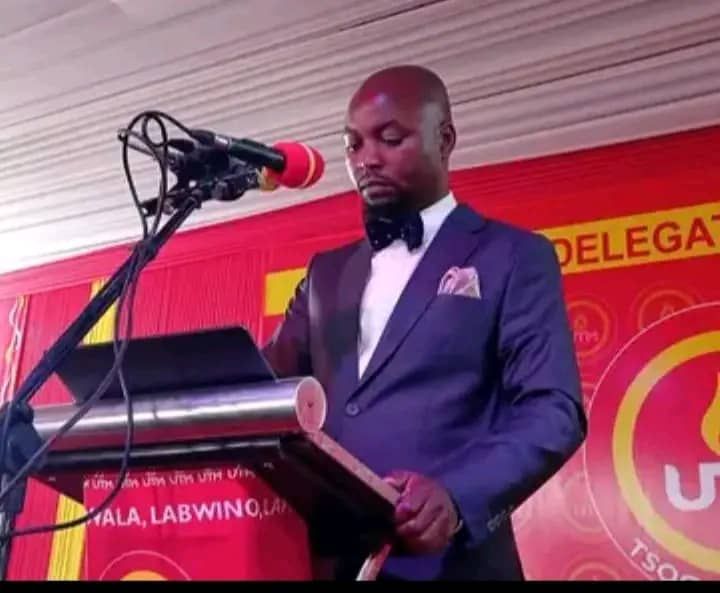
Mzuzu, Malawi – UTM Chief Counsel, Khumbo Bonzoe Soko, has assured party members and the public that the absence of former UTM leader and current State Vice President, Dr. Michael Usi, will not impact the ongoing convention in Mzuzu. Speaking to a local radio station, Soko emphasized that under the party’s revised constitution, Dr. Usi is now recognized solely as a delegate, and his absence holds no bearing on the convention’s proceedings.

Soko explained that UTM’s constitutional amendments, implemented in preparation for this convention, have clearly outlined roles for party members, including those who previously held leadership positions. “The party constitution is the guiding principle of this convention. Dr. Usi’s role is that of a delegate, and his absence does not disrupt or invalidate any aspect of the process,” Soko stated.

Khumbo


The UTM convention, a crucial event for the party as it elects new leadership and charts its future path, has drawn widespread attention. Despite speculation about Dr. Usi’s role and potential influence, Soko reassured members that the party remains focused on democratic processes.

“The absence of any individual, regardless of their past positions, cannot derail the progress and unity of UTM,” Soko added. He urged delegates to focus on the task at hand: electing leaders who will represent the party’s vision and aspirations as it gears up for the 2025 general elections.

Dr. Michael Usi’s absence has sparked conversations about his future political trajectory and his relationship with the UTM party. However, Soko dismissed rumors of discord, reiterating that Usi remains a respected member of the party.

As the convention progresses, UTM members are expected to elect a new leader from a field of four contenders, alongside other key officials. The outcome of the convention will set the tone for UTM’s political strategy and its positioning in Malawi’s ever-evolving political landscape.

The convention highlights UTM’s commitment to internal democracy and adherence to its constitutional framework. Soko’s clarification aims to quell any uncertainty and refocus attention on the party’s mission to bring transformative leadership to Malawi.

“The strength of UTM lies in its collective will and commitment to progress. This convention is proof that we are bigger than any one individual,” Soko concluded.

UTM party implements key constitutional amendments

0


By Burnett Munthali

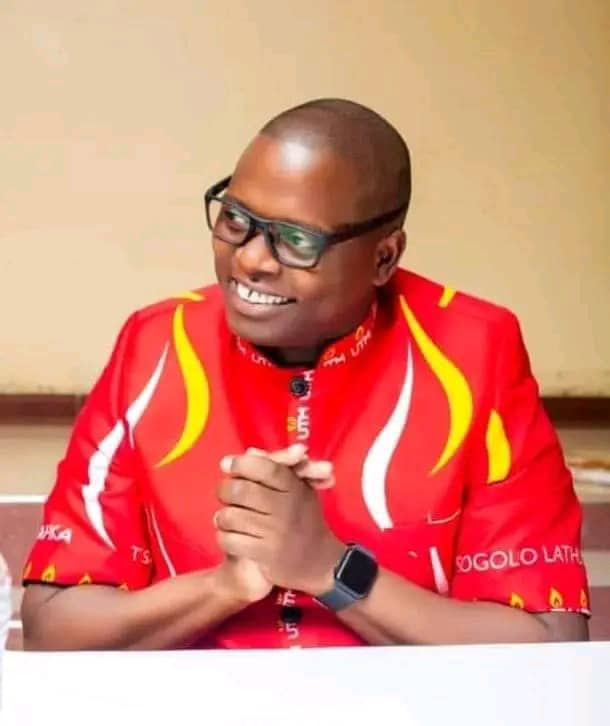
Lilongwe, Malawi – Khumbo Soko, a prominent UTM lawyer and leader, has announced significant amendments to the United Transformation Movement (UTM) party’s constitution, aimed at improving the party’s structure and leadership processes. These changes reflect the party’s desire to strengthen its organizational framework as it continues to grow and expand its influence in Malawi’s political landscape.

One of the most notable changes is the restructuring of UTM’s regional divisions. The party has expanded its geographical areas from the previous four to five regions: North North, North South, Bua, Sapitwa, Upper Shire, Kabula, Eastern, Southern, and Central urban and rural regions. This change is designed to enhance the party’s regional reach and ensure that its leadership and operations are more effectively managed across the country.

Khumbo Soko


By expanding the number of regions, UTM is positioning itself for broader representation and greater inclusivity, both in urban and rural areas. This adjustment will allow the party to better coordinate and respond to the needs of its diverse membership.

Another significant amendment relates to the election of the deputy leader of the party. Under the new changes, the deputy leader will now be elected at the party’s convention, ensuring greater democracy and member involvement in the selection process. The amendments also specify that if the party leader appoints someone else to a leadership position, that person will remain a member of the National Executive Committee (NEC) but will no longer serve as the deputy leader.

Additionally, the party has introduced a five-year term limit for its leaders, replacing the previous four-year limit. This change aims to promote leadership renewal and accountability. By setting a clear term limit, UTM ensures that its leaders have sufficient time to implement their policies while also allowing for fresh leadership when necessary.

These constitutional reforms are intended to ensure that UTM remains dynamic and responsive to its members’ needs. By restructuring regional divisions and providing greater transparency in leadership selection, the party is reinforcing its commitment to democratic principles and inclusive governance.

Khumbo Soko, along with other UTM leaders, has emphasized that these changes are part of the party’s long-term vision to build a strong, organized political force capable of representing the people of Malawi. With these constitutional amendments, UTM is taking important steps towards creating a more effective and inclusive party structure as it prepares for future challenges and opportunities in the nation’s political landscape.

Uncertainty surrounds UTM Presidential contest as Mzuzu hosts key convention

0


By Burnett Munthali

Mzuzu, Malawi – The UTM Party is holding its much-anticipated national convention today, November 17, in Mzuzu, where a major contest is unfolding for the party’s presidential candidacy. With four prominent candidates vying for the leadership, the outcome of the election remains uncertain, as all contenders have strong support and a clear vision for the future of the party.

The convention, which has drawn significant attention across the nation, is set to decide not only the UTM’s presidential candidate but also various leadership positions within the party. Given the stakes, the event is expected to be a turning point in the party’s journey toward the 2025 general elections.

Mtumbuka


At the heart of the contest are four high-profile figures:

Dr. Dalitso Kabambe – A former Reserve Bank Governor, Kabambe is widely regarded for his economic expertise. His background in finance and his position as a former government official have earned him the support of party members who prioritize economic stability and growth. Kabambe’s track record of handling Malawi’s financial affairs gives him credibility among those looking for a leader with practical experience.

Engineer Newton Kambala – A seasoned political figure, Kambala has earned respect for his work in infrastructure and development. His supporters see him as a visionary leader capable of driving the country’s development agenda forward. Kambala’s political experience and his focus on key development sectors make him a formidable contender.

Dr. Mathews Mtumbuka – A well-known academic and politician, Mtumbuka brings intellectual rigor to the table. His educational background and analytical approach to politics appeal to party members who want a leader capable of deep thinking and strategic planning. Mtumbuka’s supporters see him as someone who can lead with integrity and a focus on national unity.

Patricia Kaliati – The current UTM Secretary General and a prominent figure in Malawian politics, Kaliati has become one of the party’s most recognized faces. Known for her strong leadership skills and political savvy, Kaliati is seen by many as a natural leader. Her charisma and experience in national politics have earned her a loyal following, particularly among grassroots supporters.

As the convention unfolds, all four candidates are making their case to the delegates, each emphasizing their vision for the future of the party and the nation. While some supporters already have their favorites, the outcome remains unpredictable. Any of the four contenders could emerge victorious, depending on how delegates perceive their leadership qualities and ability to lead UTM to success in the upcoming elections.

Political analysts suggest that the contest is likely to come down to the candidates’ ability to connect with the party’s base and secure crucial endorsements from influential party members. The leadership decisions made today could have a significant impact on UTM’s position in the 2025 election race.

For UTM, today’s convention is a pivotal moment in its development as a political force in Malawi. With the party already boasting substantial representation in Parliament and local government, choosing the right leader is critical for maintaining momentum and further consolidating its position.

While the presidential race is the highlight, the broader theme of party unity and future strategy will also be discussed during the convention. Delegates will likely debate key issues such as economic reform, social justice, and the party’s approach to coalition-building in the lead-up to the general elections.

As the contest heats up in Mzuzu, UTM members are hoping that the convention will produce a leader who can unite the party and provide a clear vision for Malawi’s future. Given the strength and experience of all four candidates, the final result could have a lasting impact on the party’s trajectory.

One thing is certain: the race for the UTM presidential nomination is wide open, and any of the candidates has the potential to win and lead the party toward a successful electoral campaign in 2025. As the delegates cast their votes, all eyes will be on Mzuzu, awaiting the outcome of this crucial decision for the party and Malawi’s political future.

Kaliati
Kambala
Kabambe