
Saturday, April 18, 2026
No menu items!
spot_img
Home Blog Page 93

NBM plc boosts Veterans chess tourney with K5 million support

0

By Linda Kwanjana

National Bank of Malawi (NBM) plc has donated K5 million to the Southern Region Chess League (SRCL) Veterans Chess Tournament aimed at strengthening the development of the sport through structured and inclusive competitions.

The tournament will be hosted at the Amaryllis Hotel in Blantyre on February 20, 2026.

Speaking during the cheque presentation on Wednesday, NBM plc Business Development Manager James Ngalande said the support is directed towards the growth of chess, with particular focus on organized tournaments such as the Veterans and the Inter-College competitions.
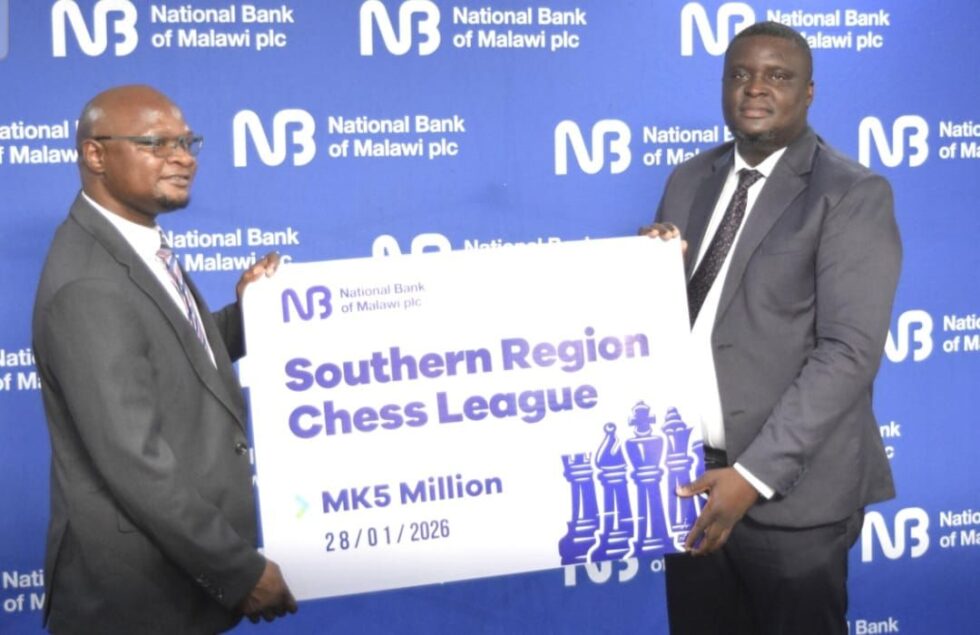


Ngalande said the initiatives are designed to promote inclusion, intellectual growth, and intergenerational engagement, noting that the Bank views investment in sport as part of a broader national development strategy.

“At NBM plc, we believe that true national development goes beyond banking. It includes investing in people, ideas and platforms that nurture discipline, strategic thinking and lifelong learning.”

“Chess occupies a special place in the bank’s corporate social investment portfolio because of its emphasis on intellect, patience and strategy—values that align with the bank’s brand as a leading financial institution. The donation builds on the bank’s previous support for the sport, including the sponsorship of Malawi’s youth chess team to an international championship in Zimbabwe last year,” said Ngalande.

Ngalande added that by supporting veterans and inter-college competitions, the bank is contributing to the lifelong mental wellness of veteran players, youth development and intellectual excellence among students, mentorship across generations, and the overall growth of chess as an organized sport in Malawi.

SRCL Chairperson, Martin Nyamilandu thanked NBM plc for the continued support, saying the donation will help recognize the role veteran players have played in laying a strong foundation for the growth of chess in the country.

“The donation will go a long way in appreciating the veterans. NBM plc has been our greatest partner,” said Nyamilandu.

Veteran chess player Tutule Msukwa also welcomed the gesture, expressing gratitude to the bank for recognizing the importance of supporting veteran players and their contribution to the development of the game.

“Chess helps with planning and discipline. To win a game, you need these qualities, and the same applies to everything we do, whether at school, at work or in business,” said Msukwa.
UTM rift widens as internal shake-ups expose battle over party identity

0

By Burnett Munthali

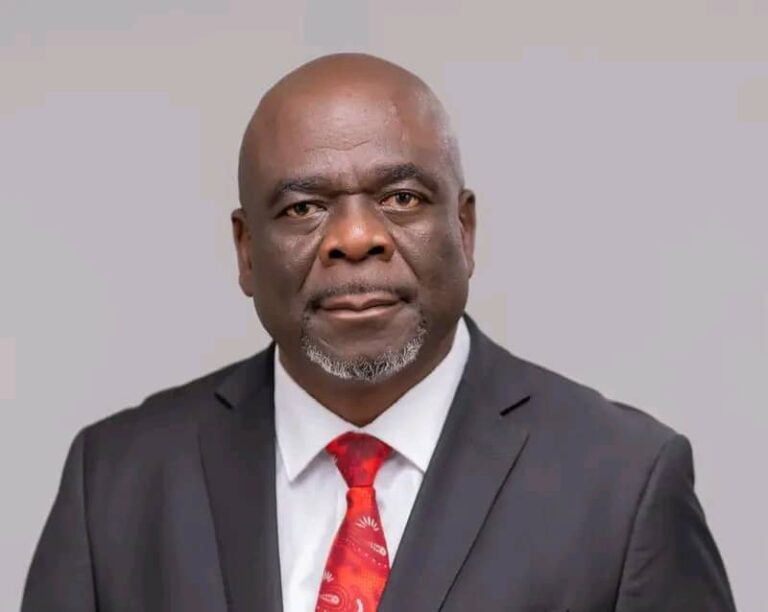
Fresh tremors are rippling through the United Transformation Movement (UTM) following the abrupt removal of one of its regional governors, a decision that insiders say is tied to suspicions of allegiance to Engineer Newton Kambala.

The dismissal, sanctioned on Sunday, is widely being interpreted as more than a routine disciplinary action.

Within party circles, it is viewed as part of a broader strategy to contain and neutralise emerging centres of influence that are seen as misaligned with the current power core of the movement.

Kambala


At the heart of the tension lies a growing debate over the future direction of UTM and who should define it.

Well-placed sources reveal that senior figures are considering a symbolic but highly contentious move: redesigning party regalia to replace the image of the late Dr. Saulos Chilima with that of UTM president Dr. Dalitso Kabambe.

The proposed change is reportedly intended to signal a new era and consolidate Kabambe’s authority ahead of future political contests.

That plan, however, has ignited quiet but firm resistance from sections of the party faithful who regard Dr. Chilima as the ideological and emotional foundation of UTM.

For these supporters, removing his image is not merely a branding exercise but an attempt to dilute or sideline the legacy of the party’s founding figure.

The controversy becomes even sharper when viewed against the practices of Malawi’s older political formations.

Both the Democratic Progressive Party (DPP) and the Malawi Congress Party (MCP) have continued to honour their historic leaders—Professor Bingu wa Mutharika and Dr. Hastings Kamuzu Banda—by prominently featuring them on party materials.

To many observers, this continuity has helped preserve party identity and cohesion rather than weaken it.

Political analysts critical of UTM’s internal manoeuvres warn that cosmetic changes alone do not translate into electoral success.

They argue that voters are more persuaded by clear policy alternatives, credible leadership, and a track record of principled governance than by alterations to party symbols.

The current friction did not arise overnight.

It traces back to earlier controversies, including accusations that Engineer Kambala attended the DPP’s swearing-in ceremony of former president Professor Arthur Peter Mutharika—an event that was also attended by Dr. Kabambe himself.

That episode deepened suspicions and hardened factions within UTM, setting the stage for the present standoff.

Insiders now suggest that Kambala’s continued visibility within the party complicates efforts to roll out the proposed changes, particularly because of his perceived loyalty to Dr. Chilima’s political vision.

His presence at UTM gatherings is said to energise supporters who oppose any move seen as rewriting the party’s history.

As UTM navigates this delicate phase, the unfolding developments point to a party grappling not only with leadership ambitions but also with fundamental questions about its identity, heritage, and path to relevance in Malawi’s competitive political landscape.

UTM rift widens as internal shake-ups expose battle over party identity

0

By Burnett Munthali

Fresh tremors are rippling through the United Transformation Movement (UTM) following the abrupt removal of one of its regional governors, a decision that insiders say is tied to suspicions of allegiance to Engineer Newton Kambala.

The dismissal, sanctioned on Sunday, is widely being interpreted as more than a routine disciplinary action.

Within party circles, it is viewed as part of a broader strategy to contain and neutralise emerging centres of influence that are seen as misaligned with the current power core of the movement.

Kambala


At the heart of the tension lies a growing debate over the future direction of UTM and who should define it.

Well-placed sources reveal that senior figures are considering a symbolic but highly contentious move: redesigning party regalia to replace the image of the late Dr. Saulos Chilima with that of UTM president Dr. Dalitso Kabambe.

The proposed change is reportedly intended to signal a new era and consolidate Kabambe’s authority ahead of future political contests.

That plan, however, has ignited quiet but firm resistance from sections of the party faithful who regard Dr. Chilima as the ideological and emotional foundation of UTM.

For these supporters, removing his image is not merely a branding exercise but an attempt to dilute or sideline the legacy of the party’s founding figure.

The controversy becomes even sharper when viewed against the practices of Malawi’s older political formations.

Both the Democratic Progressive Party (DPP) and the Malawi Congress Party (MCP) have continued to honour their historic leaders—Professor Bingu wa Mutharika and Dr. Hastings Kamuzu Banda—by prominently featuring them on party materials.

To many observers, this continuity has helped preserve party identity and cohesion rather than weaken it.

Political analysts critical of UTM’s internal manoeuvres warn that cosmetic changes alone do not translate into electoral success.

They argue that voters are more persuaded by clear policy alternatives, credible leadership, and a track record of principled governance than by alterations to party symbols.

The current friction did not arise overnight.

It traces back to earlier controversies, including accusations that Engineer Kambala attended the DPP’s swearing-in ceremony of former president Professor Arthur Peter Mutharika—an event that was also attended by Dr. Kabambe himself.

That episode deepened suspicions and hardened factions within UTM, setting the stage for the present standoff.

Insiders now suggest that Kambala’s continued visibility within the party complicates efforts to roll out the proposed changes, particularly because of his perceived loyalty to Dr. Chilima’s political vision.

His presence at UTM gatherings is said to energise supporters who oppose any move seen as rewriting the party’s history.

As UTM navigates this delicate phase, the unfolding developments point to a party grappling not only with leadership ambitions but also with fundamental questions about its identity, heritage, and path to relevance in Malawi’s competitive political landscape.

UTM rift widens as internal shake-ups expose battle over party identity

0

By Burnett Munthali

Fresh tremors are rippling through the United Transformation Movement (UTM) following the abrupt removal of one of its regional governors, a decision that insiders say is tied to suspicions of allegiance to Engineer Newton Kambala.

The dismissal, sanctioned on Sunday, is widely being interpreted as more than a routine disciplinary action.

Within party circles, it is viewed as part of a broader strategy to contain and neutralise emerging centres of influence that are seen as misaligned with the current power core of the movement.

Kambala


At the heart of the tension lies a growing debate over the future direction of UTM and who should define it.

Well-placed sources reveal that senior figures are considering a symbolic but highly contentious move: redesigning party regalia to replace the image of the late Dr. Saulos Chilima with that of UTM president Dr. Dalitso Kabambe.

The proposed change is reportedly intended to signal a new era and consolidate Kabambe’s authority ahead of future political contests.

That plan, however, has ignited quiet but firm resistance from sections of the party faithful who regard Dr. Chilima as the ideological and emotional foundation of UTM.

For these supporters, removing his image is not merely a branding exercise but an attempt to dilute or sideline the legacy of the party’s founding figure.

The controversy becomes even sharper when viewed against the practices of Malawi’s older political formations.

Both the Democratic Progressive Party (DPP) and the Malawi Congress Party (MCP) have continued to honour their historic leaders—Professor Bingu wa Mutharika and Dr. Hastings Kamuzu Banda—by prominently featuring them on party materials.

To many observers, this continuity has helped preserve party identity and cohesion rather than weaken it.

Political analysts critical of UTM’s internal manoeuvres warn that cosmetic changes alone do not translate into electoral success.

They argue that voters are more persuaded by clear policy alternatives, credible leadership, and a track record of principled governance than by alterations to party symbols.

The current friction did not arise overnight.

It traces back to earlier controversies, including accusations that Engineer Kambala attended the DPP’s swearing-in ceremony of former president Professor Arthur Peter Mutharika—an event that was also attended by Dr. Kabambe himself.

That episode deepened suspicions and hardened factions within UTM, setting the stage for the present standoff.

Insiders now suggest that Kambala’s continued visibility within the party complicates efforts to roll out the proposed changes, particularly because of his perceived loyalty to Dr. Chilima’s political vision.

His presence at UTM gatherings is said to energise supporters who oppose any move seen as rewriting the party’s history.

As UTM navigates this delicate phase, the unfolding developments point to a party grappling not only with leadership ambitions but also with fundamental questions about its identity, heritage, and path to relevance in Malawi’s competitive political landscape.

Mthunzi Creative Minds Uses Arts Competition to Champion Mental Wellness

0

By Rahim Abdul

Mthunzi Creative Minds has unveiled plans to host a multi disciplinary arts competition aimed at promoting awareness and positive conversations around mental health.

The initiative is part of the organisation’s broader efforts to use creativity as a tool for social change particularly in addressing issues related to mental well being within communities.

Speaking on the development, Mthunzi Creative Minds Director Innocent Kandoje said the competition will bring together artists from different creative fields to pass on messages that encourage sound and healthy thinking.


Kandoje explained that the competition is open to various categories of artists including poets, musicians, photographers, filmmakers and dancers, among others.

He noted that by involving different forms of art, the organisation hopes to reach a wider audience and present mental health messages in ways that are both engaging and easy to understand.

According to Kandoje, the registration process for interested participants is currently underway, with artists encouraged to submit their entries within the set timeframe.

He added that the organisation plans to release the list of successful applicants who will advance to the first stage of the competition by early February this year.

Kandoje further said the competition will also serve as a platform for artists to showcase their talent while contributing meaningfully to discussions that affect people’s everyday lives.

He stressed that mental health remains an important but often overlooked topic, hence the need to continuously find creative approaches to raise awareness.

The arts competition is expected to attract participation from different parts of the country and spark conversations that promote mental wellness and emotional resilience.