Thursday, April 23, 2026
No menu items!
spot_img
Home Blog Page 943

SKC portrait now official symbol of UTM – Kwesi Msusa

0


By Burnett Munthali

In a significant move that underscores the leadership and unity within the UTM Party, Kwesi Msusa, one of the party’s high-ranking officials, announced that the portrait of Saulos Chilima, the party’s founder and former Vice President, is now the official symbol of the party. This decision marks a new chapter for the UTM as it moves away from its previous symbol—the flames—and embraces the powerful image of its leader.

“We have done away with the flames, we have made SKC our official symbol,” stated Msusa during the UTM Party’s fundraising dinner in Blantyre on Saturday, 9 November 2024. This announcement was met with applause from party members and supporters, who viewed the decision as a reaffirmation of the party’s identity and commitment to the leadership of Chilima.
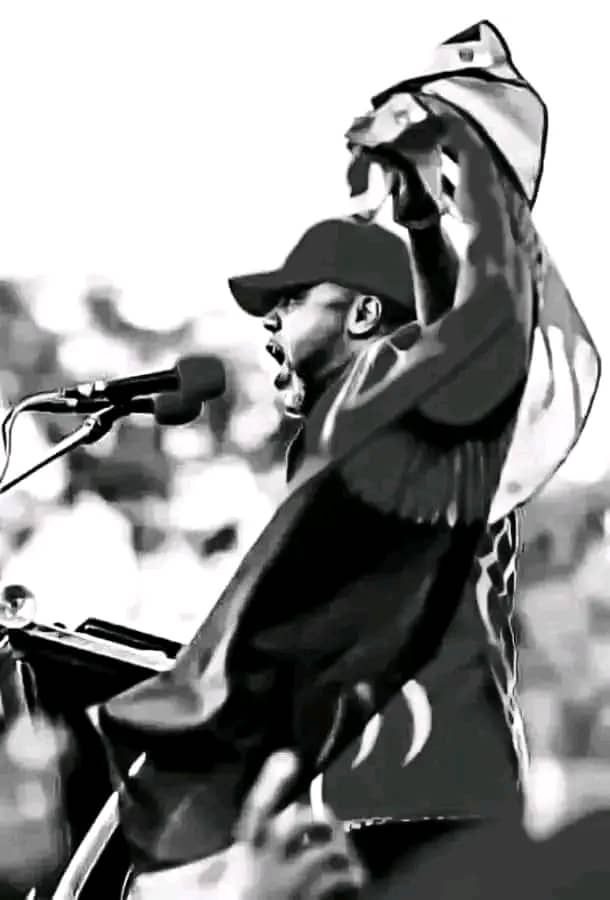


The portrait of Saulos Chilima has long been a symbol of leadership within the UTM. As the party’s founder, Chilima’s image represents not just the party’s vision but also its values of change, hope, and progress for the people of Malawi. By making his portrait the official symbol, the UTM Party has ensured that its identity is closely tied to the ideals and aspirations that Chilima has championed.

Msusa’s statement also addressed an internal issue that had been brewing within the party. He alleged that there had been attempts by some factions within the UTM to replace Chilima’s portrait with that of another figure. While Msusa did not name the individuals behind these efforts, his comments suggest that there had been disagreements or attempts to shift the party’s identity away from its founder.

“This decision has been made following attempts by some quarters of the party to replace Chilima’s face with someone else’s,” Msusa explained. The allegation highlights internal tensions that may have existed within the party, but the decision to reaffirm Chilima as the face of the UTM signals a resolution to these disputes. It reflects the party’s commitment to the leadership and vision that Chilima has provided since its formation.

The portrait of Saulos Chilima as the official symbol of the UTM Party is more than just a personal representation—it is a symbol of the party’s mission to bring about positive change in Malawi. Chilima’s leadership style, which emphasizes transparency, accountability, and a focus on the needs of the people, has resonated with many Malawians who are eager for a new direction in the country’s governance.

By adopting Chilima’s image as the symbol, the UTM Party is sending a strong message to the electorate that the party remains united and steadfast in its commitment to Chilima’s leadership. It also reinforces the idea that the UTM is a party of change, seeking to break away from the old political norms and bring about a new era of political leadership.

Party symbols are crucial in political movements as they often embody the core values and vision of a political organization. For the UTM Party, the portrait of Saulos Chilima serves as a powerful and unifying symbol that connects the party’s history with its future. It reminds the party’s supporters of the goals they are working toward and the person leading them toward those goals.

In Malawian politics, where party symbols can have significant influence on voter perceptions and support, this shift in symbolism may have important implications for the party’s future trajectory. It aligns the party even more closely with its founding principles, ensuring that the UTM remains synonymous with Saulos Chilima’s vision for a better Malawi.

The decision to make Saulos Chilima’s portrait the official symbol of the UTM Party marks a new phase in the party’s journey. It represents a moment of consolidation and focus, signaling that the UTM is committed to its founder’s leadership and that the party will continue to prioritize his vision in the coming years.

The announcement came at a time when the UTM Party is looking toward its future, especially with the upcoming elective convention slated for next weekend in Mzuzu. The party’s unity, reflected in this symbolic decision, will likely play a key role as it moves forward and prepares for future political challenges.

As the UTM Party prepares for its convention and continues to strengthen its leadership, the decision to adopt Chilima’s portrait as the official symbol will undoubtedly have a lasting impact on the party’s identity and its relationship with the electorate. With the flames now gone and Chilima’s image firmly in place, the UTM looks ahead to a future where the party’s message of change, transparency, and progress continues to resonate with the people of Malawi.

This bold move by the UTM Party demonstrates not only a commitment to Saulos Chilima’s leadership but also a strategic effort to solidify the party’s position as a force for political transformation in the country. As the party continues to grow and evolve, its symbol will serve as a reminder of the vision that brought it into existence and the leadership that continues to guide it.
Sub-Saharan Africa’s economic reform challenges: An analysis

By Burnett Munthali

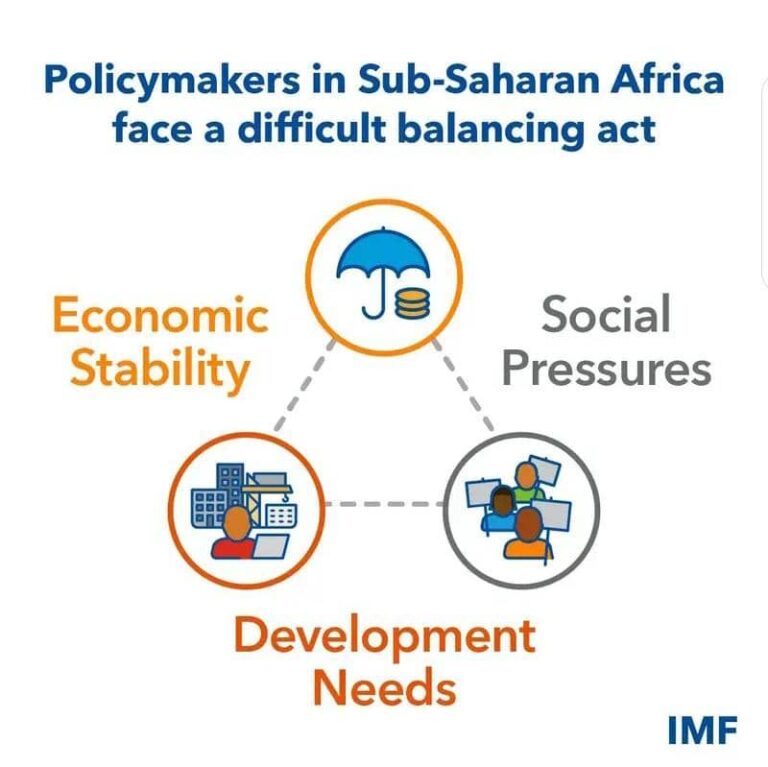
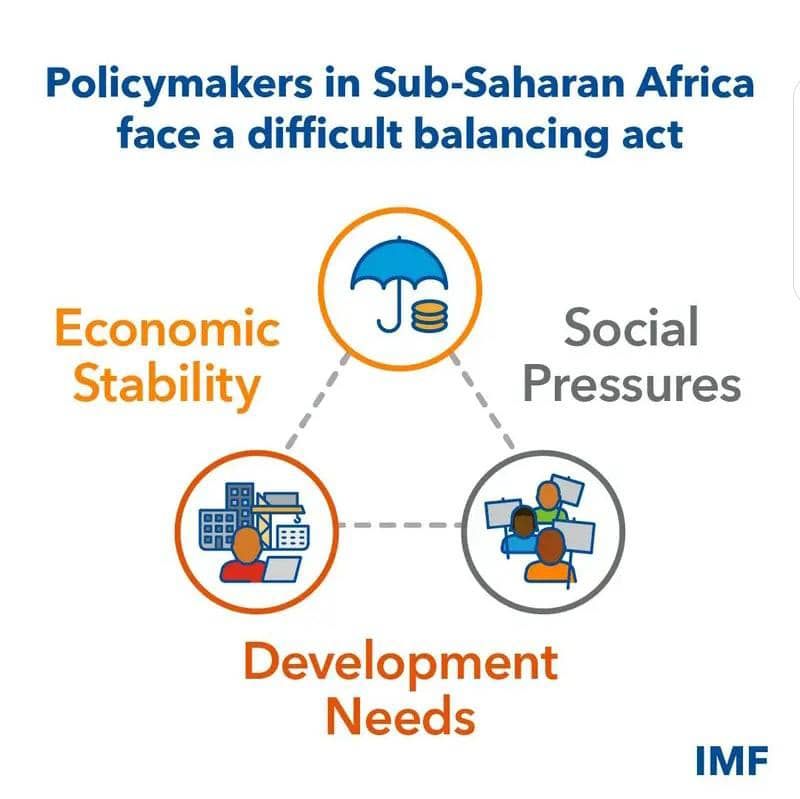
Sub-Saharan Africa is confronting a tough economic landscape as it attempts to restore stability through necessary, albeit challenging, reforms. These efforts are essential for addressing economic imbalances, yet the path to success is complex and marked by three primary challenges.

1) Subdued economic growth

With growth projected at 3.6% for 2024 and a slight increase to 4.2% in 2025, Sub-Saharan Africa’s economic expansion remains modest and inconsistent. This sluggish growth leaves the region particularly susceptible to economic shocks, which can exacerbate issues in countries already facing structural vulnerabilities. Slow growth not only limits the potential for economic resilience but also impacts employment and overall development goals, making it harder for governments to meet public demands.


2) Limited financing options

Many nations in the region are grappling with high debt burdens and restricted access to affordable financing, which hinders efforts to fund reforms or maintain essential services. This situation restricts fiscal policy options, reducing the capacity to invest in growth-stimulating projects. Given these constrained resources, policymakers have limited room to respond to crises or invest in initiatives that would benefit long-term economic stability, further slowing the region’s progress toward recovery.

3) Social frustration and rising hardships

The economic adjustments, while necessary, have had immediate social costs, particularly for those already facing poverty and limited job opportunities. The high cost of living, coupled with government inefficiencies, adds to public dissatisfaction. In many areas, this frustration stems from a perception that governments are not sufficiently addressing the pressing needs of ordinary citizens. The sacrifices required to implement these reforms, such as reduced subsidies or increased taxes, are often felt most acutely by vulnerable populations.

Balancing stability and social equity

Policymakers are tasked with the difficult balance of advancing economic stability while managing social needs. Reforms must not only aim at stabilizing economies but also at fostering inclusivity, creating employment opportunities, and protecting the most vulnerable. Ensuring that these changes resonate with local realities will be crucial in securing public support and sustaining reform momentum.

As Sub-Saharan Africa looks toward recovery, the effectiveness of these reforms will hinge on their ability to uplift and stabilize the livelihoods of all citizens. For long-term success, reforms need to foster both economic resilience and social cohesion, gradually steering the region toward sustainable growth and prosperity.

Former FAM Second Veep ‘Othaniel Hara dies in a car accident

0

By Durell Namasani

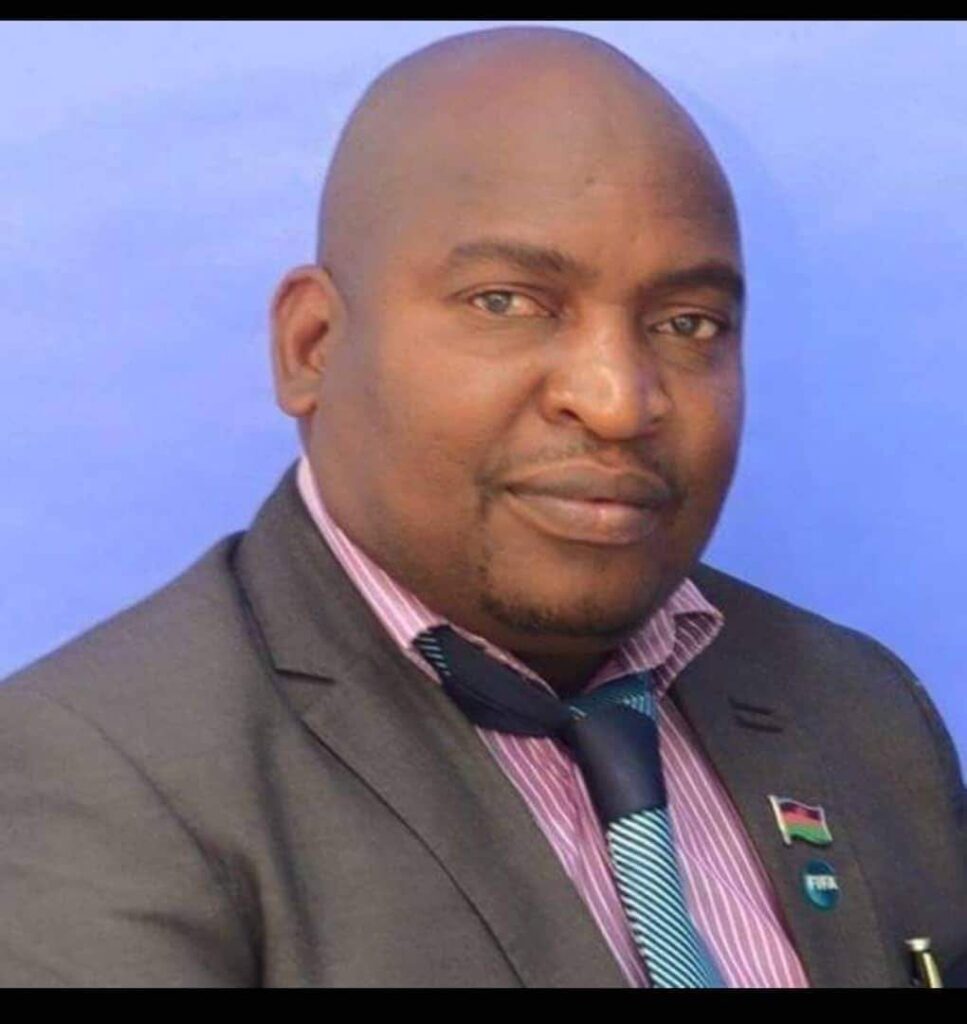
Death has been announced of Former Second Vice President of the Football Association of Malawi (FAM), Othaniel Hara.

Reports indicate that Hara died in a car accident that happened at Mtwalo in Mzimba district on his way back from his home village, Mpherembe in the district.

Hara


Hara’s brother Franklin, has confirmed about the death saying his brother’s body is being kept at Mzuzu Central Hospital Mortuary and burial arrangements will be announced later.

Hara who has died at the age of 58, served as FAM’s Second Vice President for eight years during the tenure of former FAM President Walter Nyamilandu.

Bullets defends Airtel Top 8 after beating Silver Strikers 1-0 in Lilongwe

0


By McLloyd Kudzingo


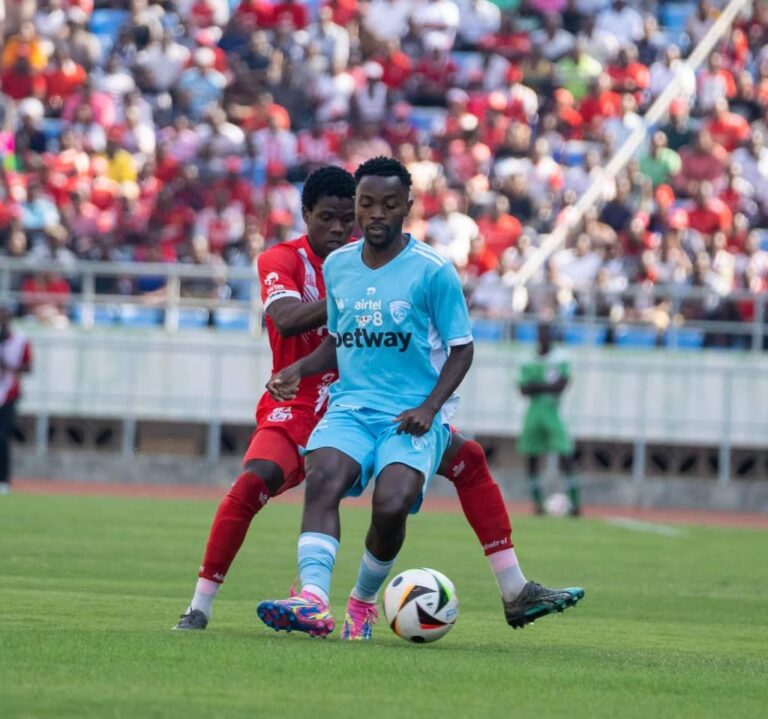
FCB Nyasa Big Bullets have become the first team to defend the Airtel Top 8 Cup following their 1-0 victory over Silver Strikers at Bingu National Stadium in Lilongwe on Saturday afternoon.

Ernest Petro scored the only goal on the match with a powerful header in the 71st minute after receiving a cross from from Alick Lungu.

Silver Strikers started the game very well forcing Bullets to concede a corner kick in the 12th minutes which was taken by Uchizi Vunga but headed over the cross bar by Maxwell Paipi.


Zebron Kalima almost put Silver in front in the 26th minute but his shot was deflected for a second corner for Silver.

Four minutes later, Kalima came again with yet another chance following a blunder by Wongani Lungu but Bullets captain Gomezgani Chirwa cleared the ball to deny the home side the lead.

In the second half, Bullets introduced Maxwell Phodo replacing Ephraim Kondowe and Silver on the other hand, brought in Charles Chipala and Levison Maganizo for Binwell Katinji and Uchizi Vunga.

Bullets later on replaced Wongani Lungu with Lloyd Aaron in the 63rd minute.

Both sides looked well settled in the second half, creating a number of scoring opportunities but it was the People’s team who managed to find the back of the net through Petro in the 71st minute.

Following the goal, Silver Coach Peter Mponda replaced Zebron Kalima with Misheck Selemani in the 72nd minute and five minutes later Stain Davie replaced Chikondi Kamanga.

Bullets coach Kallisto Pasuwa also brought in Frank Willard and Yamikani Mologeni for Precious Phiri and goalscorer Ernest Petro.

Babatunde Adepoju almost made it 2-nil in the 85th minute after receiving a cross from Chikumbutso Salima but his header missed the goal post by a whisker.

Gift Chunga almost snatched a late equaliser for the central bankers but his attempt was cleared by Yamikani Mologeni in the added time.

Bullets have received MK 30 million for being crowned champions and Silver Strikers have pocketed MK 10 million as Runners-up.

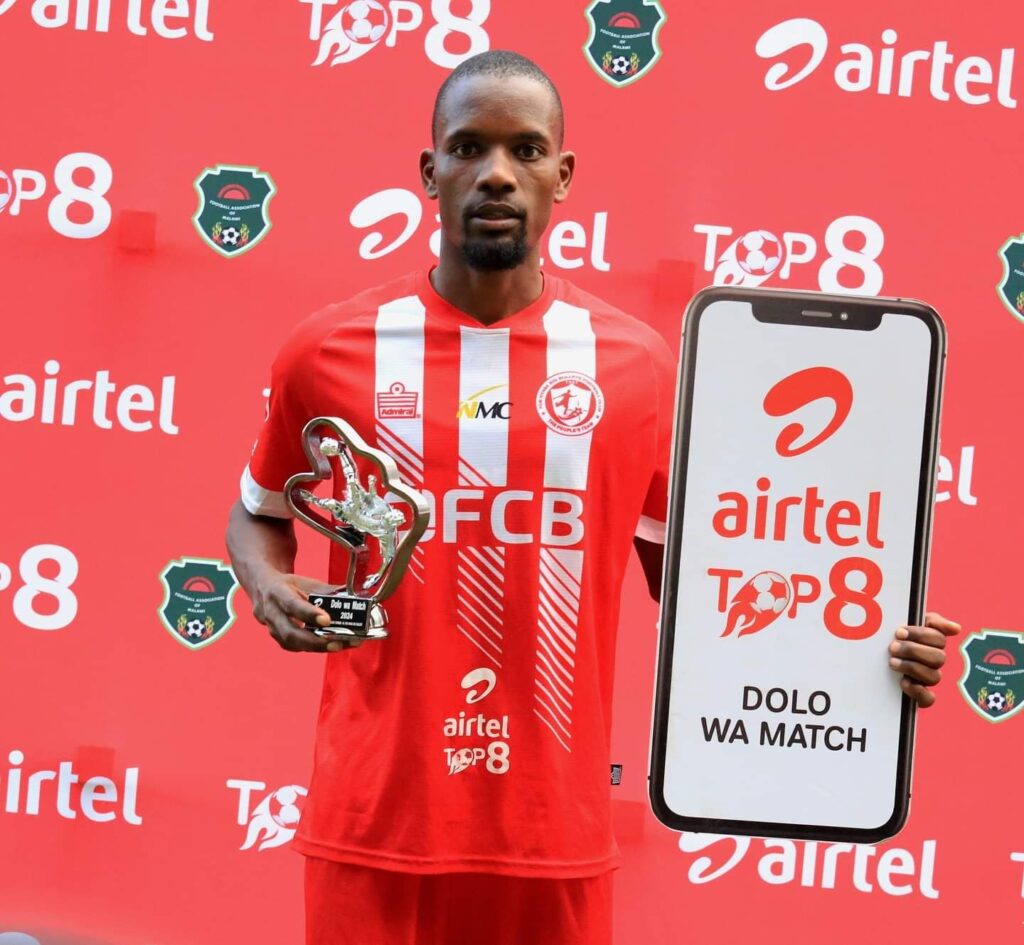
Man of the match Ernest Petro

NYCOM up for National Youth Summit, Annual General Assembly ahead of the 2025 general elections

0


By Dean Chisambo

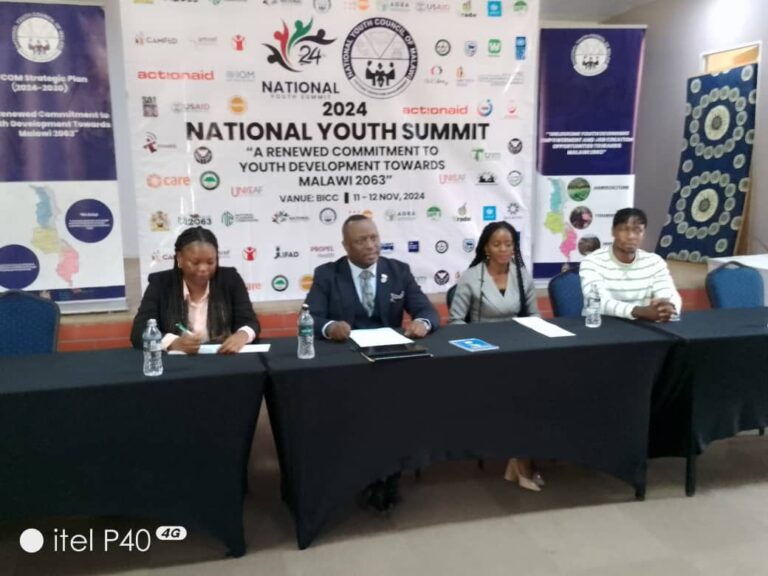
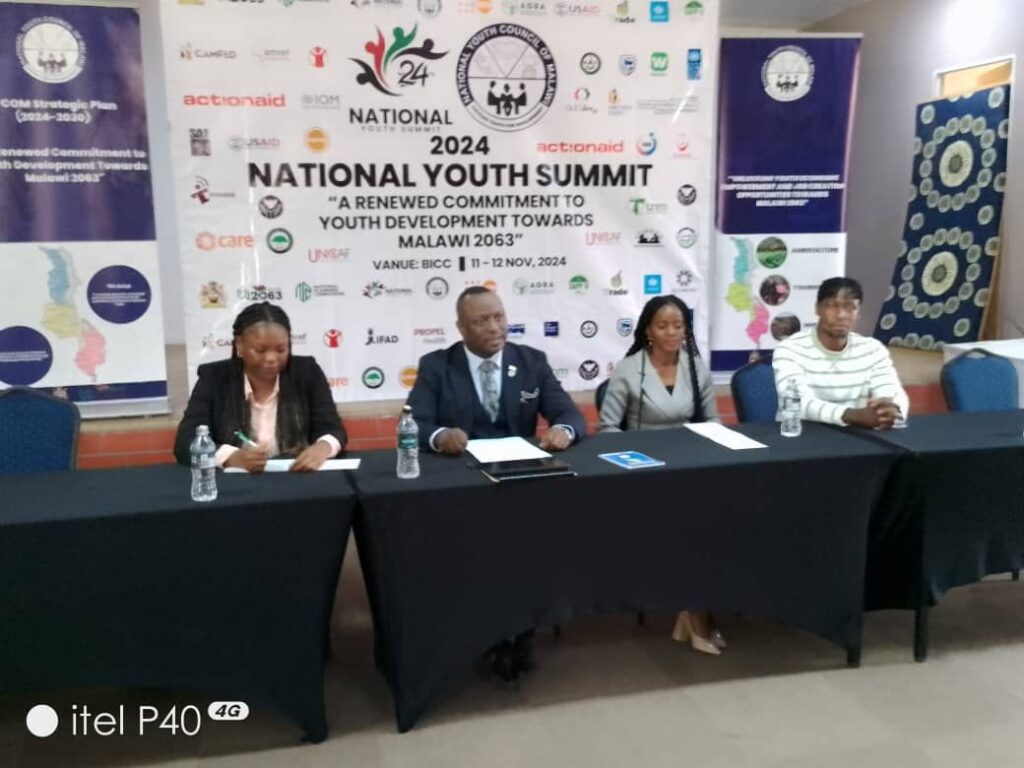
The National Youth Council of Malawi (NYCOM) in collaboration with the Ministry of Youth and Sports has organized the National Youth Summit of 2024 and Annual General Assembly from November 11th to 13th, ahead of the 2025 general elections.

Speaking during the press briefing on Friday in Lilongwe, NYCOM Executive Director Rex Chapota said the summit aims to bring together youth leaders across the nation to deliberate and discuss issues about young people and development, so that they can be part of Malawi’s journey towards 2063.

Chapota highlighted that the summit will address several issues at the heart of young people, including economic empowerment, employment, climate, governance, and elections.

Chapota said:”We have dedicated two sessions to deal with governance and elections, especially as we approach the 2025 general elections.”

He further explained that they will discuss the skills young people need to be voted into power and how they can be ambassadors of peace in the coming elections.

Chapota also disclosed that they are promoting and encouraging youth to take part in political office.

He said they are also relying on stakeholders to have a special fund for young aspirants to support them, as most young people who seek political office face challenges in terms of resources.

Added Chapota:”We hope that during this summit, we can rely on partners who can bring together a basket fund for young people, as there are over 500 aspirants who have indicated to seek office at different levels, and these young people need to be supported.”

He also mentioned that the summit will feature a Youth Cultural Festival, which will showcase young and upcoming artists and creatives identified through various means.

Chapota added that no less than four cabinet ministers will attend the summit and annual general assembly.

He said these include Minister of Youth and Sports Uchizi Mkandawire, who will also be the guest of honor, Minister of Mining Monica Chayang’anamuno, Minister of Tourism Vera Kamtukule, and Minister of Agriculture Sam Kawale, who will also participate in relevant discussions.

The summit will be held under the theme “Renewed commitment towards Youth development on the journey 2063,” and 500 youths from all parts of the nation are expected to attend.