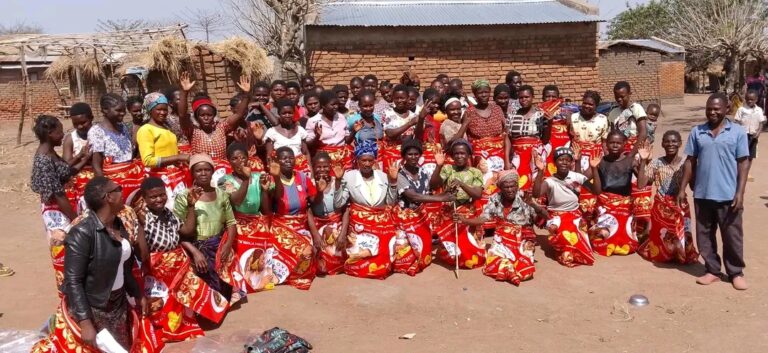
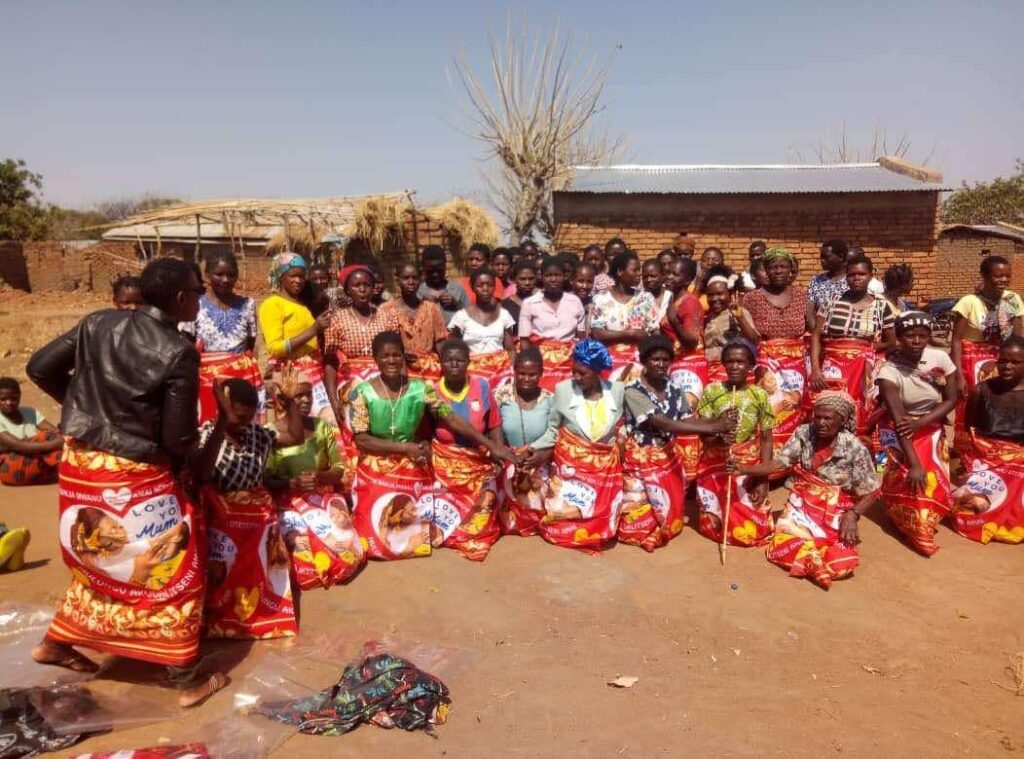
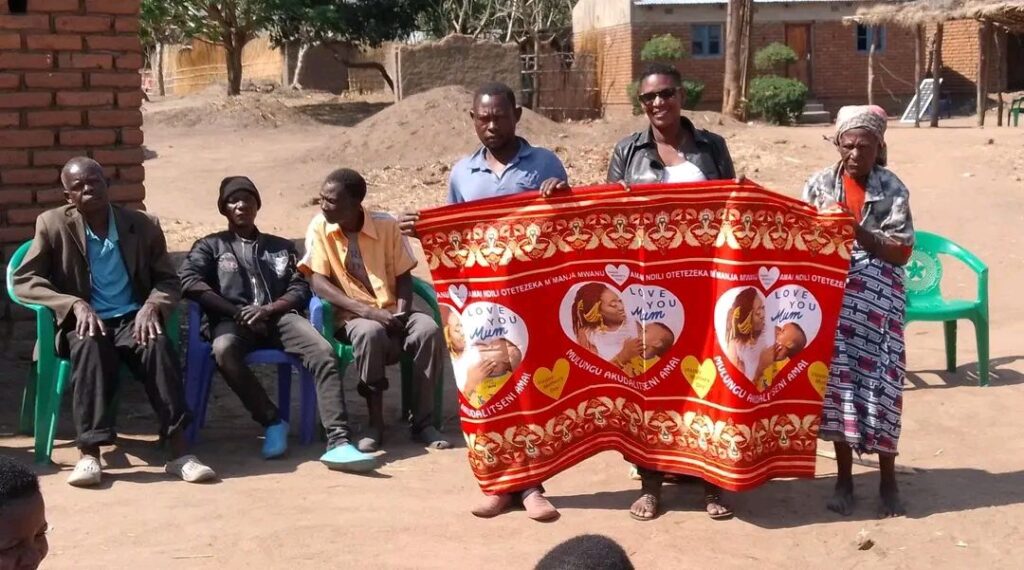
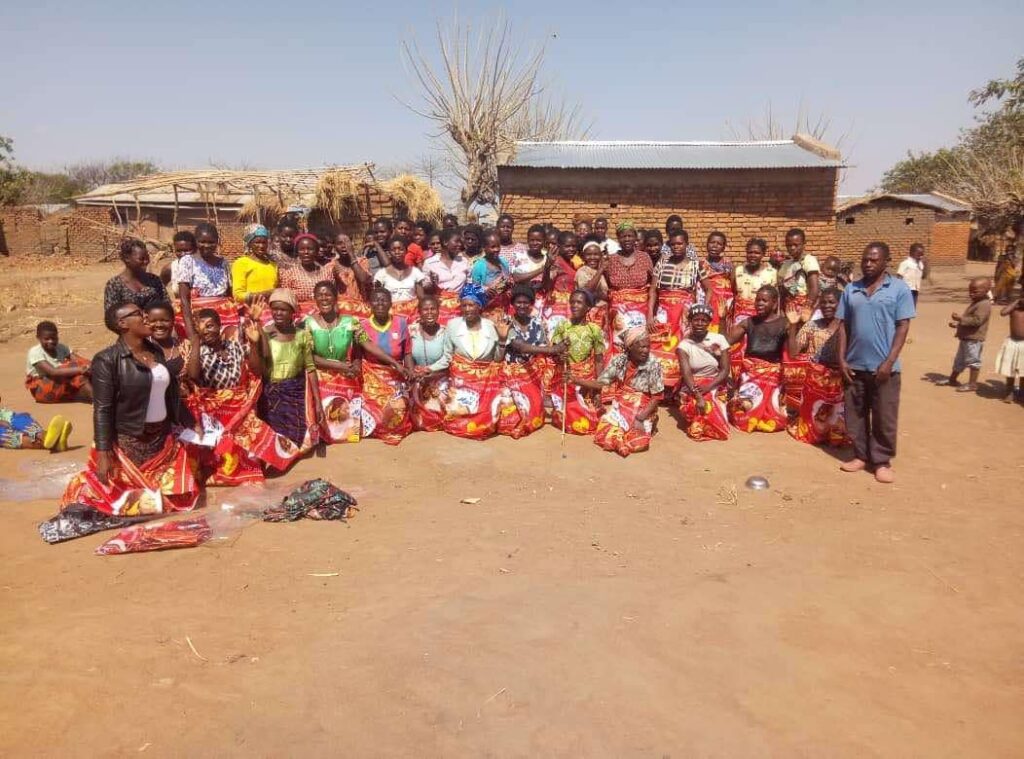
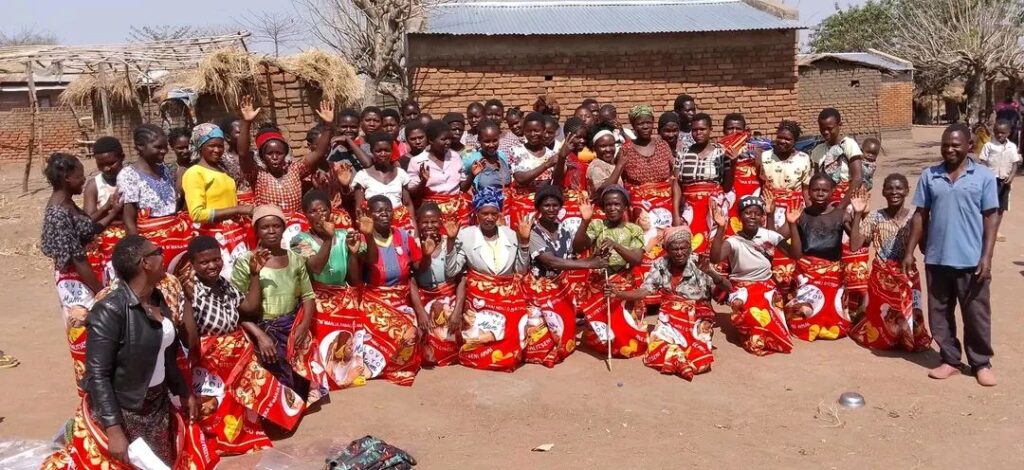
Phillipina Phiri Msiska, a resident of Mzuzu and currently studying in the United States of America (USA),on Saturday made a generous donation of zitenje (Mother’s Day cloth) to 104 women from Mphonde village, Traditional Authority (T/A) Dzoole, and Mwinama village, Traditional Authority (T/A) Mponela in Dowa district.
In an interview with our journalist Chisomo Phiri, Msiska, who works with Mzuzu ADD and is a married mother of two, spent K500,000 on the donation.
When asked about her motivation, Msiska cited her natural empathy for those in need and her desire to share with her fellow women during this Mother’s Day celebration period.
She also emphasized the importance of social responsibility and contributing to society, especially by helping those in need.
“I wanted to make a difference in the lives of these women, who may not have received a Mother’s Day gift due to various reasons.
“I believe that helping others is a fundamental part of being a good citizen and community member” she said.
Msiska also expressed her gratitude to God for making the donation possible and encouraged others with the potential to help others to do so.
She emphasized that her donation was made out of goodwill and not for any political aspirations, as she is currently residing in the USA and has no plans to return to Malawi anytime soon.
One of the beneficiaries, Ephridah Mankhwazi, expressed gratitude towards Msiska for her generous gesture.
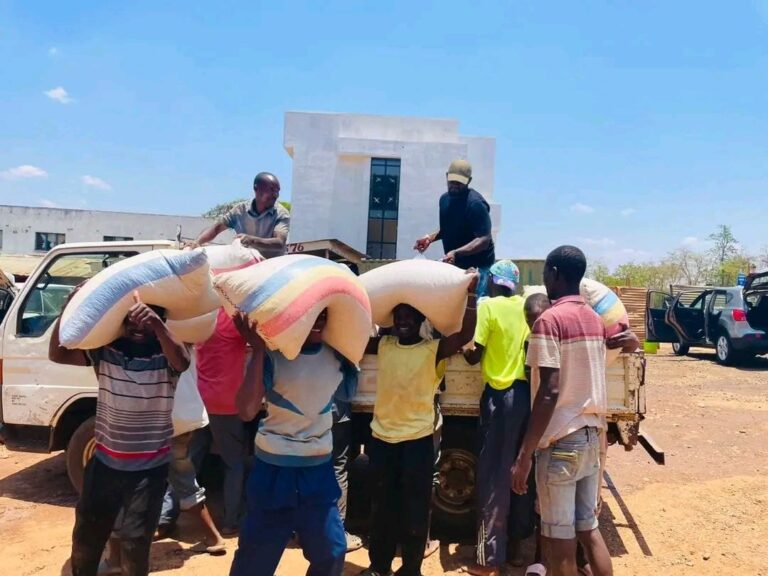
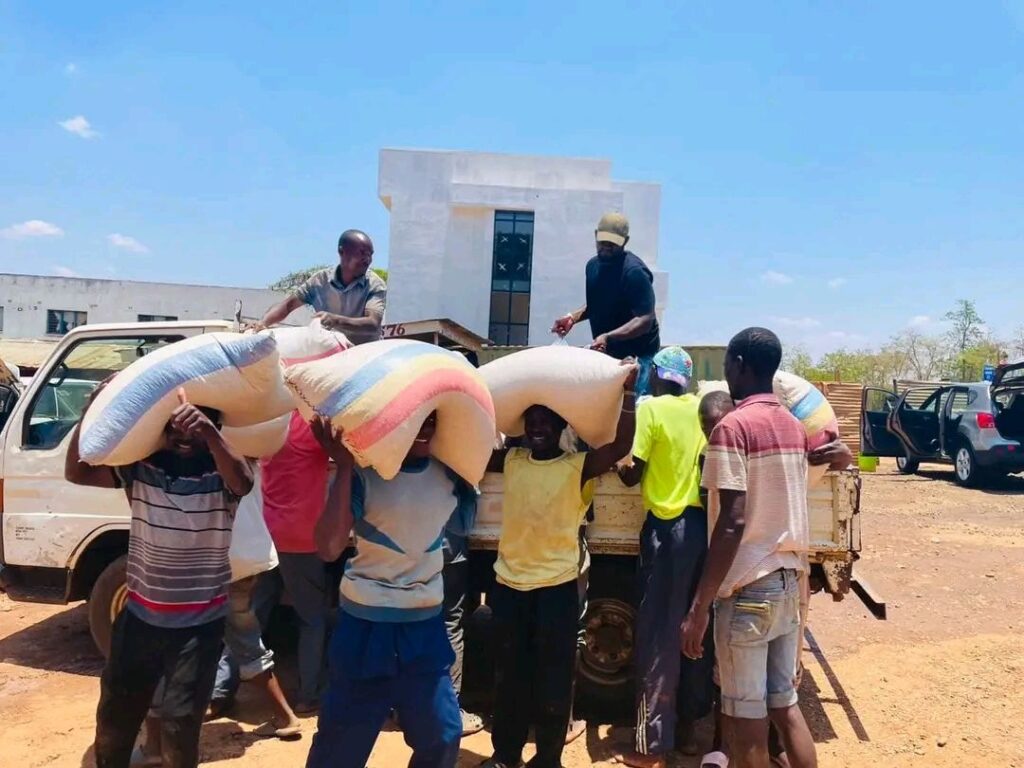
Philanthropist and business woman Chawezi Banda, affectionately known as Cha Cha,on Saturday generously distributed 50kg bags of maize to car wash attendants at Chitukuko in Lilongwe.
The beneficiaries include 15 workers from a popular car wash owned by a man fondly known as Uncle Short One.
The unexpected gesture brought joy and gratitude to the recipients.
“We are truly thankful for this kind assistance, which came as a surprise. God bless Cha Cha,” exclaimed Uncle Short One.
Cha Cha’s local representative, Lackin Moffat, explained that the donation was inspired by the attendants’ exceptional customer service skills.
“Cha Cha was impressed by their dedication and enthusiasm, and wanted to show appreciation for their hard work,” Moffat explained.
The Reserve Bank of Malawi (RBM) says it expects the country’s inflation rate to decrease in the coming months.
In an interview with this publication, RBM Deputy Governor for Economics, Macdonald Mafuta Mwale, shared that the Central Bank is proactively addressing inflationary pressures and is committed to ensuring that inflation trends downward.
Mafuta Mwale highlighted that the RBM is working collaboratively with the Ministry of Finance and the Ministry of Agriculture to implement a coordinated action plan, which will help contain inflation within expected levels.
Although Malawi’s headline inflation rose to 34.3 percent in September from 33.9 percent in August, Mafuta Mwale noted that the RBM’s efforts have helped mitigate the impact of rising food prices on non-food inflation, which has remained steady at around 22 percent.
He said the efforts include maintaining a tight monetary policy and conducting open market operations.
Inflation is a general increase in the prices of goods and services in an economy.
This is usually measured using a Consumer Price Index (CPI).
When the general price level rises, each unit of currency buys fewer goods and services; consequently, inflation corresponds to a reduction in the purchasing power of money.
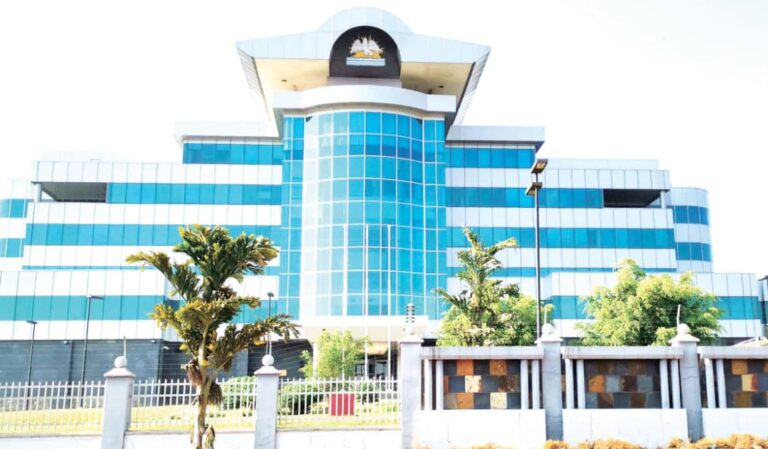
Renowned Malawian musician Dr. Patience Namadingo has set the record straight ahead of his anticipated performance at the Bingu International Convention Centre (BICC) in Lilongwe. In a candid message to event organizers, Namadingo emphasized the importance of delivering a high-quality show, while underscoring the need for fair compensation to ensure a top-notch experience for concertgoers.
In a bold and unapologetic statement, Namadingo took aim at mediocrity, stating: “BICC Main auditorium is a one thousand & five hundred seater auditorium. Any good musician will tell you that this is a place that requires a proper full band live performance, osati zamadulira pamene anthu adzalipira their hard-earned money to watch.”
Namadingo
The artist, known for his meticulous approach to music, left no room for doubt regarding his expectations. He made it clear that for an event of such magnitude, a performance backed by a full band and well-rehearsed production is non-negotiable. Anything less, in his words, would be a disservice to fans who have paid to see him live.
Namadingo’s stance is grounded in the principle of valuing both the artist and the audience. He did not shy away from putting a price on quality, stating, “Pay me 10 M and get a good show. Sizomvelana chisoni apa. Let’s do business and give people a good show.”
He further explained that while he is passionate about his craft, his performances are about more than just taking the stage. He desires to be part of “big things that are successful, not just money-driven as long as it’s money.” For Namadingo, a well-paid artist equals a well-executed show, and he is not willing to compromise on this equation.
His call to event organizers is simple: “If we are not giving people a good show, then I don’t want to give a half-baked performance.” Namadingo insists on the need for proper investment in his performances if audiences are to get the kind of quality they deserve. He is committed to delivering excellence, but only when the conditions are right.
To sum it up, Namadingo’s message was loud and clear: “Good money = Good show. I am a good show to watch when I am well paid. I love to do my job right.” He concluded his statement with a challenge to organizers and fans alike: “YOU WANT A GOOD SHOW? HIRE ME. YOU WANT AN ORDINARY SHOW? HIRE SOMEBODY ELSE.”
As the date for his performance on November 17th approaches, Namadingo’s bold message has set high expectations for what promises to be a remarkable event—if his terms are met. For his loyal fan base, there’s no doubt that when Namadingo steps on stage, they can expect nothing short of excellence.
Conclusion
Dr. Namadingo’s assertion has resonated across Malawi’s music scene, stirring conversations on the value of art and the importance of properly compensating artists for their craft. His stance is a powerful reminder that quality entertainment comes at a price, and in his case, the price is well worth the experience. On November 17th, fans will see whether the event meets his standard of “a good show.”
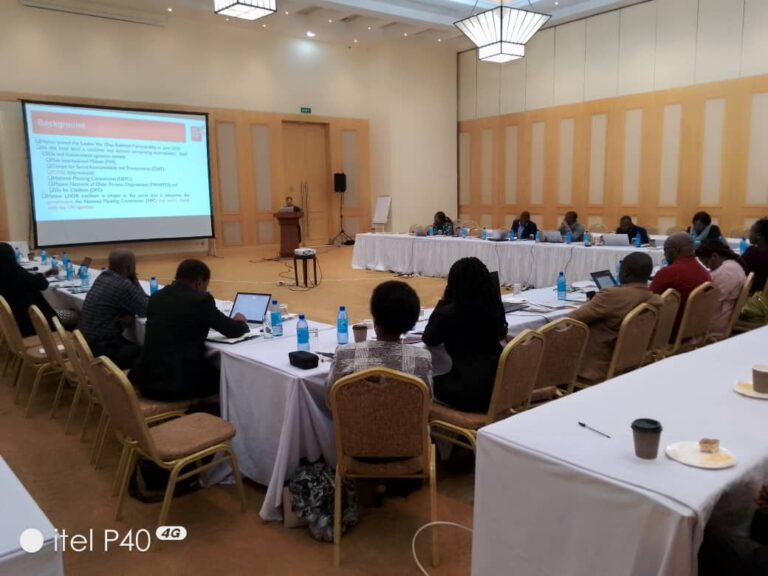
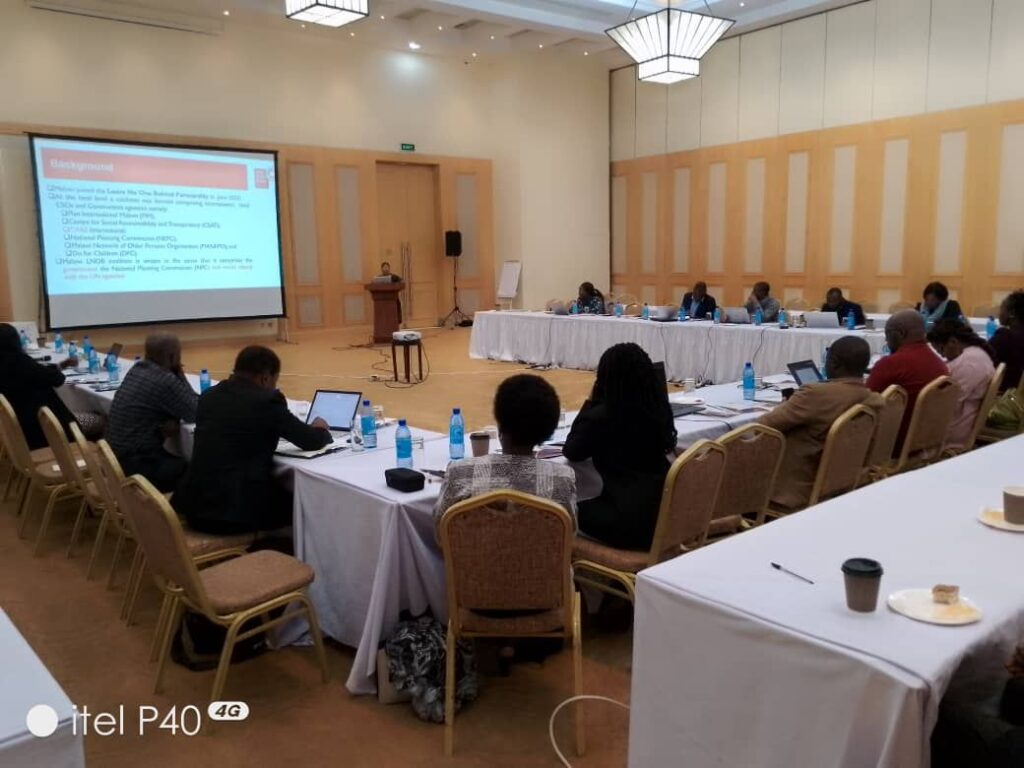
Citizen Generated Data (CGD) is conducting infectious disease data scooping study which will help the country to make informed policies that have got evidence.
CGD coordinator in the UN foundation and Strathmore University Dr Mary Shawa said it is against the background, when they checked the performance of the Sustainable Development Goals( SDG’s) they found out that most of them will not be attanded because the data is not available as evidence.
Shawa stated that one way of making sure that data is collected, is that the citizen generated data approach was identified.
She mentioned that Malawi is one of the six countries that was asked to champion the CGD to combat environmentally sensitive infectious diseases namely: Cholera, Dengue fever and Schistosomiasis after they did their study in 2022 and they submitted a report in 2023.
Shawa further said from the basis, the global noted that Malawi is ready to use information from an ordinary man in the village who is marginalised and who is his voice never heard.
She said: “the aim is to make sure that his voice must be heard and the voice must be taken on the decision making table, so that it can change the things.
Shawa further disclosed that one of things they did is to collect data on social cash transfer and Affordable Input Programme ( AIP), the report was sensitive which they could not estimated .
She said that they noted that the social cash transfer has changed interms of increasing the number of participants, recepient and also increasing the amount of money the individuals are getting.
She added that when they will collect data people will say their concerns, immediately the data goes to decisions makers which will use the recommendation from the ordinary persons to change and approach the programmes that will help some SDG’s to be achieved.
On her part Inclusive Data UN foundation Karen Bett said they want to identify the role of the citizens and to make sure that they understand the skills, the capacity,the gaps and how they can support the ministry of health,CSO’s as well as direct citizens to address infectious diseases.
She described that the scoping is very short, they are hoping to have the findings ready by January 2025 and they will disseminate the findings and share it.
The UN foundation and Strathmore University are supporting the infectious disease data scooping financially .The six countries which are requested to do the Global scooping study are Malawi, Ghana, Kenya, Dominican Republic and Colombia.