Monday, April 6, 2026
No menu items!
spot_img
Home Blog Page 968

Bon Kalindo Critiques Bakili Muluzi’s Influence and Leadership

0


By Burnett Munthali

In a recent post on his Facebook page, “Team Bon Kalindo,” prominent Malawian politician Bon Kalindo directed strong words toward former president Bakili Muluzi. Kalindo’s comments were particularly pointed as he reflected on the implications of Muluzi’s political legacy and influence on the current political landscape in Malawi.

Kalindo suggested that Muluzi’s time as a leader could have had a more significant impact had he not been so preoccupied with his own interests. He noted, “If Bakili Muluzi had truly taken the time to prioritize the people during his leadership, he would not have left behind a legacy that continues to burden us today.” This statement reflects a sentiment shared by many who feel that past leadership failures have led to ongoing challenges for the nation.
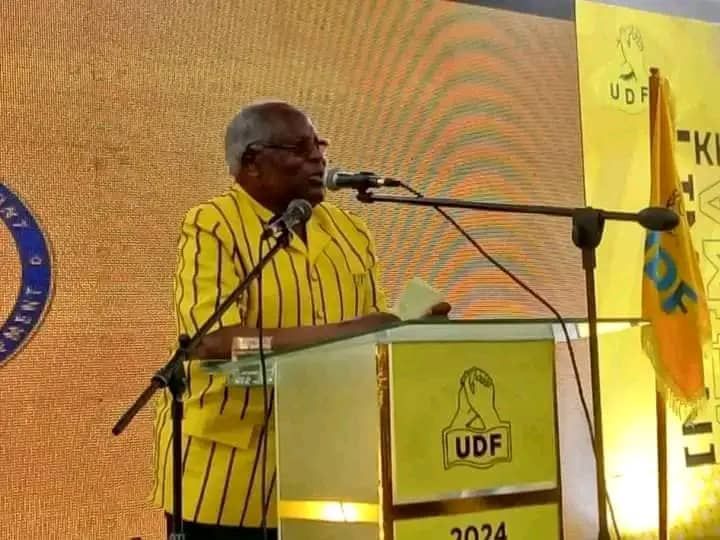
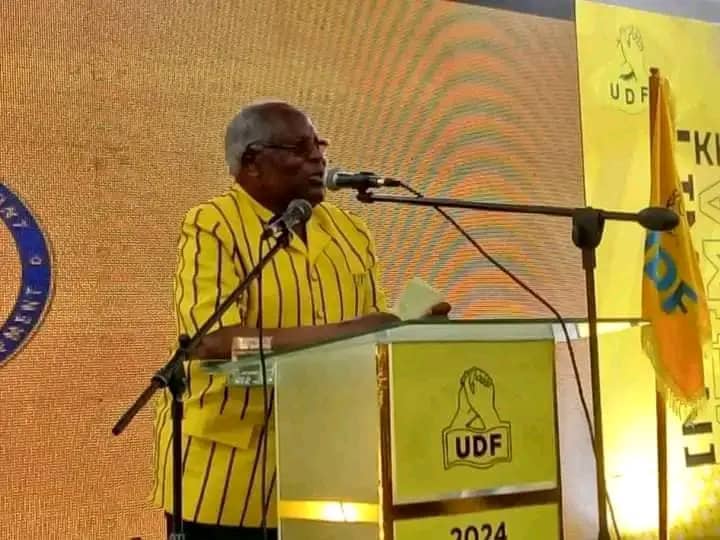
Bakili Muluzi

The politician also expressed frustration with President Lazarus Chakwera, implying that the financial resources allocated by Chakwera to certain individuals should be scrutinized. Kalindo argued that these funds should not be misused or squandered and urged that leaders must be held accountable for their financial decisions. He criticized what he perceived as a lack of genuine concern for the welfare of the people, stating, “This is not the time for leaders to indulge themselves while the common people suffer.”

Kalindo’s comments extend beyond mere criticism; they reflect a deeper call for accountability and responsibility among political leaders in Malawi. He emphasized the need for leaders to be mindful of their roles and the consequences of their actions on the lives of ordinary citizens. “We cannot allow our leaders to continue acting in self-interest while ignoring the pressing needs of the people they are meant to serve,” Kalindo asserted.

Furthermore, Kalindo expressed sympathy for the elderly and vulnerable members of society who have been neglected in the political discourse. He called for more compassion and support for those who have been left behind in the quest for progress. “Our elders deserve respect and care, not neglect and disregard. It is our duty to ensure that they are treated with dignity,” he stated.

In conclusion, Bon Kalindo’s recent Facebook post highlights significant concerns regarding political leadership and accountability in Malawi. By critiquing Bakili Muluzi and urging President Chakwera to be more considerate with public funds, Kalindo emphasizes the need for a political culture that prioritizes the welfare of the people over personal interests. As the country navigates its complex political landscape, voices like Kalindo’s are crucial in advocating for transparency, compassion, and genuine leadership.
Fuel price hike: A crushing blow to Malawi’s poor


By Twink Jones Gadama

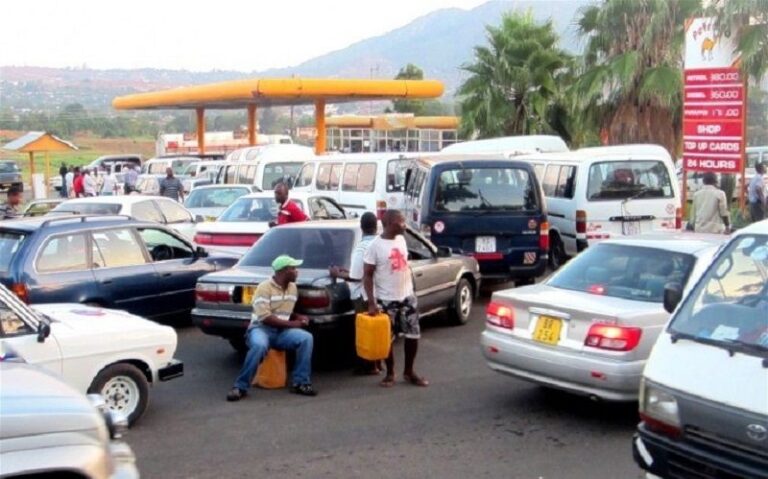
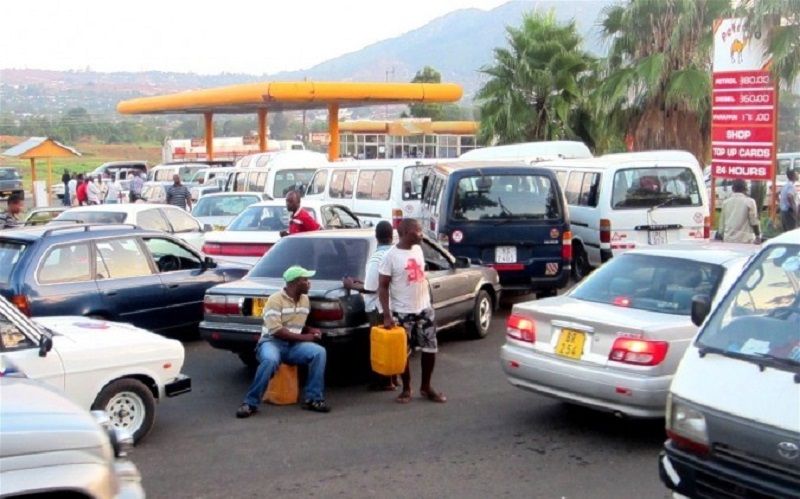
The recent announcement by the Malawi Energy Regulatory Authority (MERA) to increase the price of liquefied petroleum gas by 15.25% is a devastating blow to the already struggling poor in Malawi.

This upward adjustment, effective October 16, 2024, will see the price rise from 3,245 Kwacha to 3,740 Kwacha.

According to MERA, this is due to the depreciation of the Malawi Kwacha against major currencies, which has increased the landed cost of gas and reduced returns on investment for operators.


However, this explanation rings hollow for many Malawians, who are already grappling with the consequences of economic mismanagement and poor governance.

Furthermore, the fact that staple food, maize, has seen significant price increases of 22% in September and 15% in October in southern Malawi, is a stark reminder of the struggles faced by the urban poor.

Moreover, the Malawi Congress Party (MCP) government’s failure to control prices has exacerbated the situation, leaving the most vulnerable members of society to bear the brunt.

The devaluation of the kwacha, intended to address foreign exchange shortages, has instead led to widespread price increases, making basic necessities unaffordable for many.

Consequently, families like Francis Tambula’s, who walk 7km every day to work because they cannot afford public transport, will be severely affected by this price hike.

With staple foods already a luxury, the increased cost of liquefied petroleum gas will further erode their purchasing power.

The struggle to make ends meet will become even more daunting, as families are forced to choose between food, water, and other essential needs.

Meanwhile, the MCP government’s inaction has created a vicious cycle of poverty, where the poor are trapped in a never-ending struggle to survive.

The lack of effective economic policies has led to food insecurity, unemployment, and limited access to basic services.

Therefore, the Malawi government must take immediate action to address the economic crisis and alleviate the suffering of its citizens.

This requires implementing effective economic policies that promote economic growth, stabilize the currency, and increase foreign exchange reserves.

Additionally, establishing social protection programs that provide support to vulnerable families, such as subsidies for essential goods and services, is crucial.

Ultimately, ensuring transparency and accountability within the government is essential.

Officials must be held accountable for their actions, and decisions must be made in the best interest of the people.

The fuel price hike is just the latest in a series of blows to Malawi’s poor.

It is time for the government to take responsibility and work towards creating a more equitable society, where everyone has access to the resources they need to thrive.

10 footballers who lost it all: Divorce and financial ruin


By Twink Jones Gadama

“`From Mansions to Bankruptcy: The Cautionary Tales of Soccer Stars Who Lost Everything After Divorce“`

In the glamorous world of professional football, players often live lavish lifestyles, earning millions and enjoying fame. However, behind the glitz and glamour, some soccer stars have faced financial devastation due to divorce. Here are 10 shocking stories of footballers who lost almost everything after their marriages ended.

Emmanuel Eboue, the former Arsenal defender, is a stark example. After his divorce, Eboue lost custody of his children and all his properties in England to his ex-wife. The Ivory Coast international struggled to cope with the emotional and financial blow.


Thierry Henry, the legendary French striker, paid a hefty £10 million to his wife after their divorce. Henry admitted to struggling with mental health issues during his first year at Barcelona, citing the emotional toll of the split.

Ryan Giggs, the Manchester United icon, parted with £40 million to his wife after their divorce. This staggering sum is a testament to the financial implications of high-stakes divorce.

Louis Saha, the former Manchester United and Everton striker, lost half his fortune to his ex-wife. Saha’s case highlights the importance of prudent financial planning.

Wes Brown, the former Manchester United defender, declared bankruptcy just a year after his divorce. Brown’s £50,000-per-week salary couldn’t shield him from financial ruin.

David James, the ex-Liverpool and England goalkeeper, lost everything after his divorce. James was forced to auction his belongings to make ends meet, a stark reminder of the fragility of fame and fortune.

Ray Parlour, the Arsenal legend, saw his wife receive half of his £10 million fortune, including a £2.5 million house. Parlour’s story serves as a warning about the importance of protecting assets.

Jamie Redknapp, the former Liverpool and Tottenham midfielder, lost half of his estimated £15 million fortune after separating from his wife. Redknapp’s case underscores the financial risks of divorce.

Keith Gillespie, the ex-Newcastle and Manchester United winger, paid over £7 million in divorce costs and faced bankruptcy in 2010. Gillespie’s experience highlights the long-term financial consequences of divorce.

Tendai Ndoro, the former Orlando Pirates striker, lost everything to his wife after divorce. In a shocking twist, Ndoro had registered all properties in his wife’s name, leaving him with nothing after the breakup.

These stories serve as cautionary tales for footballers and anyone who enjoys financial success.

Marriage and divorce can have far-reaching consequences, emphasizing the importance of careful financial planning, asset protection, and emotional resilience.

As these soccer stars’ experiences demonstrate, even the most lucrative careers can be vulnerable to financial devastation.

Their stories offer valuable lessons for anyone navigating the complexities of love, finance, and fame.

Man arrested for cultivating Indian hemp without license

0

By Staff Reporter

Dowa Police have apprehended a 25-year-old man, Timothy Banda, for allegedly cultivating Indian hemp without the requisite license.

The arrest took place on Tuesday, October 15, 2024, in Lirambwe Village.

Acting on a tip-off from concerned citizens, police officers from the Criminal Investigations Department conducted a follow-up operation and successfully detained the suspect.

Banda admitted to cultivating Indian hemp on his quarter-acre farm, located approximately five kilometers from his village, along the Chaliwe Dambo River.

He was on the verge of harvesting around 4,000 plants, and the police have since destroyed the hemp plants.

Banda, a resident of Lirambwe Village under Traditional Authority Mkukula in Dowa District, is set to appear in court to face a charge related to the illegal cultivation of Indian hemp.

Opposition parties call for MEC chair’s resignation

0

By Chisomo Phiri

Malawi’s opposition parties, the Democratic Progressive Party (DPP), Alliance for Democracy (AFORD) and United Transformation Movement (UTM) have called on Malawi Electoral Commission (MEC) Chairperson Annabel Mtalimanja to ‘honourably step down’.

At a press briefing in Lilongwe on Wednesday, the three parties alleged that Mtalimanja is compromised as she is allegedly linked to Malawi Congress Party (MCP).

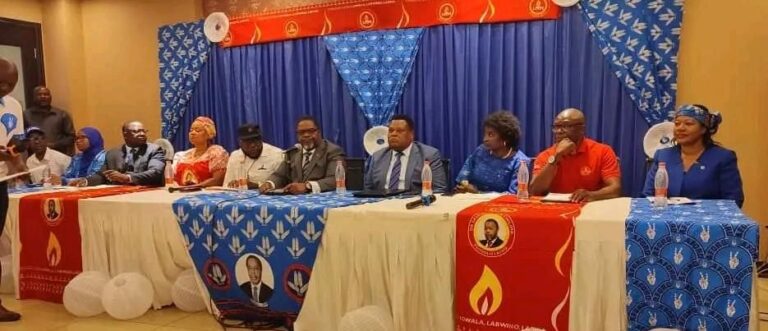
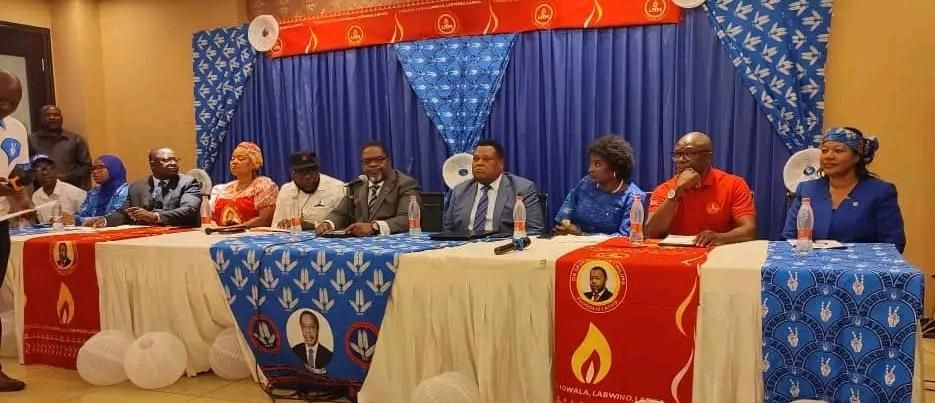
Opposition parties press conference

They also alleged that MEC Chief Executive Officer(CEO) Andrew Mpesi is affiliated to MCP and should also step dow.

The parties further described figures that National Registration Bureau(NRB) presented to have recorded in registration of Malawians as fake.

They also claimed that NRB and MEC are  cooking up figures and Malawians will not be fooled by their actions.

They demanded that NRB conducts registration of Malawians in all centres that MEC will be registering voters to ensure that all eligible voters are registered.

The parties warned that if MEC will not adress their demands,they will call for nationwide demonstrations.

DPP secretary general Peter Mukhito, DPP vice president for Eastern region Bright Msaka, DPP spokesperson Shadreck Namalomba, UTM secretary general Patricia Kaliati, AFORD vice president Timothy Mtambo and other senior officials from the three parties are those that attended the briefing.

Malawi will conduct tripartite elections on September 16,2025.