Saturday, April 4, 2026
No menu items!
spot_img
Home Blog Page 991

Analysis: President Chakwera’s call for peace and unity amid political divisions

By Burnett Munthali

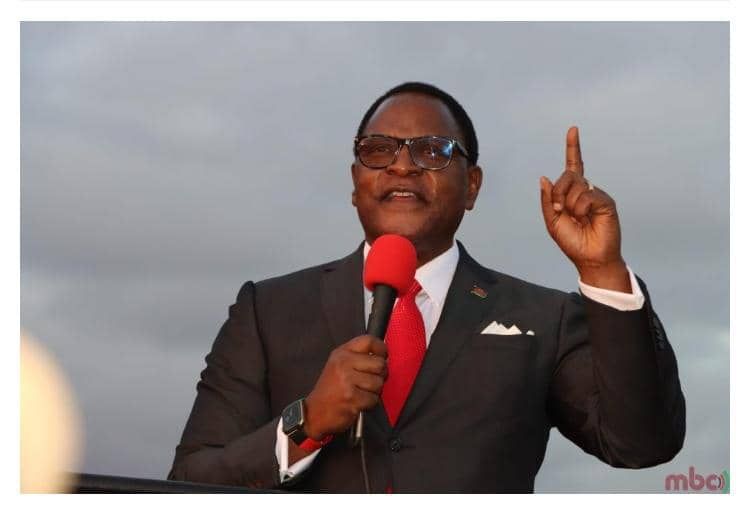
President Dr. Lazarus Chakwera’s recent call for peace and unity, made during a stopover at Area 18 in Lilongwe, comes at a pivotal moment in Malawi’s political landscape. His emphasis on national unity, freedom of association, and the need for hard work in development projects highlights his administration’s vision for a more cohesive and prosperous Malawi. However, the underlying political tensions that Dr. Chakwera seeks to address reveal deeper challenges that the country must confront.

Chakwera’s call for unity despite political differences is both timely and necessary. Malawi’s democracy, like many others, is characterized by robust political competition, which sometimes manifests in divisions that risk destabilizing the nation. By stressing the constitutional right to freedom of association, Dr. Chakwera is reaffirming the principles of democracy, where diverse political opinions and affiliations are not only allowed but protected.
Chakwera

In his speech, the president underlined that no Malawian should face harassment for exercising this right, indirectly addressing concerns of political violence and intimidation that have occasionally marred the country’s political discourse. The commitment to fostering peace, even among political adversaries, is a crucial step toward ensuring that Malawi’s democracy remains strong and inclusive.

President Chakwera’s remarks also reflect an acknowledgment of the balance needed between maintaining political power and ensuring democratic freedoms. As the leader of the Malawi Congress Party (MCP) and head of state, Chakwera must navigate the expectations of his supporters while upholding the democratic values of tolerance and respect for opposition voices. His appeal to all Malawians to focus on unity and development efforts is a reminder that political leadership should prioritize the well-being of the nation over partisan interests.

However, the real test of this call will be in how both the ruling party and opposition parties respond. Will Chakwera’s administration commit to non-partisan governance and ensure a political environment where dissent is respected? And will opposition parties reciprocate this call for unity by engaging in constructive criticism rather than inflammatory rhetoric?

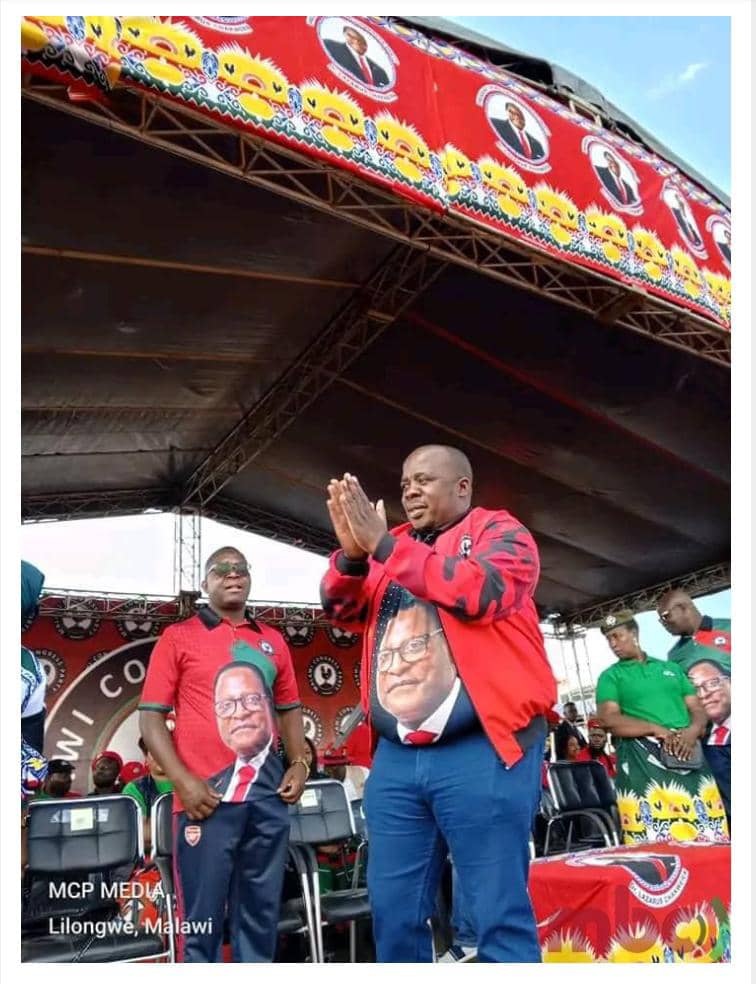
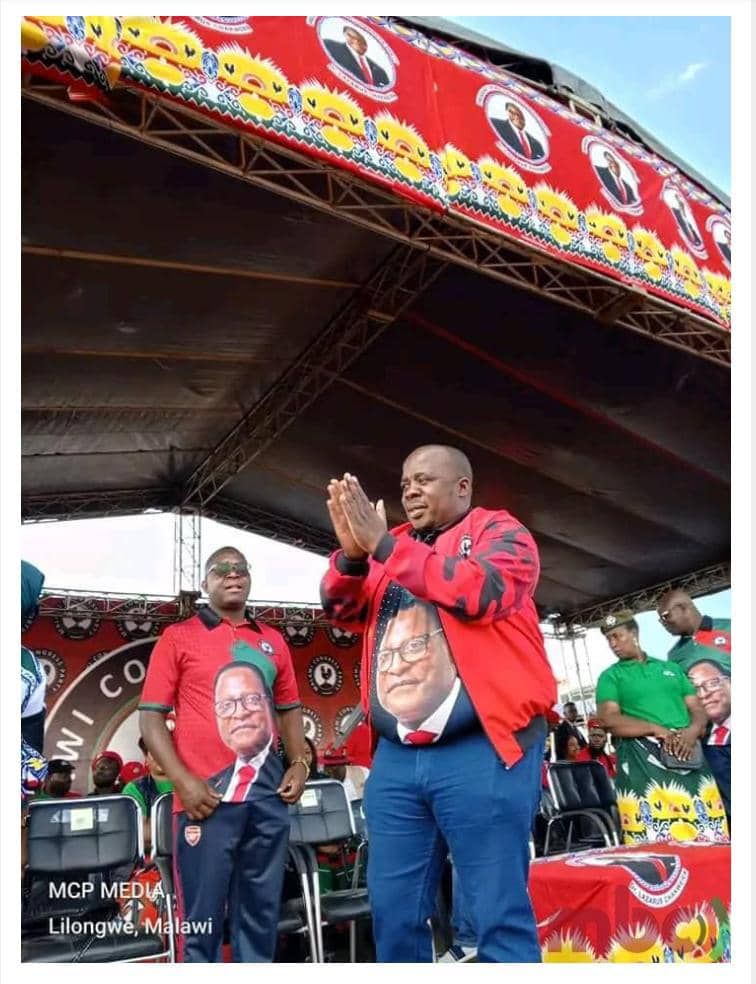
By linking unity to development, Dr. Chakwera is also reinforcing the idea that progress requires collective effort. His appeal to Malawians to keep working hard in various development endeavors suggests a recognition that economic and infrastructural advancement can only be achieved through national collaboration. The praise from MCP Secretary General Richard Chimwendo Banda for the government’s development projects, particularly the improvement of roads in Lilongwe, serves as a tangible example of what unity in purpose can achieve.

Nonetheless, these development gains must be seen across all regions and not be limited to urban centers. Ensuring that the fruits of these projects reach rural areas will be key in convincing Malawians that Chakwera’s call for unity is not just rhetoric but a genuine commitment to uplifting the entire nation.

One of the more critical aspects of Chimwendo Banda’s remarks was his condemnation of an opposition party for glorifying violence. This statement points to the underlying political fragility in the country, where divisions can easily spiral into confrontations. Political violence, even in its verbal or ideological form, can create an atmosphere of fear, making it difficult for people to exercise their democratic rights freely.

Chakwera’s administration, while promoting unity, must also ensure that political violence is met with a firm response, regardless of which party is responsible. It is not enough to call for peace—there must be concrete measures to ensure that those who incite or engage in violence face legal consequences. This will reassure Malawians that their government is serious about protecting their democratic freedoms and promoting social harmony.

In conclusion, President Chakwera’s call for unity and peace is a commendable stance in a country where political differences often lead to tension. His emphasis on respecting democratic freedoms, combined with a focus on hard work and development, offers a hopeful vision for Malawi’s future. However, the success of this call depends not only on the actions of the ruling party but also on how opposition parties and the broader public respond. The challenge ahead lies in translating this message into real, sustained political dialogue and tangible development outcomes that benefit all Malawians, regardless of political affiliation.

As the nation looks toward the next election cycle, Chakwera’s message could set the tone for a more peaceful and collaborative political environment, but it will require a collective commitment to turn words into action.
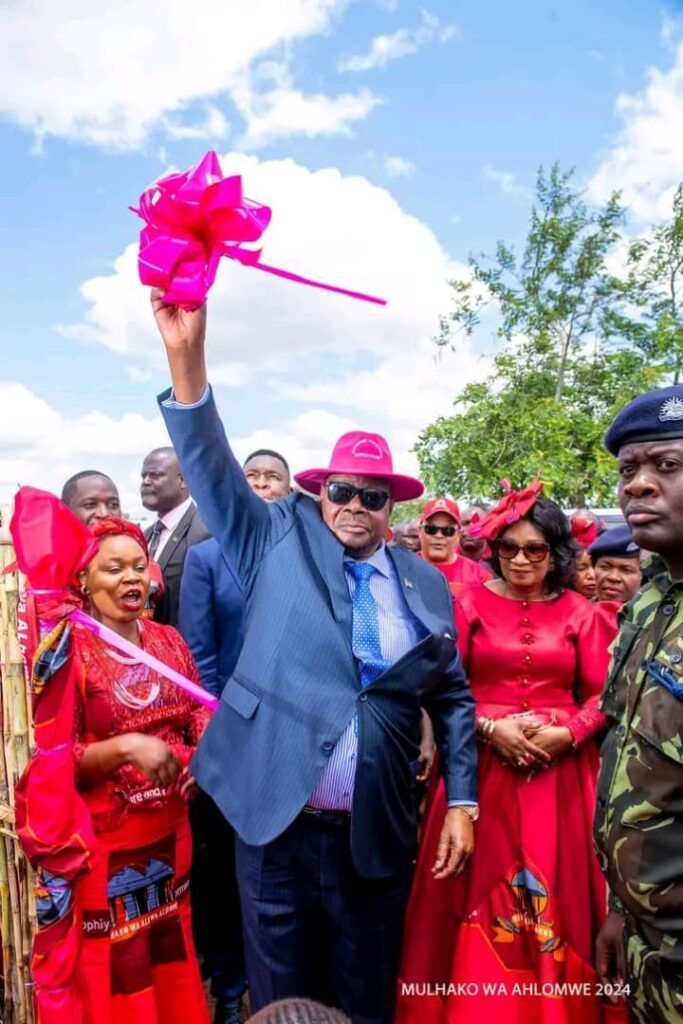
Former President Peter Mutharika urges Malawians to diversify their diets beyond nsima

0

By Burnett Munthali

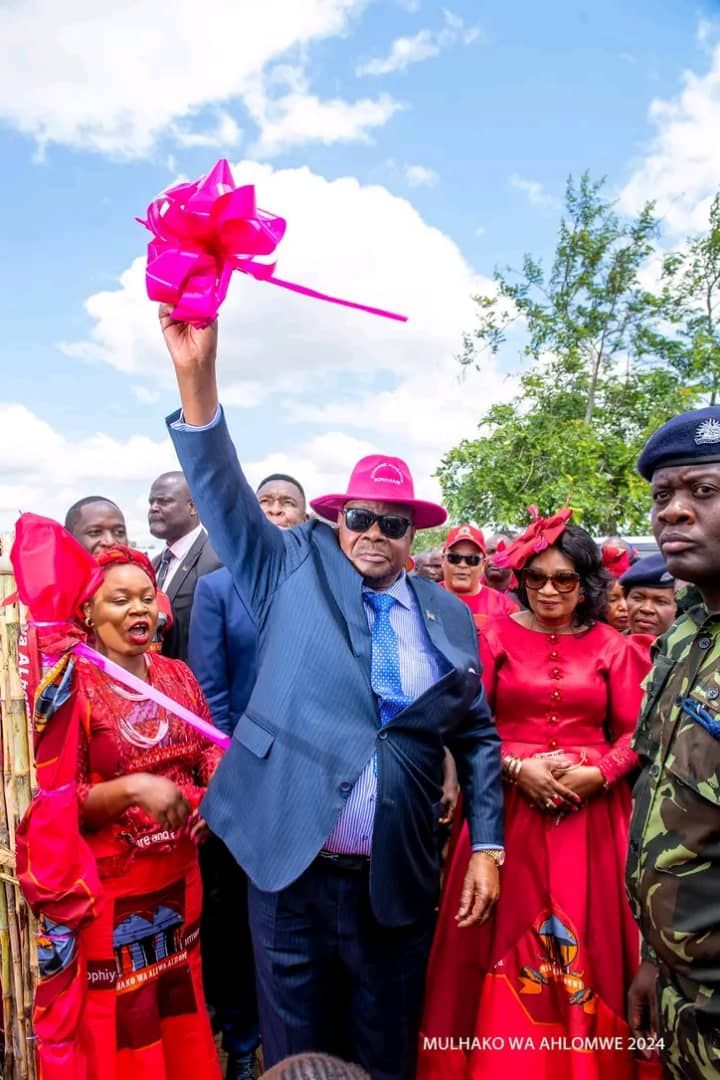
Former President of Malawi, Professor Peter Mutharika, has called on Malawians to diversify their diets by incorporating other crops into their meals, rather than relying solely on nsima (a dish made from maize flour), which is the country’s staple food.

Mutharika emphasized the importance of food variety, pointing out that over-reliance on nsima has contributed to malnutrition and limited access to essential nutrients in the population. He urged citizens to adopt other food crops such as sweet potatoes, millet, cassava, and beans as part of their daily meals, highlighting the nutritional benefits these crops offer.

Mutharika

“Let us not rely only on nsima as the primary source of food,” Mutharika stated. “There are many nutritious crops that can contribute to a balanced and healthier diet. We need to encourage the consumption of foods like cassava, millet, and sweet potatoes, which are also more resilient to the climate challenges we face.”

Mutharika’s appeal comes at a time when the country is grappling with food insecurity due to unpredictable weather patterns that have negatively impacted maize production. He stressed that diversifying crops would not only promote food security but also boost resilience against hunger.

In addition to addressing food diversification, Mutharika encouraged farmers to grow a wider range of crops for both food and economic purposes, urging the government and other stakeholders to support efforts that promote agricultural diversification.

His message aims to inspire a shift in mindset regarding food consumption and farming practices, helping communities become more sustainable and self-sufficient in the face of climate challenges and economic uncertainty.

Grezelder Jeffrey commends Dr. Chakwera for development efforts

0

By Burnett Munthali

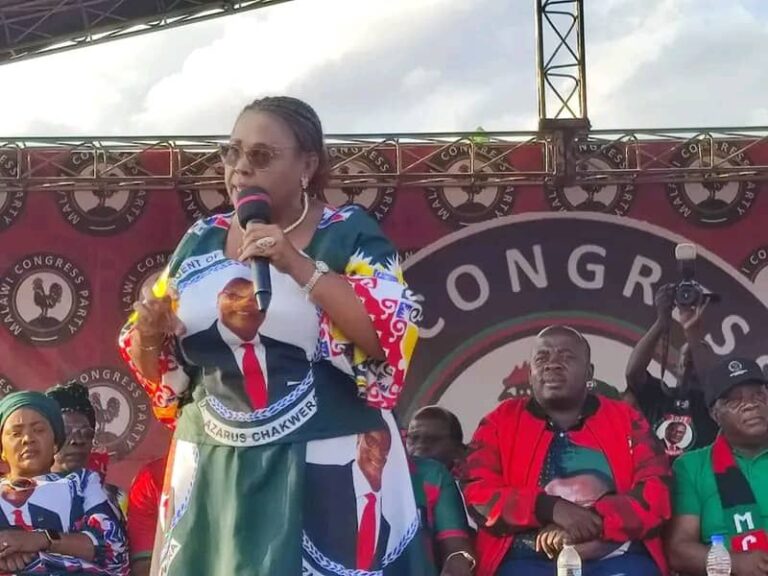
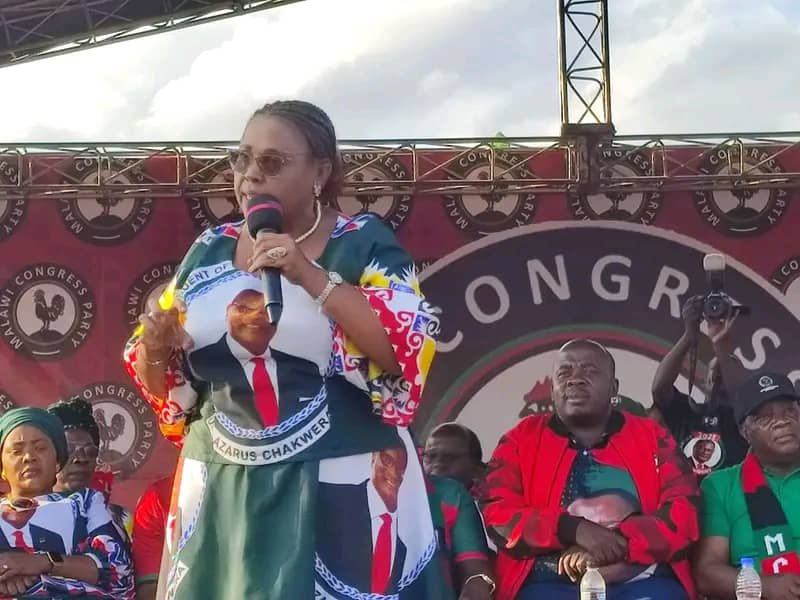
Grezelder Jeffrey, the former Secretary General of the Democratic Progressive Party (DPP) and now a member of the Malawi Congress Party (MCP), has praised the government of Dr. Lazarus Chakwera for its development initiatives, which she says are being implemented across all regions, including the city of Lilongwe.

Jeffrey noted that the current appearance of the capital city aligns with its status as the country’s administrative center, a significant improvement from how it looked in previous years. She emphasized that the visible changes in infrastructure and services in Lilongwe reflect the commitment of Chakwera’s government to enhancing urban development.

Grezelder Jeffrey


“Lilongwe is now a true capital city, thanks to the developmental work being carried out by this government,” Jeffrey remarked during her speech, acknowledging that the efforts are benefiting all Malawians.

Additionally, Jeffrey took a moment to comment on the former president, Dr. Bakili Muluzi, criticizing his refusal to compete for the leadership of the United Democratic Front (UDF) at the party’s recent convention. She stated that Muluzi’s decision to step aside and allow younger leaders to take charge is a sign that he has recognized the importance of youth leadership within the party.

Her remarks have sparked discussions about the role of older politicians and the future of leadership in Malawi’s political landscape.

Chimwendo Banda warns Malawians against failed political leaders

0

By Burnett Munthali

Richard Chimwendo Banda, Secretary General of the Malawi Congress Party (MCP), has urged Malawians not to heed the words of politicians who have previously failed to develop the country. He issued this warning during a political rally at Mgona in Lilongwe, where he emphasized that the current government’s achievements are clear and tangible.

Chimwendo Banda pointed out that, in the past, Malawians, particularly those from the northern region, were deceived by previous administrations with empty promises, such as the construction of an airport in Mzuzu and the establishment of Mombera University. These projects never materialized, leaving the region neglected.

Chimwendo


He further highlighted that the current leader, President Dr. Lazarus Chakwera, has shown true commitment to addressing critical issues in the country. According to Chimwendo Banda, Chakwera’s leadership is focused on essential developments, and it is crucial for Malawians to rally behind him for the nation’s progress.

“President Chakwera has demonstrated that he prioritizes the needs of the country, and we, as Malawians, should support him,” Chimwendo Banda remarked, emphasizing the importance of backing the current government for the nation’s advancement.

DPP’s Paul Gadama awarded for selfless contributions to Lhomwe people

0

By Twink Jones Gadama


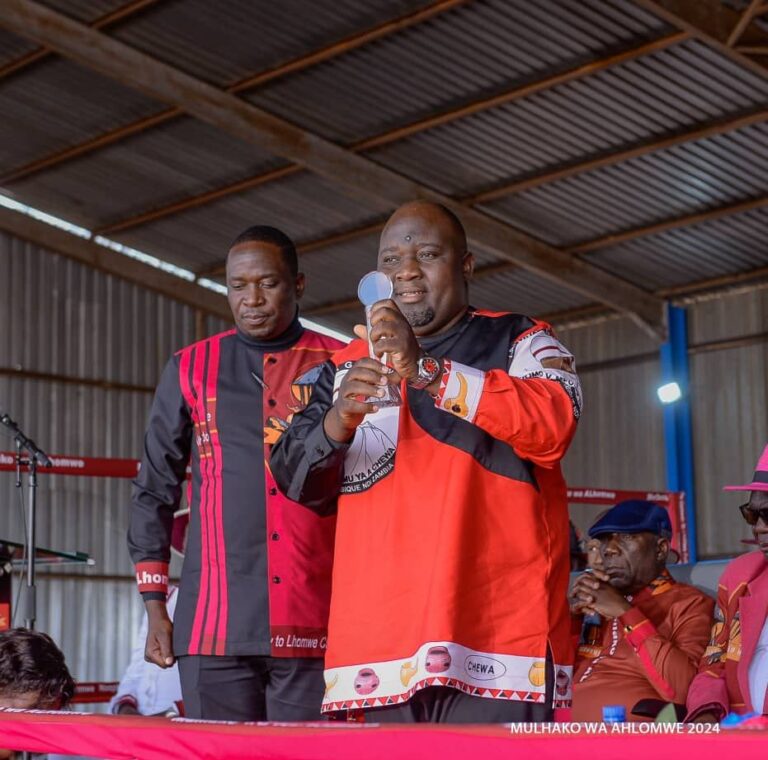
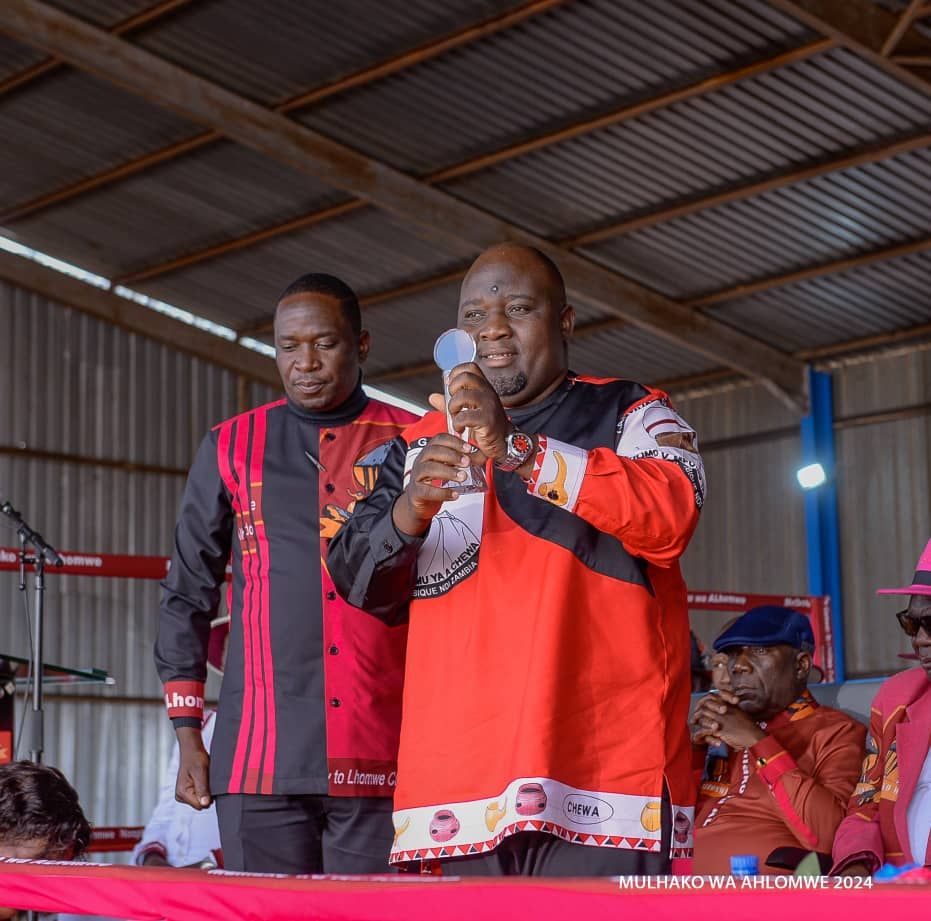
Yesterday, October 6th, 2024, marked a significant milestone for the Lhomwe people in Malawi as they celebrated their cultural heritage, Mlankho Wa Alhomwe.

This year’s celebration was particularly notable, as it recognized individuals who have consistently supported the event over the years.

One such individual is Hon. Dr. Paul Gadama, Senior Presidential Advisor to the Democratic Progressive Party (DPP) Presidential candidate, His Excellency Professor Mutharika.

Hon. Dr. Gadama’s contributions to the Lhomwe grouping are truly remarkable, especially considering he is not ethnically Lhomwe himself.

His selfless actions demonstrate his commitment to unity and inclusivity.

Paul Gadama

Over the years, he has made significant donations to the community, including:

– *2021:* 5 cows and 5 million kwacha
– *2022:* 5 cows and 10 bags of rice
– *2023:* 4 cows, 10 bags, and 2 million kwacha
– *2024:* 4 cows and 1 million kwacha

In recognition of his unwavering support, the grouping, under the patronage of His Excellency Professor Arthur Peter Mutharika, has awarded Hon. Dr. Gadama a medal of recognition.

What makes this achievement even more poignant is Hon. Dr. Gadama’s family history.

His father, the late Hon. Aaron Gadama, was a prominent Central Region politician who was tragically murdered by the MCP government in 1983 .

Aaron Gadama was a cabinet minister and one of the ‘Mwanza Four.

His death was reported as a ‘traffic accident’ by the Banda government, but it was later revealed that he was killed along with three other ministers and a member of parliament.

Today, Hon. Dr. Gadama carries on his father’s legacy, bridging cultural divides and fostering unity.

His dedication to the Lhomwe people and Malawi as a whole is truly inspiring.

“Hon. Dr. Gadama’s contributions to the Lhomwe people are a testament to his commitment to unity and inclusivity,” said Professor Mutharika.

“We are grateful for his selfless support and honored to recognize him with this medal,”He added.

As Malawi continues to strive for unity and development, individuals like Hon. Dr. Paul Gadama serve as shining examples of the power of selfless service and commitment to community.