The First Grade Magistrate Court in Mchinji has acquitted Chikondi Makumbi, a bakery salesman, who was charged with theft by a servant after being accused of stealing K1 million from his employer, Capital Bakery.
Makumbi was arrested in April 2024 following the allegation that he had misappropriated the money.
After his arrest, his mother sought assistance from the Legal Aid Bureau(LAB), leading to his defense being taken up by Senior LAB Advocate Gift Somba and LAB Officer Glory Namisengo.
The case stemmed from an incident at the bakery in December 2023 when a K1 million shortfall was discovered.
Makumbi had been working with a colleague who had been previously caught stealing bread.
The two were confronted by management and asked to reimburse the missing money, which they did by securing a loan from a loan shark.
However, by early 2024, Makumbi stopped receiving his salary, making it impossible for him to repay the loan.
In response, the loan shark allegedly went to the bakery and took K1 million by force, which led to Makumbi’s arrest.
In court, Makumbi denied the charge, and the State presented three witnesses to support their case.
Despite this, inconsistencies in the evidence, particularly discrepancies in stock-taking figures, raised doubts about the case.
It was also revealed that Makumbi was not the only person with access to the bakery’s funds.
The court agreed with the defense’s observations, concluding that the prosecution had not proven the case beyond reasonable doubt.
As a result, Makumbi was acquitted and set free.
Makumbi, alongside his legal counsel, expressed relief following the court’s decision.
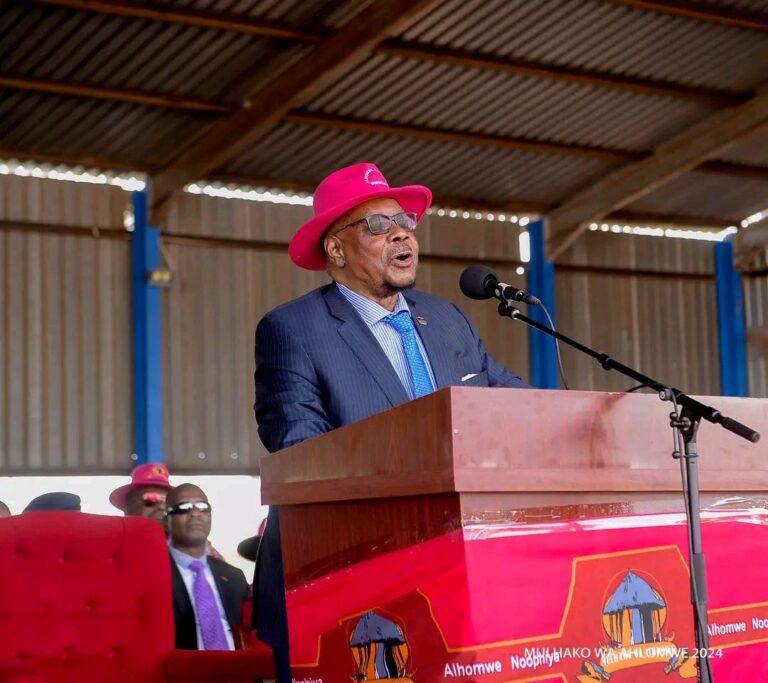
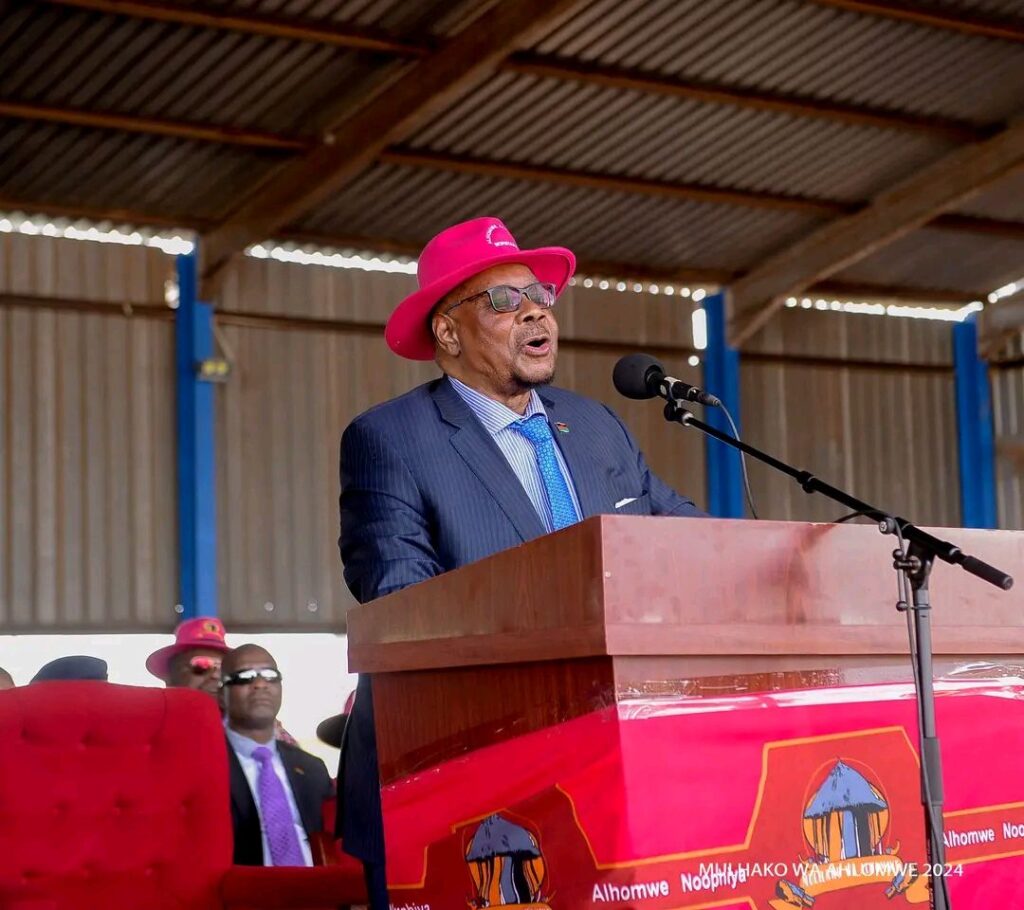
Former President and Democratic Progressive Party (DPP) leader Peter Mutharika has urged people in the country to register and vote in the upcoming general elections, stressing that every vote matters in shaping the country’s future.
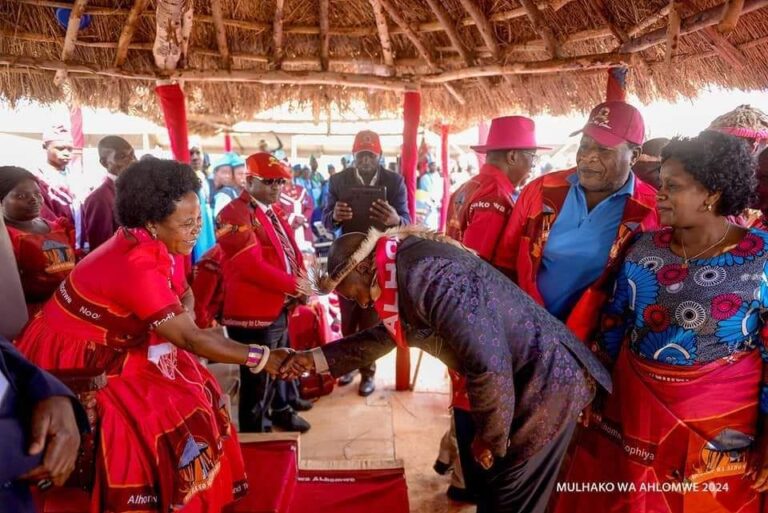
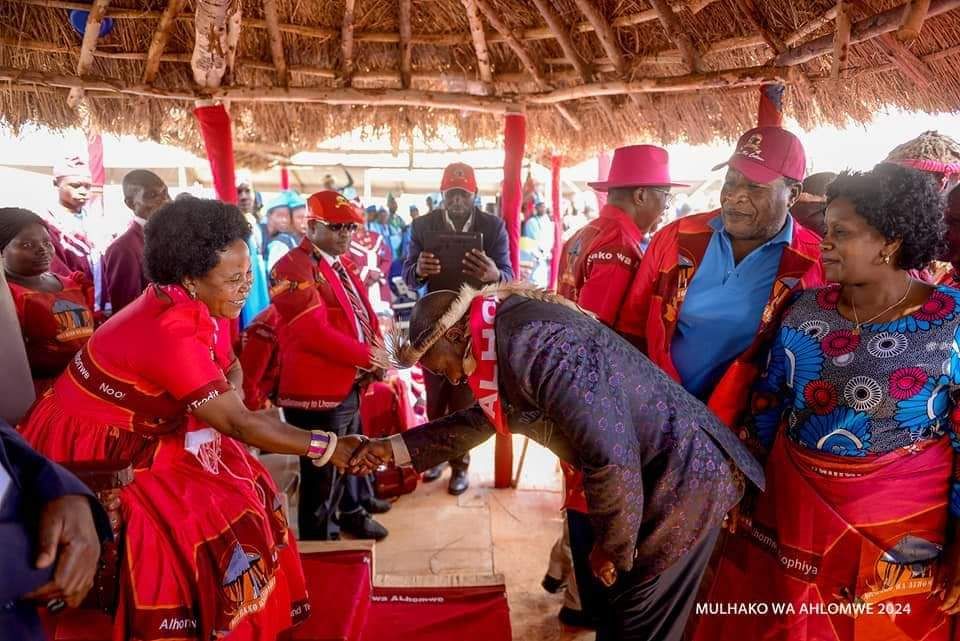
Mutharika said this on Sunday at Mulhako wa Alhomwe cultural festival currently at Chonde in Mulanje.
Mutharika took advantage of the event to address some social issues prevalent in the country calling for civic responsibility, social harmony, and protection of vulnerable groups in the country.
Mutharika
He condemned self-harm and suicide, stressing on the value of life and urging those struggling to seek help.
Additionally, he advocated for intergenerational respect, specifically reminding the youth that aging is a natural process and not a sign of witchcraft.
Furthermore, the DPP leader spoke out against child labour and human trafficking.
He also emphasised the importance of education and protecting children’s rights, while urging communities to report suspicious activities and protect vulnerable individuals from exploitation.
Mutharika was booted out of Government in the 2020 Fresh Presidential election.
He got 39.4% of the vote against President Lazarus Chakwera’s 58.6%.
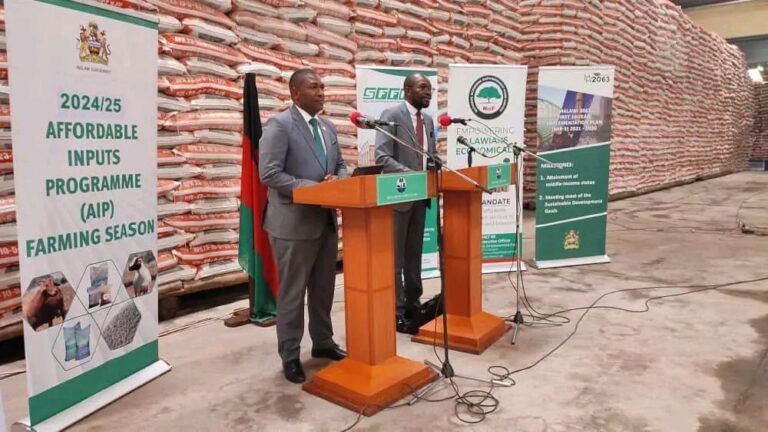
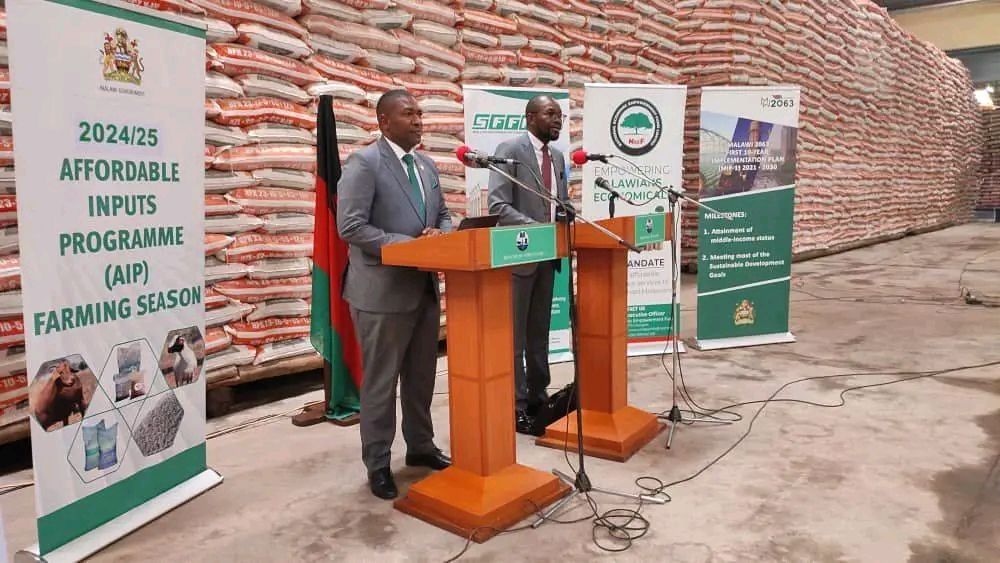
Minister of Agriculture Sam Kawale has announced that the government is expected to distribute 104,845 metric tonnes of fertilizer under the Affordable Inputs Programme (AIP) this year.
Speaking at a press briefing on Monday in Lilongwe, Kawale said the government has engaged 19 companies to supply fertilizer under the programme.
Kawale and Kunkuyu
He said the government is not buying directly from manufacturers because there are issues of advance payments and forex that need to be looked into when buying direct from manufacturers.
Kawale said to avoid delays in implementation of the programme, the government decided to buy from companies that have fertilizer in the country.
He indicated that the companies that have been engaged will be paid in kwacha.
The minister indicated that about one million people are expected to benefit from the AIP this year.
He said the government has maintained last year’s fertilizer price which is K15,000 per 50 kilogram bag.
Kawale added that on every seed that the farmer chooses, the government will be paying K4,500 and the farmer will be topping up the remaining amount.
The AIP is significant to farmers across the country since it provides farmers with opportunities to affordable farm inputs such as, fertilizer, seed, livestocks among others
On Sunday morning 6th October 2024, a unique cultural exchange took place as the custodians and gatekeepers of the Lhomwe tribe welcomed their Patron, His Excellency President Prof. Arthur Peter Mutharika, at the Lhomwe cultural house. The gathering was a significant opportunity for the leaders of the Lhomwe community to share the rich traditions and values embodied in their cultural heritage.
During the visit, the gatekeepers provided a detailed explanation of the interior setup of a traditional Lhomwe house, drawing attention to two key areas: the bedroom, known as “Pasubi,” and the living room, referred to as “pa balaza.” These spaces are designed with purpose and reflect the cultural values of the Lhomwe people.
The distinction between “Pasubi” and “pa balaza” underscores the importance of privacy within the family structure. The custodians emphasized that having separate houses for parents and children is not just a matter of physical space but also a matter of respect and dignity. This arrangement fosters a nurturing environment where family members can thrive, each in their respective roles.
President Mutharika listened intently, appreciating the insights shared by the gatekeepers. His presence at the cultural house highlights the importance of preserving traditional values while also promoting dialogue and understanding between generations.
Such interactions are vital for cultural continuity, allowing younger members of the community to learn from the wisdom of their elders. The President’s engagement with the Lhomwe tribe reflects a commitment to honoring Malawi’s diverse cultural heritage while fostering unity among its various ethnic groups.
As the conversation continued, it became clear that these traditions are not merely relics of the past but living practices that shape the identity of the Lhomwe community today. The insights shared during this gathering serve as a reminder of the importance of culture in forging a cohesive society that values respect, privacy, and family.
In conclusion, the morning spent with the Lhomwe custodians and gatekeepers was a celebration of cultural pride, knowledge sharing, and mutual respect, showcasing the deep roots of tradition within Malawi’s vibrant tapestry of cultures.
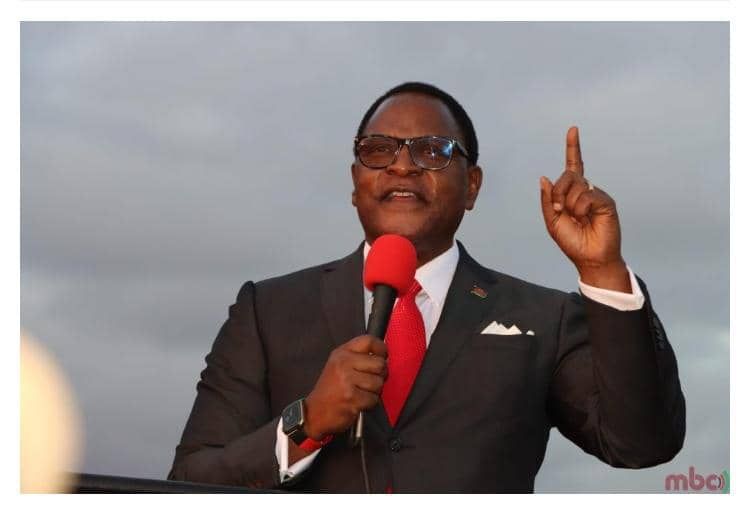
President Dr. Lazarus Chakwera’s recent call for peace and unity, made during a stopover at Area 18 in Lilongwe, comes at a pivotal moment in Malawi’s political landscape. His emphasis on national unity, freedom of association, and the need for hard work in development projects highlights his administration’s vision for a more cohesive and prosperous Malawi. However, the underlying political tensions that Dr. Chakwera seeks to address reveal deeper challenges that the country must confront.
Chakwera’s call for unity despite political differences is both timely and necessary. Malawi’s democracy, like many others, is characterized by robust political competition, which sometimes manifests in divisions that risk destabilizing the nation. By stressing the constitutional right to freedom of association, Dr. Chakwera is reaffirming the principles of democracy, where diverse political opinions and affiliations are not only allowed but protected.
Chakwera
In his speech, the president underlined that no Malawian should face harassment for exercising this right, indirectly addressing concerns of political violence and intimidation that have occasionally marred the country’s political discourse. The commitment to fostering peace, even among political adversaries, is a crucial step toward ensuring that Malawi’s democracy remains strong and inclusive.
President Chakwera’s remarks also reflect an acknowledgment of the balance needed between maintaining political power and ensuring democratic freedoms. As the leader of the Malawi Congress Party (MCP) and head of state, Chakwera must navigate the expectations of his supporters while upholding the democratic values of tolerance and respect for opposition voices. His appeal to all Malawians to focus on unity and development efforts is a reminder that political leadership should prioritize the well-being of the nation over partisan interests.
However, the real test of this call will be in how both the ruling party and opposition parties respond. Will Chakwera’s administration commit to non-partisan governance and ensure a political environment where dissent is respected? And will opposition parties reciprocate this call for unity by engaging in constructive criticism rather than inflammatory rhetoric?
By linking unity to development, Dr. Chakwera is also reinforcing the idea that progress requires collective effort. His appeal to Malawians to keep working hard in various development endeavors suggests a recognition that economic and infrastructural advancement can only be achieved through national collaboration. The praise from MCP Secretary General Richard Chimwendo Banda for the government’s development projects, particularly the improvement of roads in Lilongwe, serves as a tangible example of what unity in purpose can achieve.
Nonetheless, these development gains must be seen across all regions and not be limited to urban centers. Ensuring that the fruits of these projects reach rural areas will be key in convincing Malawians that Chakwera’s call for unity is not just rhetoric but a genuine commitment to uplifting the entire nation.
One of the more critical aspects of Chimwendo Banda’s remarks was his condemnation of an opposition party for glorifying violence. This statement points to the underlying political fragility in the country, where divisions can easily spiral into confrontations. Political violence, even in its verbal or ideological form, can create an atmosphere of fear, making it difficult for people to exercise their democratic rights freely.
Chakwera’s administration, while promoting unity, must also ensure that political violence is met with a firm response, regardless of which party is responsible. It is not enough to call for peace—there must be concrete measures to ensure that those who incite or engage in violence face legal consequences. This will reassure Malawians that their government is serious about protecting their democratic freedoms and promoting social harmony.
In conclusion, President Chakwera’s call for unity and peace is a commendable stance in a country where political differences often lead to tension. His emphasis on respecting democratic freedoms, combined with a focus on hard work and development, offers a hopeful vision for Malawi’s future. However, the success of this call depends not only on the actions of the ruling party but also on how opposition parties and the broader public respond. The challenge ahead lies in translating this message into real, sustained political dialogue and tangible development outcomes that benefit all Malawians, regardless of political affiliation.
As the nation looks toward the next election cycle, Chakwera’s message could set the tone for a more peaceful and collaborative political environment, but it will require a collective commitment to turn words into action.