By Durell Namasani
Education does not only happen in classrooms. It happens wherever people are supported to learn by doing, where knowledge is tested against reality, mistakes become lessons, and confidence grows through contribution. On this International Day of Education, a powerful example of this truth is taking root across South Africa, where farms are being transformed into vibrant learning spaces through the Social Employment Fund. In a country where youth unemployment persistently cripples potential, these fields are sowing something new: hope, skill, and dignity.
Through Solidaridad’s SEF project, more than 1,700 unemployed young people are engaged in work-based learning across agricultural value chains. On active farms and food gardens, participants gain hands-on experience in everything from soil preparation to enterprise development, guided by experienced farmers and technical staff. This model directly confronts a brutal reality. “Most SEF participants are unemployed youth who have been locked out of both education and work,” says Sade Balogun, Programme Manager at Solidaridad. “Learning on farms connects knowledge with purpose. They don’t just acquire technical farming skills. They learn communication, teamwork, planning, and responsibility. This learning is tied directly to real production and real outcomes, which is what makes it transformative.”

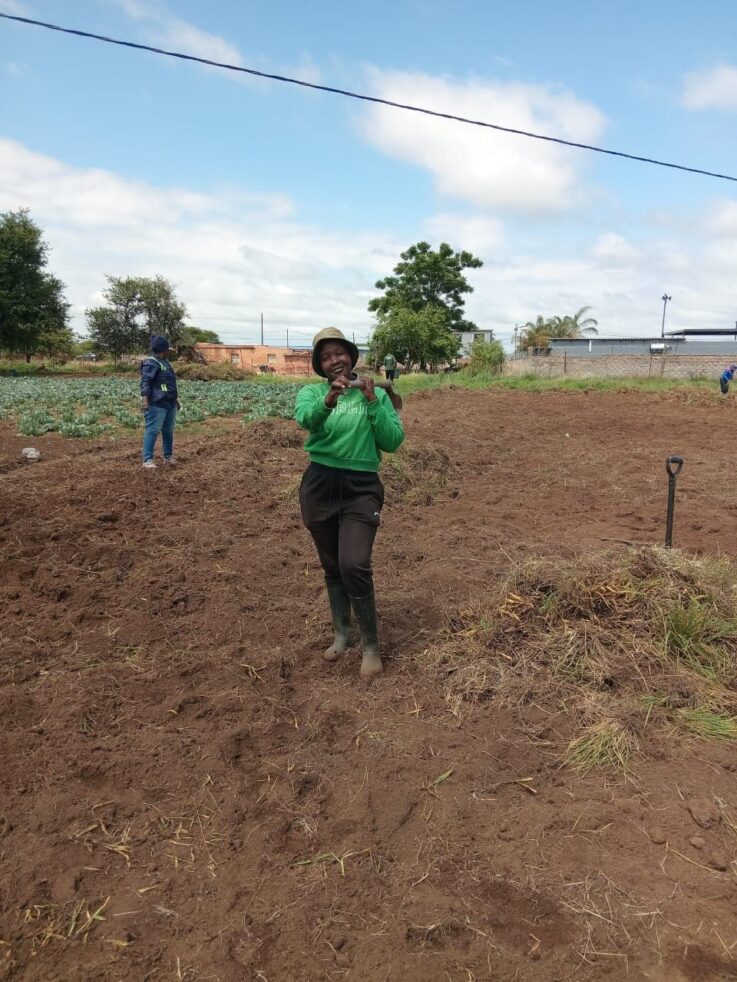
The transformative journey is embodied by people like Tonic Moshobane. Her path was marked by severe setbacks, including theft that left her to farm a hectare alone, on her hands and knees. The continuous support and mentorship from Solidaridad through SEF became her anchor. “I cried out to Solidaridad, and instead of being left alone, I was encouraged,” she recalls. That support led her to win a local farming competition, register her own farm, and now, as a certified farmer, she hosts 10 SEF participants on her land, planting thousands of seedlings and facilitating learning for others. “The real change came from skills transfer, mentorship, and continued support. Even after I graduated, SEF did not leave me,” Moshobane states.
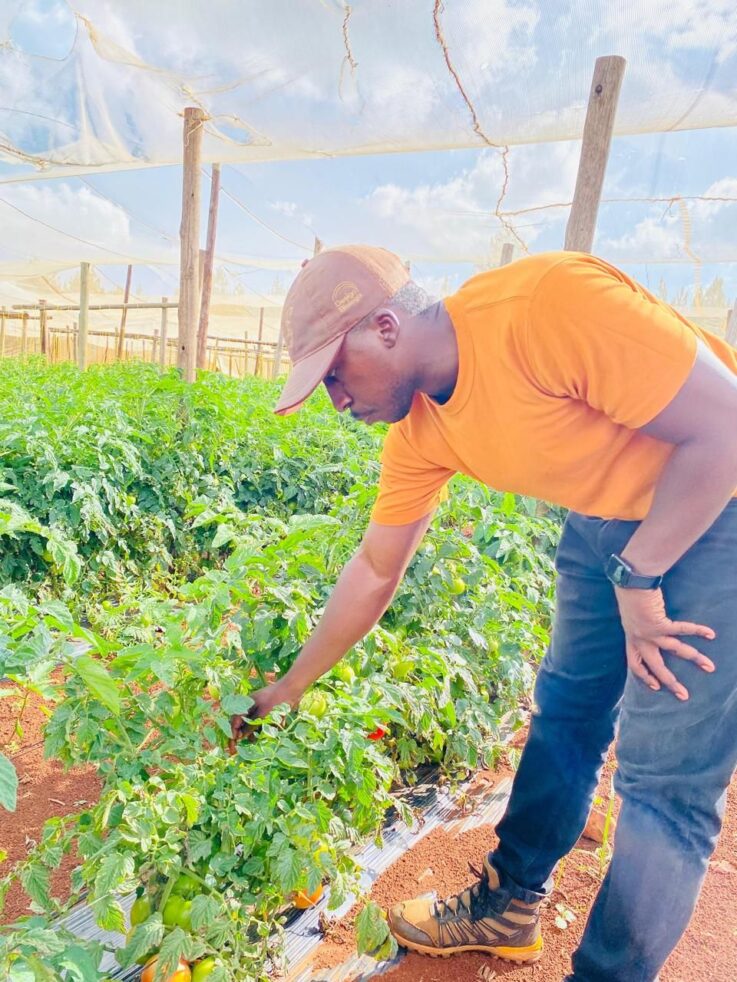
For others, like Lethlogonolo Mnguni, a postgraduate in Crop Science, SEF provided the practical bridge between theory and viable enterprise. He now farms at scale on leased land, supplying major retailers. “SEF taught me to be detailed,” he explains. “The stipend was never my main motivation. I joined SEF to gain skills, mentorship, and the discipline required to succeed.” His mentor from Solidaridad, Dumisani Ngonyama, continues to provide weekend guidance, a testament to the programme’s enduring commitment.
It is this ongoing partnership that fuels systemic change. “It’s not enough to teach people how to grow crops,” says Ngonyama. “We help SEF participants work together, pool produce, and access markets. This is how social employment strengthens food systems, not just individuals.” The social value multiplies as participants contribute food to households and schools, farmers become mentors, and youth move from exclusion to active participation.
On this International Day of Education, the message from these South African fields is clear. True education can flourish anywhere there is a chance to contribute, to persevere, and to grow. It is found in the resilience of a farmer like Tonic, the precision of an entrepreneur like Lethlogonolo, and the quiet dedication of mentors standing in the soil. Sometimes, the most powerful lessons are not written on boards, but are nurtured in the earth, cultivated through work, and harvested in the form of renewed purpose and community strength.