


By Rahim Abdul
Burkina Faso’s transitional leader, Captain Ibrahim Traore, has stirred fresh debate across Africa after declaring that democracy is harmful and should no longer be pursued by his country. Speaking in a televised address, Traore argued that the system has failed to deliver meaningful progress for African nations.
Traore, who seized power in a military takeover three years ago, said it was time for African countries to abandon democratic governance models and instead explore alternative systems better suited to their realities. His remarks signal a sharp departure from globally accepted political norms.
In his address, the Burkinabe leader emphasized that democracy, as practiced in many parts of Africa, has often led to instability rather than development. He suggested that the continent must rethink its political direction if it is to achieve lasting peace and economic growth.
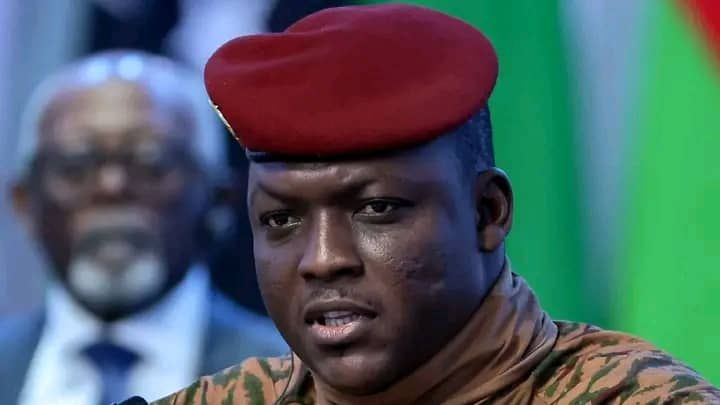
He further revealed that his administration has dissolved all political parties in Burkina Faso, arguing that they promote division among citizens. According to Traore, national unity should take precedence over political competition.
The leader’s comments have sparked mixed reactions, with some observers expressing concern over the implications for governance, human rights and political freedoms. Others, however, view his stance as a bold attempt to challenge systems they believe have not worked effectively in Africa.
Traoré cited Libya as a key example to support his position, claiming that foreign influence and the imposition of democracy contributed to the country’s collapse. He argued that external powers misled Libyans into believing that democracy would improve their situation.
Reflecting on Libya under the late Colonel Muammar Gaddafi, Traore noted that citizens reportedly benefited from affordable housing, free education and accessible healthcare. He used this to highlight what he sees as the advantages of alternative governance systems.
However, he pointed out that Gaddafi was eventually overthrown and killed following protests and foreign intervention. Since then, Libya has struggled to achieve stability, with rival administrations and armed groups competing for control.
Traore stressed that the ongoing crisis in Libya demonstrates the dangers of abandoning traditional systems in favor of externally influenced democratic models. He maintained that African countries should prioritize sovereignty and self determined governance.
As debate intensifies, Traores remarks are likely to fuel broader discussions about the future of democracy in Africa and whether new governance frameworks can better address the continent’s unique challenges.