By Burnett Munthali
About 2,550 vulnerable and food-insecure households in Mulanje are set to benefit from a lean season emergency response project by Churches Action in Relief and Development (CARD), bringing much-needed relief to families struggling to make ends meet.
Presenting the initiative to the District Executive Committee, CARD Project Officer, Alinafe Mbiri, said each household will receive K90,000 per month for two months to help meet immediate food needs, a timely intervention considering the prevailing economic conditions.
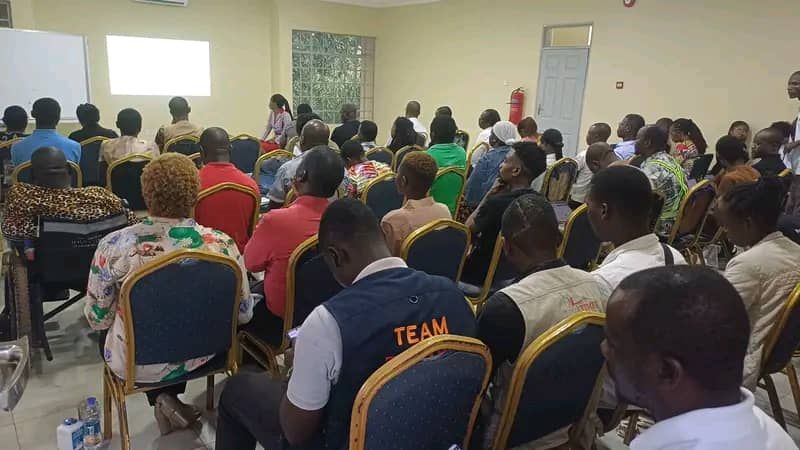
Mbiri said the project aims to complement government and other stakeholders’ efforts in assisting families affected by acute food insecurity due to poor rainfall, prolonged dry spells, and other climatic and economic shocks in Traditional Authorities Juma and Tombondiya, highlighting the importance of collaboration in addressing food security challenges.
The K553 million project is funded by the Canadian Foodgrains Bank through Presbyterian World Service and Development, demonstrating the organization’s commitment to supporting vulnerable communities in Malawi.
The initiative is expected to have a positive impact on the lives of the targeted households, enabling them to access food and meet their basic needs during this challenging period, and is a testament to the power of partnership in driving meaningful change.
By providing cash transfers, CARD aims to not only address immediate food needs but also support the local economy, contributing to the overall well-being of the community.
The project underscores the importance of humanitarian assistance in responding to the needs of vulnerable populations, and highlights the critical role that organizations like CARD play in supporting communities affected by crises.
Mulanje District is one of the areas hardest hit by food insecurity, and this initiative is expected to provide much-needed relief to families struggling to cope with the impacts of climate change and economic shocks.
The success of this project will depend on effective implementation and coordination with local stakeholders, and CARD’s commitment to transparency and accountability will be crucial in ensuring that the assistance reaches those who need it most.