By Burnett Munthali
Reports indicate that the country has recorded an increase in child stunting growth cases, a concerning trend for the nation’s health and development.
This alarming trend is a wake-up call for policymakers, healthcare professionals, and communities to take immediate action to address the scourge of malnutrition.
The implications of child stunting are far-reaching, with affected children likely to face lifelong challenges, including poor health, reduced cognitive abilities, and limited economic opportunities.
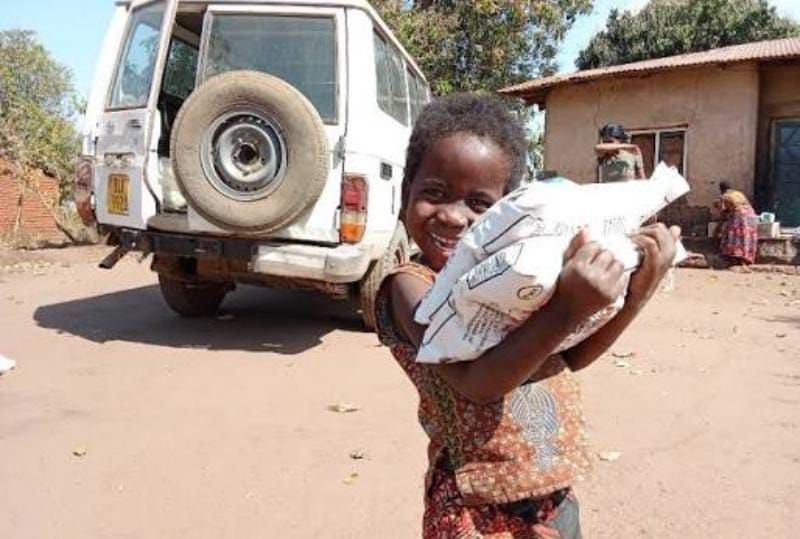
Stunting is a manifestation of chronic malnutrition, which can be caused by inadequate nutrition, poor healthcare, and unhealthy environments.
Urgent action is needed to address malnutrition and support affected children.
This includes implementing effective nutrition programs, improving access to healthcare, and promoting healthy practices, such as exclusive breastfeeding and proper hygiene.
The increase in child stunting cases is a stark reminder of the country’s slow progress in achieving its development goals.
Malawi has committed to reducing stunting rates to 17% by 2030, but current trends suggest that the country is off track to meet this target.
The situation demands a coordinated response from government agencies, NGOs, and communities to tackle the root causes of malnutrition.
This includes investing in nutrition-sensitive interventions, such as agriculture, water, and sanitation programs, and strengthening healthcare systems to provide essential services.
Child stunting is a preventable problem, and it’s imperative that we act now to protect the health and future of our children.
The nation must come together to address this crisis and ensure that every child has the opportunity to thrive.