


By Burnett Munthali
Iran’s UN ambassador has sought to play down suggestions that Tehran could close the Strait of Hormuz, saying the country remains committed to freedom of navigation through the vital waterway. The statement comes after Iran’s Supreme Leader, Mojtaba Khamenei, hinted that the Strait could be used to pressure Iran’s enemies.
Ambassador Majid Takht-Ravanchi emphasized that Iran would not take such a step, which would have severe consequences for global oil supplies and the world economy. The Strait of Hormuz is a critical chokepoint for global oil trade, with around a fifth of the world’s oil passing through it.
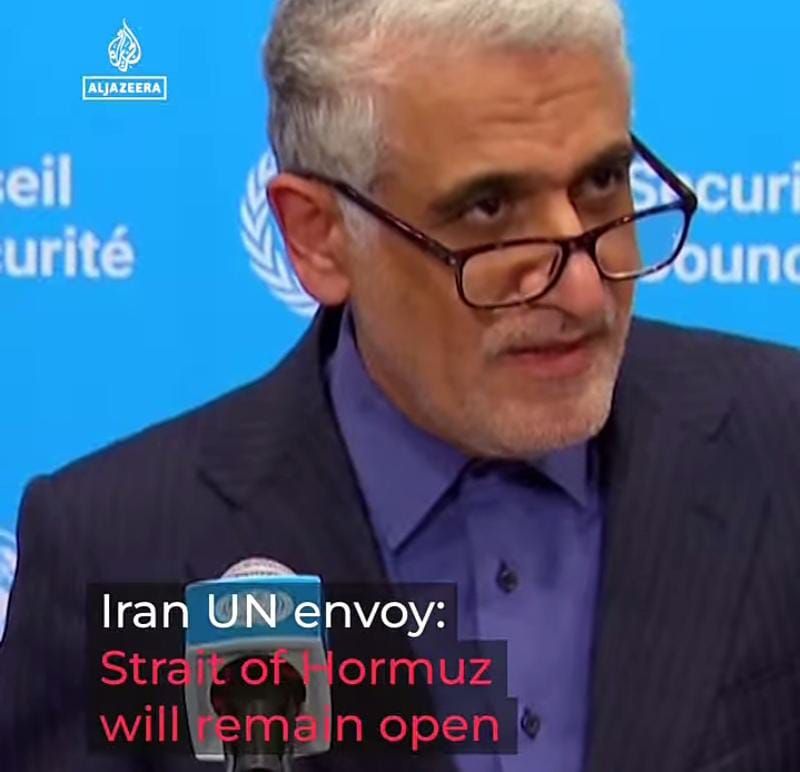
The ambassador’s comments suggest that Iran is seeking to reassure the international community that it is not intent on disrupting global oil supplies, despite the escalating tensions with the United States and its allies. However, the statement also leaves room for interpretation, and it remains unclear what Iran’s actual intentions are.
The Strait of Hormuz has been at the center of tensions between Iran and the West for decades, with Tehran often threatening to close the waterway in response to perceived threats or provocations. The latest comments from Iran’s Supreme Leader have raised concerns that the country could take drastic action to counter the pressure from the US and its allies.
The US and its allies have been ramping up pressure on Iran over its nuclear program, and have imposed severe economic sanctions on the country. Iran has responded by threatening to take action to protect its interests, including potentially closing the Strait of Hormuz.
The international community is watching the situation closely, with many countries urging calm and restraint. The EU has called for de-escalation, while the US has warned that it will take action to protect its interests in the region.
The situation remains highly volatile, and it is unclear what the next move will be. What is certain, however, is that the Strait of Hormuz is a critical flashpoint, and any disruption to oil supplies could have severe consequences for the global economy.