


By Jones Gadama
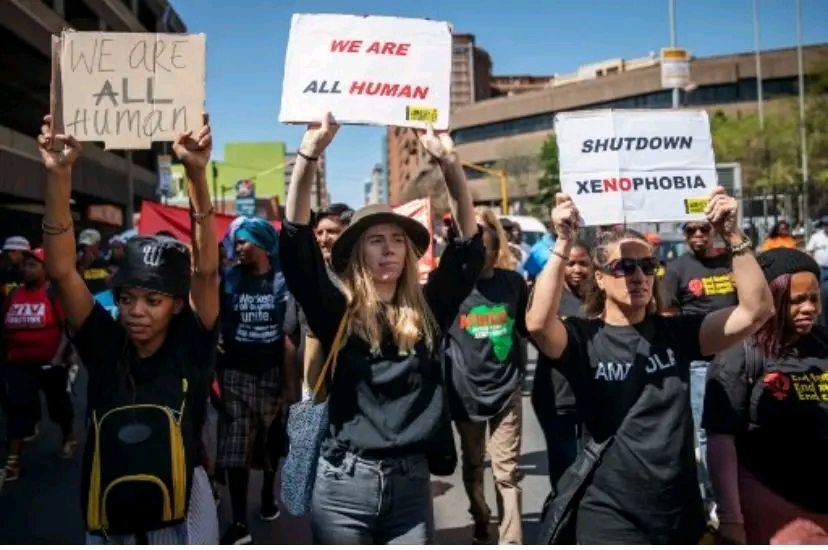
Government says it is closely monitoring the situation in South Africa following intensified reports of xenophobic attacks targeting foreign nationals.
The attacks, linked to growing anti-foreigner sentiment in parts of the country, have left a trail of destruction, with several victims losing property, being displaced from their homes, and in some cases losing their lives.
Ministry of Foreign Affairs Spokesperson Charles Nkhalamba told reporters on Tuesday that Lilongwe is keeping a close watch on developments.
He said while the authorities have not yet received any formal complaints or distress calls from Malawians living in South Africa regarding the latest wave of attacks, precautionary measures have been put in place.
According to Nkhalamba, the ministry has instructed the Malawian Embassy in Pretoria and the consulate in Johannesburg to remain on high alert and to provide immediate assistance to any Malawian national who may be affected.
“Our embassy has been directed to monitor the situation on the ground and to open lines for any Malawian who needs help. We are also in touch with diaspora associations to ensure we get timely information,” Nkhalamba said.
He added that government is urging Malawians in South Africa to exercise caution, avoid areas where tensions are high, and report any incidents to the nearest diplomatic mission or local authorities.
South Africa has over the years witnessed sporadic outbreaks of xenophobic violence, often fueled by perceptions that foreign nationals are taking jobs and business opportunities from locals.
The latest incidents have sparked fresh anxiety among migrant communities, including Malawians, Zimbabweans, Mozambicans, and Nigerians, many of whom run small businesses or work in the informal sector.
Videos circulating on social media show shops being looted and set ablaze, with some foreign nationals fleeing their homes in fear of further attacks.
Human rights groups in South Africa have condemned the violence and called on President Cyril Ramaphosa’s administration to act decisively. They argue that repeated attacks undermine South Africa’s constitutional commitment to human dignity and regional solidarity.
The South African Police Service has confirmed that arrests have been made in some areas, but community leaders say more needs to be done to protect vulnerable groups and prosecute perpetrators.
Back home, the opposition United Democratic Front has expressed deep concern over the reports. UDF president Atupele Muluzi, speaking through the party’s spokesperson Genarino Lemani, said the violence is regrettable and called for urgent action from both Malawi and South Africa.
Lemani appealed directly to South African authorities to immediately end the attacks and guarantee the safety of all foreign nationals living and working in the country.
“We cannot watch our brothers and sisters being attacked and displaced. We call on the South African government to uphold the rule of law and protect every person within its borders, regardless of nationality,” Lemani said.
He further urged the Malawi government to engage its South African counterpart through diplomatic channels and to prepare contingency plans, including possible evacuation, should the situation deteriorate.
Lemani also asked Malawians in South Africa to remain united, share verified information, and avoid retaliatory actions that could escalate tensions.
He commended diaspora groups that have started documenting incidents and offering shelter to those displaced.
Meanwhile, the Ministry of Foreign Affairs has reiterated that it will issue regular updates as the situation evolves.
Nkhalamba encouraged families in Malawi who have relatives in South Africa to stay in contact and to relay any emergencies to the ministry’s headquarters in Lilongwe or to the embassy in Pretoria.
The African Union and SADC have previously condemned xenophobic violence and called for peaceful coexistence among African nations.
Analysts say the recurrence of such attacks tests regional integration efforts and the free movement of people and goods across borders.
For now, government insists there is no need for panic but stresses vigilance.
As diplomatic efforts continue, the safety of Malawians and other foreign nationals in South Africa remains a top priority for Lilongwe, with officials promising that no Malawian will be left without support.