


By Rahim Abdul
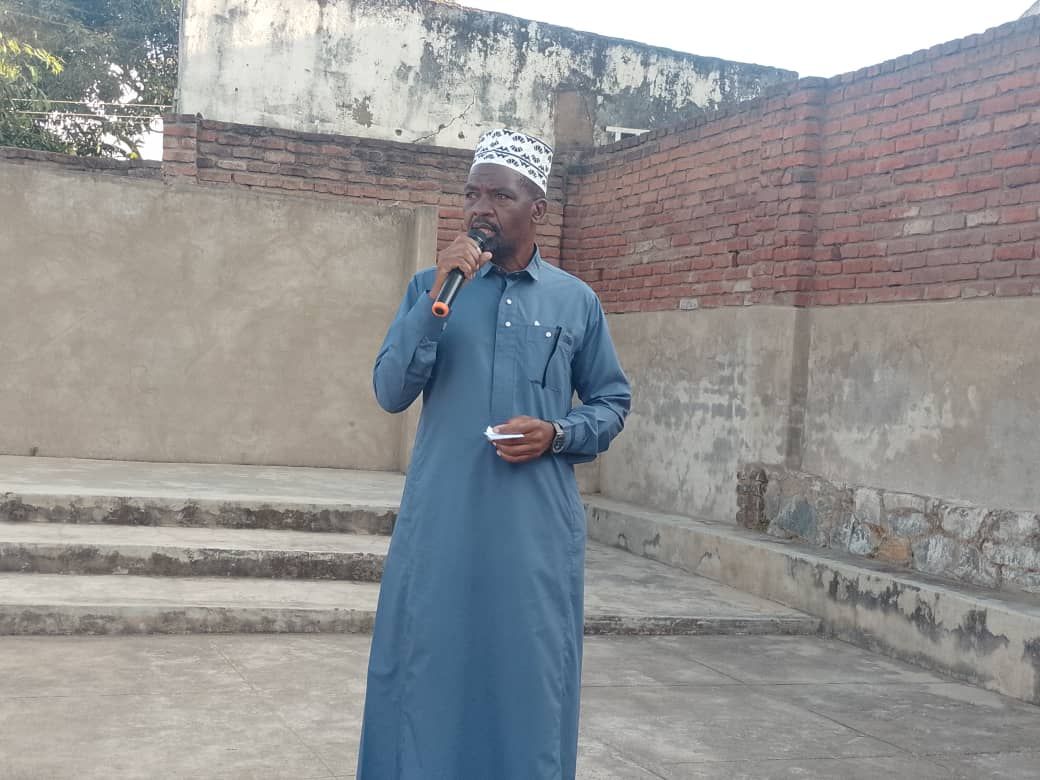
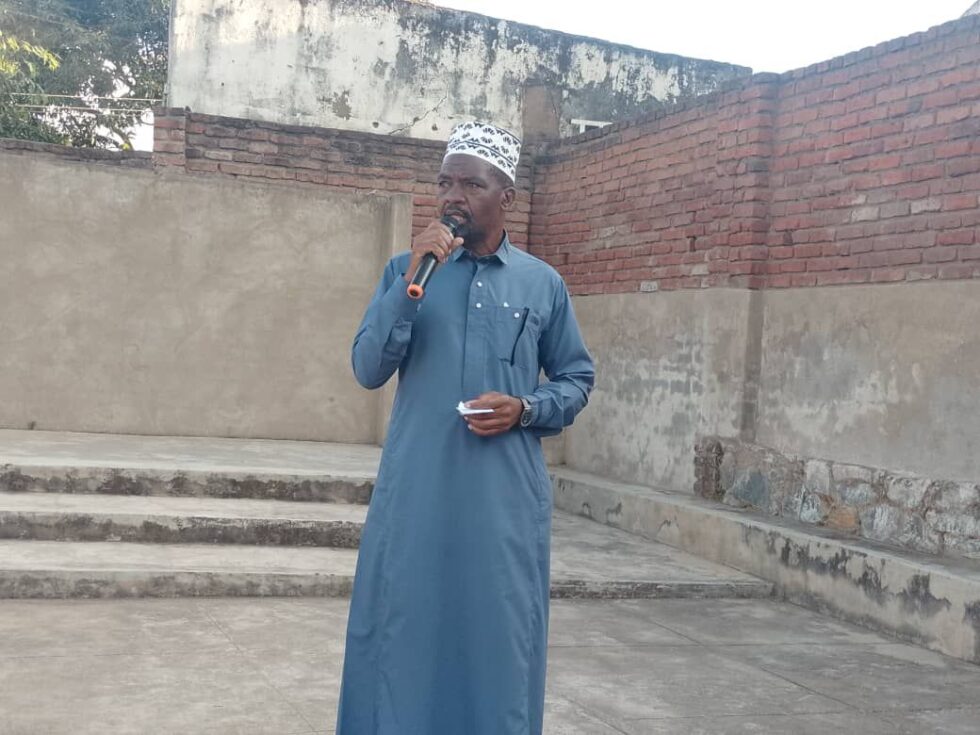
Sheikh Amir Jaafar Kawinga, a prominent Advocate for Gender Justice, has intensified his call for young people to fully commit themselves to education, saying it remains the strongest protection against social and economic vulnerability.
He made the remarks during a youth motivational meeting organized by the Full Moon Organization, where learners from Standard 8, Form 2, and Form 4 gathered to receive guidance on academic success and life skills.
Kawinga stressed that education is not just about passing examinations but about building awareness that helps young people understand the dangers that exist in society, including early marriages and other forms of exploitation.
He warned that when young people drop out of school too early, they become more exposed to harmful practices that can destroy their future, urging them instead to remain focused and disciplined.
The gender justice advocate also called on civil society organizations, development partners, and community leaders to strengthen support systems that protect and empower vulnerable youth.
He said collective responsibility is essential in ensuring that learners are not only encouraged to stay in school but are also provided with the necessary resources to succeed.
Full Moon Organization Chairman Hanif Abubadiria Daudi said the initiative specifically targeted learners from Machinjiri in Blantyre as part of efforts to improve academic performance in the area.
Daudi noted that the program is designed to motivate students to take their studies seriously, especially as they prepare for key examinations that determine their future opportunities.
He emphasized that success in education requires dedication, consistency and a strong commitment to personal development, warning learners against distractions that could derail their progress.
The Full Moon Organization also highlighted its ongoing role in equipping young people with practical vocational skills, including tailoring, catering, plumbing and electrical installation.
These skills, according to the organization, are intended to complement formal education by giving youths alternative pathways to employment and self reliance.