By Chisomo Phiri
Former Minister of Information Moses Kunkuyu has called on the parliamentary inquiry into the tragic Malawi Defence Force (MDF) Dornier plane crash that killed Vice President Saulos Chilima and eight others in June, 2024, to prioritise investigations surrounding the aircraft’s black box, arguing that the matter is central to establishing the truth behind the disaster.
In an interview with 247 Malawi News, Kunkuyu said the ongoing parliamentary investigation presents an important opportunity for Malawians to obtain answers and closure following the fatal crash that claimed several lives.
“The ongoing parliamentary investigation into the tragic MDF Dornier plane crash is an important national exercise. It is my sincere hope, and that of many Malawians, that this process will provide the necessary answers people seek and ultimately help bring closure to the families, friends, and the nation at large,” he said.
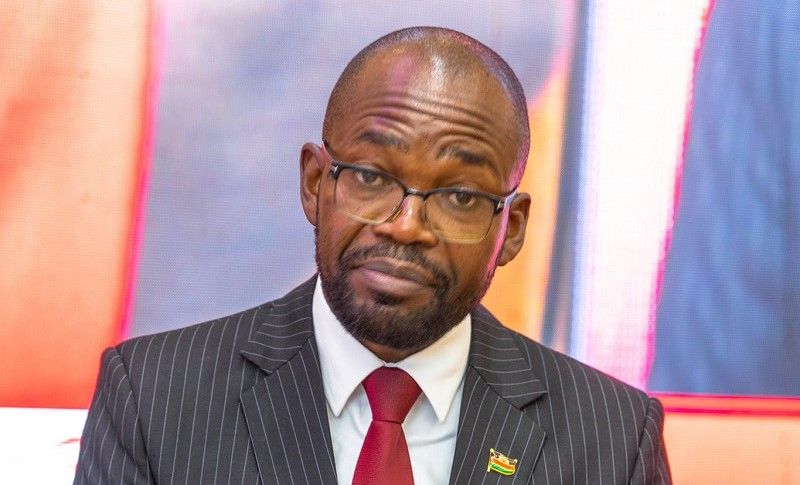
Kunkuyu explained that in aviation disasters across the world, investigators usually prioritise locating the Flight Data Recorder (FDR) and Cockpit Voice Recorder (CVR), commonly referred to as the black boxes because they contain crucial information needed to determine the cause of a crash.
According to him, CVR captures radio transmissions and sounds from the cockpit, while the FDR stores important technical data such as speed, altitude, engine performance, and other operational details.
“These are the tools that help unlock the puzzle surrounding any air crash investigation,” he said.
The former minister argued that if allegations or information exist suggesting that someone may know the whereabouts of the black box, investigators should treat such leads with urgency.
“If people of perceived good standing in society, including Cabinet ministers, Members of Parliament(MPs), and some civil society leaders believe that someone may possess information relating to the black box from the crashed MDF Dornier aircraft, then the committee would be careless to ignore such a lead,” said Kunkuyu.
He specifically urged the parliamentary committee, chaired by Walter Nyamilandu, to make the issue of the black box the starting point of the inquiry.
“The first step of this investigation must surely be to establish the position of any black box associated with this aircraft. Any sentiments or allegations surrounding it deserve serious consideration because they shape the direction and credibility of the entire investigation,” he said.
Kunkuyu questioned why discussions surrounding the black box would be postponed until later stages of the inquiry, insisting that everyone believed to have information on the matter should be invited to testify immediately.
He also referenced allegations that he himself may have made remarks related to the black box and challenged the committee to summon him first.
“I believe Malawians would want to hear questions directed at former Minister of Information Moses Kunkuyu, who is alleged to have said something related to the black box. Honourable members of the inquiry, Moses Kunkuyu is hereby requesting that the first person to be interviewed should be Moses Kunkuyu,” he said.
Kunkuyu concluded by describing the inquiry as a potential moment of truth for the country.
Earlier inquiries, including a technical assessment by German aircraft manufacturers and a government-appointed commission of inquiry, largely attributed the crash to adverse weather and operational factors, pointing to no foul play.
However, the findings failed to extinguish public scepticism, with lingering questions over information management, decision-making and other circumstances surrounding the tragedy.
The persistence of those doubts ultimately triggered renewed calls for another inquiry, piling pressure on parliament to demonstrate transparency, independence and professionalism.
President Peter Mutharika ordered the fresh probe in February after Minister of Justice and Constitutional Affairs Charles Mhango cited gaps in three previous inquiries and recommended a new investigation.
Speaker of the parliament Sameer Suleman announced a 13-member committee tasked to interrogate previous findings, close gaps and deliver closure and report back within 90 days.