


By Our Staff Reporter
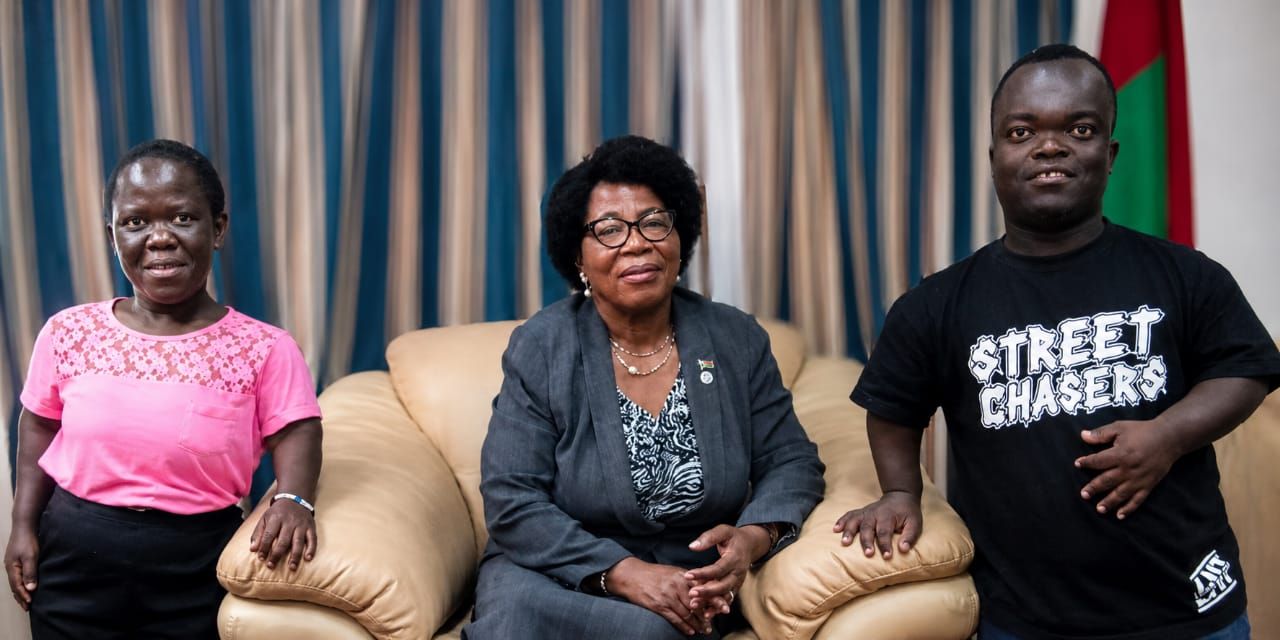
The Dr Jane Ansah Foundation has expanded its humanitarian work to include Malawians of the Akafula, targeting a community that remains largely invisible in national development planning.
This intervention comes as data from disability rights groups show people of the Akafula experience exclusion across education, health, employment and public infrastructure.
Physical infrastructure across Malawi continues to exclude smaller statured citizens, with school desks, public transport and clinic counters built for average height, making daily movement a constant obstacle.
Employment discrimination persists, with employers often rejecting applicants of the Akafula based on perceived physical limitations rather than qualifications or experience.
Educational institutions lack adapted furniture and learning materials, which forces students to struggle with basic classroom tasks and contributes to higher dropout rates.
Health systems face gaps in specialist care, as few hospitals stock orthopaedic equipment or train clinicians to manage skeletal dysplasia and related complications common among people of the Akafula.
Social stigma deepens these structural problems, as derogatory language, ridicule and harmful myths reduce self-esteem and discourage community participation.
The foundation’s outreach matters because it addresses both immediate needs and long-term inclusion, aligning with Malawi’s Disability Act and the UN Convention on the Rights of Persons with Disabilities.
Provision of mobility aids and medical assessments directly reduces preventable pain, dependence and injuries that result from inaccessible environments.
Community sensitisation sessions challenge stereotypes and encourage schools, businesses and local leaders to adopt reasonable accommodations that cost little but change lives.
International research shows that targeted civil society programmes combined with public awareness can shift attitudes and create pathways to education and formal employment.
For Malawi, this model demonstrates how non-state actors can supplement government capacity while pushing for policy changes that make inclusion measurable.
The impact will depend on sustained funding, stronger data collection on the Akafula, and deliberate integration of accessibility standards into national building codes and procurement policies.