


By Burnett Munthali
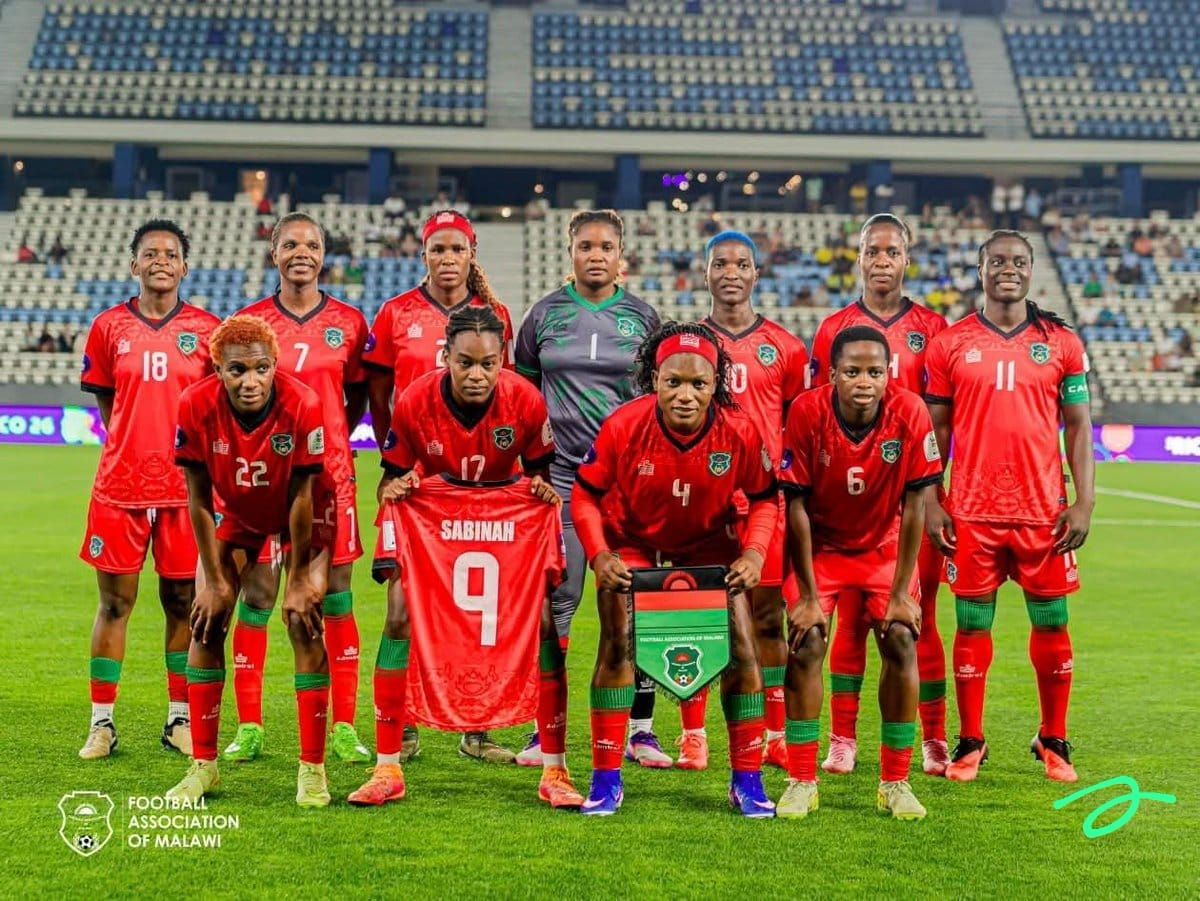
RABAT, Morocco – Malawi’s Scorchers have qualified for the 2027 FIFA Women’s World Cup for the first time after reaching the semi-finals of the 2026 Women’s Africa Cup of Nations (WAFCON) in Morocco.
CAF’s tournament regulations mean that reaching the WAFCON semi-finals is enough to secure a place at the 2027 World Cup, with the four semi-finalists taking Africa’s four automatic qualifying places. Two additional African teams will have an opportunity to reach the World Cup through an international play-off tournament.
What is WAFCON?
The Women’s Africa Cup of Nations, commonly known as WAFCON, is Africa’s main continental championship for women’s national football teams. It is organised by the Confederation of African Football (CAF).
The 2026 tournament in Morocco is particularly important because it is serving two purposes: determining the African champions and providing the main qualification route for the 2027 FIFA Women’s World Cup in Brazil.
This edition is also the first WAFCON to feature 16 teams, divided into four groups of four. The top two teams from each group advance to the quarter-finals, followed by the semi-finals and final.
For the World Cup, the stakes are even higher. FIFA allocated CAF four direct places at the 2027 tournament, with two further African places available through the international play-off route.
Malawi’s road to WAFCON
Malawi first had to qualify for the WAFCON itself before the World Cup opportunity became possible.
The Scorchers made history in October 2025 by securing their first-ever qualification for the Women’s Africa Cup of Nations.
They advanced after drawing 0-0 away to Angola before winning the return leg 2-0 in Lilongwe. Faith Chinzimu scored twice in the closing stages to give Malawi a 2-0 win and a 2-0 aggregate victory.
CAF records the 2026 tournament as Malawi’s first appearance at the Women’s Africa Cup of Nations.
That qualification was already a landmark achievement for Malawian women’s football. But the Scorchers would go on to make their debut tournament even more significant.
A difficult group
Malawi were drawn into Group C alongside defending champions Nigeria, Zambia and Egypt.
On paper, it was a demanding group. Nigeria had won the previous WAFCON, while Zambia had established themselves as one of Africa’s strongest women’s teams.
But Malawi immediately challenged the established order.
The Scorchers opened their campaign with a stunning 3-2 victory over Nigeria, giving themselves an early advantage in the group.
They then defeated Egypt 3-1, leaving Malawi with six points from their first two matches and in a strong position to reach the knockout stage.
Malawi’s final group match was against Zambia. The Scorchers lost 2-1, but the result did not prevent them from progressing.
Malawi, Nigeria and Zambia all finished the group stage on six points, with the tournament’s tie-breaking rules determining the final order.
The Scorchers therefore reached the quarter-finals as Group C winners.
The match that changed everything
The quarter-final against Ghana was the decisive moment.
Malawi knew that victory would take them into the semi-finals. But the significance of the match went beyond the WAFCON itself.
Because the four semi-finalists automatically qualify for the 2027 World Cup, a place in the last four would also give Malawi a ticket to Brazil.
Ghana struck first through Chantelle Boye-Hlorkah, but Malawi responded through Temwa Chawinga.
The match remained tightly contested before Rose Kadzere scored the decisive goal in the second half.
Malawi won 2-1 and reached the WAFCON semi-finals.
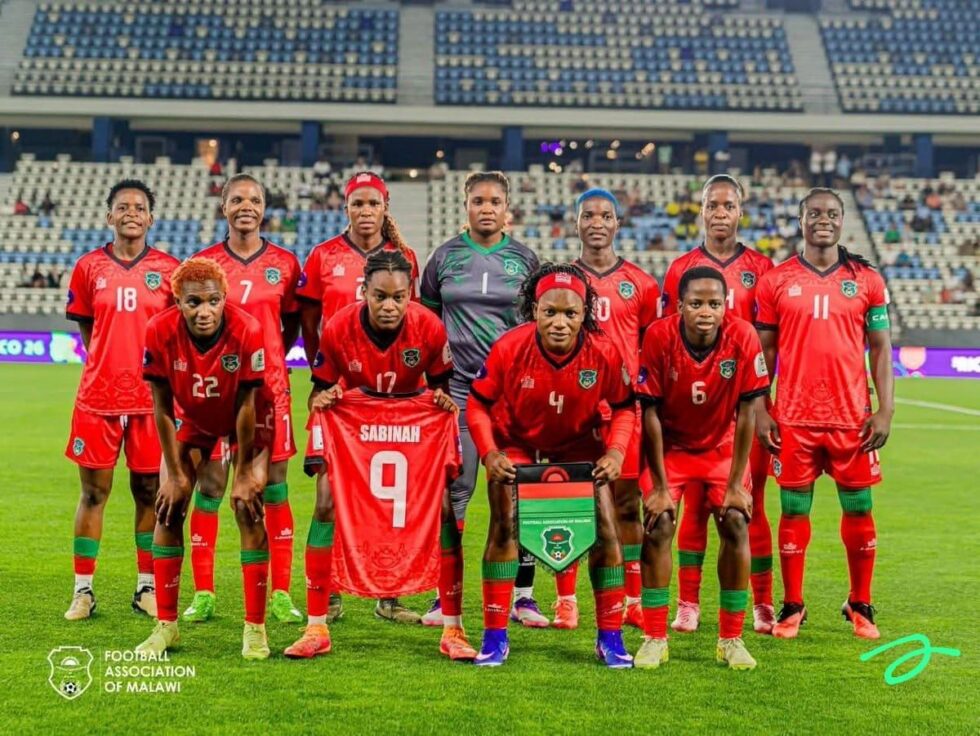
With that victory, the Scorchers secured their place at the 2027 FIFA Women’s World Cup.
Why the semi-final was enough
This is where the WAFCON and World Cup qualification systems are closely linked.
Africa has four direct places at the 2027 Women’s World Cup. Rather than staging a separate conventional CAF qualifying competition after WAFCON, FIFA and CAF are using the continental tournament to determine those four direct qualifiers.
The four teams that reach the WAFCON semi-finals take the four automatic World Cup places.
The teams that lose their quarter-finals are not immediately eliminated from the World Cup race. They enter play-off matches that determine the two African teams that will proceed to the FIFA Women’s World Cup Play-Off Tournament.
That means Malawi did not need to win the WAFCON to qualify for the World Cup.
They only needed to reach the semi-finals.
And by beating Ghana, they achieved exactly that.
From debutants to World Cup qualifiers
The speed of Malawi’s rise makes the achievement particularly remarkable.
The Scorchers entered the WAFCON for the first time in 2026 after defeating Angola in qualifying.
They then opened their debut tournament by beating the defending champions, Nigeria.
They followed that with victory over Egypt, survived a difficult group and defeated Ghana in the quarter-finals.
In doing so, Malawi moved from being WAFCON debutants to World Cup qualifiers within the same tournament.
The achievement also highlights the importance of players such as sisters Tabitha and Temwa Chawinga, whose performances have helped raise the profile of Malawian women’s football.
What happens next?
Malawi’s World Cup qualification does not mean their WAFCON campaign is over.
The Scorchers have reached the semi-finals and can still compete for the African title.
More importantly, they have secured a place among the teams that will represent Africa at the 2027 FIFA Women’s World Cup in Brazil.
The tournament is scheduled to take place from 24 June to 25 July 2027 and will feature 32 teams.
For Malawi, however, the immediate significance is much bigger than the dates or tournament format.
The Scorchers have achieved something no Malawian women’s national team has done before: qualification for the FIFA Women’s World Cup.
Their journey to Brazil began with qualification for WAFCON, continued with a remarkable group-stage campaign in Morocco and was completed when they defeated Ghana to reach the semi-finals.
Malawi are now no longer simply making up the numbers at their first continental championship.
They are World Cup qualifiers.