


By Rahim Abdul
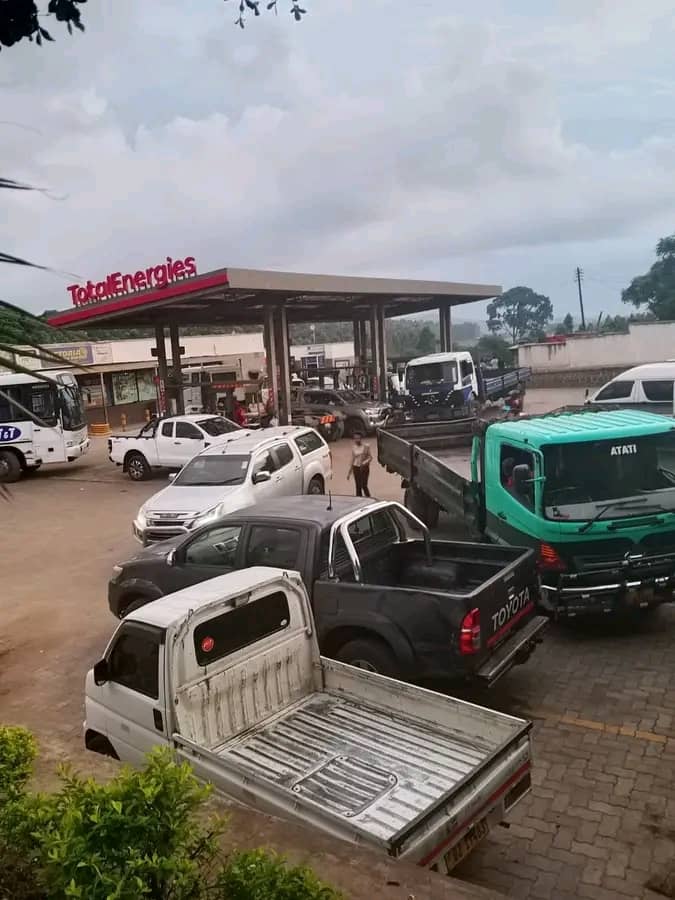
Malawi’s worsening fuel crisis is disrupting businesses, transport services and everyday activities, with motorists spending several hours or even entire nights queuing at filling stations in search of petrol and diesel.
November 20, 2026, highlights how the shortage has created frustration, financial difficulties and confrontations at filling stations, particularly in urban areas such as Blantyre.
One of the motorists affected is 40-year-old Jailos Tonex, a vehicle trader in Blantyre, who described the situation as increasingly difficult after spending several days searching for fuel.
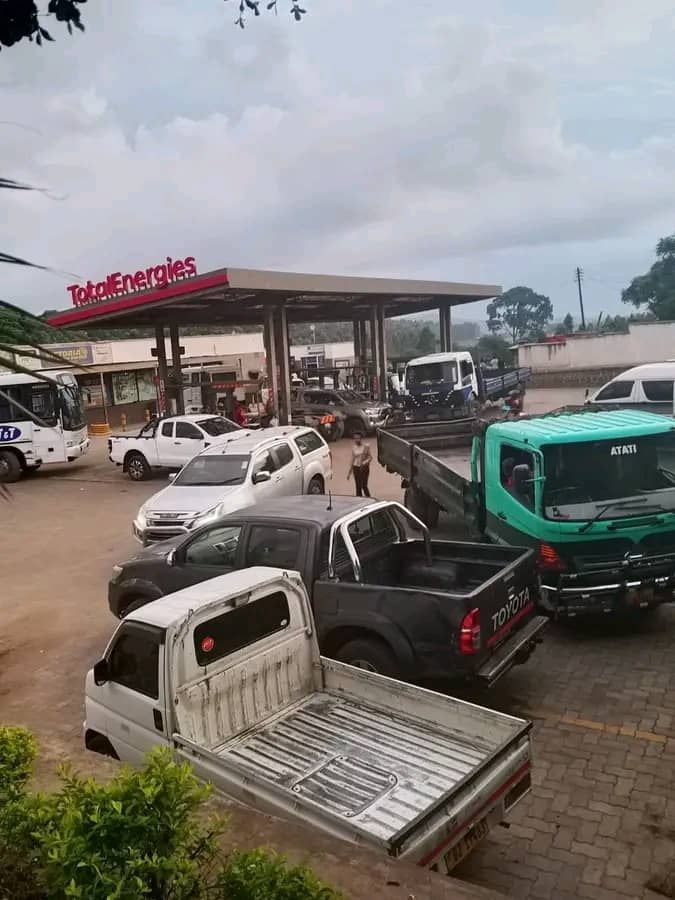
Tonex said he once spent four hours at a filling station to access 20 litres of petrol after motorists, minibus drivers and motorcycle taxi operators clashed over positions in the queue.
He said the crisis had also affected his business because customers were no longer bringing vehicles for repairs, while his workers were struggling to carry out their duties due to fuel shortages.
“The crisis has completely changed and messed up everything,” Tonex was quoted as saying, explaining that his business was unlikely to meet its monthly targets.
The shortage has also contributed to the growth of an illegal fuel market, where some motorists are forced to purchase petrol at significantly higher prices. Tonex said he paid K30,000 for just two litres of petrol from an informal seller.
Meanwhile, Human Rights Defenders Coalition (HRDC) chairperson Michael Kaiyatsa said the fuel crisis was affecting people’s access to healthcare, education, employment and other essential services.
Kaiyatsa called on government to restore normal fuel supplies, stressing that the situation had become a human rights concern as ordinary Malawians continued to bear the consequences.
The Ministry of Energy has attributed the supply challenges to financial, foreign exchange and logistical constraints affecting the country’s ability to consistently import petroleum products, while maintaining that interventions are underway to address the situation.