


By Vincent Gunde
The Cooperative Development Foundation of Canada (CDF Canada) is supporting six cooperatives and two clubs in Dowa District through training in governance, group dynamics, entrepreneurship and value addition under its Integrated Aquaculture-Agriculture to Combat Food Insecurity in Malawi (IAAM) project.
The project has, among other interventions, provided a fish kiln to Nambuna Club of Nalunga EPA to support fish processing and value addition.
Presenting the project’s progress to the District Executive Committee (DEC) in Dowa, CDF Canada Gender Specialist Hannah Natasja Chidaya said IAAM is being implemented in eight districts, including Dowa, with the goal of increasing productivity, incomes and market access for small-scale producers, particularly women engaged in Integrated Aquaculture-Agriculture Systems (IAAS), covering fish, crops, livestock and agroforestry.
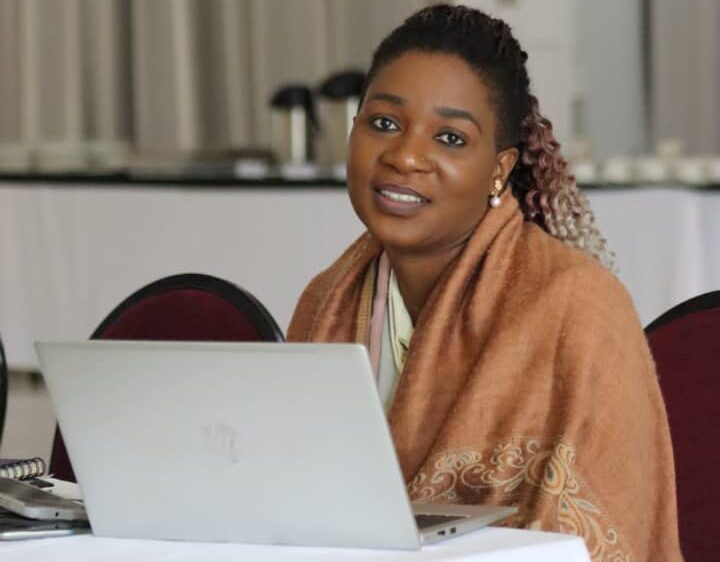
Hannah Natasja Chidaya
She said the project has six action areas namely Cooperative and Value Chain Development; Climate-Resilient Aquaculture and Agriculture Production; Market Diversity; Women’s Rights and Gender Equality; Sexual and Reproductive Health and Rights (SRHR); and Forestry and Biodiversity.
Chidaya said the project, officially launched on December 5, 2025, in Lilongwe, has identified and verified fish farmers, conducted a gendered value chain analysis and an environmental and social impact assessment.
She said progress under IAAS includes establishing and stocking demonstration sites with fingerlings, distributing livestock, vegetables and fruit trees, providing 26 bags of feed per site, conducting capacity-building programmes and increasing adoption among follower farmers.
Chidaya said the project is working with 217 individual fish farmers, six cooperatives and two clubs linked to the cooperatives, while five other clubs are involved through demonstration sites and value addition activities.
She said demonstration sites are accelerating technology adoption, private-sector engagement is key to sustainability, participatory approaches are strengthening community ownership and collaboration with the District Council is improving implementation.
She however, said the project faces individualism among some farmers, weak reporting mechanisms and clashes between the school calendar and project work plan, delaying youth engagements.
She also cited rising costs, saying fish feed that cost about K43,000 in 2024 now costs around K100,000, while funding limitations amid the global funding squeeze are affecting implementation.
Chidaya said to address the challenges, the project has adjusted feed quantities, partnered with feed producers, strengthened coordination with Health Surveillance Assistants (HSAs) and District Youth Officers (DYOs), and shifted youth engagements to afternoons to accommodate school-going youth.
Dowa District Council Director of Planning and Development Phillimon Maseko urged partners implementing interventions in the district to support the project so its successes can reach more communities across Dowa.