


By Vincent Gunde
Development Aid from People to People (DAPP) is implementing a four-year project titled “Building a Brighter Future for Girls and Children with Disabilities” in Dowa district.
The project operates in three educational zones: Boma, Mvera, and Kapita, it is being executed in collaboration with key partners including FEDOMA, MFA Finland, UFF Finland, Disability Partnership Finland, the Ministry of Education, and the Ministry of Gender (Social Welfare).
Presenting a project update to the District Executive Committee (DEC), DAPP Malawi Project Lead Ndamiwe Munthali stated that the initiative aims to improve the quality of education through inclusive and mainstreaming approaches. It also seeks to increase the enrollment of girls, including children with disabilities, in primary education, and it is also increasing the number of teachers who utilize inclusive teaching methodologies and child-friendly techniques.
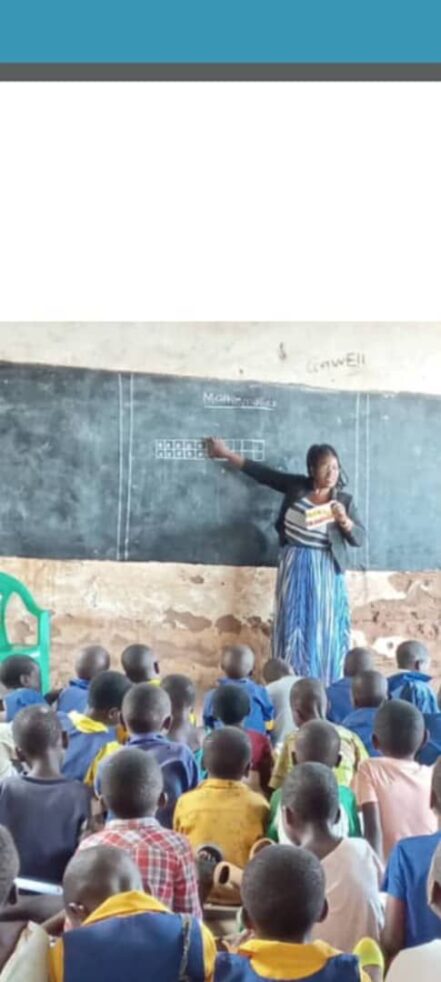
Munthali explained that the project aims to increase community awareness and participation in inclusive and girl-child education and promotes initiatives to enhance gender and inclusive education within school-based Continuous Professional Development (CPD) saying its
achievements so far include, training of teachers in inclusive education and other cross-cutting issues, learners, including boys, girls, and children with disabilities, are receiving support from the project.
The Project Lead noted that identified learners with disabilities are receiving targeted support, and a referral committee has been established to ensure these children receive appropriate assistance.
He added that the project together with targeted schools and communities are in process of constructing accessible ramps, urinals and change room facilities in schools. Teachers employing inclusive and child-friendly teaching methods are receiving coaching and mentorship visits.
The Project Lead said community survey indicates strong support for inclusive and girl-child education, increased enrollment and re-admission of girls and children with disabilities, and active participation of parents of children with disabilities in educational activities.
“Schools are adopting and incorporating topics of gender and inclusive education into their Continuous Professional Development (CPD) activities, and they are developing routines to ensure a child-friendly learning environment,” said Munthali.
However, Munthali acknowledged challenges during implementation, such as the transfer of trained teachers to other schools and locations (24 have moved so far), a lack of teaching and learning materials in schools, and fuel scarcity during the war in Iran, which increased transport costs for participants to different trainings.
For the third quarter of 2026, Munthali outlined plans to build the capacity of community-based clubs in inclusive and girl-child education, establish and train Area Disability Forums, review the training manual with the Ministry of Education, conduct a “girl child back to school” campaign, and carry out monitoring visits in schools, among other activities.
In his remarks, Dowa District Council’s Principal Environmental Officer Yusuf Laki urged partners involved in education interventions to support the project for its successful implementation in the district.