


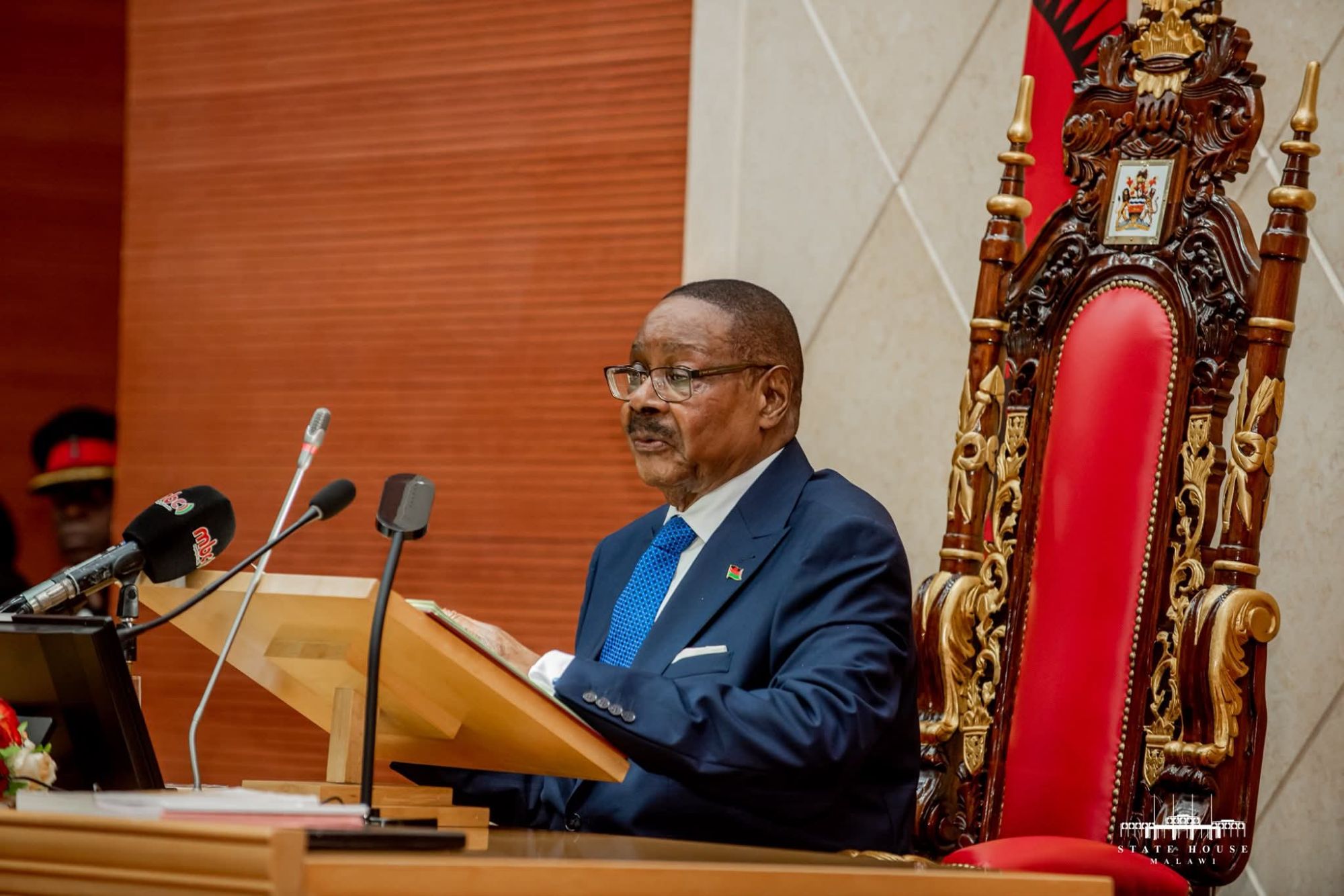
By Durell Namasani
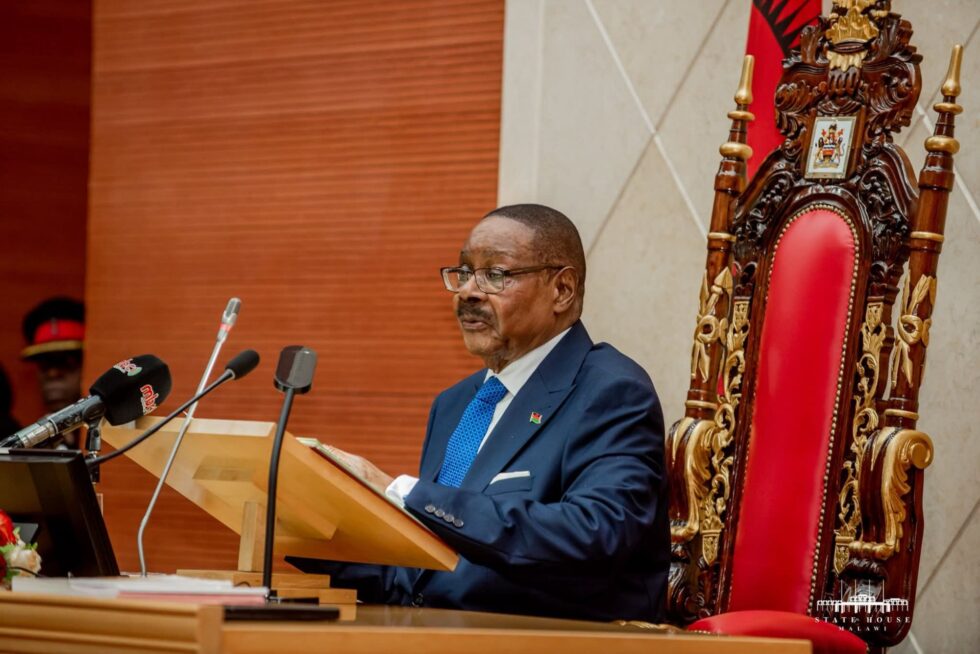
President Peter Mutharika delivered his State of the Nation address today, painting a picture of an economy on the cusp of a significant turnaround, but a closer examination of the figures reveals projections that strain credibility against the backdrop of Malawi’s persistent structural weaknesses.
The address boasted of inflation dropping from 28.7 percent in September 2025 to below 21 percent in 2026, alongside real GDP growth accelerating from 2.7 percent to 3.8 percent next year and 4.9 percent by 2027. While such a trajectory would be welcome, the claim that the nation can achieve a seven to eight percentage point disinflation and nearly double its growth in just two years requires ignoring the country’s fundamental economic realities.
The feasibility of these targets is undermined by three critical and ongoing challenges. Firstly, foreign exchange reserves remain distressingly low, stuck well below the recommended three months of import cover. Without adequate forex, businesses cannot secure the inputs necessary to drive the very growth the President projects. Secondly, the economy remains dangerously exposed due to its heavy reliance on imported fuel and fertilizer, leaving it vulnerable to external price shocks beyond any local policy control.
Most significantly, the private sector, which would need to lead this expansion, is in a fragile state. As noted by critics, the sector has been “crowded out” by excessive public borrowing and continues to suffer from unreliable power supply, inadequate transport networks, and pervasive policy uncertainty. A SONA that glosses over these choke points offers statistical comfort rather than a credible roadmap for the genuine economic relief Malawians are waiting for.