By Alfred Chauwa – Snr News Analyst
Minister of Local Government and rural Development, Dr Ben Phiri on Wednesday ordered Malawi Police Service to deal with anyone once found throwing garbages from their moving vehicles.
Speaking during the launch of Presidential executive order number 2, on hygiene and sanitation, Dr Phiri said it is sad to note some people deliberately throw things outside their vehicles for no aparent reasons at all.
“Enough is enough lets deal with behavior,” he said.
Phiri also issued a direct challenge to Lilongwe residents to change their mindset on hygiene and take responsibility for waste disposal, saying the capital must match the cleanliness standards set by Blantyre.
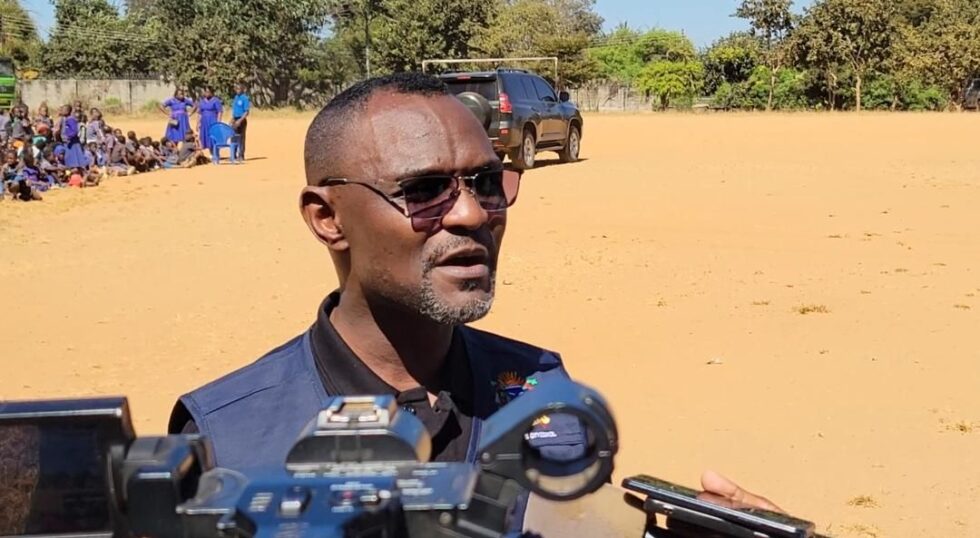
Addressing community leaders this morning at Phungu Primary School in Lilongwe, Dr Phiri said Lilongwe’s persistent litter, clogged drains, and poorly managed waste were undermining public health and economic growth. He argued that floods, disease outbreaks, and lost investment opportunities trace back to a culture that treats cleanliness as government’s job alone.
He said Lilongwe is not looking smart as Blantyre because people here throw garbages any how , this must stop.
“Our mindset has to change,” Dr Phiri told the gathering. “We cannot keep waiting for someone else to clean our streets, our markets, our neighborhoods. If Blantyre can do it, Lilongwe can do it better.”
The minister pointed to Blantyre as proof that community discipline works.
He said residents there have embraced morning cleanups, proper waste segregation, and mutual accountability, changes that are now visible across the city’s streets and trading areas.
Dr Phiri urged Lilongwe households to begin reforms at home by reducing disposable packaging, separating organic waste from recyclables and general refuse, and keeping bins covered to prevent pests and odors.
He promoted home composting of kitchen and garden waste as a practical way to cut landfill pressure while producing fertilizer for urban gardens. He also warned that medical and sanitary waste such as syringes and diapers must be sealed in bags and disposed of according to council guidelines.
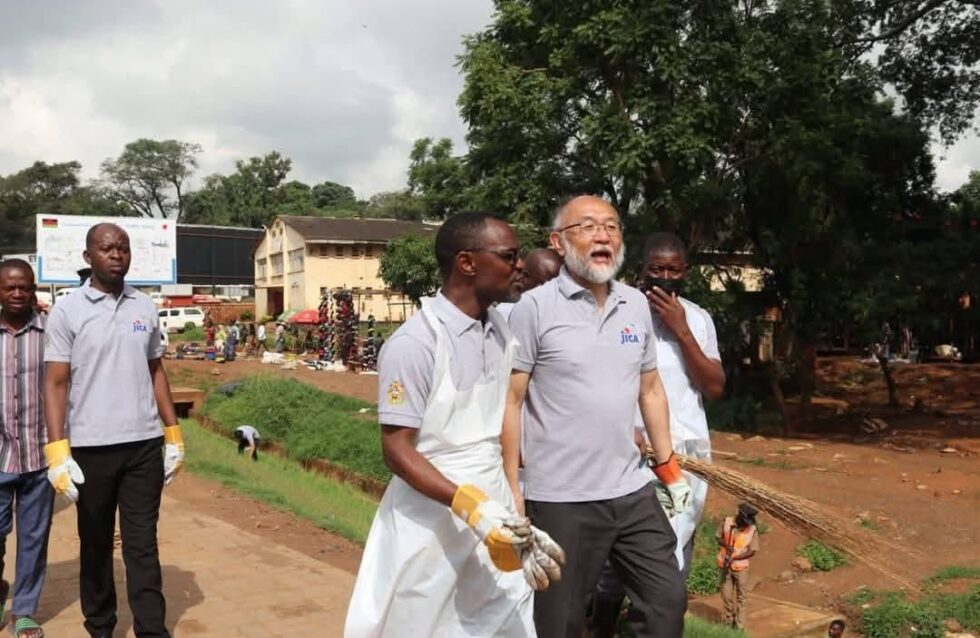
At the community level, he called for organized monthly cleanup exercises supported with gloves, bags, and coordinated disposal routes.
He proposed shared composting hubs and central drop-off points for recyclables where individual households lack space.
The minister further stressed the need for sustained awareness through posters, school programs, and digital platforms to teach children that littering is not normal. He encouraged residents to support small recycling enterprises that turn waste into income while keeping streets clean.
On civic duty, Dr Phiri asked citizens to familiarize themselves with Lilongwe City Council bylaws on bin placement and collection schedules, and to report illegal dumps, overflowing bins, and missed collections through municipal hotlines.
He urged attendance at council meetings to push for more trucks, bins, and modern recycling facilities. He also called for stronger partnerships between government, non-governmental organizations, and the private sector to introduce machinery and waste-to-energy plants.
Closing with a safety appeal, the minister advised all participants in cleanup activities to wear gloves and closed shoes, avoid handling sharp objects, and protect water sources by keeping waste out of rivers, drains, and wells.
“I want Lilongwe to be clean. Not for me, but for our children, for visitors, for ourselves,” Dr Phiri said. “Clean Lilongwe starts with us.”
Lilongwe City Council Mayor , Alex Banda who was also present at the meeting said they would work with ward councilors and community development committees to coordinate upcoming cleanup drives and improve waste collection logistics.
He commended the Minister for championing cleanliness in accordance with Executive order number 2 of President Peter Mutharika.
Member of Parliament for the area Gift Nankhuni pledged to support the initiative.