


By Chisomo Phiri
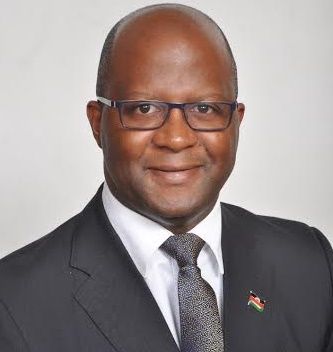
President of the United Democratic Front (UDF ) Atupele Muluzi has described the current Malawi’s economic crisis as the most severe and prolonged one since the country’s transition to multiparty democracy in 1994, and has called for swift and coordinated action to address it.
Speaking in an interview with 247 Malawi News, Muluzi said households, businesses, and public institutions are under severe strain, warning that any delays in implementing reforms would deepen the crisis and further increase the burden on ordinary Malawians.
He welcomed the joint initiative by the African Development Bank (AfDB), the United Nations (UN), and the World Bank Group (WBG), in collaboration with the Government of Malawi, which recently developed a set of 22 priority policy recommendations titled ‘No Time to Waste: Policy Priorities for Malawi’s Recovery.’
Muluzi described the report as a timely and practical contribution to national economic discussions, saying it offers evidence-based solutions aimed at stabilising the economy and laying a foundation for inclusive and sustainable growth.
He also noted that the strong mandate given to the ruling Democratic Progressive Party (DPP) in last year’s general election presents an opportunity for what he termed a ‘national reset,’ which could help restore confidence in public institutions and accelerate long-overdue structural reforms.
“As President of the United Democratic Front, I wish to state that we support the direction and substance of these policy recommendations.
“They are consistent with our own Business First Strategy and reflect many of the reforms we have long advocated for,” said Muluzi.
The former presidential candidate and son of Malawi’s second president, Bakili Muluzi, stressed that restoring macroeconomic stability must remain the country’s immediate priority.
He called for fiscal consolidation, reforms in tax administration and public financial management, debt restructuring, and the establishment of a credible framework for exchange rate unification.
He further emphasised the need for prudent monetary policy, alongside targeted interventions to improve foreign exchange inflows.
Muluzi cautioned against politicising the country’s economic difficulties, arguing that the situation requires collective responsibility and cooperation among political parties, government institutions, the private sector, and development partners.
“This is not a time for assigning blame. It is a time for responsible, collaborative leadership.The challenges we face are national in nature and require a unified response,” he said.
He further urged swift implementation of the recommended reforms, warning that continued delays would worsen economic hardship.
“UDF stands ready to work constructively with all stakeholders in the national interest. There is no time to waste,” concluded Muluzi.