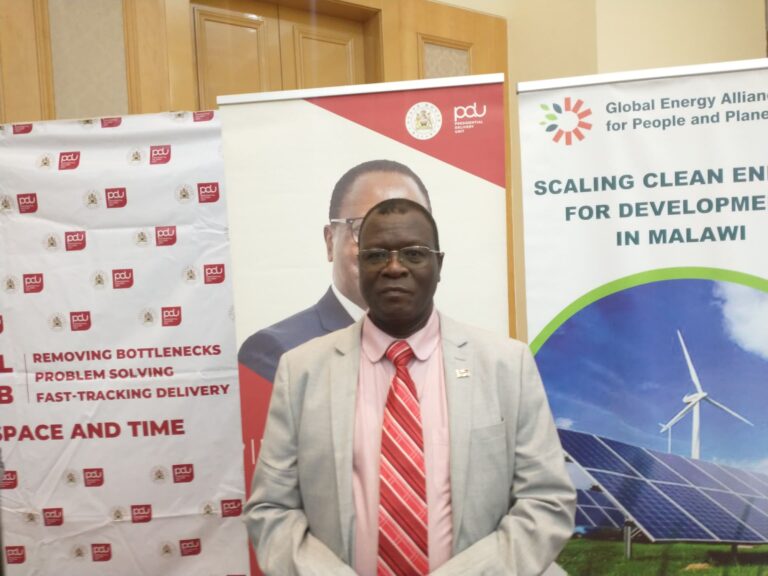
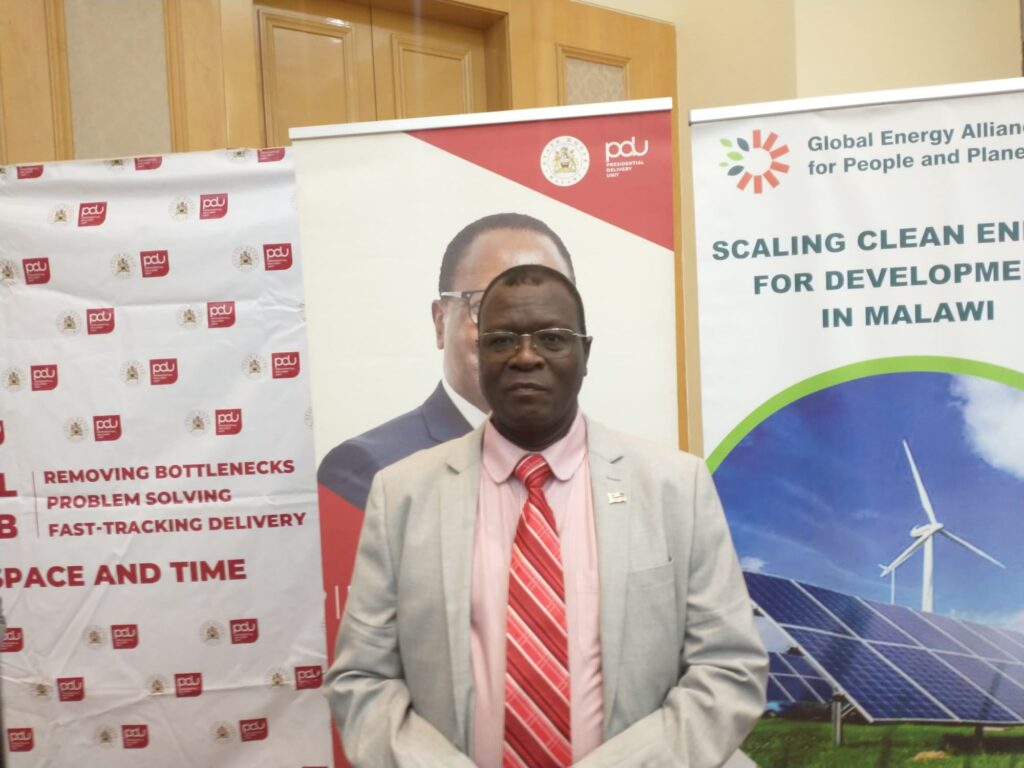
The Presidential Delivery Unit (PDU) says Malawi is expected to get 1000 megawatts of power generation by 2030 due to the number of Independent Power Producers (IPPs) that have applied to produce power in the country.
Speaking after the closing of the two-day Pre-Lab on Integrated Resource Plan (IRP) and power sector coordination in Lilongwe on Thursday, Director at PDU Dr. Enwell Kadango said they have other IPPs which are coming from Malawi-Mozambique interconnection which is in progress to achieve the generation power plant that the country wants.
He said:”In this lab, we are basically making a plan and everyone is ready to achieve the target we have set to generate more power for the country.”
Dr. Enwell Kadango
Kadango further disclosed that so far twenty-four IPPs have agreed to produce power, but right now about three IPPs are already finishing the process of signing and others are already producing and giving power to Electricity Supply Corporation of Malawi (ESCOM) which is distributing and transmitting.
He revealed that from the pre-lab they have discussed nineteen issues such as cost-effective tariffs, generation, and forex, just to mention a few, which they will take to the main delivery lab to be resolved by the key stakeholders in the energy sector.
Kadango also added that a number of issues are quite resolved, hence there are some which require further engagements with a few explorations and desk work to be done, but most of the issues are being resolved from the pre-lab.
On his part, Director of Electricity in the Ministry of Energy, Million Mafuta said the pre-lab has disclosed the issues affecting the energy sector and there is a need to provide answers for the challenges which are highlighted, hence are really affecting the sector.
Mafuta said:”I think we say those are not new and the approach that has been used before hasn’t really helped, but from this lab, we have an issue that we say moving forward, we are to identify the serious challenges that we need to resolve and what is it we need to do to address the challenges that we have observed.”
He further added that moving forward, they are going to take the issues in a different way on how they have been approaching, saying there are two sections that are going to be implemented to address the challenges.
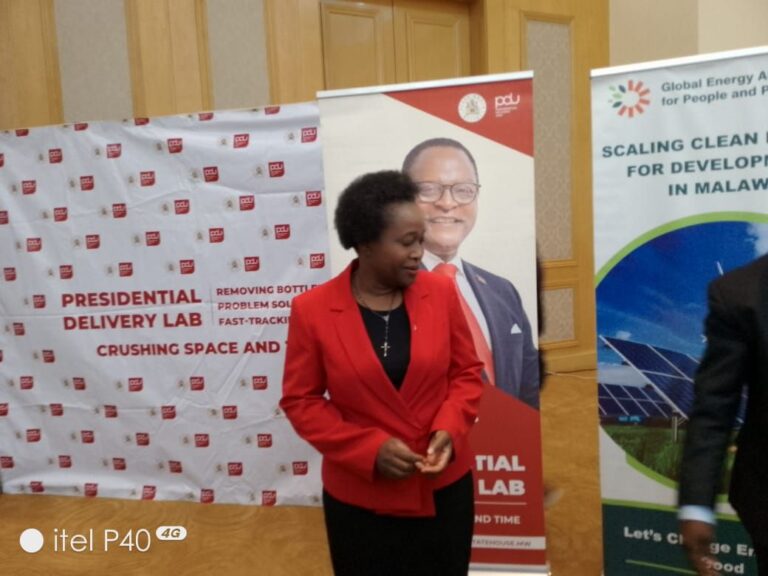
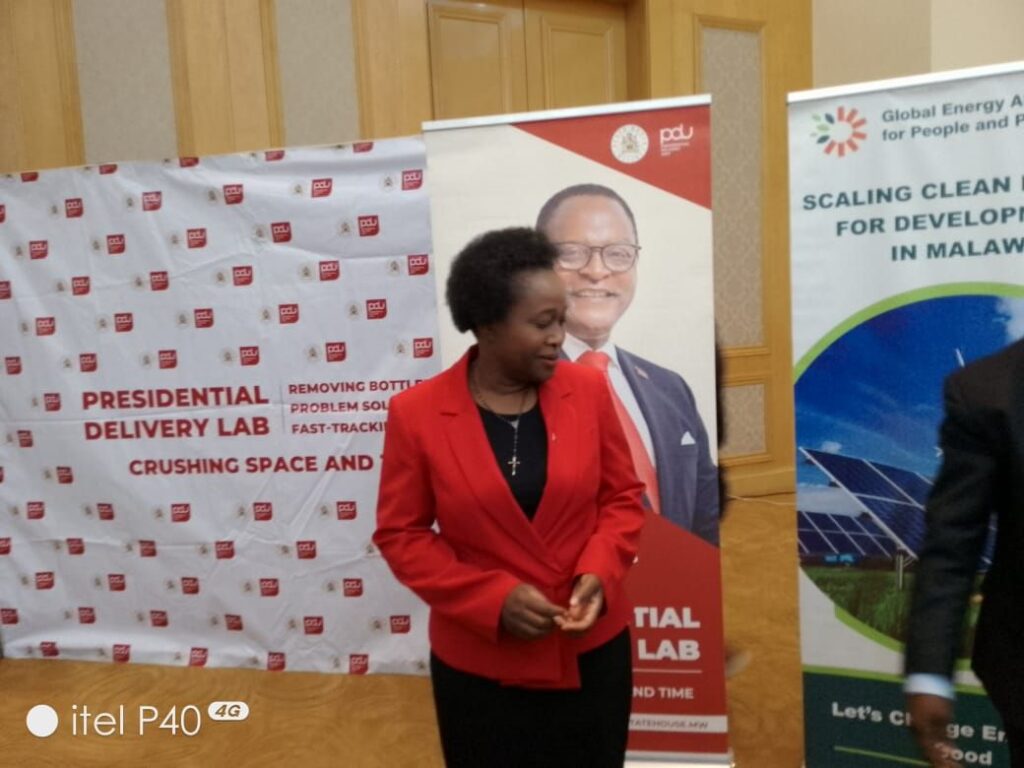
Deputy Secretary to the Office of President and Cabinet, Janet Banda, who is also Head of Presidential Delivery Unit (PDU), has called for coordination in the energy sector to increase access to power generation for the general public in the country.
Banda made the remarks during the two-day pre-lab meeting, which focused on Integrated Resource Planning (IRP) in the energy sector, on Wednesday in Lilongwe.
Janet Banda
She said that the previous energy lab, which was conducted a few months ago, discussed various energy sources that Malawi can utilize on-grid and off-grid, and what is available in the country.
She disclosed that through this energy pre-lab, technicians are expected to look at issues of coordination and integrated resource planning, which the country needs to implement and see how it can work.
Banda said:”It is appropriate for a country when you are talking about integrated resource planning, we are looking at generation, transmission, and distribution.
“Those are the issues that will be discussed in this pre-lab to identify efficiency and inefficiencies in the entire value chain of energy production in the country.”
She also mentioned that from the previous lab, they were able to gain a lot of insights into agro-industrialization through empowering small and medium enterprises, especially those in the field of agriculture, and how they can access electricity by introducing new electricity tariffs special for those in production and manufacturing that is in small scale to revamp the economy through small and medium enterprises.
Banda lamented that by the end of the lab, they are hoping that technicians will be able to identify challenges that are there in the energy sector, especially regarding electricity generation, transmission, and distribution.
She said:”We are also expecting them to discuss the issues affecting coordination among the key stakeholders in the energy sector; we are hoping those issues once identified can now be brought to the main lab for problem-solving.”
In his remarks, Director of Electricity in the Ministry of Energy, Million Mafuta, said that resource mobilization has been a challenge in terms of how many players can contribute to the power generation basket; hence, the country is relying on private partners, which is a good thing, but there is also a need to put up some mechanisms in terms of financing in order for the country to have its own power generation strategic project.
He said there is also a need to capacitate Electricity Generation company (EGENCO) to be able to develop power generation plants for the country.
Blithe Construction Chief Executive Officer (CEO) Patrick Khambadza who is also a lecturer at Malawi University of Business and Applied Sciences (MUBAS),has urged Malawians to embrace Electric Vehicles (EVs) to combat climate change.
Khambadza made the appeal on Friday in Blantyre after purchasing an EC3 electric vehicle from Sky Energy Africa worth K62 million, making him one of the pioneers of electric vehicles in the country.
He emphasized that switching to electric vehicles will not only reduce costs but also contribute significantly to environmental protection.
“By adopting electric vehicles, we will substantially cut our fuel and operational expenses while promoting a greener future.
“It is a smart financial decision that goes beyond environmental responsibility,” Khambadza said.
On his part,Sky Energy Africa’s Operations Director, Kondwani Tchereni, echoed Kambadza’s sentiment, stressing that investing in electric vehicles is crucial for environmental sustainability and cost savings.
“We are committed to protecting the environment while helping individuals make significant savings through the use of electric vehicles,” Tchereni added.
An Electric Vehicle (EV) is a vehicle whose propulsion is powered fully or mostly by electricity.
EVs include road and rail vehicles, electric boats and underwater vessels, electric aircraft and electric spacecraft.
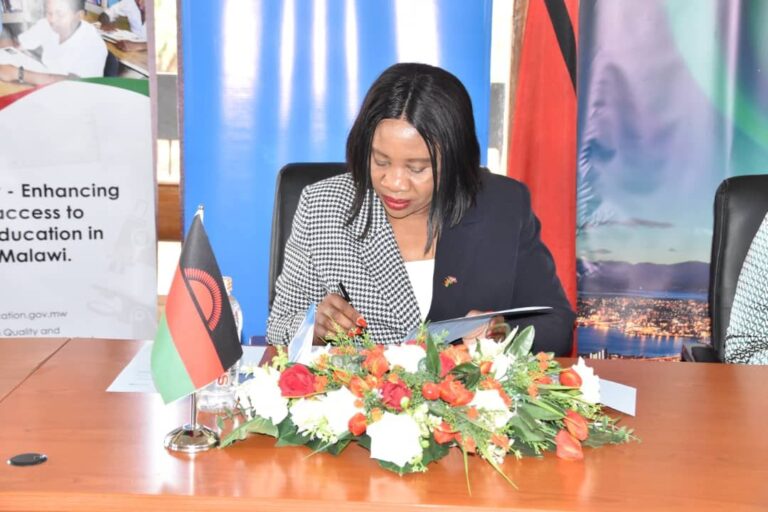
In a resounding display of commitment to improving education in Malawi, UNICEF and the Royal Norwegian Embassy have joined forces to propel positive change within the country’s educational landscape. At the forefront of this partnership stands Mrs. Siri Frette Allsted, Deputy Head of Mission and Head of Development Cooperation at the Royal Norwegian Embassy-Malawi. Collaboratively, they aim to enhance educational access for all learners across Malawi, ensuring every child has the opportunity to thrive within a conducive learning environment.
The recent allocation of over $3.5 million from Norway to the UNICEF Global Education Thematic Fund underscores the unwavering dedication of both entities towards supporting education in Malawi. Malawi stands out as one of only two African countries to receive such funding this year, a thing that exemplifies a shared vision for the betterment of Malawi’s education sector.
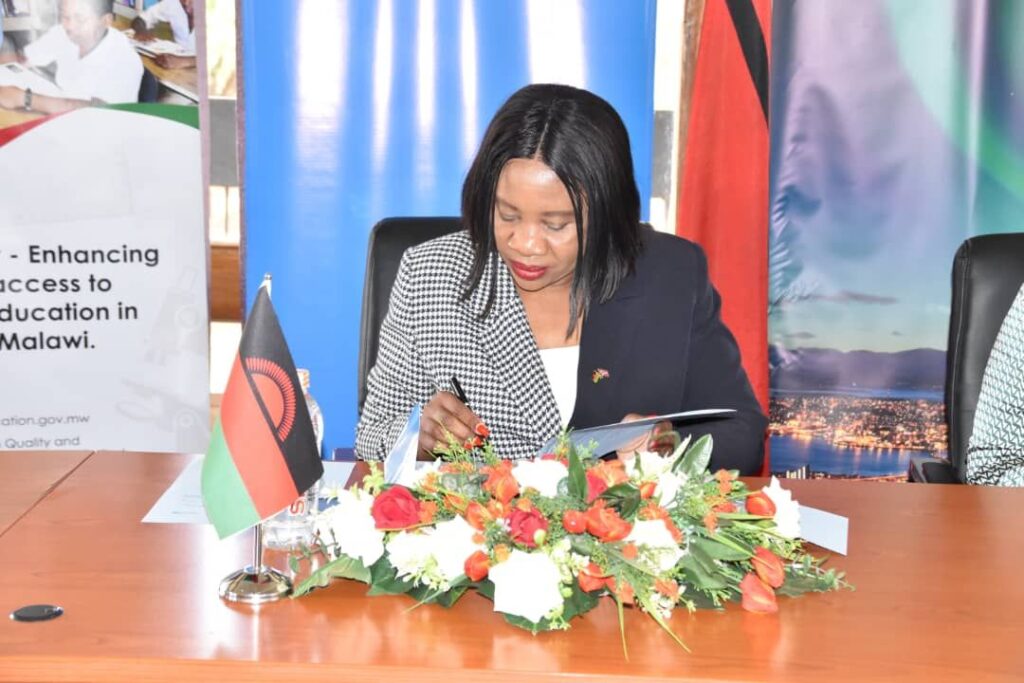
Education Minister Kambauwa
In her address, Mrs. Frette Allsted highlighted the crucial role of UNICEF as the Royal Norwegian Embassy’s primary partner in advancing educational initiatives in Malawi. Through flexible funding mechanisms, such as the Global Education Thematic Fund, UNICEF has been instrumental in addressing critical issues within the education sector. These efforts include enhancing access to quality early childhood and primary education, developing pre-primary curricular, improving teacher training programs, and fostering inclusive education practices.
Moreover, the long-standing collaboration between the Ministry of Education, UNICEF, and the Royal Norwegian Embassy has yielded substantial achievements over the years. Notable accomplishments include the successful implementation of the United Nations Joint Programme on Girls’ Education, dedicated funding for education system strengthening initiatives, and support provided during emergencies, such as Tropical Cyclone Freddy. These initiatives have collectively impacted hundreds of thousands of learners, with a particular focus on girls and vulnerable children, ensuring they have increased opportunities to access quality education.
As the collaborative efforts between UNICEF, the Royal Norwegian Embassy, and key stakeholders continue to bear fruits, the vision of a transformed educational landscape in Malawi edges closer to realisation. The steadfast dedication of all parties involved underscores a shared commitment to advancing educational access and quality, paving the way for a brighter future for all learners in the country.
The enduring partnership between UNICEF, the Royal Norwegian Embassy, and Malawi’s education sector serves as a shining example of working together towards the achievement of education sector in Malawi.
As the UTM convention approaches, the spotlight is on four heavyweight candidates: Dr. Dalitso Kabambe, Dr. Mtumbuka, Patricia Kaliati, and Newton Kambala. Each of them brings unique qualities to the table, making this contest one of the most intriguing in Malawi’s political landscape. The central question remains—who will the delegates choose, and will that choice reflect the future direction of the UTM? This opinion piece explores the strengths and weaknesses of each candidate and attempts to predict who might emerge victorious.
Kabambe
Dr. Dalitso Kabambe: The technocrat who promises economic reform
Dr. Dalitso Kabambe is perhaps the most polished candidate when it comes to economics and policy. With a distinguished career as a former Reserve Bank Governor, Kabambe offers the UTM a chance to rebrand itself as a party focused on economic growth and financial stability. His promises of economic reform are likely to resonate with the middle class, urban voters, and the business community.
However, Kabambe’s lack of political experience could be his Achilles heel. While he has excelled in the technocratic sphere, it is unclear whether he can navigate the rough terrain of grassroots politics. UTM, which has a significant base in the rural areas, may find his appeal limited if delegates prioritize populism over policy expertise.
Mtumbuka
Dr. Mtumbuka: The intellectual with a vision for change
Dr. Mtumbuka, though perhaps lesser-known on the national stage, presents himself as a fresh intellectual voice in UTM. His academic background and thought leadership in governance reforms give him an edge among those who seek change in the political establishment. Mtumbuka’s candidacy is likely to appeal to the youth and intellectuals within the party who are frustrated by the status quo.
However, Mtumbuka lacks the broad political network and grassroots connections that are crucial in Malawian politics. While he may have the vision for change, his ability to gather support across different regions and classes remains in question. Delegates may find his ideas attractive, but they might question his capacity to deliver victories in a general election.
Dr Patricia Kaliati: The grassroots mobilizer
Patricia Kaliati, a seasoned political figure, comes into the race with a strong grassroots following. Known for her fiery speeches and unwavering commitment to women’s empowerment, Kaliati has established herself as a dominant force within UTM. She has the loyalty of many UTM members and is likely to garner significant support from rural delegates, who appreciate her direct engagement and straightforward leadership style.
However, Kaliati’s political career is not without controversy. Her often confrontational approach could alienate some within the party who seek a more diplomatic and unifying figure. Furthermore, her longstanding political career could be viewed as too entrenched in old-style politics, which may turn off delegates seeking fresh leadership. Nonetheless, her grassroots mobilization skills cannot be overlooked.
Newton Kambala: The businessman with pragmatic solutions
Newton Kambala brings a different flavor to the race—pragmatism rooted in business acumen. As a former Minister of Energy, Kambala is known for his ability to get things done. His focus on economic development and investment aligns with UTM’s progressive vision. For delegates who prioritize economic growth and job creation, Kambala might appear as the ideal candidate.
However, like Kabambe, Kambala’s strength in business does not necessarily translate into political capital. He lacks the charisma and mass appeal that figures like Kaliati have. While he may appeal to the urban elite and business-minded delegates, he could struggle to build a coalition large enough to win the convention.
Who will win?
The race is likely to be a battle between Dr. Dalitso Kabambe and Patricia Kaliati. Kabambe’s economic vision may appeal to delegates who want to present UTM as a party of serious reform, while Kaliati’s grassroots connections make her a formidable opponent. In the end, it may come down to whether the delegates prioritize economic stability or political mobilization.
Dr. Mtumbuka, while intellectually sound, may not have enough political clout to secure a majority. Newton Kambala, although a practical candidate, may not have the charisma needed to lead UTM to victory.
Will delegates choose the right candidate for UTM?
The decision delegates make at this convention will have long-term implications for the future of UTM. If they choose Kabambe, the party could reposition itself as a party of economic reformers, appealing to urban voters and businesses. However, without strong grassroots mobilization, this could backfire in the 2025 general elections. On the other hand, choosing Kaliati may energize the base and rural voters, but it could also limit UTM’s appeal to the middle class and intellectuals who desire change beyond political rhetoric.
Ultimately, the “right” candidate depends on UTM’s goals for the future. If they aim to secure electoral victories through grassroots engagement, Kaliati might be their best bet. But if they want to redefine the party as a forward-looking, policy-driven force, Kabambe could be the right choice. It is now up to the delegates to weigh these factors and choose the path that will lead UTM to success in 2025.