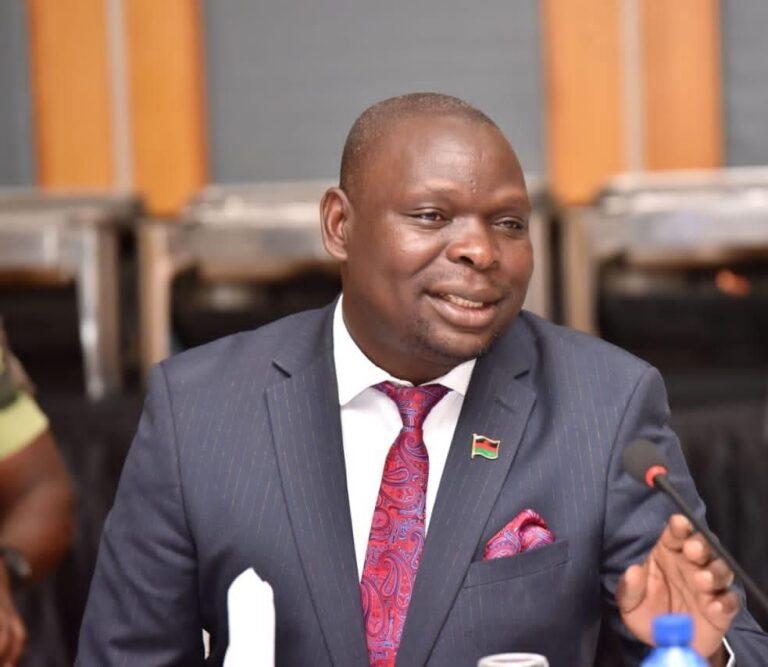
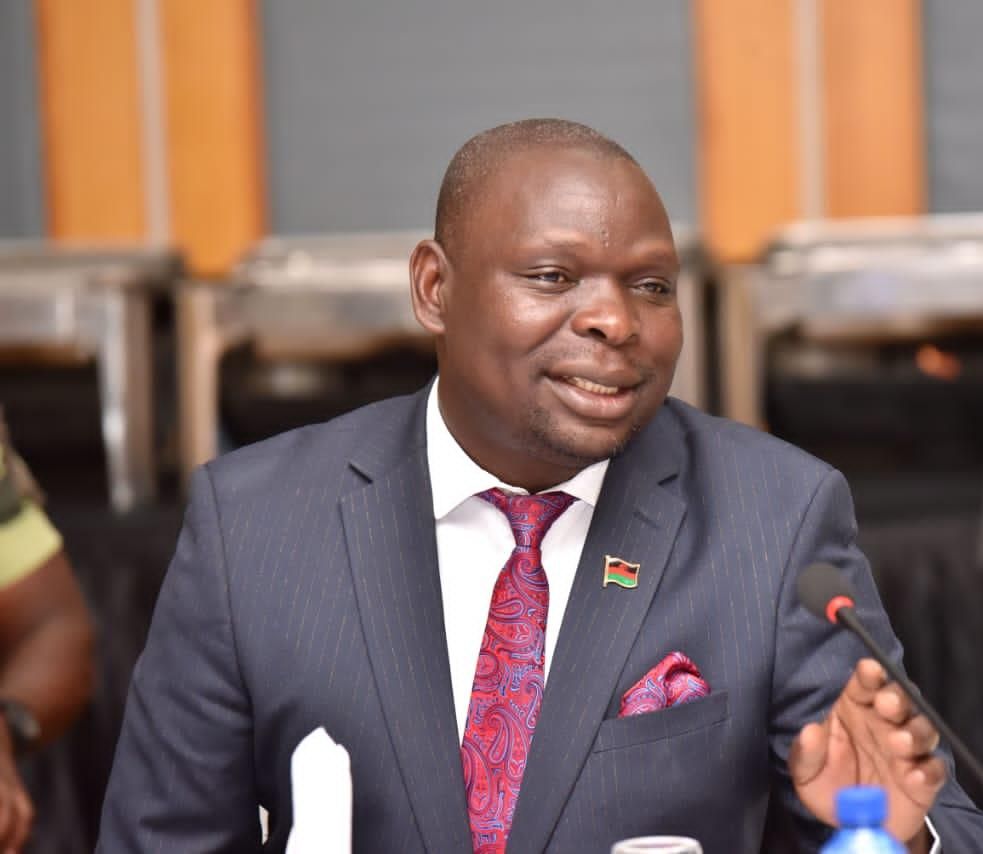
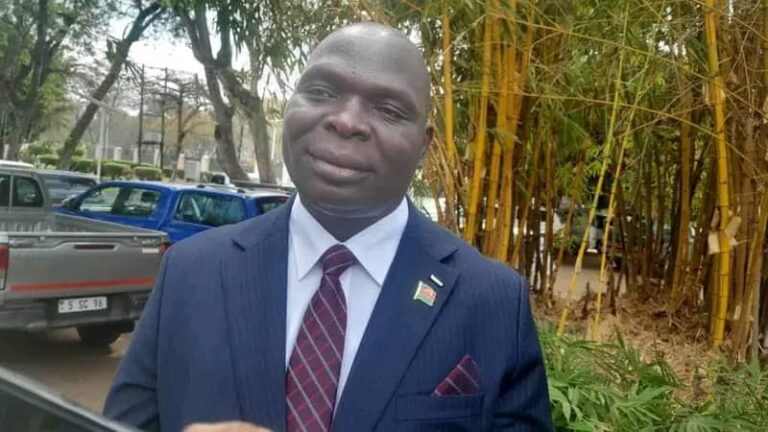
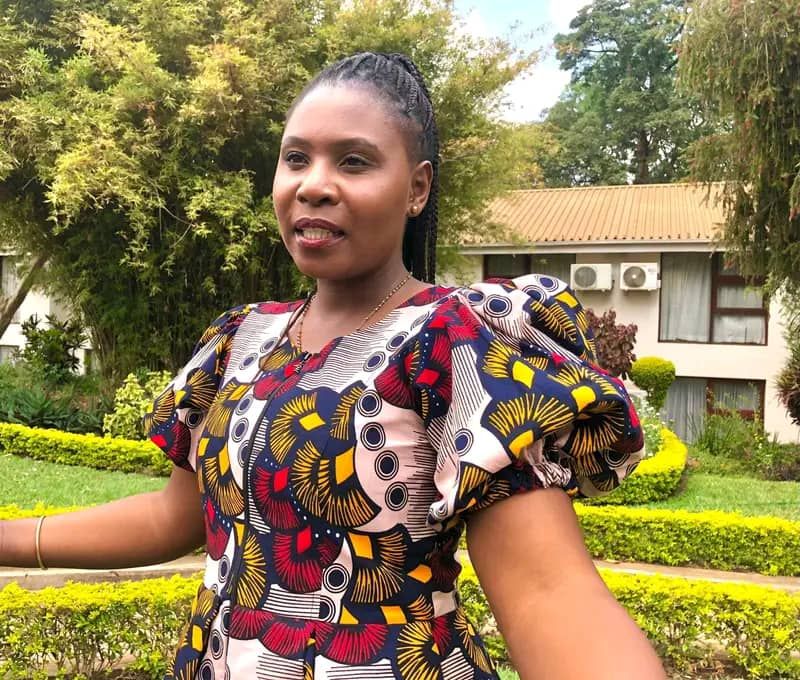
Minister of Finance Simplex Chithyola Banda has appealed to African Risk Capacity Limited (ARC Ltd) to provide Malawi with capacity-building support in addition to financial assistance.
He made the appeal on Thursday during a board meeting of ARC Ltd in Salima district, which brought together representatives from various African and European countries.
Chithyola
Banda emphasized that Malawi lacks the necessary capacity to effectively manage natural disasters, both before and after they occur.
On his part, Chairperson of ARC Ltd,Maxwell Mkwezalamba, confirmed that the insurance company is committed to collaborating closely with the Malawi government.
ARC Ltd is an African insurer that provides parametric insurance services for climate change and health risks to African Union member states.
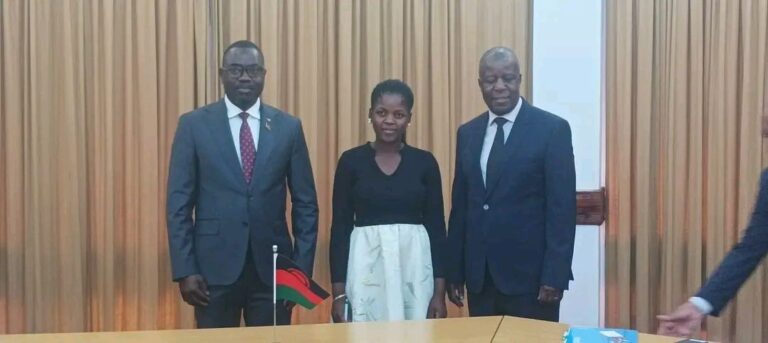
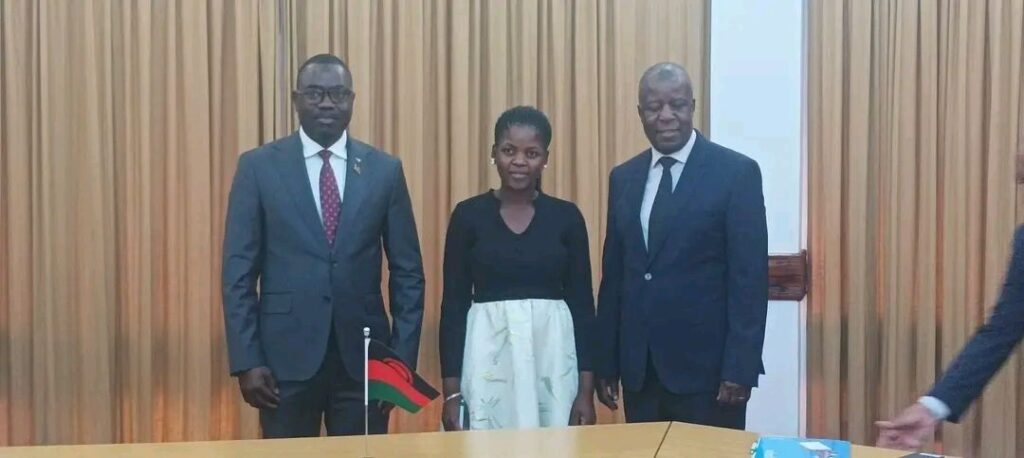
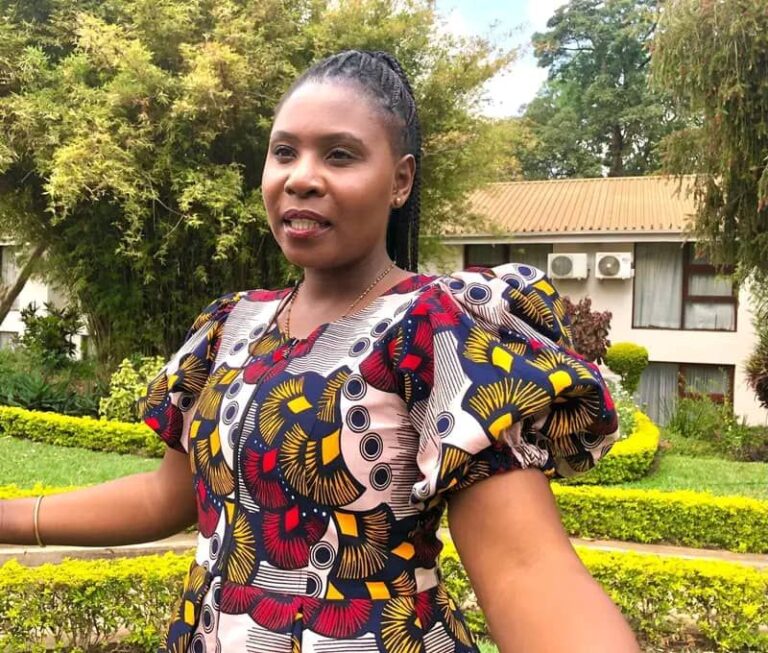
19-year-old environmental sustainability champion for Mulanje district,Elizabeth Chinga, has been unveiled as the newest member of the Global Girl Leaders Advisory Group (GGLAG) by the United Nations International Children’s Emergency Fund (UNICEF)
UNICEF Country Representative Shadrack Omol announced this in Lilongwe on Thursday.
He said Elizabeth who is in form four at Chiwalo Community Day Secondary School, is now one of the 12 girls in this prestigious advisory group, and one of only two African members.
In her remarks, Elizabeth shared that her passion for climate change resilience started when her home was washed away by floods in 2021, forcing her to live in a camp.
Minister of Youth and Sports, Uchizi Mkandawire, praised Elizabeth’s recognition, describing it as a great testament to her hard work and dedication as an advocate for girls on issues affecting adolescents.
The International Organization for Migration (OIM) has expressed their gratitude that Malawi is on the right track in dealing with issues of migration in the African continent.
Speaking during the High -Level Stakeholder Workshop for the Drafting of the Global Compact for Migration National Implementation Plan ( GCM NIP) and structuring of the related National Coordination Mechanism, OIM Chief of Mission Nomagugu Hanyana Ncube said Malawi is one of the twelve countries in Africa that is voluntarily signed up to be country for GCM.
Ncube – migration issue need to be addressed
Ncube revealed that signing up to be a champion country for GCM does not mean that the country knows everything about Migration but it is an open commitment in order to take forward the agenda of migration and to recognise the development potential within the national migration framework.
She disclosed that the implementation of migration in this country will address issues like Migration in development, labour migration, diaspora migration, migration and education, migrants protection and migration and data.
On his part Principal secretary in the ministry of Homeland security, Steve Kayuni, said Malawi being one of the champions since 2021 they are geared towards having the implementation plan hence they are torchbearers on the issues of migration.
He stated that the status of the country on migration is a mix bag saying the opportunity is there and also challenges which need to be teased out in the policy framework that is supposed to be developed to make sure that Malawi is geared towards teasing out the challenges.
The workshop brought together the civil society organization, representative of communities and the government officials.
In a bid to enhance Malawi’s disaster preparedness and management capabilities, Minister of Finance Simplex Chinthyola Banda has called on African Risk Capacity Limited (ARC Ltd) to go beyond financial assistance and offer critical capacity-building support. Banda made this appeal on Thursday in Salima district during a board meeting of ARC Ltd, which brought together representatives from various African and European nations.
During the meeting, Banda highlighted Malawi’s pressing need to improve its ability to manage natural disasters effectively, both in terms of preparedness and response. He stressed that while financial support from ARC Ltd is vital, the country also requires technical expertise and training to build the capacity of local institutions and officials in disaster management.
Chithyola
“Malawi continues to face challenges in managing natural disasters, especially with the increasing frequency of climate-related events. While financial assistance is important, we need to strengthen our systems and institutions to ensure we are better prepared for and can respond effectively to disasters,” Banda stated.
African Risk Capacity Limited, an insurance company that provides parametric insurance services for climate and health risks, is designed to help African Union member states mitigate the financial impact of natural disasters. The organization offers a safety net for countries like Malawi, which are prone to extreme weather events, including floods, droughts, and storms that have been exacerbated by climate change.
Maxwell Mkwezalamba, chairperson of ARC Ltd, acknowledged Banda’s concerns and confirmed that the organization is committed to closely collaborating with the Malawi government. He emphasized that ARC Ltd is not only focused on providing financial assistance through insurance but also seeks to offer technical support that can help member states build long-term resilience against disasters.
“ARC Ltd is committed to helping Malawi and other African nations build the capacity needed to manage disasters. We understand that financial assistance alone is not enough, and we will work with the government to ensure that capacity-building initiatives are part of our ongoing support,” Mkwezalamba said.
Malawi has experienced several natural disasters in recent years, from devastating floods to prolonged droughts, all of which have had significant economic and social impacts. The country’s vulnerability to climate change has exposed the need for improved disaster risk management systems. Banda noted that many local institutions tasked with responding to these emergencies lack the necessary skills, technology, and infrastructure to effectively manage crises.
Capacity building involves enhancing the knowledge, skills, and systems within local agencies responsible for disaster preparedness and response. This includes training personnel in early warning systems, developing effective disaster response plans, and improving coordination among various stakeholders, including government agencies, NGOs, and local communities.
Banda further emphasized that the long-term success of disaster risk management in Malawi will depend on the country’s ability to reduce its dependence on external aid by strengthening internal capacities.
The minister’s appeal aligns with the broader goals of the African Union’s Agenda 2063, which aims to foster resilience in African countries by promoting sustainable development and effective disaster management. By integrating capacity-building efforts into its collaboration with ARC Ltd, Malawi can enhance its disaster preparedness, reduce the impact of future disasters, and move toward a more self-reliant model of disaster management.
With support from ARC Ltd, Malawi could see improvements in its ability to predict and respond to natural disasters, ultimately saving lives, protecting livelihoods, and reducing the overall cost of recovery.
As climate change continues to present new challenges, the partnership between Malawi and ARC Ltd could serve as a model for other African nations seeking to build resilience against the growing threat of climate-related disasters.
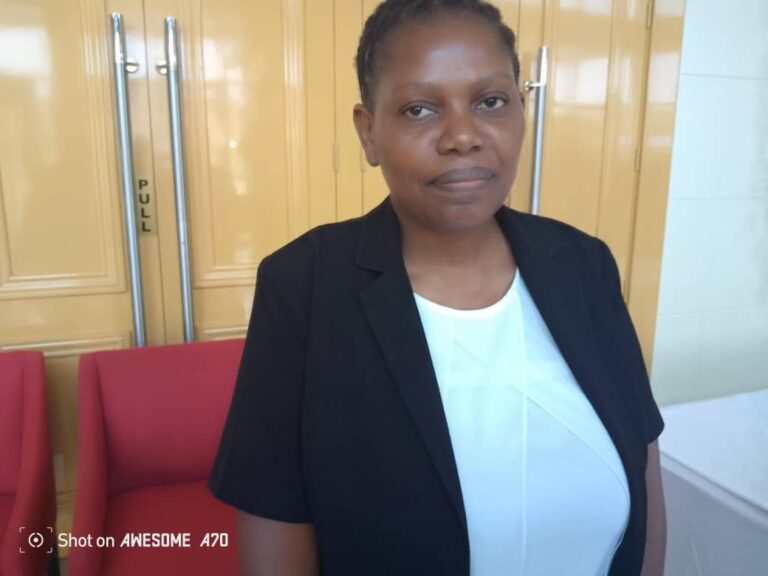
Acting Director for Child Affairs in the Ministry of Gender, Community Development, and Social Welfare, Justin Hamera, has urged stakeholders and partners to strengthen collaboration with the National Children’s Commission (NCC) in addressing the need for increased financial resources and improved services for children in Malawi. He made this call during a meeting organized by the ministry, which brought together NCC commissioners and other stakeholders to discuss strategies for enhancing support for children’s welfare.
Hamera emphasized that the ministry’s primary objective is to hold various partners accountable for providing financial support to children. He highlighted that the establishment of the Children’s Commission acknowledges the multiple challenges children face in Malawi and seeks to address the critical gaps in services and resources available to them.
Hamera
“Children are at the heart of our future development, and we must work together to ensure they receive the care, protection, and resources they deserve,” Hamera said, stressing the importance of collective responsibility in ensuring the success of the commission’s work.
Julia Chimuna, one of the commissioners of the NCC, noted that the commission will require 3 billion kwacha to establish itself and fulfill its mandate effectively. She underscored that this funding is critical to improving the lives of children across the country, as the commission will be tasked with overseeing service delivery and advocating for children’s rights.
In the coming six months, the NCC plans to develop regulations for the children’s services sector and establish monitoring standards to ensure that operations across the country are consistent and meet the needs of Malawian children.
The Ministry of Gender and the NCC expressed optimism that through enhanced collaboration and financial support, the country can make significant strides in ensuring the well-being of its children.