Football Association of Malawi (FAM) has expressed sadness over the death of Chitipa United Assistant Coach Mr Gift Nathaniel Mkamanga, who was one of the participants at the ongoing CAF B Coaching currently underway at Mpira Village in Blantyre.
Mkamanga was found dead in his room this morning after his colleagues noticed that he was missing during breakfast.
The late Gift Mkamanga
FAM has extended heartfelt condolences to the Mkamanga family, Chitipa United and the entire Malawi Football fraternity.
Mkamanga’s body is currently at College of Medicine in Blantyre for a postmortem.
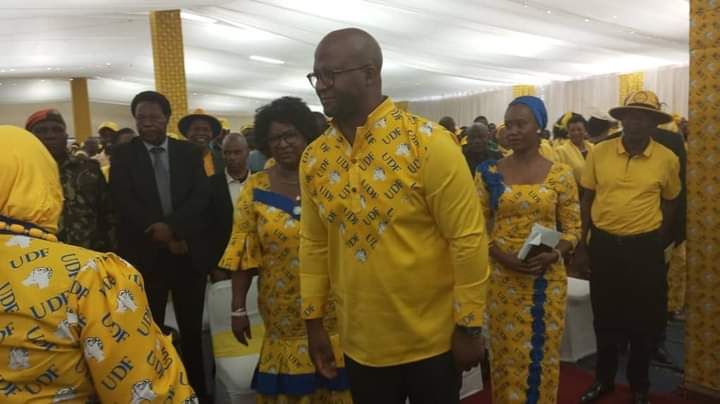
A storm is brewing within the United Democratic Front (UDF) as supporters vehemently oppose any potential alliance with the Malawi Congress Party (MCP).
The UDF’s history with the MCP is complex, with many viewing the latter as a “murderous party” responsible for past harm and violence.
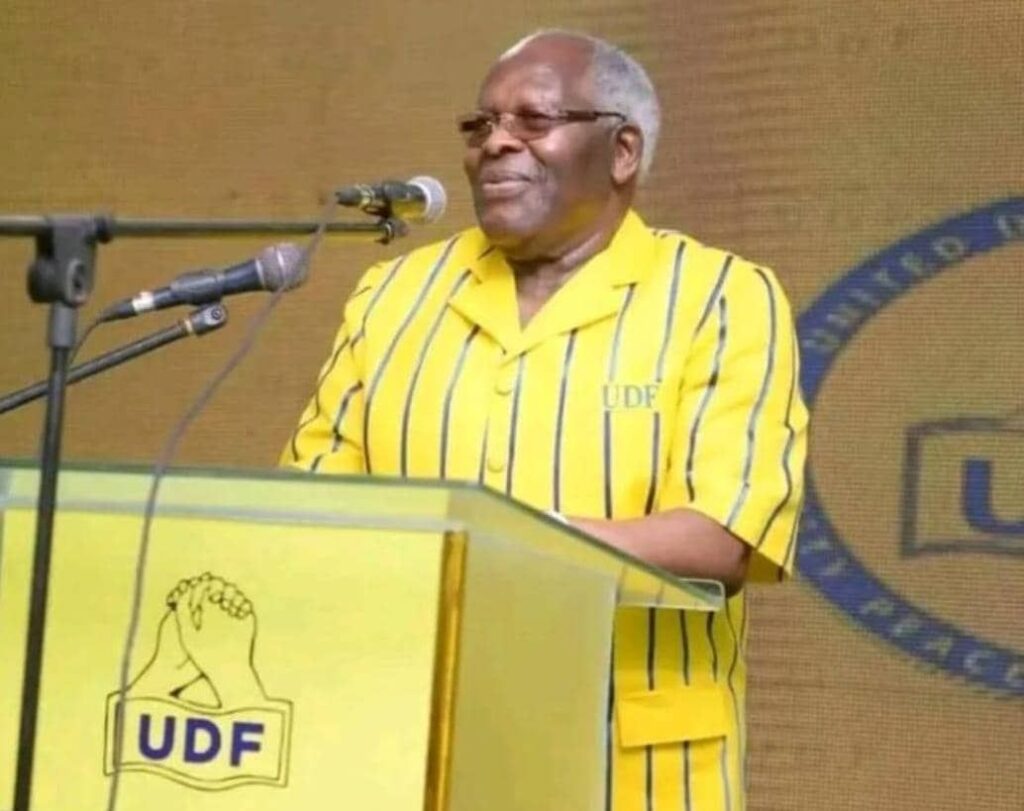
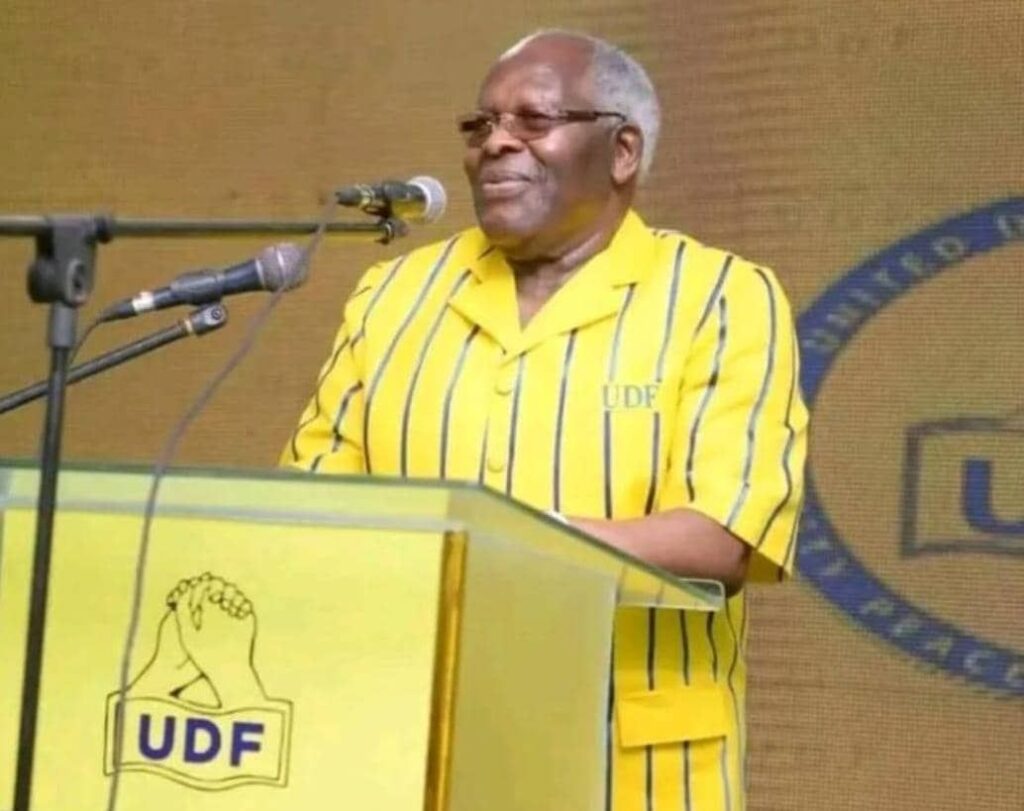
At the UDF’s recent convention, Bakili Muluzi, the party’s patron, expressed concern over the absence of MCP members.
However, UDF supporters were quick to reject any notion of an alliance, citing the MCP’s troubled past.
They warn that any attempt to partner with the MCP will be met with swift action against the party.
A Troubled History
The UDF’s roots date back to 1992, when it was founded by Bakili Muluzi.
The party played a crucial role in Malawi’s transition to democracy, with Muluzi serving as president from 1994 to 2004.
However, the UDF’s relationship with the MCP has long been strained.
Supporters argue that the MCP’s history of violence and harm makes it an unsuitable partner.
They fear that an alliance would betray the UDF’s values and legacy.
Atupele Muluzi, the UDF’s president, is under pressure to resist calls for an alliance with the MCP.
Internal Tensions Rise
The UDF’s decision to invite the MCP to its elective conference sparked outrage among party members.
Many view the move as a betrayal of the party’s principles.
The UDF’s leadership faces a daunting task in balancing the party’s values with the potential benefits of an alliance.
As tensions rise within the UDF, the party’s leadership must navigate this complex issue carefully.
The fate of the UDF hangs in the balance, with supporters demanding that the party remain true to its values and legacy.
In the words of one UDF supporter, “We cannot betray our principles by partnering with a party responsible for so much harm.
The UDF must stand strong and reject any alliance with the MCP.” The coming days will reveal whether the UDF’s leadership will heed this call.
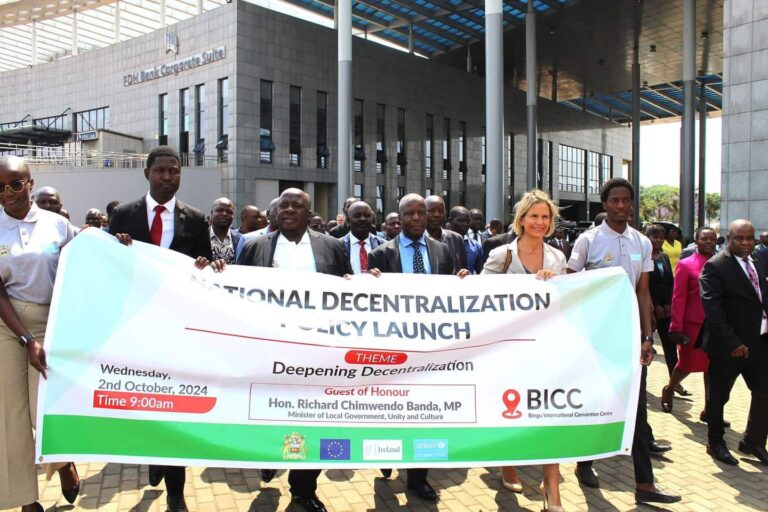
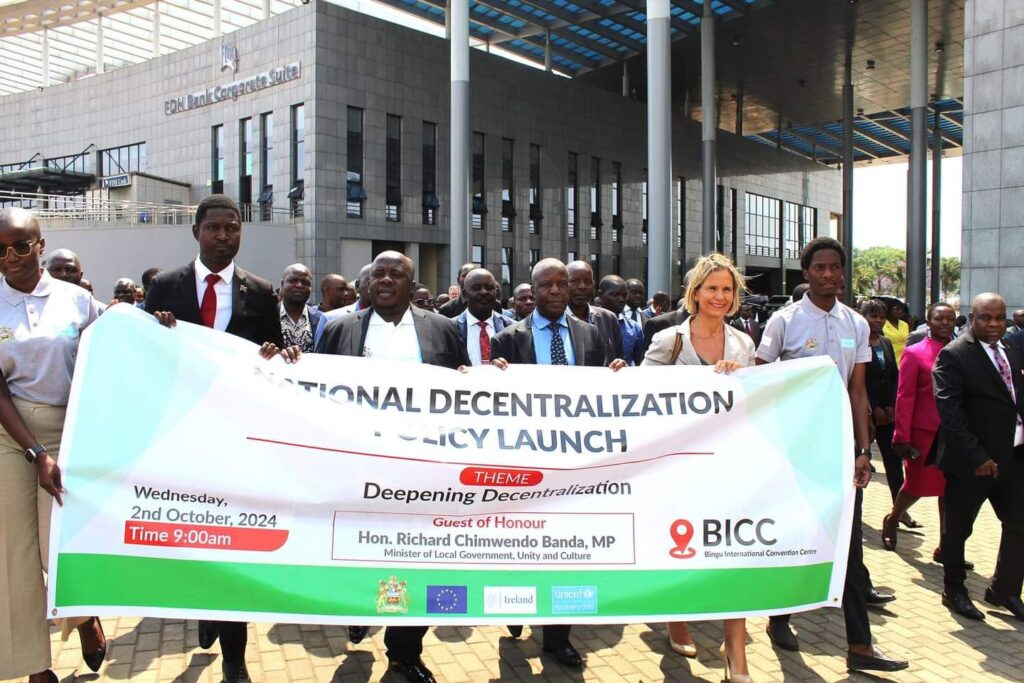
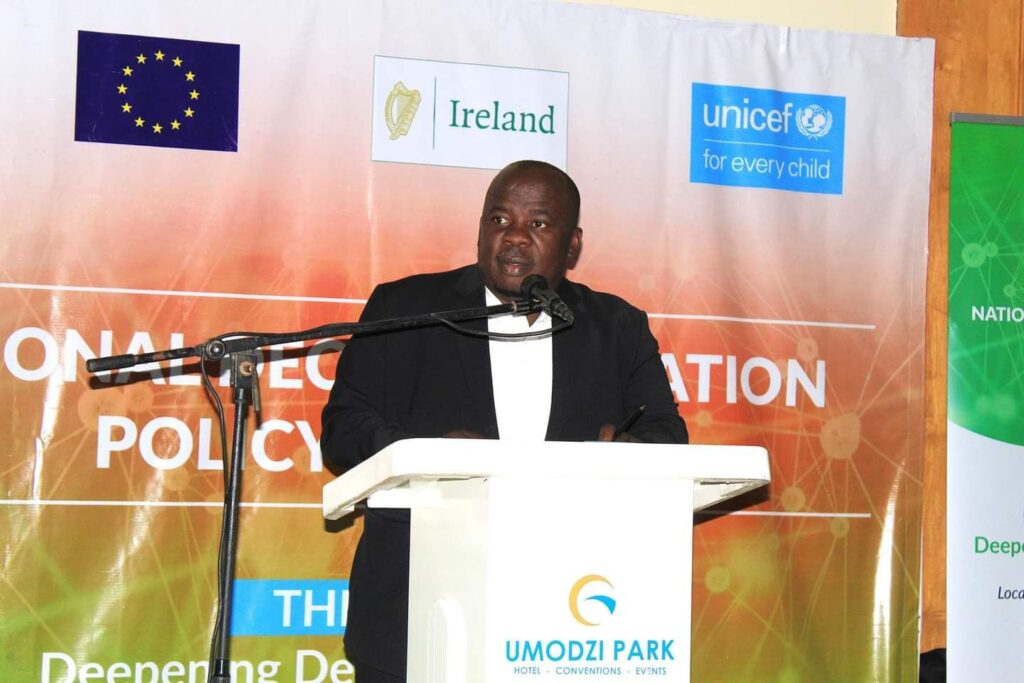
Minister of Local Government, Unity and Culture Richard Chimwendo Banda has emphasised the need for various ministries, departments, and agencies to devolve their powers to councils for effective implementation of decentralisation, which is critical in the realization of Vision 2063.
He made the remarks on Wednesday, during the official launch of the National Decentralisation Policy (NDP) under the theme “Deepening Decentralisation” in Lilongwe.
The Minister stressed that the policy is an upgrade of the first edition policy, which was launched in 1998 and had some gaps in enhancing decentralisation.
He stated that this new policy will address critical gaps, including financial discipline, increasing availability of resources at Local Councils, community participation, and ensuring that councils effectively implement works assigned to them.
He said by devolving powers to local councils, the government will be able to operate effectively, reducing inconvenience and inconsistency in service delivery to citizens in the country, and ensuring that people are aware of what is happening in their country.
He also stressed that the policy will provide a framework for monitoring and evaluating how Local Councils are performing.
He stated that the policy will provide a platform for the Central Government to assess the performance of various councils emphasising the importance for all authorities to embrace decentralisation.
In his remarks, United Nations International Children’s Emergency Fund (UNICEF) Representative Shadrack Omol commended the government for the launch of the second edition of the NDP policy, stating that the policy will help to improve and address various challenges faced in the previous policy.
He highlighted that the launch of the policy signifies the government’s commitment to embracing decentralisation, which can enhance efficiency in service delivery in the country.
Omol said UNICEF will continue to support Malawi through the national budget and technical support to ensure the effective implementation of the policy.
The United Democratic Front (UDF) convention at COMESA Hall witnessed a striking contradiction from its patron, Bakili Muluzi.
He emphasized the party’s tolerance and democratic values, citing the 1993 attainment of democracy in Malawi as the reason for inviting the Malawi Congress Party (MCP).
However, Muluzi’s stance on not barring the MCP delegation sparked resistance from party members, raising questions about his understanding of democracy.
In a democratic setup, the majority’s voice holds sway. By condemning the rejection of MCP’s presence, Muluzi seemed to overlook this fundamental principle.
Democracy is about respecting the will of the people, even if it contradicts individual preferences. Muluzi’s actions, therefore, came across as undemocratic.
The UDF, founded by Muluzi in 1992, prides itself on being a liberal party.
Its history is marked by significant milestones, including becoming the majority party in parliament with 75 seats, surpassing the MCP’s 59 seats.
However, the current developments have led to speculation about the party’s true nature.
Bakili Muluzi
The Family Party Debate
With Bakili Muluzi as patron and his son, Atupele Muluzi, as president, many have begun to question whether the UDF has become a family entity ². Senior party members have disputed these claims, but the coincidence is hard to ignore.
Atupele Muluzi’s presidency, which began in 2012, has been a subject of discussion, especially after his brief departure from the party.
The UDF’s manifesto emphasizes inclusive reforms and transformation.
However, the recent events have cast a shadow on the party’s commitment to democracy.
The resistance from party members against the MCP’s invitation highlights the complexities within the UDF.
Challenges Ahead
As the UDF navigates these challenges, it must reconcile its democratic values with the aspirations of its members.
The party’s history, marked by significant contributions to Malawi’s democratic journey, is at risk of being tarnished by internal conflicts.
The UDF’s ability to address these concerns will determine its future in Malawi’s political landscape.
As the country watches, one thing is clear: democracy requires respecting the will of the people, even when it’s inconvenient.
Former President Bakili Muluzi, now patron of the United Democratic Front (UDF), emphasized the party’s commitment to unity and non-nepotism during the recent convention.
Muluzi defended outgoing UDF President Lilian Patel and convention chairperson Aisha Adams, asserting they did not disrupt the event’s proceedings.
Muluzi’s speech was notable for its emphasis on peace and unity, sparking speculation about a potential alliance with the Malawi Congress Party (MCP). The UDF has historically championed democracy in Malawi, ousting the MCP from power in 1994.
However, recent developments suggest a possible realignment of political forces.
Bakili Muluzi
Atupele Muluzi, who resigned from the party and later rejoined, has taken the reins as UDF president.
Bakili Muluzi jokingly expressed interest in competing for the presidential post but feigned fear of being defeated by younger candidates.
The UDF’s history is marked by significant milestones, including becoming the majority party in parliament with 75 seats, surpassing the MCP’s 59 seats.
The party’s current trajectory, potentially culminating in an alliance with the MCP, has sparked intense debate.
Possible Alliance with MCP?
Rumors of an MCP-UDF alliance have been circulating, with some analysts interpreting Muluzi’s speech as an olive branch to the MCP.
The UDF’s invitation to the MCP to attend the convention has already generated controversy within the party.
As Malawi’s political landscape continues to evolve, the UDF’s stance on unity and potential collaborations will be closely watched.
The developments within the UDF and potential implications for Malawi’s political landscape will continue to unfold in the coming months.