
Monday, April 6, 2026
No menu items!
spot_img
Home Blog Page 1037

Vice President Michael Bizwick Usi: Transforming NEEF and empowering Malawians

0

By Burnett Munthali

Vice President Michael Bizwick Usi has emerged as a game-changer for Malawi’s National Economic Empowerment Fund (NEEF), an organization once plagued by controversy and political bias. His involvement has significantly altered the trajectory of NEEF, bringing hope for its potential to uplift Malawians from poverty through economic empowerment.

NEEF had been tainted by allegations of favoritism, with many believing that its loans were reserved for those aligned with the ruling party. However, since Vice President Usi’s intervention, the fund’s image has begun to shift. In just a few weeks, the organization has made noticeable improvements, and Usi’s advocacy has sparked hope among those who once felt excluded from its benefits.
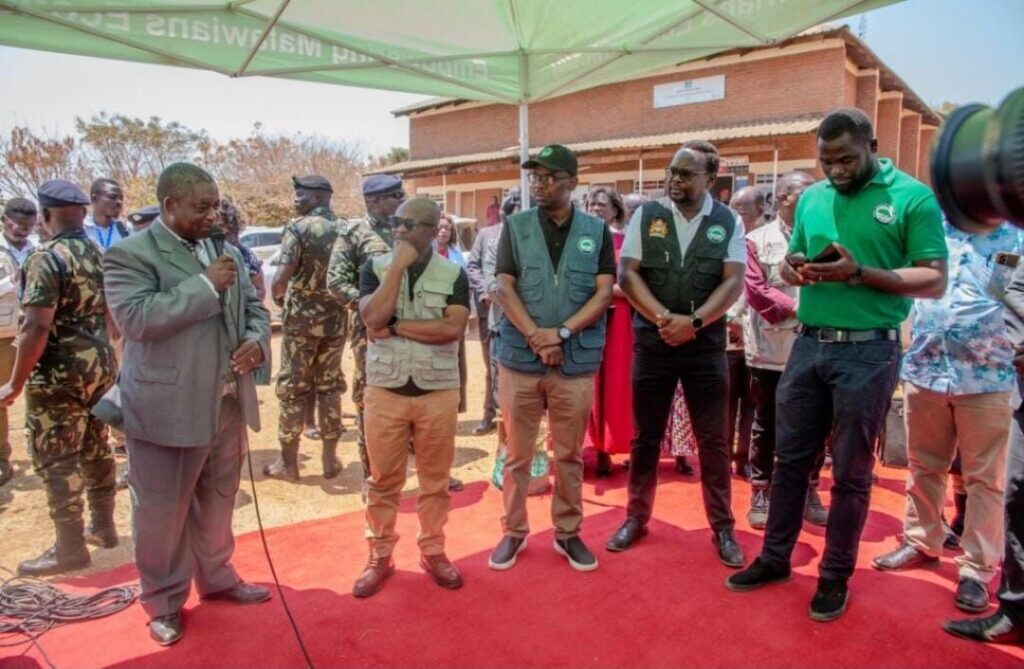
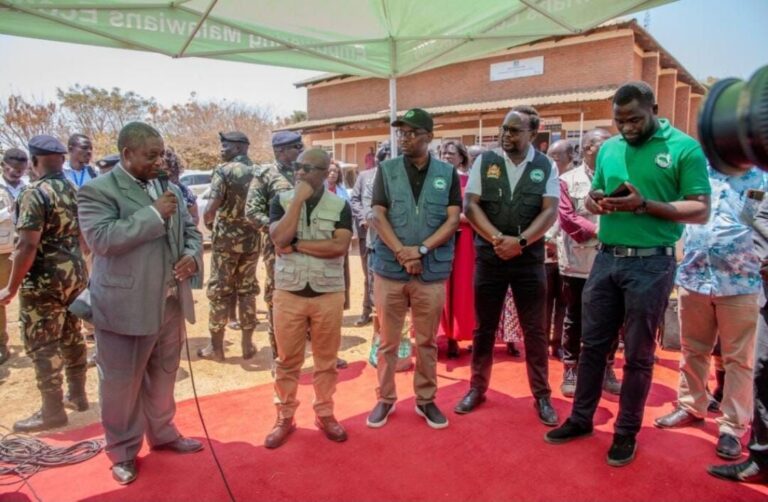
Usi has consistently championed reforms aimed at making NEEF more accessible, particularly to the poorest Malawians. During discussions with NEEF officials, he questioned certain practices that make it difficult for vulnerable individuals to access loans. One such issue is the requirement for a guarantor, which Usi has called into question.

“For instance, think of a poor woman who wants to borrow K50,000 to expand her mandasi business but cannot find anyone to act as her guarantor. Should we penalize this innocent woman?” Usi asked during a meeting with NEEF executives.

By highlighting these challenges, Usi has positioned himself as a leader committed to removing political influence from NEEF, ensuring that the fund remains focused on its core mission of economic empowerment.

Usi has made it clear that NEEF is not a political tool. “NEEF is not for politicians or their supporters. NEEF belongs to all Malawians. It should empower people to be self-reliant,” Usi told gatherings in Salima, Kasungu, Karonga, and Mzimba during his recent tours.

He emphasized that reliance on handouts only perpetuates dependence and a lack of self-respect, advocating instead for a system that fosters self-sufficiency among Malawians.

NEEF Chief Executive Humphrey Mdyeseni expressed gratitude for Usi’s leadership in helping the fund overcome its tarnished reputation. “We are truly thankful, Your Excellency. You have shown the public that NEEF is not what they thought it was. Perceptions have changed,” Mdyeseni said, acknowledging Usi’s efforts to revitalize the organization.

Mdyeseni also praised the vice president for pushing NEEF to become more responsive and adaptable. “You’ve challenged us to be more accountable and flexible in our approach. We will review some of our procedures to ensure efficiency and reduce the bureaucratic delays that people face in accessing loans,” he said during one of the meetings.

In his mission to restore public trust in NEEF, Vice President Usi has spent extra hours meeting with current and potential beneficiaries to assess their experiences and gather feedback. His engagement with the public reflects his dedication to ensuring that NEEF remains a tool for empowerment, rather than a source of frustration.

However, Usi did not forget to emphasize one key responsibility: loan repayment. “This is a revolving fund. When we borrow, we must repay so that others can also benefit. By doing this, we will empower ourselves and tackle poverty head-on,” Usi reminded the participants at the meetings.

Vice President Michael Bizwick Usi’s hands-on approach to NEEF has already begun to bear fruit. His tireless efforts to depoliticize the organization and focus on economic empowerment have instilled new hope among Malawians. Through his leadership, Usi is not only changing the face of NEEF but also creating a pathway for many to break free from the cycle of poverty.

With his recent tours and engagement with NEEF beneficiaries, Usi has demonstrated that his commitment goes beyond rhetoric. His actions reflect a genuine desire to see Malawians empowered and self-reliant, making him a leader who is truly invested in the success of his nation’s citizens.
All set for ‘The Best Of Gwamba Concert’  on Saturday

0

By  Durell Namasani

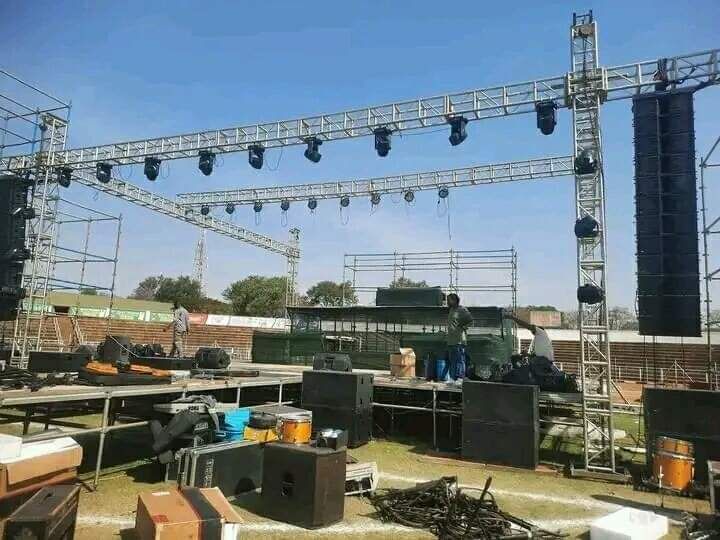
All is set for the long-awaited Concert for hip-hop artist Gwamba dubbed ‘The Best of Gwamba Concert’ slated for this Saturday, September 21 at Civo Stadium in Lilongwe.

According to the rapper, real name Duncan Zgambo, preparations for the show are at an advanced stage and he urged people to patronise the event in large numbers to witness one of the best shows this year.

“Yest It’s happening tomorrow. Advance tickets are almost sold out.Myself and the team are fully prepared for the event and we promise you nothing but fireworks,” said Gwamba.

Apart from Gwamba, the concert will also feature performances by a number of artists including South Afrcia’s Kamo Mphela and Focalistic.

Other artists expected to perform on the day include Zeze Kingston, Kell Kay, Eli Njuchi, Malinga Mafia, Lulu, Praise Umali, Saint, Temwah, Wikise, Gibo Pearson, Teddy Makadi, Charisma,Emmie Deebo, Sean Morgan, Aidfest and Kineo Fada Moti, Mic Mash, Chizmo, K Banton and Mabilinganya.

Organised by Gwamba’s Landlord Entertainment, the event is going to be hosted by Blackjack from Times Television and Priscilla from Zodiak Television.

Gwamba

Malawi votes against UN resolution on Israel’s presence in occupied Palestinian territory

0

By Burnett Munthali

On Wednesday, September 18, 2024, Malawi voted against a United Nations General Assembly resolution calling for Israel to end its presence in the occupied Palestinian territories. This decision has sparked debate both domestically and internationally, as Malawi joins a handful of nations opposing the resolution, which has long been a focal point in the Israeli-Palestinian conflict.

The resolution, backed by many countries, called on Israel to cease its military and civilian presence in territories considered occupied, including the West Bank, East Jerusalem, and Gaza. It reaffirmed the international community’s stance on the need for a two-state solution, where both Israel and Palestine would coexist as independent states, with clearly defined borders based on pre-1967 lines.


For years, the UN has maintained that Israel’s occupation of these territories violates international law. The resolution also emphasized the need for the protection of human rights for Palestinians living under occupation and urged Israel to halt settlement activities, which many consider illegal under international law.

Malawi’s decision to vote against the resolution comes as a surprise to some, given the country’s historic support for anti-colonial struggles and human rights causes, particularly in Southern Africa. However, Malawi has increasingly aligned itself with Israel in recent years, strengthening diplomatic and economic ties.

In recent times, the Malawian government has made no secret of its growing relationship with Israel. In 2020, Malawi announced plans to open an embassy in Jerusalem, becoming one of the few African nations to do so. This move symbolized Malawi’s recognition of Jerusalem as Israel’s capital, a controversial stance that defies international consensus, as most countries still recognize Tel Aviv as Israel’s capital due to the unresolved status of Jerusalem in peace negotiations.

Several factors likely influenced Malawi’s vote. First and foremost, Malawi’s deepening political and economic relationship with Israel has likely played a key role. Israel has increasingly sought to improve its ties with African nations, providing them with development assistance, agricultural expertise, and military support. In Malawi, Israel’s assistance in areas such as irrigation, healthcare, and technology has been welcomed, helping foster a closer bilateral relationship.

Additionally, Malawi’s stance may reflect the broader geopolitical shifts in Africa, where several countries have moved to strengthen ties with Israel, partly influenced by the changing dynamics in the Middle East, including the Abraham Accords, which normalized relations between Israel and several Arab nations. These developments have encouraged some African nations to rethink their positions on the Israeli-Palestinian conflict.

Domestically, Malawi’s vote has sparked mixed reactions. Some view it as a pragmatic decision, pointing to the benefits Malawi has gained from its relationship with Israel. The government, under President Lazarus Chakwera, may be seeking to solidify economic and diplomatic ties that it believes could spur development in Malawi.

However, critics argue that this vote contradicts Malawi’s long-standing values of justice and support for self-determination, values deeply rooted in the country’s own struggle for independence. Some civil society organizations and political figures have expressed disappointment, noting that Malawi has historically sided with liberation movements and supported the rights of oppressed peoples, especially during the era of apartheid in South Africa.

Opposition leaders have also questioned whether the government is prioritizing short-term economic gains over Malawi’s ethical responsibilities on the global stage. They warn that Malawi’s position on this issue may undermine its reputation in international forums, especially among African and Arab nations that continue to support the Palestinian cause.

Malawi’s vote places it at odds with much of the African Union (AU), which has traditionally backed resolutions in support of Palestinian rights. Most African countries continue to side with Palestine in the Israeli-Palestinian conflict, drawing on their own experiences with colonialism and struggles for self-determination. Malawi’s stance could strain its relations with certain AU members who maintain strong support for Palestine.

At the same time, Malawi’s decision aligns it with countries such as the United States and several Western allies that support Israel in international forums. It also signals Malawi’s desire to play a more prominent role in global geopolitics, particularly in the context of its developing relationship with Israel.

Malawi’s vote against the UN resolution demanding an end to Israel’s presence in occupied Palestinian territories reflects a complex web of political, economic, and diplomatic considerations. While it signals a shift in Malawi’s foreign policy, aligning more closely with Israel, it also raises important questions about the nation’s commitment to international norms and its historical support for liberation and self-determination.

As Malawi continues to navigate its role on the international stage, this decision is likely to remain a topic of debate, both within the country and across the continent. Whether Malawi’s closer ties with Israel will yield long-term benefits or complicate its international relationships remains to be seen.

Mzuzu welcomes Peter Mutharika: A political gathering at Shoprite Roundabout

0

By Burnett Munthali

Mzuzu, Malawi – On September 19, 2024, a large crowd gathered at the Shoprite Roundabout in Mzuzu to warmly welcome former President Peter Mutharika, who is also the leader of the Democratic Progressive Party (DPP). The event marked a significant moment in Malawian politics as supporters came together to express their loyalty and enthusiasm.

The scene was vibrant, with women and youth donning DPP attire and traditional wear. Many danced and sang praises for Mutharika, creating an atmosphere filled with excitement and anticipation. Supporters from various backgrounds united, showcasing the diverse base that the DPP has maintained in the northern region.


Mutharika is set to hold a political rally at the Katoto Sports Complex on September 21, 2024. This will be his first major political event in the northern region since the 2020 elections. Many see this rally as a crucial opportunity for Mutharika to reconnect with constituents and outline his vision for the future.

This gathering not only signifies Mutharika’s continued relevance in Malawian politics but also highlights the DPP’s efforts to regain its footing in the face of challenges. As the political landscape evolves, Mutharika’s ability to rally support will be instrumental in shaping the DPP’s strategies moving forward.

The warm reception of Peter Mutharika in Mzuzu reflects both his enduring support and the DPP’s aspirations for a resurgence in the upcoming political climate. With the rally just days away, anticipation is high for what Mutharika will present to his followers and how this will impact the political narrative in Malawi.

Tensions rise as Hezbollah and Israel exchange rhetoric amidst recent events

By Burnett Munthali

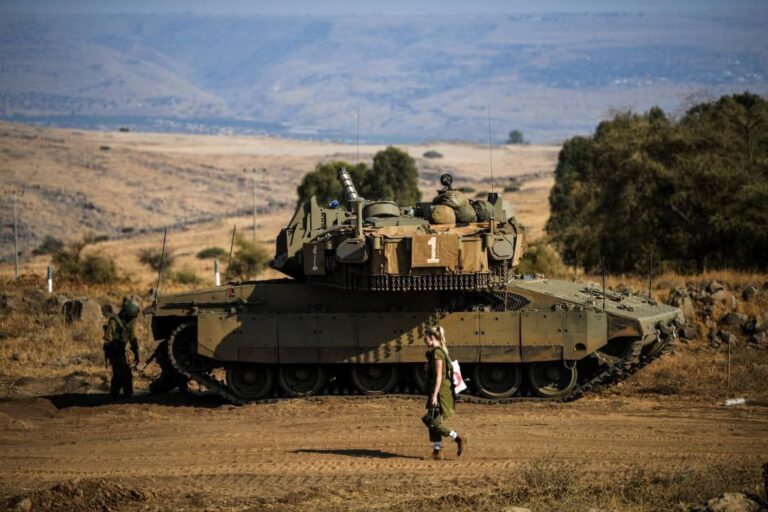
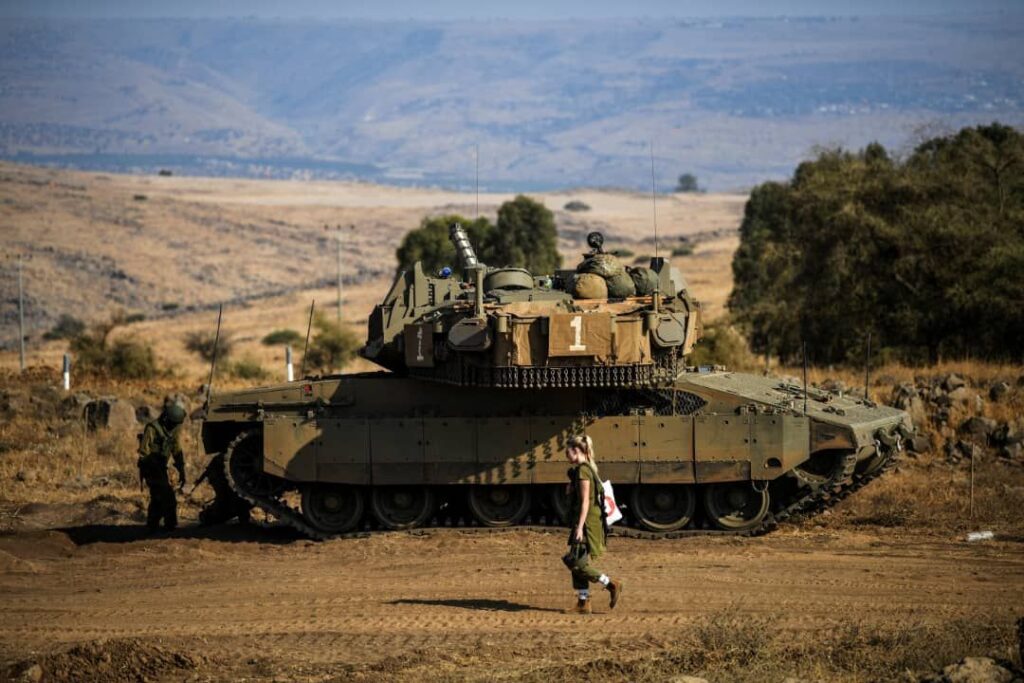
In recent days, tensions have escalated between Israel and Hezbollah, following a series of incidents that have heightened hostilities in the region. While the Israeli government has refrained from directly assuming responsibility for recent actions, the rhetoric from both sides has intensified, with Hezbollah’s leader delivering a fiery speech promising retaliation.

Hezbollah’s leader acknowledged the casualties among first responders and expressed solidarity with those affected by the violence. However, he did not offer any significant revelations during his address. Instead, he indicated that retaliation could be unexpected, suggesting that Hezbollah would not disclose its plans in advance. This strategic ambiguity adds to the already volatile atmosphere.


Hezbollah is acutely aware of Israel’s military superiority, but the group remains defiant. The leader’s remarks included a provocative invitation for Israel to invade Lebanon, a move that would allow Hezbollah to engage on familiar terrain. The last major conflict between Hezbollah and Israel in 2006 resulted in a stalemate but demonstrated Hezbollah’s capability to inflict significant damage on Israeli forces. This history looms large in current calculations, as Hezbollah’s military strategy has evolved to include sophisticated weaponry, much of it sourced from allies like Iran.

The current situation is complicated further by Iran’s role in the conflict, particularly following the assassination of Ismail Qaani in Tehran on July 31. Iran views this incident as a direct affront and may seek retribution against Israel, heightening the stakes for both parties.

Amid these tensions, there is speculation that a potential ceasefire deal concerning Gaza could provide a cooling-off period. Such an agreement might help diffuse some of the current hostilities and shift focus away from escalating military engagements.

The dynamics of this situation are underscored by the operational challenges facing Hezbollah, particularly in maintaining effective command and control. Reports suggest that the organization’s structure is strained, complicating its ability to coordinate a response to Israeli actions. While Hezbollah is often described as a terrorist organization by many governments, its military capabilities and strategic positioning make it a formidable adversary that Israeli Defense Forces (IDF) commanders do not take lightly.

As the situation develops, both sides must navigate the delicate balance between military posturing and the potential for broader conflict. The risk of miscalculation is significant, and any escalation could have dire consequences for the region as a whole. The coming days will be crucial in determining whether rhetoric gives way to diplomacy or further violence.