Friday, April 17, 2026
No menu items!
spot_img
Home Blog Page 1075

Reserve Bank Governor plays down Kwacha devaluation : IMF sets 60% target amid economic warning*

0


By Twink Jones Gadama

The Reserve bank Governor Dr Wilson  Banda has issued a statement where he plays down the rumours that are making rounds saying the Kwacha is to be devalued again. He has since appealed to the general public to desist from creating and circulating false reports which bring about unwanted speculation, panic and uncertainty in the economy.

Earlier on ,they were reports that  the International Monetary Fund (IMF) has issued a stern warning to the Malawian government, urging a 60% devaluation of the Kwacha or risk forfeiting the second tranche of the Extended Credit Facility (ECF).

According to sources, IMF Chief Kristalina Georgieva has written to Finance Minister Simplex Chithyola Banda, emphasizing the dire consequences of inaction.
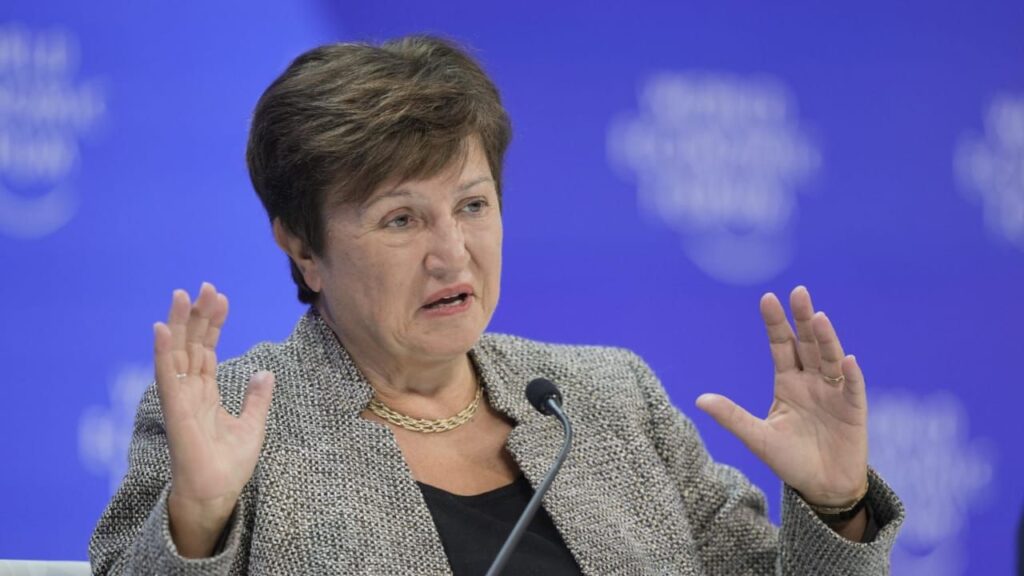
IMF Chief Kristalina Georgieva


The letter, dated September 5, 2024, cautions that failure to devalue the Kwacha will plunge Malawi into a deep economic crisis, surpassing the severity of Zimbabwe’s economic meltdown a decade ago.

Georgieva’s warning has sent shockwaves through the financial sector, prompting an emergency meeting between government officials and the IMF.

After intense deliberations, the government has decided to heed the IMF’s advice, opting for a staggered devaluation approach.

A 40% devaluation is expected to be announced shortly, followed by an additional 20% devaluation next month.

This move aims to mitigate the impact on the economy while aligning with the IMF’s requirements.

The Kwacha’s value has been under pressure due to a combination of factors, including a widening trade deficit, dwindling foreign exchange reserves, and a decline in tobacco exports – Malawi’s primary foreign exchange earner.

The IMF’s intervention seeks to address these underlying issues and restore macroeconomic stability.

While the government’s decision has been met with mixed reactions, economists argue that devaluation is inevitable.

“The writing has been on the wall for some time now.

“The Kwacha’s overvaluation has made our exports uncompetitive, and the IMF’s warning is a wake-up call to address our economic vulnerabilities,”
said Dr. William Mwanza, a renowned economist

However, concerns have been raised about the potential impact on inflation, which could rise significantly following the devaluation.

“The poor and vulnerable will bear the brunt of this decision.

“The government must implement measures to cushion the effects and ensure that the benefits of devaluation trickle down to the masses,” warned Dr. Mwanza.

As Malawi teeters on the brink of economic uncertainty, the IMF’s intervention has sparked a heated debate about the role of international institutions in shaping domestic economic policies.

While some argue that the IMF’s advice is necessary to avoid a crisis, others see it as an infringement on Malawi’s sovereignty.

In a statement, the Ministry of Finance acknowledged the IMF’s warning and assured the public that measures are being taken to minimize the impact of devaluation.

“We understand the concerns of our citizens and are working tirelessly to ensure a stable economic environment,” said Minister Banda.

As the nation waits with bated breath for the official announcement, one thing is clear – the Kwacha’s devaluation is a bitter pill that must be swallowed to avoid a catastrophic economic crisis.

The Reserve Bank has responded with a press statement that says the report circulating on social media that the IMF has written the Minister of Finance and Economic Affairs to devalue the Malawi Kwacha by 60% is false and should be ignored.

Through a statement released and signed by Governor Dr. Wilson Banda, there are no plans to devalue the Malawi Kwacha.

“The general public is reminded to look up for information on matters of monetary policy from the Reserve Bank of Malawi,” Banda said.
NOCMA optimistic about Sena rail corridor’s impact on fuel transportation

0

By Chisomo Phiri

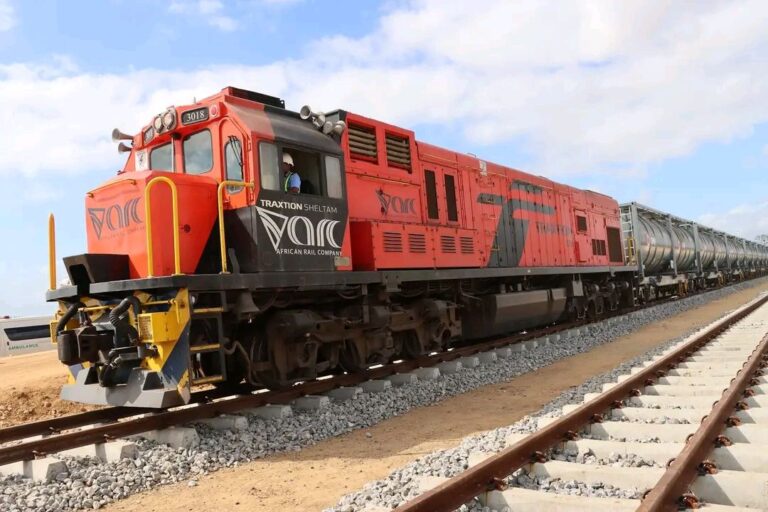
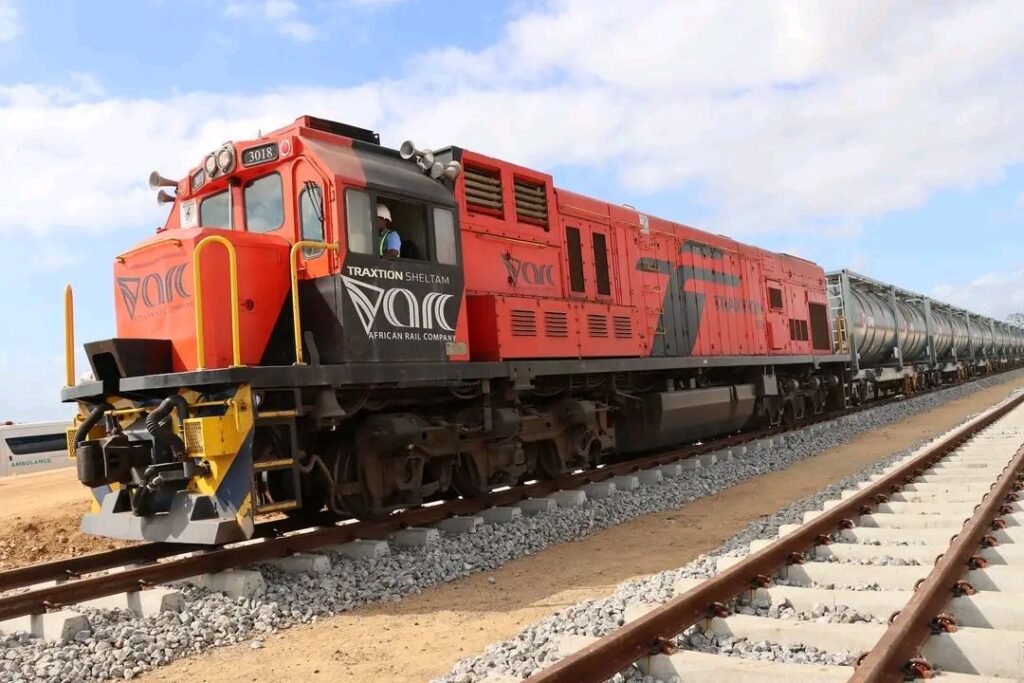
Officials at the National Oil Company of Malawi (NOCMA) are optimistic that the resumption of the Sena rail corridor that connects Malawi to the Mozambican Port of Beira, will significantly reduce fuel transportation costs in the country.

NOCMA Chief Executive Officer(CEO) Clement Kanyama, expressed this optimism on Wednesday during the arrival of a train loaded with 1.2 million liters of fuel at Marka Railway Station in Nsanje district.


According to Kanyama, the resumption of the rail corridor will substantially decrease the number of days required to transport petroleum products into the country.

“This development is expected to have a positive impact on the country’s fuel transportation costs and overall economy,”he said.

However, Minister of Transport and Public Works, Jacob Hara, acknowledged delays in the rehabilitation of the 72-kilometer long Marka-Bangula rail section.

He cited that the Public Procurement and Disposal of Assets(PPDA) is yet to approve the proposed cost adjustment for the project.

Sena rail corridor had been inactive for 41 years.

President Chakwera opens
Osiyana Rural Hospital in Nsanje

0

By Linda Kwanjana

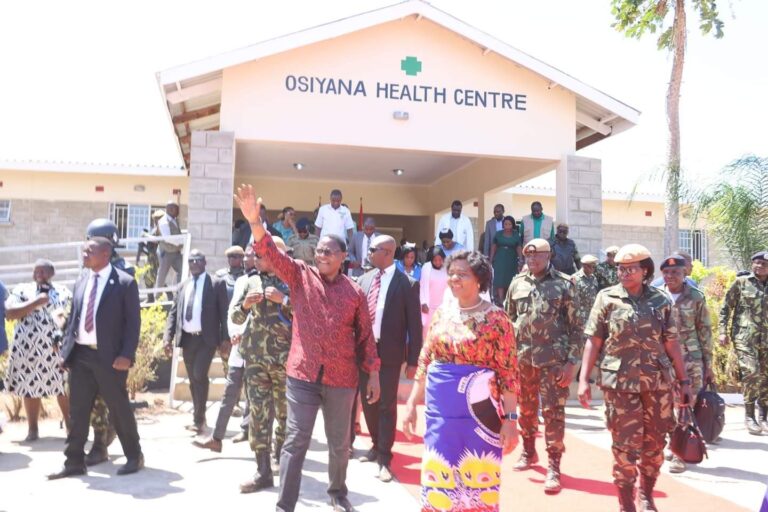
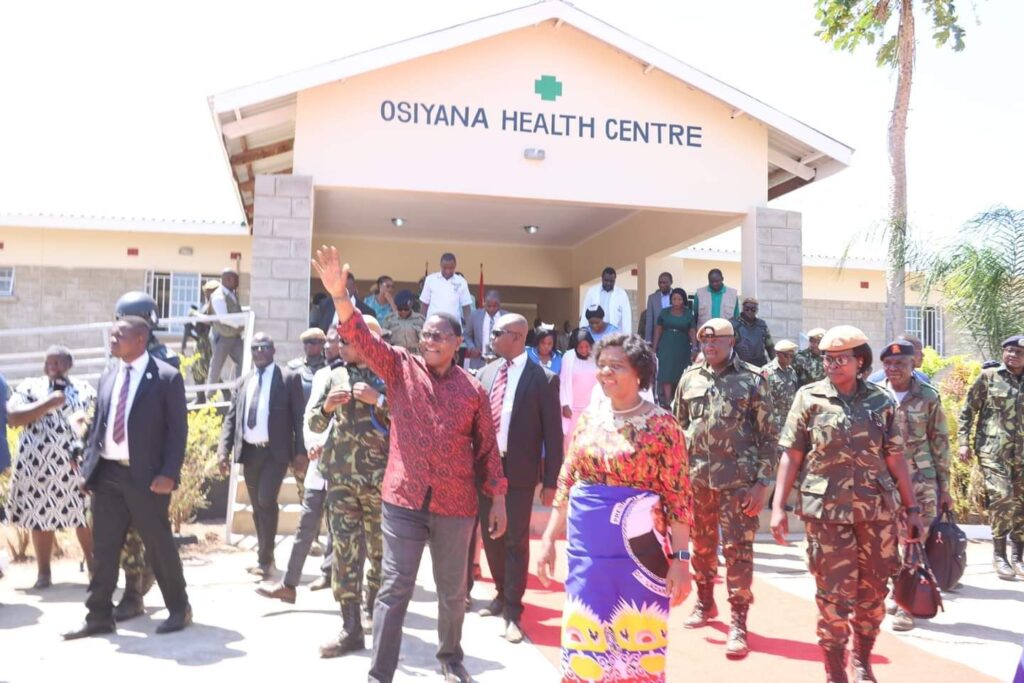
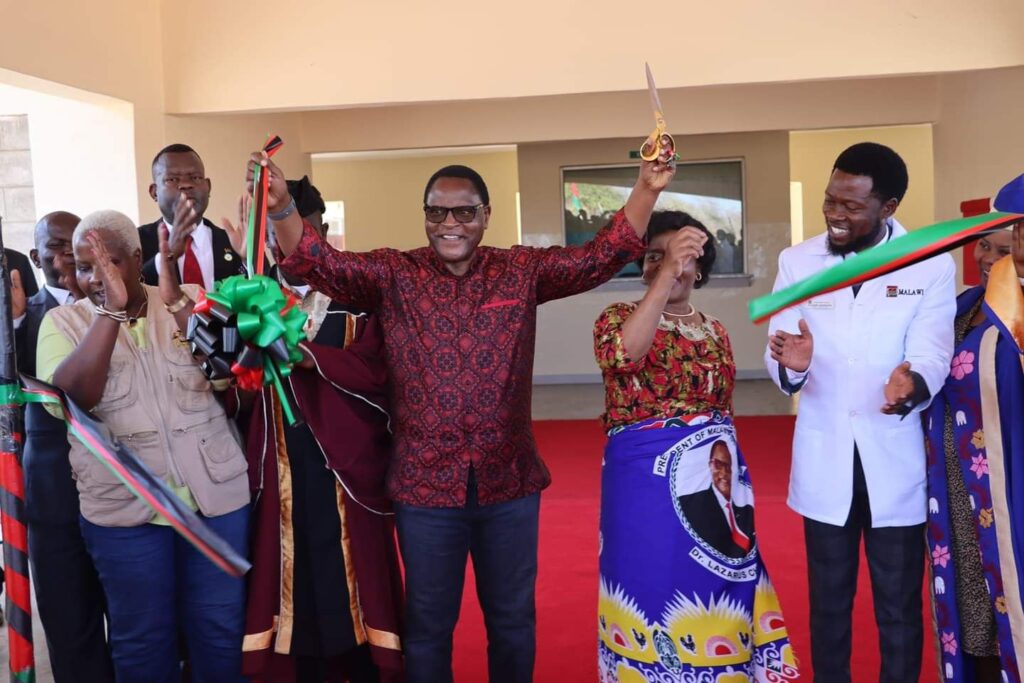
State President  Dr. Lazarus McCarthy Chakwera, President of Malawi, has commissioned Osiyana Rural Hospital in Traditional Authority Mlolo, Nsanje.

The President has been  in Lowershire for official duties, accompanied by First Lady Madame Monica Chakwera.

Upon arrival, he was met by Minister of Health Khumbize Kandodo Chiponda, Nsanje District Council Chairperson Cassim Ngwale, and senior government and party officials.


The hospital will serve 17,000 families, many of whom were displaced by Tropical Cyclone Freddy in 2022.

Before its construction, people had to travel long distances to access healthcare, according to Council Chairperson Ngwale.

Ngwale praised President Chakwera for bringing electricity to the hospital, a significant development for the community.

Hirwa General Dealers appoints Emmie Deebo as brand ambassador

By Chisomo Phiri

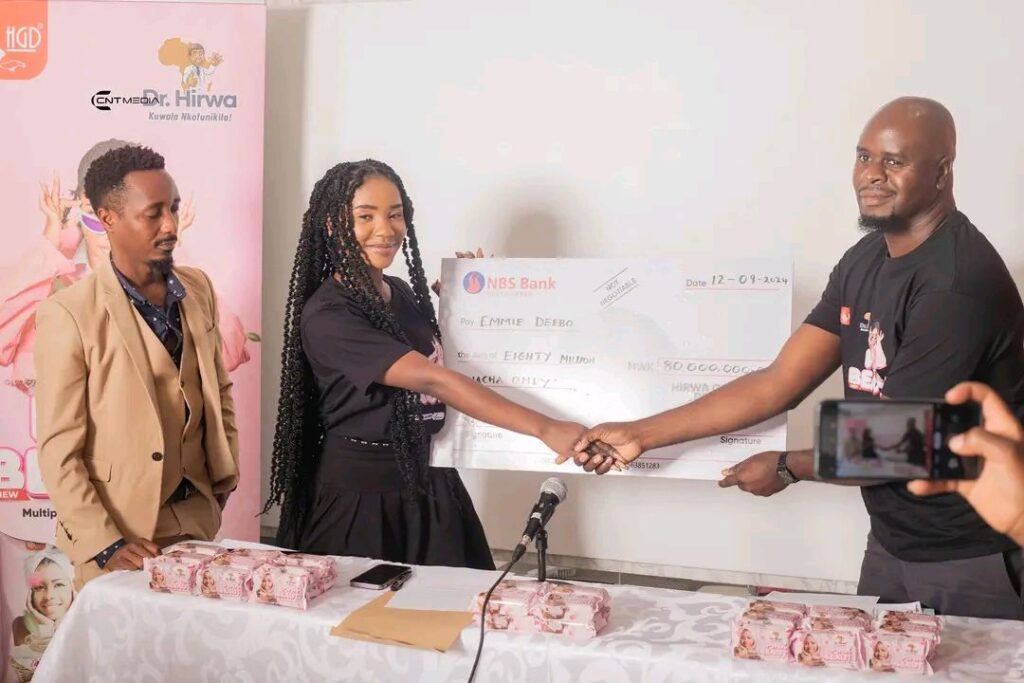
A leading natural soap manufacturer, Hirwa General Dealers (HGD), has announced the appointment of upcoming music sensation Emmie Deebo as its brand ambassador for the next six months.

The partnership, worth K80 million, was unveiled on Thursday during the launch of HGD’s new product, Pink Beauty Soap, in Lilongwe.

The partnership is managed by Akometsi, an entertainment company that specializes in brand management and event organization.

According to HGD’s Director of Communications,Klaus Chikufenji, the company chose Emmie Deebo due to her significant influence on the local music industry and her ability to connect with the youth.

“We are thrilled to partner with Emmie Deebo, as she embodies the energy and spirit of our brand,” Chikufenji said.

On her part,Emmie Deebo expressed her gratitude and excitement about the partnership.

“It is an honor to associate with a reputable brand like HGD. I look forward to promoting Pink Beauty multipurpose soap and other HGD products across Malawi,” she said

As part of the partnership, Emmie Deebo will record two songs about the brand and engage in various promotional activities, including road shows and social media challenges on platforms like TikTok.

HGD’s decision to partner with Emmie Deebo demonstrates the company’s commitment to supporting local talent and promoting Malawian artistry.

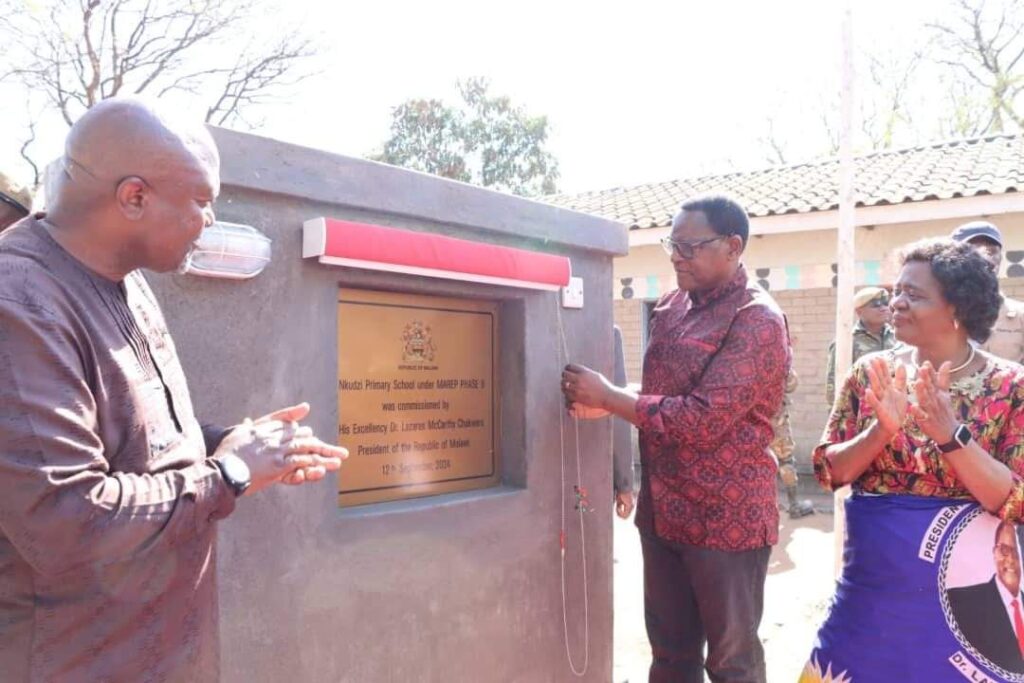
MAREP- 9 bearing fruits: Chakwera lights up  Nkudzi  Primary school in Chikwawa

0

By Alfred Chauwa

Malawi leader president Dr Lazarus McCarthy Chakwera has inaugurated Malawi Rural Electrification Programme phase 9 in the area of Group village headman Dzilipaine Traditional Authority Maseya in Chikwawa.

Addressing the gathering at the Nkudzi full primary school,  President Chakwera said he was impressed to witness the commissioning of  MAREP 9.


The president said he wants equal distribution of development projects without looking at regional boundaries.

Minister of Energy Ibrahim Matola commended Dr Lazarus Chakwera for lighting up Nkudzi Primary school.

Matola said people will be able to improve their social and economic lives.

The Malawi Government has been implementing Malawi Rural Electrification Programme (MAREP) with an aim of increasing access to electricity for the rural and peri-urban areas in order to transform the rural economies and reduce poverty amongst the rural masses and contribute to Government’s agenda on poverty reduction.

The programme started in the 1980s with Electricity Supply Corporation of Malawi (ESCOM) Ltd as the implementing entity. The program was implemented through own financing and donor funding. Following the commercialization of ESCOM, the Malawi Government took over the

Marep 9 is funded through a rural electrification levy in the petroleum pump price build-up and other financing windows.