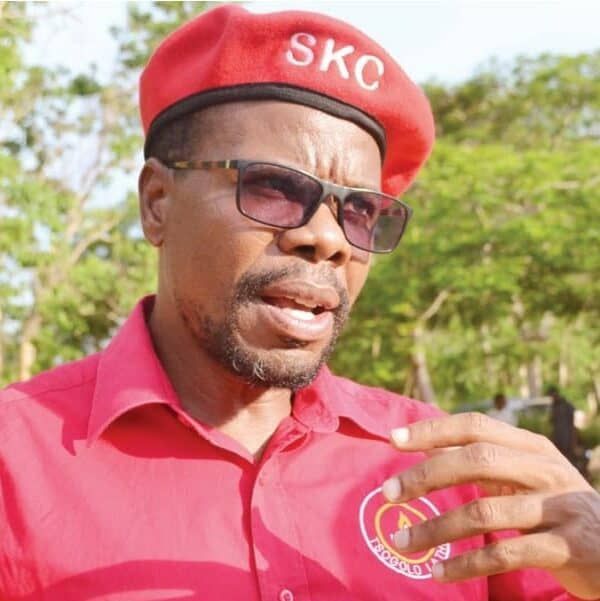
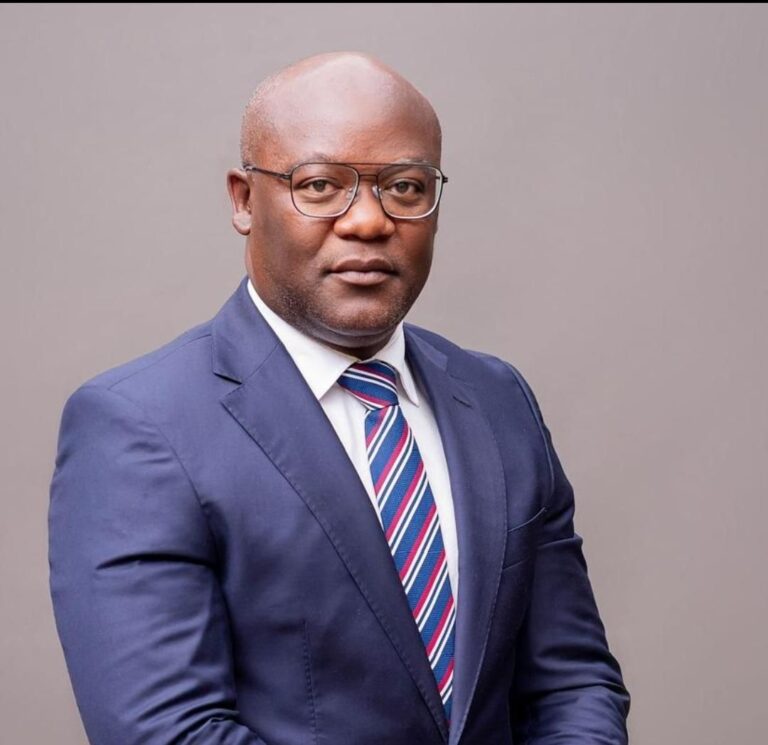
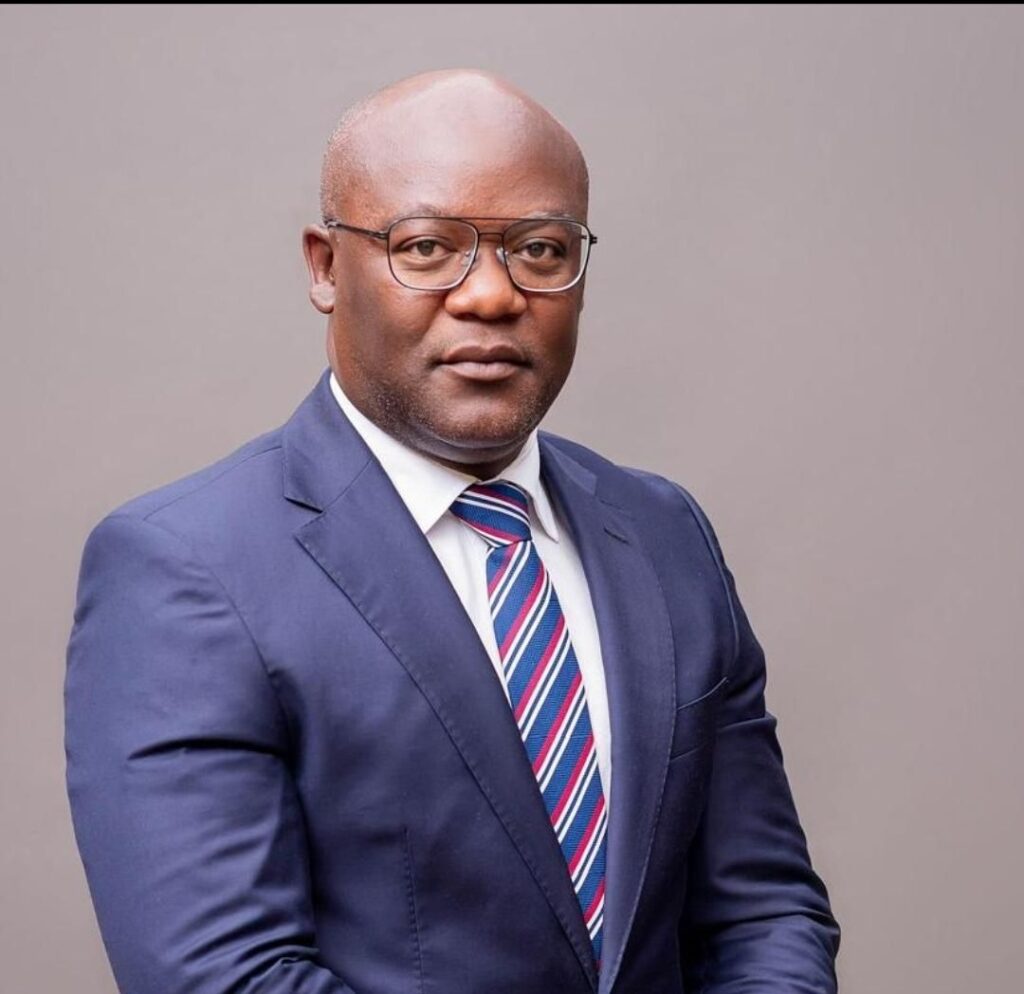
Dr. Dalitso Kabambe has issued a powerful call to action in response to the interim report on the tragic plane crash that claimed the lives of SKC and others. In his statement, Dr. Kabambe highlights that we are at a critical juncture, demanding immediate and decisive action to address the serious issues uncovered by the report.
The findings raise significant concerns about the safety protocols and quality controls implemented by public servants. Dr. Kabambe argues that this incident is not an isolated event but a glaring indication of systemic issues within our civil service. He stresses the urgent need to confront these challenges directly to ensure the safety of citizens and the integrity of our institutions.
Dr. Kabambe calls on the President and all relevant authorities to prioritize a thorough investigation into the safety concerns highlighted in the report. He insists that it is time to scrutinize the processes governing our civil service and demand accountability from those in power.
He advocates for reform and a public inquiry to foster a culture of transparency, responsibility, and excellence within the public sector. According to Dr. Kabambe, the tragedy must serve as a catalyst for meaningful change, ensuring that such preventable incidents do not occur in the future.
Dr. Kabambe emphasizes the need for unity in our commitment to public safety and welfare. He urges that we work together to create a future where every citizen can trust that their government prioritizes their safety above all else.
In closing, Dr. Kabambe reiterates that now is the time for action. He calls on everyone to honor the lives lost by ensuring that we address these critical issues and lead with integrity and dedication.
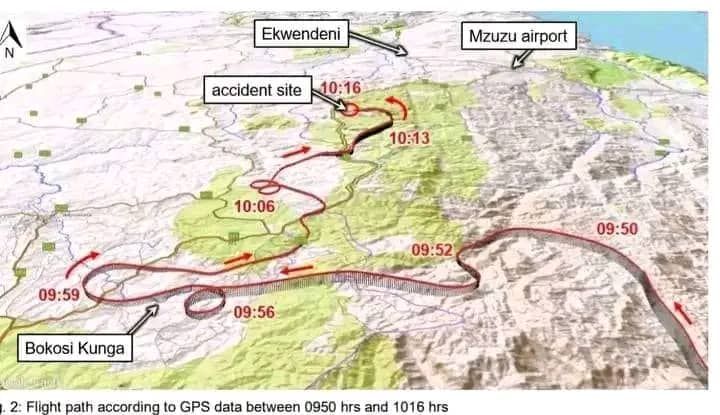
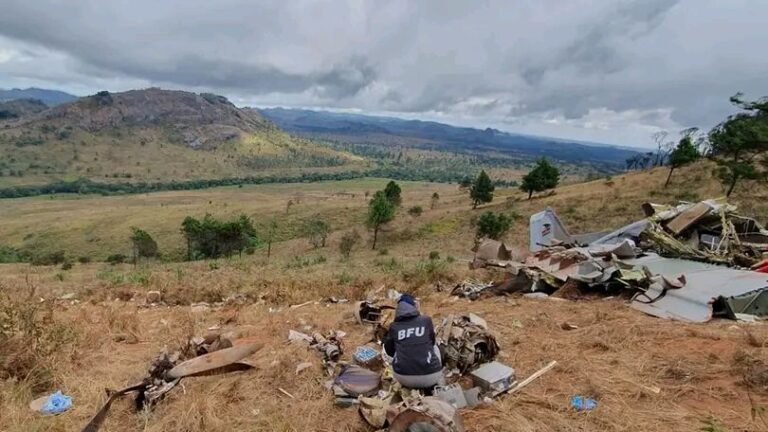
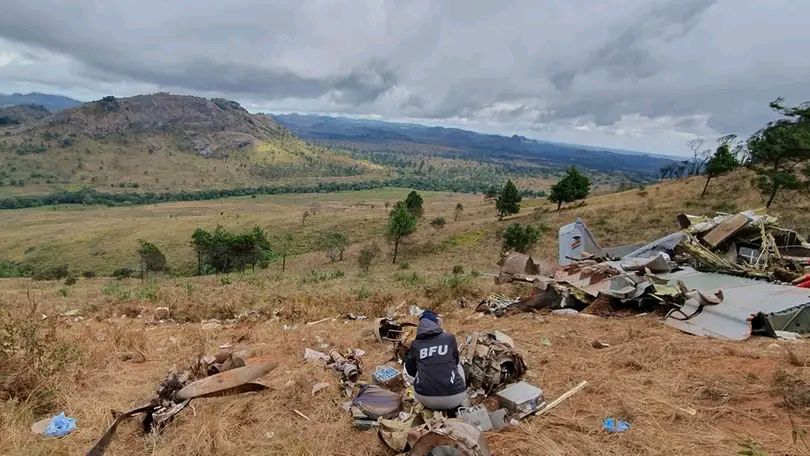
The United Transformation Movement (UTM) has announced that it will be engaging experts to review and interpret the initial report concerning the tragic aircraft accident that resulted in the deaths of former Vice President Dr. Saulos Chilima and thirty-seven others in June this year.
Felix Njawala, UTM’s spokesperson, revealed today that the party intends to scrutinize the preliminary report issued by the German accident investigation experts. The report has raised significant questions about the circumstances surrounding the crash, and the UTM aims to ensure a thorough understanding of the findings.
Njawala
In addition, Joshua Valera, a representative of the Chilima family, confirmed that the family is also actively reviewing the initial report. This collaborative effort highlights the importance of transparency and accountability in understanding the full scope of the tragedy.
One key concern addressed in the initial report is the condition of the aircraft. According to the findings, the plane experienced issues with its landing gear and other essential equipment, which hindered communication between the flight crew and airport ground staff. These technical failures may have contributed to the accident, and the review will focus on these critical aspects to uncover the truth.
The UTM’s decision to involve additional experts underscores its commitment to a comprehensive examination of the accident and its causes. This step is crucial for ensuring that all factors leading to the tragedy are identified and addressed, promoting transparency and accountability in the investigation process.
The recent aircraft accident report has ignited substantial debate and skepticism among the public and key stakeholders. While the report aims to clarify the causes behind the tragic crash, many remain unconvinced by its conclusions and findings. The controversy centers on the handling of the investigation and the accountability of high-ranking officials involved in aviation safety.
The report has faced significant criticism for potentially revealing serious lapses in oversight and management. Observers argue that the report reflects a troubling level of carelessness and incompetence among the authorities responsible for aviation safety. This criticism highlights broader concerns about the effectiveness of leadership in ensuring the safety and reliability of air travel. The perceived inadequacies in the investigation’s handling cast doubt on the competency of those overseeing aviation operations.
One of the primary criticisms is that the report leaves several key questions unanswered. Critics claim that the report fails to offer a comprehensive explanation for the crash and may have overlooked crucial issues. This includes concerns about whether the investigation adequately addressed factors leading up to and following the incident. The lack of detailed answers has frustrated those seeking a transparent and thorough account of the accident, contributing to widespread dissatisfaction with the report.
The report’s examination of the roles played by the Ministry of Defense, the Ministry of Transport, and other involved entities has fueled accusations of shifting responsibility. Some critics argue that the findings suggest these ministries bear significant responsibility for the accident, leading to political tensions. There are concerns that political biases may have influenced the assignment of responsibility, potentially prioritizing party interests over national safety concerns. This perception of political maneuvering complicates the discussion around accountability and undermines confidence in the report’s impartiality.
There is growing apprehension that the report may not fully address all aspects of the accident due to possible political influence. The perception that the investigation failed to hold all responsible parties accountable or provide clear preventive recommendations diminishes trust in the report’s conclusions. This concern raises questions about the integrity of the investigation process and the effectiveness of its outcomes in enhancing aviation safety.
In conclusion, the criticism surrounding the aircraft accident report underscores the urgent need for greater transparency, thoroughness, and accountability in investigations of this nature. As stakeholders continue to scrutinize the findings, it is crucial to address the unresolved questions and concerns. Ensuring that the report fulfills its intended purpose of improving aviation safety and holding responsible parties accountable is essential for restoring public trust and preventing future tragedies.
In the recent release of the preliminary report on the late Vice President Dr Saulos Chilima and the nine others who tragically perished in a plane crash in Chikangawa Forest, the United Transformation Movement and Democratic Progressive Party seek to steer attention away from the true implications of the report.
With the country approaching the 2025 General Election, the resolute DPP endeavors to leverage Chilima’s death as a means to cultivate public trust by propagating conspiracy theories surrounding the demise of Dr Chilima.
It is widely known that Dr Chilima frequently utilized the plane for various engagements as it fell within the Vice President’s jurisdiction to do so.
DPP MPs
Unpatriotic Politicians have criticized President Dr Lazarus Chakwera and the Malawi Congress Party, Commonly attributed by the UTM and DPP for their personal political gains rather than acting in the best interests of Malawians.
It was indeed surprising to witness certain UTM members openly disparaging President Chakwera, while others conspired to undermine his leadership through the plane crash incident.
Notably, even esteemed Members of Parliament from the DPP engaged in disrespectful behavior during the candlelight vigil at Parliament, followed by a press briefing aimed at creating a façade of productivity while pursuing self-serving agendas.
Some politicians are orchestrating demonstrations to feign deep distress over the loss, despite the family’s plea to refrain from politicizing the late Vice President Chilima’s death.
In her expression of gratitude, the wife of the late Vice President commended President Chakwera for his unwavering support throughout the funeral proceedings.
The fortitude and resilience demonstrated by President Chakwera during his tenure exemplify the qualities of a true leader.
It is imperative for Malawians to awaken to the reality that those attempting to divert attention are the same individuals who orchestrated a coup against Dr Joyce Banda and obstruct progress in Malawi.
It is evident that certain political parties lack substantive proposals for the betterment of Malawians, opting instead to mislead the public regarding Dr Chilima’s untimely demise.
Members of UTM must recognise that their refusal to trust the MCP government regarding the circumstances of its leader’s death is not grounded in truth, but rather a ploy to tarnish the image of the MCP and seize opportunities left behind by Dr Chilima without regard for his vision.
It should be noted that Dr Chilima placed his trust in President Chakwera and Dr.
Michael Usi, an initiative that the UTM faction undermines by opposing every action taken in his memory.
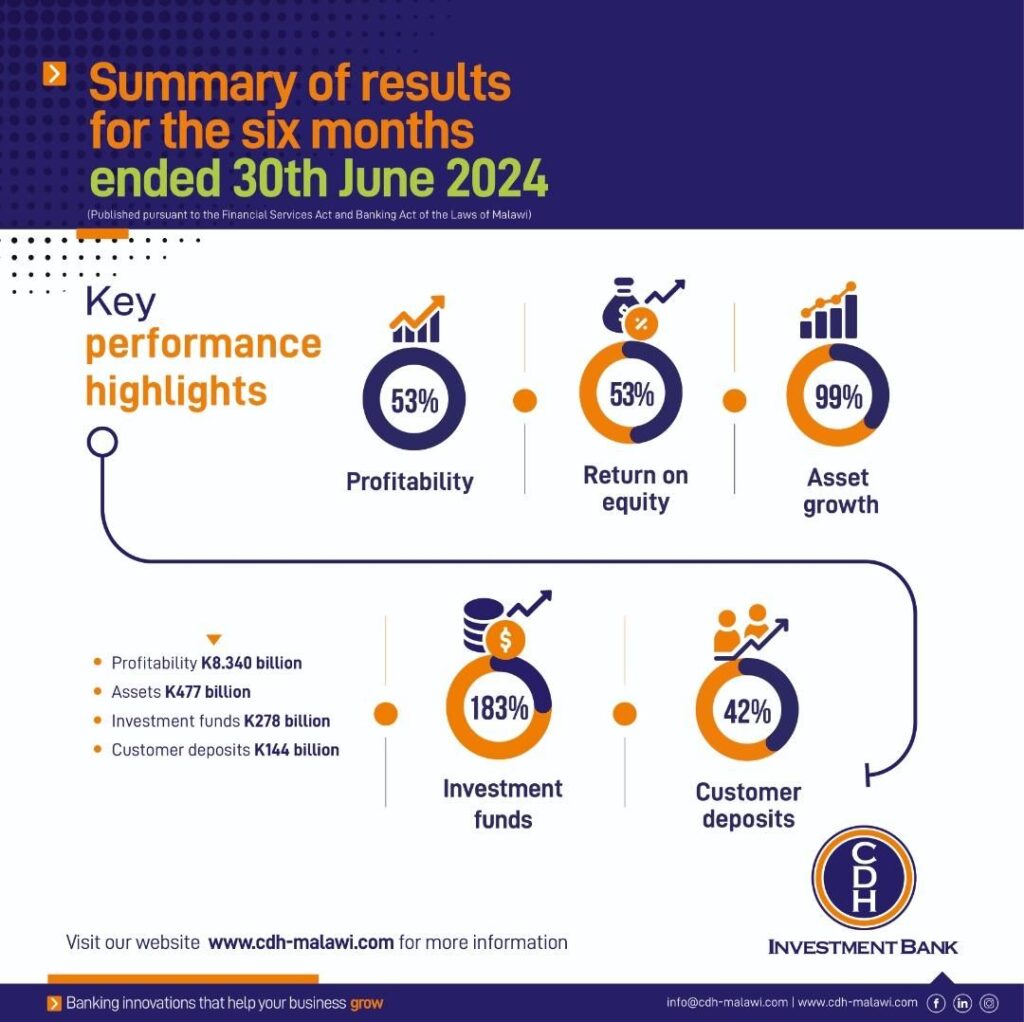
CDH Investment Bank has announced a profit after tax for the half year ended June 30,2024,of K8.3 billion, a 53% increase from the K5.5 billion reported in the same period last year.
According to the unaudited summary of results for six months released by the bank and endorsed by the bank’s Board Chairperson Franklin Kennedy, Chief Executive Officer/Managing Director, Thoko Mkavea, Chairperson of the Board Audit Committee Sydney Chikoti, and Chief Finance Officer,Kelvin Mkulichi, the results were driven by growth in both net interest income and non-interest income which grew by 53% percent and 26% percent respectively.
“The bank realised a profit after tax of K8.3 billion against prior half year performance of K5.5 billion representing an increase of 53%. Operating income before impairments on loans and advances grew from K12.9 billion to K20.7 billion mainly on account of growth in net interest income and non-interest income,” reads part of the statement.
It adds:”The bank’s performance in the first half of 2024 was driven by growth in investment funds and customer deposits.
“Total assets grew by 99% from K240.1 billion to K476.8 billion mainly due to a 180% increase in financial assets at fair value, a 91% growth in investment in government securities at amortised cost, and a 41% increase in loans and advances to customers.
“This was supported by a 183% growth in investment funds and a 42% increase in customer deposits. The bank continues to leverage on investment banking and advisory solutions to drive growth in its commercial banking business.
“Inflation is expected to remain high averaging 33.5% to the end of the year. Average headline inflation is estimated at 30.0% for 2024, higher than the average of 28.8% for 2023. Relatively high money supply growth, underperformance of the export sector and higher global oil prices are major risks to the inflation outlook.
“The bank expects continued pressure on the Kwacha exchange rate as a result of the increasing negative trade balance. The Malawi gross domestic product (GDP) growth is projected to average around 2.3% in 2024 mainly driven by the effects of El Nino weather conditions.”
“The leading investment bank in Malawi continues to successfully leverage on its unique ability to integrate corporate finance and investment banking services with traditional commercial banking activities to deliver impressive value to its stakeholders, generating an impressive return on shareholder’s equity.”
The report further reads: “We will continue to meet our client’s expectations through continuous development of our people, investment in modern technology, and investment in strategic alliances. We reaffirm our commitment to providing well researched and innovative financial solutions to all clients. Capital optimization, cost discipline, asset diversification and effective risk management will remain our pillars for sound financial performance for the bank.”
CDH Investment Bank is a leading investment bank in Malawi.
It opened for business on 2nd April 2012 following the successful conversion from Continental Discount House Limited which had operated in the financial sector for 14 years since August 1998.
CDH revolutionized trading of financial securities in Malawi, a legacy it continues to carry as it leads in the development of the capital market in Malawi.
The bank’s unique service proposition is investment banking and corporate financial advisory services to its clients.
It is a deposit-taking investment bank out of which it creates loans and advances.