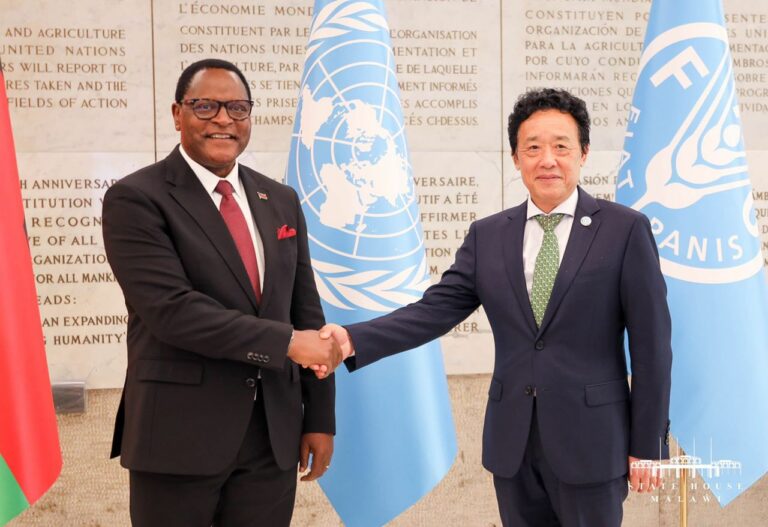
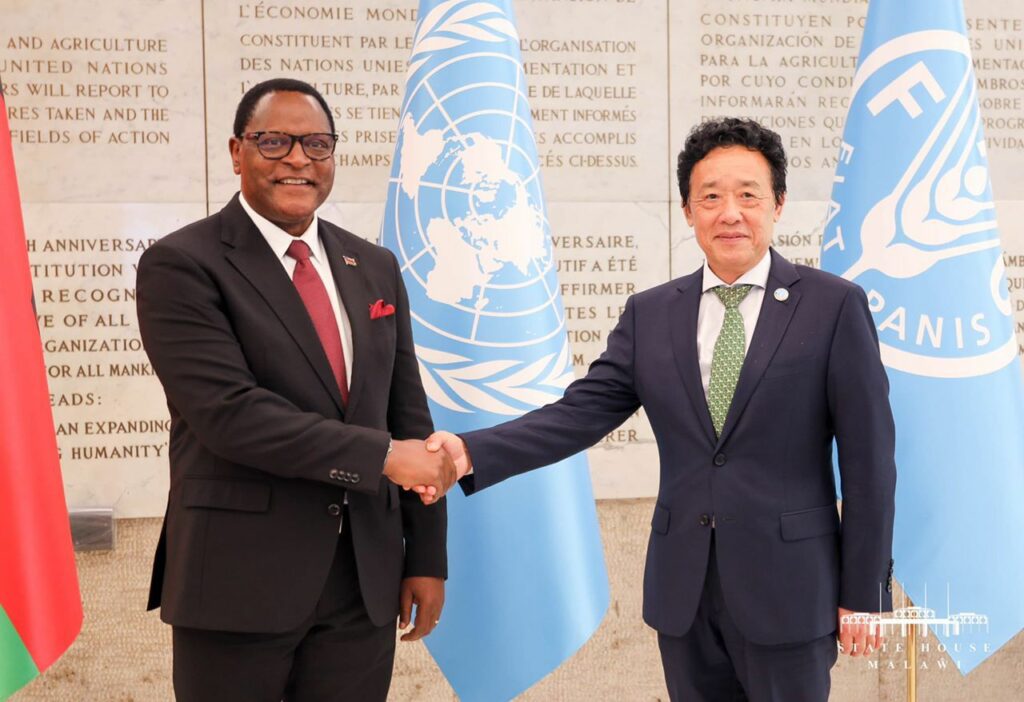
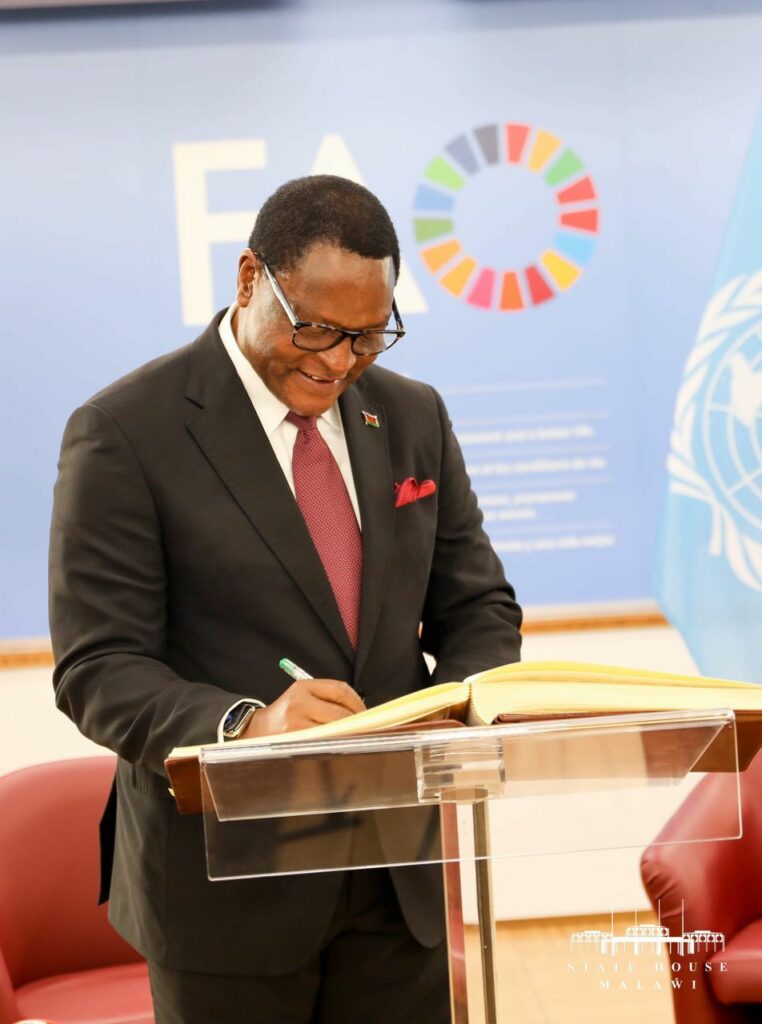
President Dr. Lazarus McCarthy Chakwera’s visionary ATM Strategy (Agriculture, Tourism, Mining) has received a major endorsement from the United Nation’s Food and Agriculture Organization (FAO).
During a meeting with FAO Director General Dr. Qu Dongyu, the President’s innovative approach to transforming Malawi’s economy was hailed as a clear roadmap for long-term growth and development.
The FAO has pledged to intensify its support for Malawi’s agricultural commercialization, mechanization, and industrialization efforts, aligning with the country’s goal of achieving food security and climate resilience.
Dr. Qu expressed enthusiasm for strengthening the partnership, acknowledging the ATM Strategy’s potential to drive Malawi’s journey towards inclusive wealth and digitization by 2063.
This collaboration is set to revolutionize Malawi’s agricultural landscape, empowering smallholder farmers to adopt climate-smart practices and transition to sustainable agriculture.
With FAO’s technical assistance, Malawi is poised to make significant strides in achieving its development aspirations.”
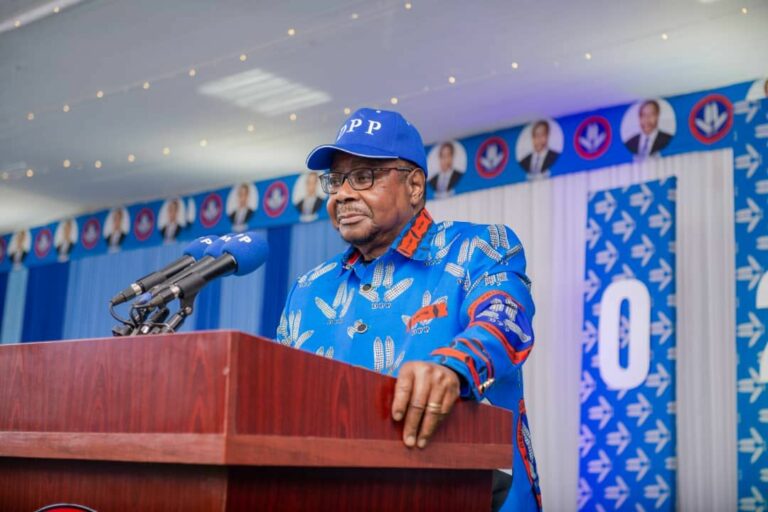
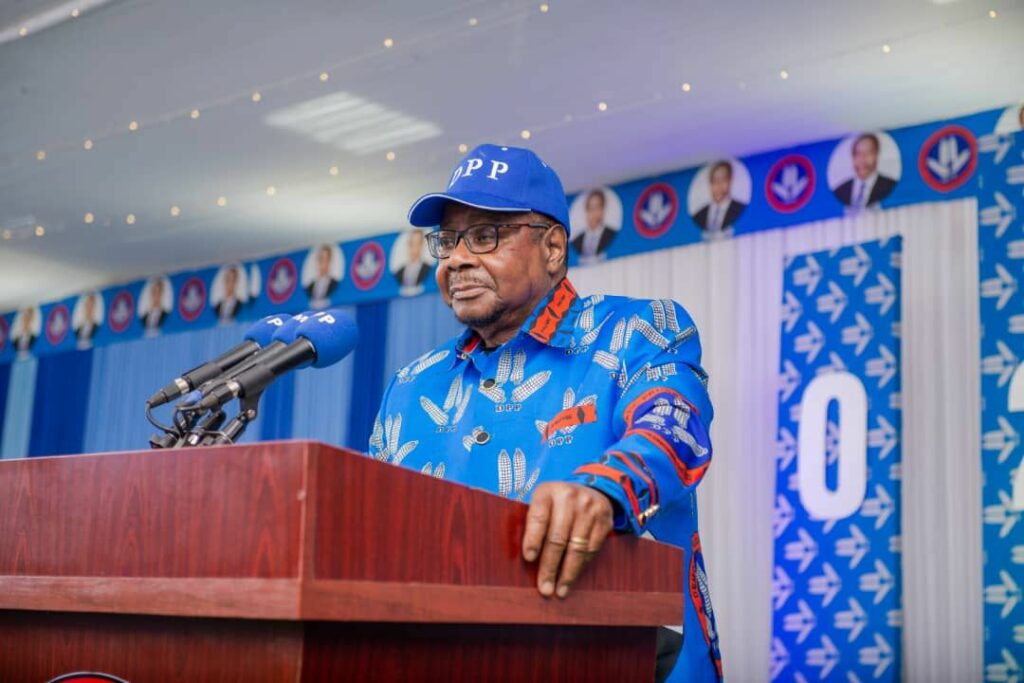
Recent debates have surfaced regarding the absence of Democratic Progressive Party (DPP) President Professor Arthur Peter Mutharika during the concluding stages of the party’s recent convention. Critics have questioned whether his absence undermines his leadership capabilities. However, a closer examination reveals that these concerns might be overstated and do not necessarily reflect on his overall effectiveness as a leader.
One of the primary arguments against criticizing Mutharika’s absence is his decision to delegate responsibilities to Dr. George Chaponda for the final phases of the convention. Delegation is a common and often necessary aspect of leadership, particularly in large and complex events such as party conventions. Mutharika’s choice to assign Dr. Chaponda, a senior and experienced party member, suggests a strategic approach to management rather than a lapse in leadership. It reflects trust in his team and a pragmatic acknowledgment of the demands of the event.
Mutharika
The convention itself was widely recognized as a success. It was described as “the best ever,” showcasing effective planning, execution, and a high level of competitiveness. The positive outcomes of the convention—well-decorated, meticulously organized, and successful in its objectives—indicate that the event met its goals and ran smoothly, regardless of Mutharika’s presence at the end. This achievement speaks to the party’s robust organizational structure and the effective functioning of its members, which mitigates concerns about Mutharika’s leadership based on his absence alone.
Critics who focus on Mutharika’s absence may be overlooking the broader context of his leadership. Leadership is not solely about being present at every moment but also about setting strategic directions, making key decisions, and fostering a capable team. The successful execution of the convention underlines that the leadership and organizational systems within the DPP are resilient and well-coordinated.
Moreover, political analysts should consider that a single event or moment does not encapsulate an entire leadership capability. Mutharika’s absence from the convention’s conclusion might be a point of debate, but it should not overshadow his overall contributions and the party’s accomplishments. Evaluating his leadership should involve a comprehensive assessment of his tenure, policies, and strategic vision rather than focusing narrowly on one event.
The decision to delegate responsibilities can also be viewed as a sign of competent leadership. Effective leaders often rely on their team members to handle various aspects of operations, particularly in large-scale events. Mutharika’s ability to delegate crucial tasks to Dr. Chaponda and ensure the convention’s success demonstrates his leadership by leveraging the strengths of his team members.
In summary, while the absence of Professor Arthur Peter Mutharika during the final stages of the DPP convention might attract some criticism, it is essential to view this issue in a broader context. The successful execution of the convention, the strategic delegation of responsibilities, and the overall effectiveness of the event reflect positively on the leadership structures within the DPP. Thus, it is not necessary to debate Mutharika’s leadership capabilities based on his absence alone. Leadership effectiveness should be judged by the outcomes achieved and the ability to manage and guide a team, both of which are evident in this case.
Deputy Minister of Education Nancy Chaola Mdooko has lauded the impact of the Learner Mentors initiative, introduced through the Malawi Education Reform Programme (MERP), which has significantly bolstered school enrollment in public primary schools across Malawi. This initiative, aimed at reducing school dropouts and encouraging higher attendance rates, is beginning to show promising results.
The Learner Mentors concept involves recruiting young women to serve as role models and mentors in public primary schools. Their primary role is to motivate children who have dropped out of school to return and complete their education. By offering guidance and support, these mentors help address barriers to education and foster a supportive learning environment.
During a recent visit to Benjamini and Mbachundu primary schools in Mchinji District, Mdooko observed firsthand the positive outcomes of the initiative. She reported a notable decrease in absenteeism and a reduction in early pregnancies among students, reflecting the program’s success in addressing critical issues affecting school attendance.
“The introduction of Learner Mentors through MERP has had a substantial impact,” Mdooko said. “We are seeing fewer children dropping out of school, and more are returning to complete their education. The role of these mentors as positive role models is crucial in motivating students and creating an environment conducive to learning.”
Joyce Hamsini, Director of Education, Youth and Sports (DEYS) for Mchinji, confirmed the success of the initiative in her district. She noted that approximately 110 out of 221 primary schools in Mchinji now have Learner Mentors. In these schools, there has been a marked increase in student enrollment, further highlighting the effectiveness of the program.
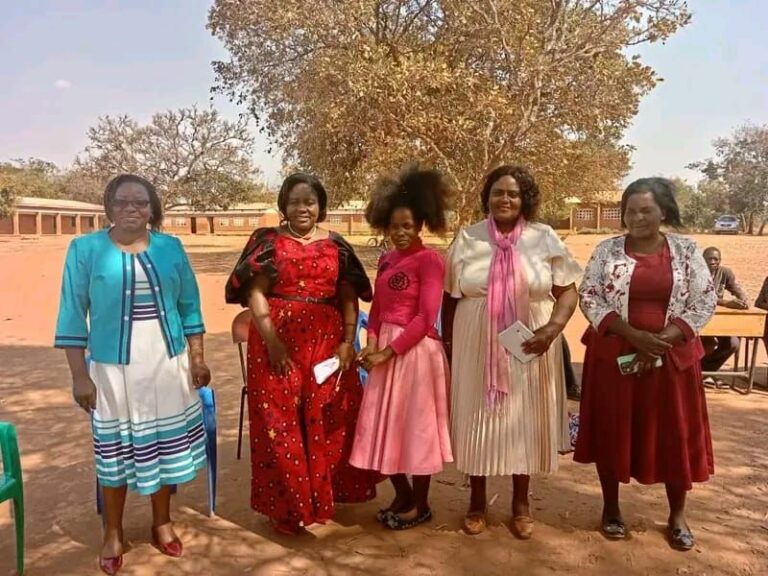
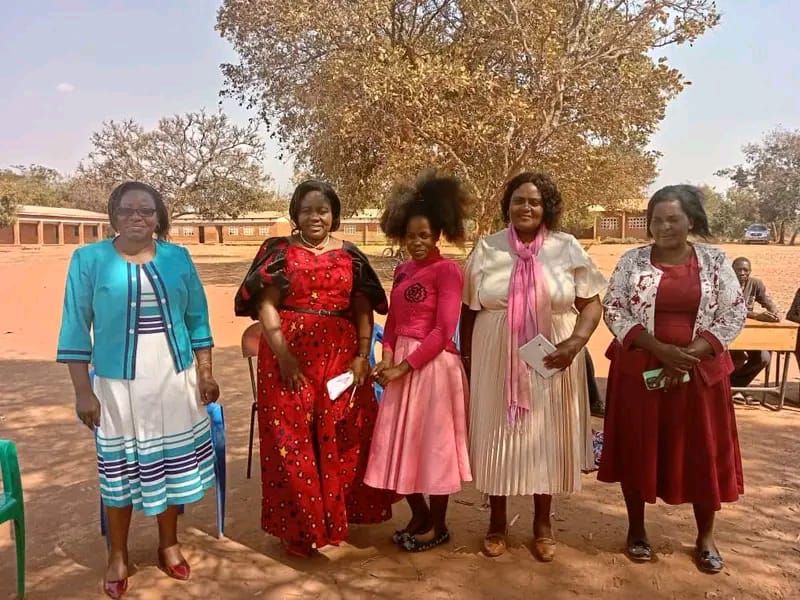
Emma Kapinga, a Learner Mentor at Mbachundu Primary School, shared her personal success story. Over the past few years, Kapinga has helped approximately 76 children return to school, with 65 of them sitting for the Primary School Leaving Certificate (PSLC) examinations. Her efforts exemplify the positive impact that dedicated mentors can have on students’ educational journeys.
The Learner Mentors initiative represents a significant step towards achieving higher educational attainment and reducing dropout rates in Malawi. By focusing on mentorship and role modeling, the program addresses key factors that contribute to school disengagement, offering a practical solution to longstanding educational challenges.
As the program continues to expand and evolve, it is anticipated that the benefits will be even more pronounced. With strong support from both the government and local communities, the Learner Mentors initiative is poised to make a lasting difference in Malawi’s educational landscape.
In a landmark development for Malawi’s Democratic Progressive Party (DPP), the party’s recent convention has culminated in the approval of a new constitution. This pivotal moment in the party’s history marks a significant overhaul aimed at strengthening its internal governance and adaptability in the ever-evolving political landscape.
The motion to adopt the new constitution was presented by Hon. Charles Mhango, who had been serving as the DPP’s legal advisor prior to the dissolution of the National Governing Council (NGC). His presentation of the motion was met with keen interest and vigorous debate among delegates, reflecting the gravity of the proposed changes.
Mhango
The new constitution is designed to address several key areas within the party’s structure and operations. One of the primary objectives is to streamline decision-making processes and enhance transparency, which has been a critical issue in past years. By introducing more rigorous checks and balances, the new constitution aims to prevent the centralization of power and ensure a more democratic and inclusive approach to leadership.
Furthermore, the updated constitutional provisions emphasize greater participation from grassroots members, encouraging a broader base of engagement and feedback. This move is seen as a response to calls for increased involvement of rank-and-file members in shaping party policies and strategic direction.
The adoption of the new constitution also includes provisions for more effective conflict resolution mechanisms, which are expected to mitigate internal disputes and foster a more cohesive party environment. Additionally, there are new guidelines for leadership succession and election procedures, designed to enhance fairness and integrity in party elections.
The approval process was marked by robust discussions and thorough examination of the proposed changes. Delegates were given ample opportunity to voice their opinions and contribute to refining the document before the final vote. The successful passage of the new constitution reflects a collective commitment to reform and progress within the DPP.
As the party moves forward with its renewed constitutional framework, there is optimism about the potential for revitalized leadership and a stronger organizational structure. The new constitution is expected to play a crucial role in positioning the DPP for future electoral successes and reinforcing its standing in Malawian politics.
In summary, the recent convention’s approval of the new constitution represents a significant step forward for the DPP. With Hon. Charles Mhango’s motion leading the way, the party is set to embrace a more democratic and transparent approach, paving the path for a more robust and resilient political entity.
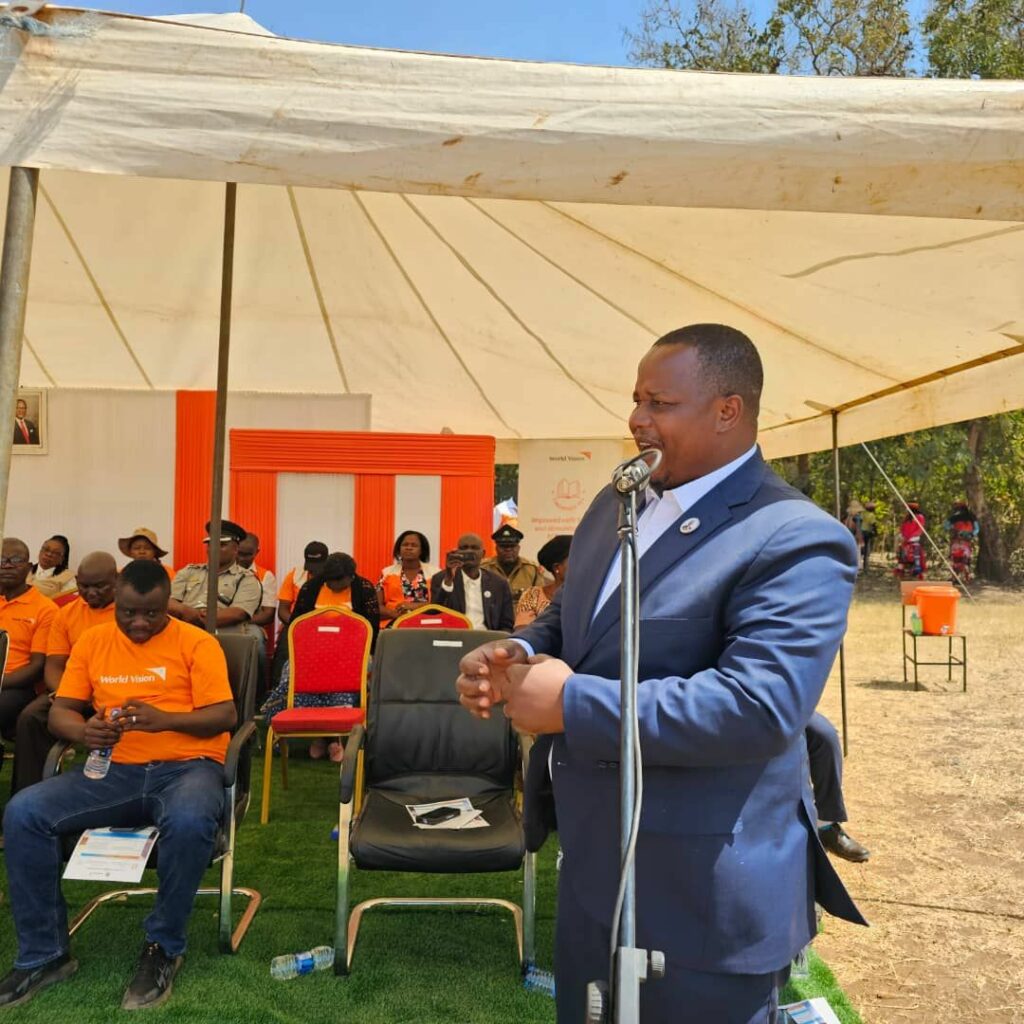
District Commissioner for Dowa Stallichi Mwambiwa, has assured World Vision Malawi that its interventions it has been implementing in the district are not going, it is with the communities they have been working with for 18 years.
Mwambiwa said the Dowa District Council has been working hand in hand with World Vision Malawi to see to it that its interventions are being implemented in the interest of all expressing hope that this will continue for the sustainability of the project in the district.
Kayembe
Speaking at the closure of Lipiri Area Development Program at a function held at Lipiri in the district, Mwambiwa said World Vision has proved to the Dowa communities and the council that it is a friend in need saying this was also evidenced with visitors who came from abroad to witness the function.
“World Vision is winding up its activities in Lipiri Area Development Program, we have learnt quit a lot, we are very happy that its interventions are not going out, it is in the people,” said Mwambiwa.
World Vision Malawi’s Director of Operation Charles Chimombo, said his organization has been at Lipiri Area Development for 18 years saying their approach is to go and run programs from 12 to 15 years but this has gone to 18 years.
Chimombo said for the last 18 years, World Vision Malawi has achieved most of the objectives from the thematic areas of Agriculture, Health and Nutrition, WASH, Child Protection, Gender and Governance saying time has now come to wind up its activities in the area.
“The project has seen the reduction of illiteracy levels in the area, increasing numbers of children enrolled in schools, access to safe and portable water and empowering the community to be self-reliance so that they can support their children, among others,” he said.
He expressed hope that the achievement registered in the area will continue banking hopes in the council to continue supervising and monitoring the interventions and the different committees trained on their roles and responsibilities.
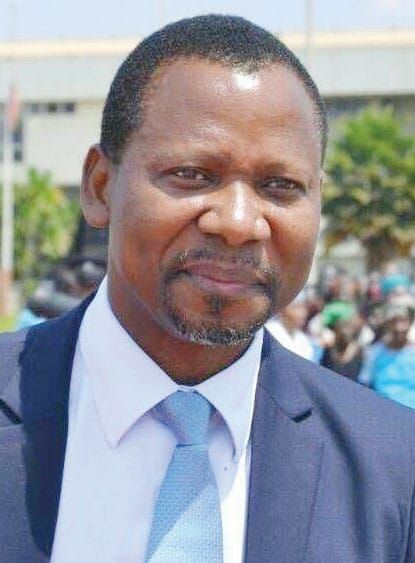
Speaking earlier, Member of Parliament for Dowa West constituency Dr. Ephraim Abel Kayembe, expressed his appreciation to the interventions of World Vision Malawi in the area saying the communities have learnt quit a lot.
Dr. Kayembe said World Vision Malawi has constructed girls’ hostels, school blocks and built capacity of local communities to take up any initiative on their own without massive support from government saying the organization has done a commendable job.
He requested World Vision Malawi to go to adjacent areas for the impact of the sustainability measures of the project to be seen in Lipiri and surrounding areas under Senior Chief Kayembe and Dzoole in the district.