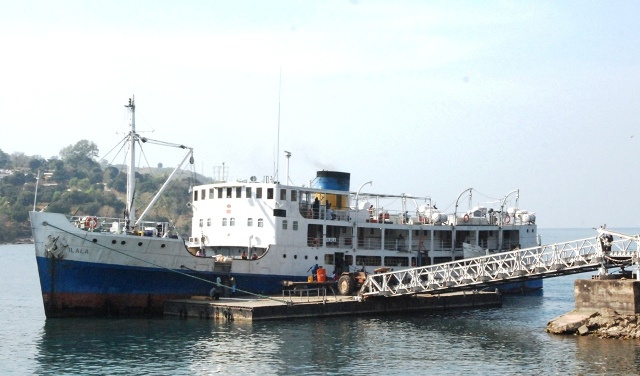
The Ministry of Transport and Public Works has announced plans to reconstruct the Nkhata Bay jetty, which was submerged in 2016.
According to the ministry’s spokesperson, Watson Maingo, the reconstruction project will commence after a comprehensive feasibility study is conducted.
While Maingo could not provide a specific timeline for the project’s initiation, he emphasized the ministry’s commitment to building a better jetty.
“A project of this magnitude requires significant funding, which we need to secure for both the feasibility study and construction.
“However, we aim to complete the project as soon as possible,” he explained.
Currently, ships are forced to dock several meters away from the shore, necessitating the use of small boats to ferry passengers to and from the vessels.
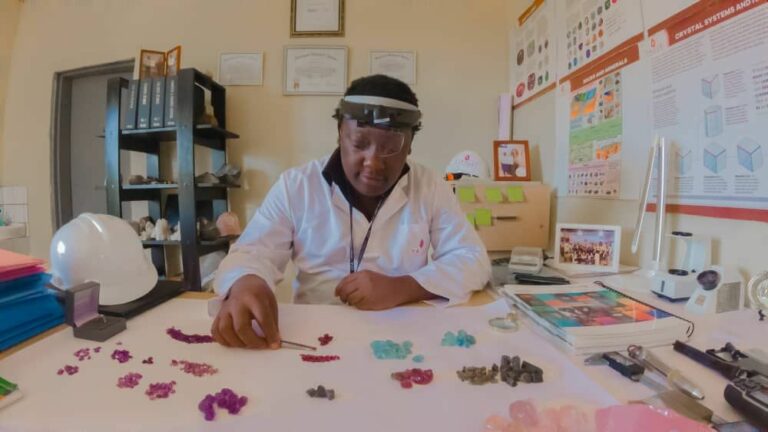
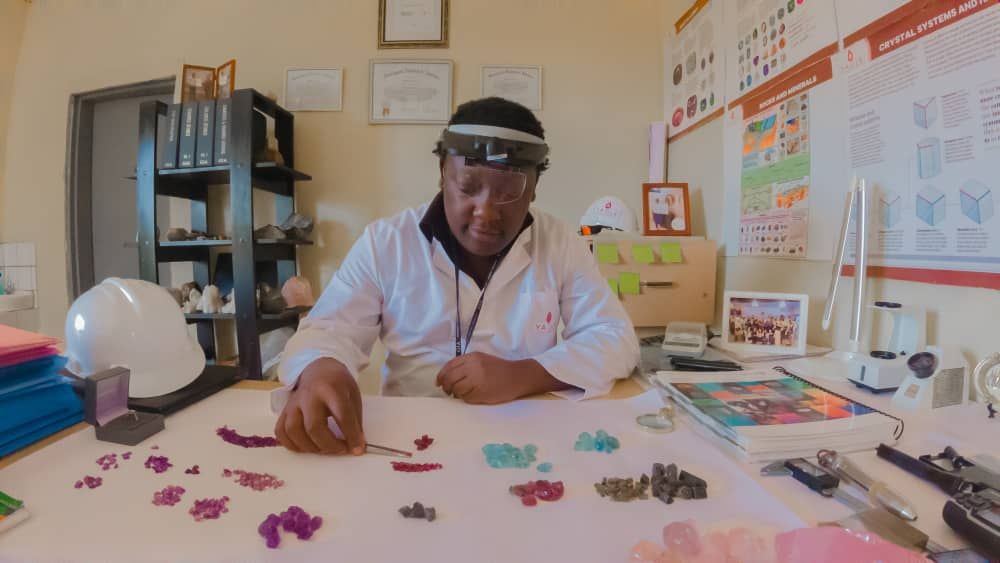
Yamikani Jimusole, a graduate gemologist and the Chief Executive Officer (CEO) of YAGLE, is advocating for the Ministry of Justice and the Ministry of Finance to expedite the resolution of the $309.6 billion claim against Nyala Mines Limited and Columbia Gemhouse.
This case, which involves allegations of unpaid royalties, taxes, and equity from 2008 to 2014, has the potential to significantly impact Malawi’s economy if properly handled. Jimusole, one of Malawi’s few accredited gemologists, has been researching and exploring the country’s gemstone industry for over a decade, focusing on understanding why Malawi remains impoverished despite its vast mineral wealth.
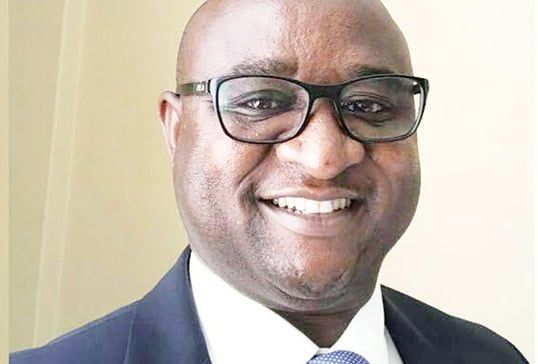
Yamikani Jimusole
The $309.6 Billion Claim: A Closer Look
In 2022, the Office of the Attorney General of Malawi sent a demand letter to Eric Braunwart, President of Columbia Gemhouse, claiming that the company, in partnership with Nyala Mines Limited, owed the Malawian government $309.6 billion. This figure allegedly represents unpaid royalties, taxes, and the government’s 10% equity stake in the company from 2008 to 2014.
The claim was based on a report authored by W.E. Chaluluka in November 2014, titled “The Story of Mineral Wealth Exploitation in Malawi.”
The report suggests that Nyala Mines Limited generated an average of $51.6 billion annually during this period, yet only paid MK604,413 to the Malawi Revenue Authority (MRA).
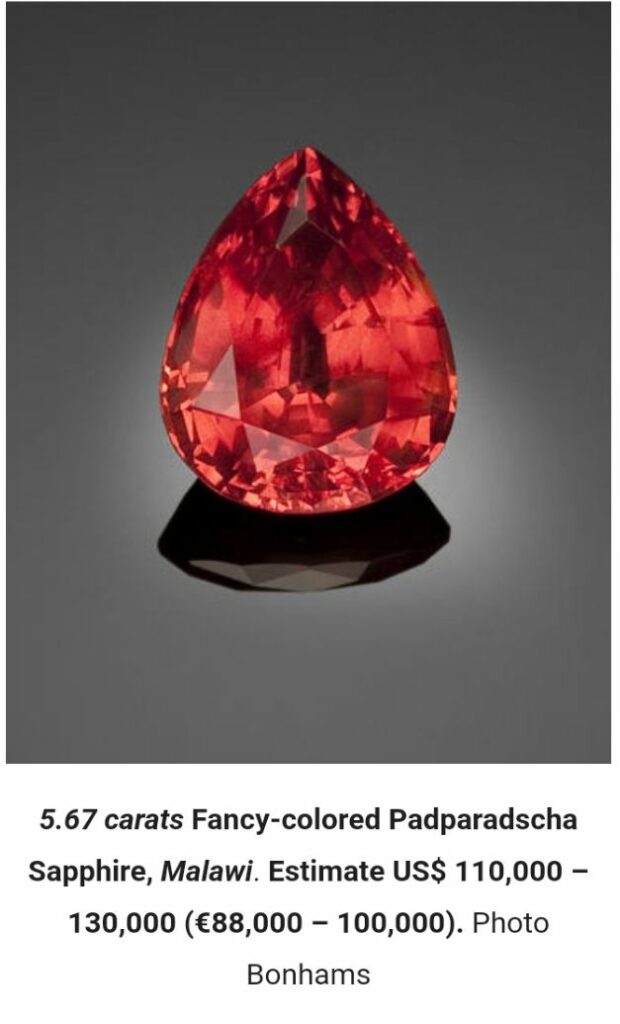
According to the report, the total export of 12,195,000 carats of ruby, sapphire, and padparadscha gemstones to the USA during this period should have resulted in a taxable amount of $309.6 billion.
However, Jimusole believes this claim is exaggerated and was calculated without considering key factors such as operational expenses, the actual quality of the gemstones, and the significant weight loss during the processing of rough stones, which can reach up to 65%.
He argues that the calculations assume a uniform quality and retail price for all exported gemstones, an assumption that is unrealistic given the varying grades and sizes of gemstones.
The Importance of Expert Involvement:
Jimusole is confident that Malawi has a strong case against Nyala Mines and Columbia Gemhouse, but he emphasizes the need for expert involvement to ensure the accuracy and legitimacy of the government’s claims.
As an accredited gemologist, Jimusole has conducted extensive research on the Chimwadzulu mine, the source of the gemstones in question.
This mine, located in Ntcheu, is one of Africa’s oldest ruby deposits, dating back to the 1920s, and also produces over 16 types of sapphires, including the rare padparadscha.
Given his expertise, Jimusole advocates for the government to engage accredited gemologists and other industry experts to thoroughly review the financial records and assumptions made in Chaluluka’s report.
He also suggests that the audit of Nyala Mines should be extended beyond 2014 to include the years up to 2017 when the mine was under different ownership and from 2017 to 2024 under Mwalawanga Mining Limited’s management.
This comprehensive audit would provide a more accurate picture of the financial activities related to the mine and help validate or refute the $309.6 billion claim.
International Support and Industry Potential:
In addition to involving local experts, Jimusole recommends that the Malawi government seek assistance from international trade associations such as CIBJO (The World Jewellery Confederation), ICA (International Colored Gemstone Association), RJC (Responsible Jewellery Council), and AGTA (American Gem Trade Association).
These organizations, to which Columbia Gemhouse is a member, have the expertise and global perspective needed to help resolve the case fairly and transparently.
Jimusole also sees immense untapped potential in Malawi’s gemstone industry.
He believes that with the proper grading, certification, and appraisal systems in place, the industry could generate over $1 billion annually.
However, he points out that Malawi civil service commission currently has only one accredited gemologist and no accredited jewelry appraisers, a significant limitation that hinders the industry’s growth. By investing in the development of these systems and training more professionals, Malawi could significantly increase its revenue from gemstone exports.
The Need for Government Prioritization:
Despite the potential financial windfall from the case, Jimusole is concerned that the Ministry of Finance, which initially prepared the $309.6 billion claim, has failed to provide adequate funding to pursue the case.
The Office of the Attorney General has reportedly secured $4.5 million in funding from undisclosed sources, but Jimusole argues that the government should have prioritized this case within its own budget, which currently stands at over $5 billion.
He questions why external funding is necessary for a case of this magnitude, especially given the potential economic benefits if the claim is successful.
Jimusole urges the government to allocate the necessary resources to ensure the case is handled with the seriousness and expertise it deserves.
He also advocates for greater collaboration between the Ministry of Justice, the Ministry of Finance, and the Ministry of Mining to bring together the legal, financial, and technical expertise needed to win the case.
“Imagine if Malawi could recover just $5 billion of this claim.
“The overall impact on the economy would be transformative, providing much-needed funds for infrastructure, healthcare, education, and other critical areas, as well as a significant injection of foreign currency,” says Jimusole.
Jimusole also mentioned that he has sent letters to Reserve Bank Governor Dr. Wilson Banda and Secretary to the Treasury Dr. Betchani Tchereni to voice his concerns about the status of the gemstone industry in Malawi.
However, he has yet to receive any feedback on these critical matters.
Conclusion:
Yamikani Jimusole’s call for action highlights the need for a more strategic and expert-driven approach to the $309.6 billion claim against Nyala Mines and Columbia Gemhouse.
By involving accredited gemologists, extending the audit period, and seeking international support, the Malawi government can strengthen its case and potentially secure a significant financial settlement. Moreover, by investing in the development of Malawi’s gemstone industry, the government can unlock a new revenue stream that could contribute to the country’s economic growth.
Jimusole’s advocacy underscores the importance of transparency, accountability, and expertise in managing Malawi’s mineral resources.
With the right approach, the ongoing legal proceedings could not only result in a fair resolution of the Nyala Mines case but also pave the way for a more prosperous future for Malawi’s gemstone industry.
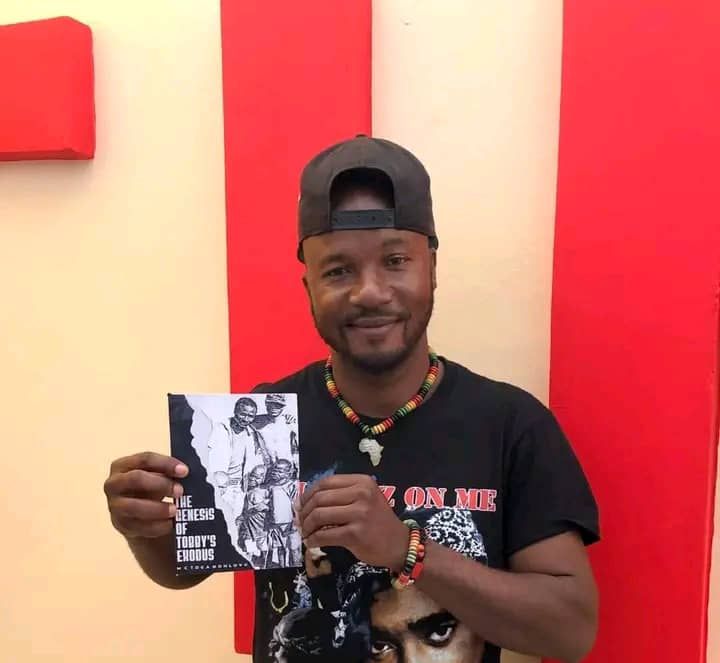
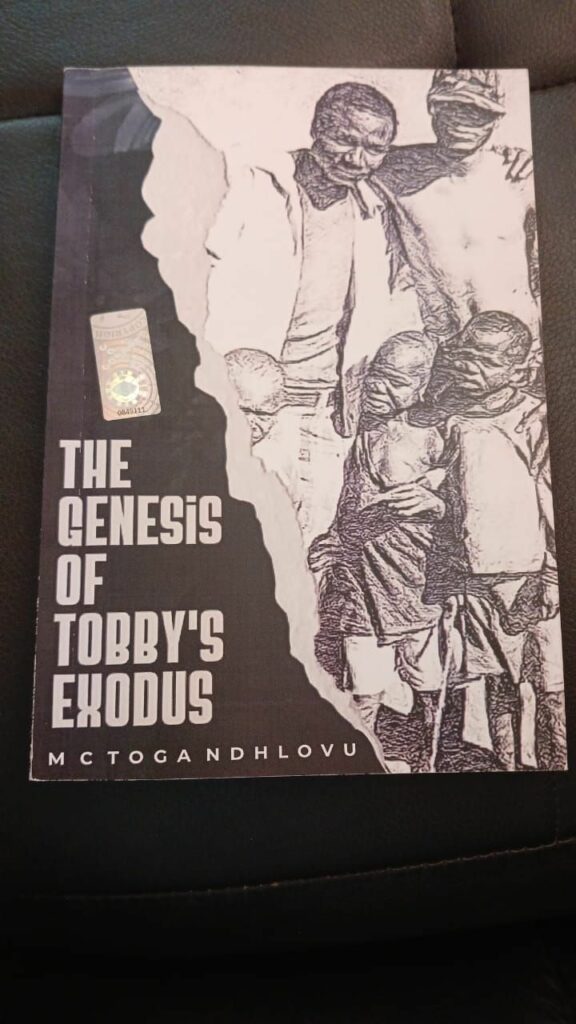
McToga Ndhlovu, a Malawian based in South Africa, has released his debut novel titled “The Genesis of Tobby’s Exodus”.
In an interview with our journalist Chisomo Phiri, Ndhlovu, a former journalism student at the Malawi University of Business and Applied Sciences (MUBAS),said the novel carries a powerful message of encouragement to the youth, emphasizing that being born and raised in a ghetto does not limit one’s potential in society.
McToga Ndhlovu
“The book highlights the challenges single mothers face when raising their children, especially in divorce situations,” said Ndhlovu.
He said he was motivated to write the book due to the decline in reading culture, which he attributed to the lack of new books on the market.
He said:” My aim to publish this novel is to restore the reading culture and provide a fresh perspective on current trends.
He said the book is currently available for purchase through individual sales, with negotiations underway with Maneno Bookshop.
“You can also contact Matilda Phiri on +265999194654, Mapopa Tembo on +265995733356, or Gresham Ngulube on +265888703103 to get your copy,” he said.
On the growth of writing industry in the country, Ndhlovu said while progress is being made, more support is needed from the corporate world.
He suggested that writers should be given ambassadorships to promote products, similar to musicians.
The High Court is set to review a judicial challenge initiated by the civil society organization Youth and Society (YAS) concerning the Anti-Corruption Bureau’s (ACB) handling of a restitution deal involving Prince Kapondamgaga, the Chief of Staff at State House. The review is scheduled for Wednesday and marks a pivotal moment in the ongoing investigation into the Zuneth Sattar corruption scandal.
YAS’s judicial review seeks to question the ACB’s decision to not prosecute Kapondamgaga despite his involvement in the Zuneth Sattar case, which has drawn scrutiny in both Malawi and the United Kingdom. According to reports, Kapondamgaga has already repaid K70 million to the state and returned a vehicle he received from Sattar, who faces corruption charges internationally.
Prince Kapondamgaga
Charles Kajoloweka, Executive Director of YAS, confirmed the review, stating that the organization is challenging the ACB’s decision to drop the investigation under Section 10(4) of the Corrupt Practices Act. Court documents reveal that YAS is requesting the court to grant permission to proceed with the review of the ACB’s decision.
The controversy began after a series of communications between YAS and the ACB, which culminated in YAS seeking a judicial review after their advocacy efforts to reinstate the case proved unsuccessful. In a letter dated July 31, 2023, YAS questioned the ACB’s rationale behind the decision to cease investigations and requested detailed information regarding the restitution agreement with Kapondamgaga. The ACB’s refusal to provide this information was justified by citing provisions of the Access to Information Act.
Further complicating matters, YAS has expressed concerns about the legal basis for the restitution deal and whether it adhered to the stipulations of the Corrupt Practices Act. The organization has also questioned why Kapondamgaga’s case was handled differently from other similar cases.
In November last year, YAS followed up with additional inquiries regarding the compliance of Kapondamgaga with the restitution agreement, including whether he had met the September 30, 2023 deadline to return the assets and funds as agreed.
YAS’s persistent efforts and the forthcoming judicial review underscore the organization’s commitment to ensuring accountability in high-profile corruption cases. The outcome of the High Court’s review will likely have significant implications for the handling of corruption cases and the broader issue of accountability within Malawi’s political and legal systems.
Pretoria – In a dramatic turn of events, a Malawian man has been arrested in Pretoria West for his involvement in a sophisticated hijacking scheme. The suspect was apprehended with a stolen truck loaded with peanuts valued at approximately R800,000.
According to Gauteng police, the hijacked truck was recovered after a meticulous investigation led by both law enforcement and private security firms. The suspect, identified as a key figure in a hijacking syndicate, had cleverly unhooked the trailer containing the peanuts and attached it to his own vehicle.
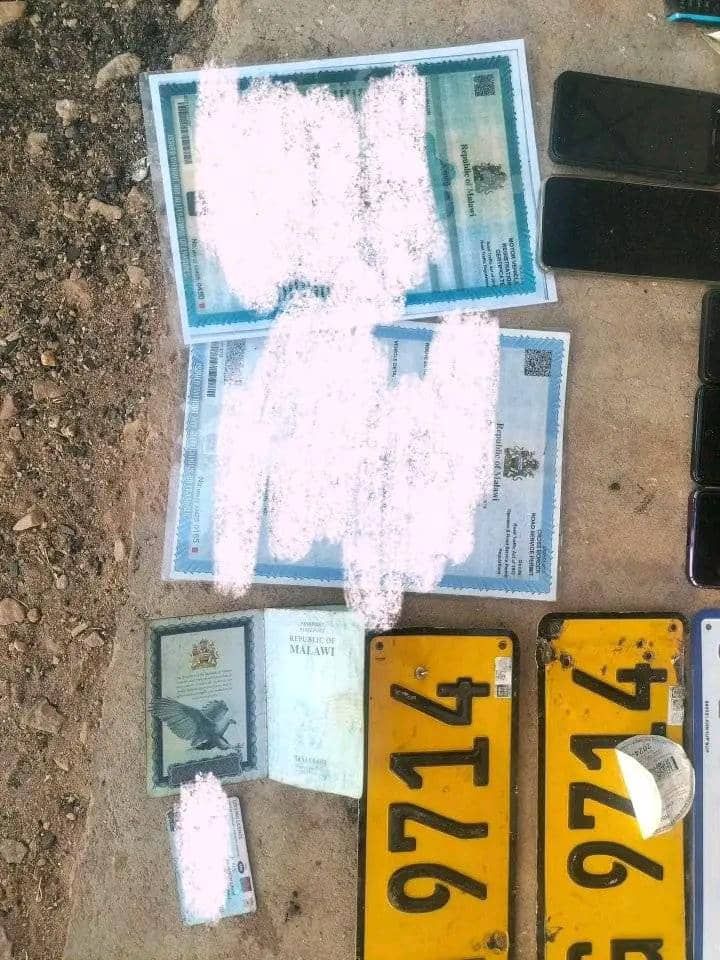
During the arrest, authorities discovered a cache of 19 cellphones and various vehicle license disks in the suspect’s possession, further linking him to criminal activities. The case underscores the ongoing challenges in combating hijacking syndicates and highlights the coordination between police and private security in tackling such crimes.
The recovered goods and the stolen truck have been returned to their rightful owners, while the suspect remains in custody as investigations continue.