Sunday, April 5, 2026
No menu items!
spot_img
Home Blog Page 1151

Chakwera’s Grand Gesture: Launching MHC Headquarters Construction Amidst Criticism of Overstepping Bounds

0

By Twink Jones Gadama

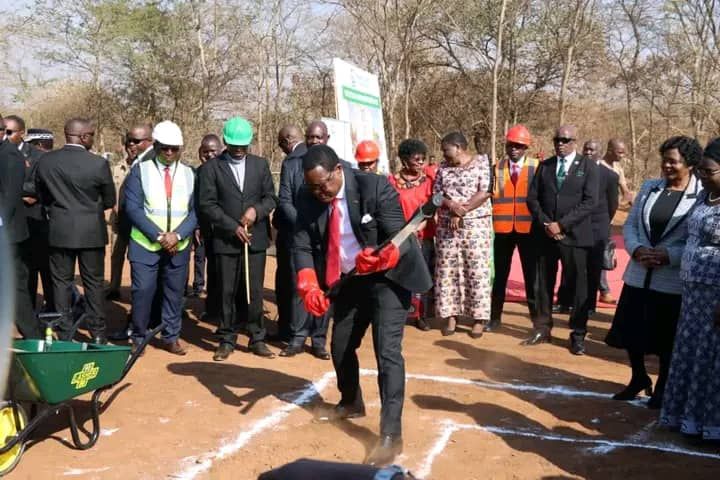
President Lazarus McCarthy Chakwera’s latest move to preside over the groundbreaking ceremony for the construction of the Malawi Housing Corporation (MHC) Headquarters has raised eyebrows.

While the project is a significant milestone in the country’s infrastructure development, critics argue that the President’s involvement is a clear case of overstepping his bounds.

The ceremony, attended by the First Lady Monica Chakwera, Minister of Lands Deus Gumba, and Secretary to the President and Cabinet Colleen Zamba, marked the beginning of a new era for the MHC.
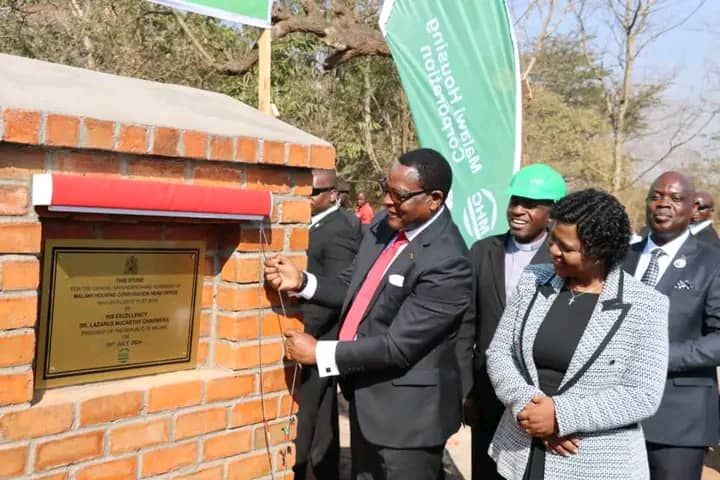


The state-of-the-art headquarters is expected to transform the face of Lilongwe and address office space challenges.

However, the question on everyone’s mind is: should the President be directly involved in such projects?

Critics argue that the President’s role is to provide strategic direction and oversight, not to micromanage projects that fall under the purview of line ministers.

In this case, the Minister of Lands should have been the one to launch the project, not the President.

By doing so, Chakwera is not only overstepping his bounds but also spending more government resources than necessary.

“This is a clear case of the President trying to take credit for everything,” said a political analyst. “While the project is important, it’s not the President’s job to launch it.

He should be focusing on bigger picture issues, not micromanaging projects that can be handled by his ministers.”

Despite the criticism, Chakwera’s administration has placed emphasis on infrastructure development as a key driver of social and economic growth.

The Vision Malawi 2063 agenda highlights the importance of investing in infrastructure to accelerate development.

However, the approach has been criticized for being too centralized, with the President taking on too much responsibility.

The MHC Headquarters project is just one example of the many initiatives launched by Chakwera’s administration.

While the project is significant, it’s essential to examine the broader implications of the President’s involvement.

Is this a case of the President’s desire for legacy projects overshadowing the need for effective governance and accountability, or is it a genuine attempt to drive development in Malawi? Only time will tell.
Dr. Dalitso Kabambe reflects on attending UTM rally for the first time

0

By Burnett Munthali

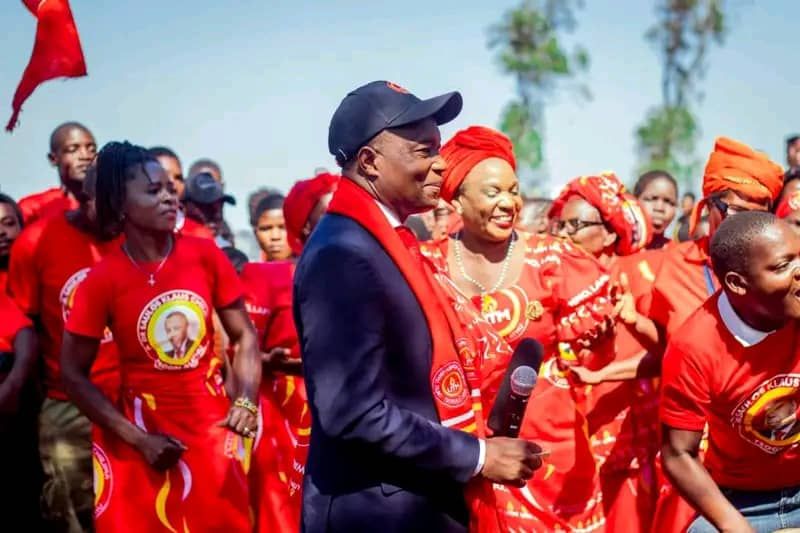
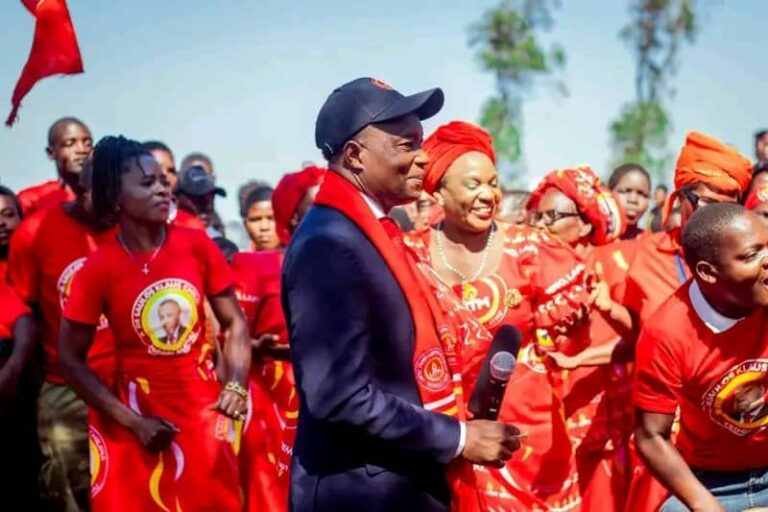
On Sunday, July 28, 2024, Dr. Dalitso Kabambe took to Facebook to share a poignant reflection on the significance of the day in his political journey. For the first time, Kabambe attended a United Transformation Movement (UTM) political rally, marking a profound moment in his involvement with the party founded by the late Dr. Saulos Klaus Chilima (SKC).

Kabambe highlighted that July 28 is not an ordinary day for him. It symbolizes his inaugural participation in a UTM rally as a dedicated member of the party, a significant milestone given SKC’s pivotal role in reshaping Malawian politics. Kabambe recalled the momentous launch of UTM on July 21, 2018, at Masintha Ground in Lilongwe, which marked a new era in the country’s political landscape.

Dr. Chilima, known for his visionary leadership and charismatic approach, infused Malawian politics with a fresh perspective. He championed development-focused politics over poverty-driven agendas, leaving a legacy that Kabambe holds dear. Reflecting on SKC’s impact, Kabambe noted that SKC’s commitment to political transformation and his vision for a better Malawi continue to inspire.

Kabambe

The coincidence of attending his first UTM rally in the same month SKC launched the party is deeply meaningful to Kabambe. He expressed his unwavering commitment to carry forward SKC’s legacy, pledging to dedicate himself to the party’s success and honor SKC’s memory.

In a heartfelt message to SKC, Kabambe declared, “UTM is here to stay, and UTM is forming the next government. We will do this to honor you, Sir.” He affirmed that the UTM family is united in its mission, drawing strength from the legacy of SKC, who inspired them to strive for a brighter future.

Kabambe’s reflection underscores the profound connection between personal commitment and political legacy, as he and the UTM family work towards fulfilling the vision set forth by their esteemed founder.

Analysis of external dependence in Malawi: From dustbins to development

By Burnett Munthali

Malawi’s reliance on external aid and donations extends beyond major infrastructure projects to even the most basic necessities, such as dustbins. This phenomenon underscores a broader issue of dependence on foreign assistance for various aspects of development and daily life.

It is noteworthy how deeply ingrained the culture of dependency on external support has become in Malawi. The reliance on foreign countries for essential items like dustbins highlights a systemic issue where even basic infrastructure needs are met through donations rather than domestic production or government procurement. This dependence reflects a broader pattern where external aid often fills gaps that should ideally be addressed by local resources and initiatives.


The sight of donated dustbins in places like Mchesi slum and other areas in Lilongwe can be seen as a symbol of a larger problem. It is a reflection of a national challenge where basic services and amenities are often sourced from outside rather than through domestic means. This reliance can be perceived as a failure to develop self-sufficiency and an indication that local systems are not sufficiently robust to manage even fundamental needs.

There is a call for Malawians to engage in critical thinking about the country’s approach to development and aid. The focus should shift from reliance on external donations to fostering self-reliance and building local capacity. This involves not only improving domestic production and procurement systems but also encouraging innovative solutions and local entrepreneurship.

To address these issues, Malawi needs to strengthen its institutional frameworks and create environments that support local businesses and production. Investing in local industries, enhancing government efficiency, and developing sustainable infrastructure can reduce dependence on foreign aid. Additionally, fostering a culture of self-sufficiency and critical thinking among the populace will help in building a more resilient and independent nation.

In summary, while donations and external aid play a significant role in supporting Malawi, the focus must shift towards building local capacity and reducing dependency. By fostering self-reliance and improving local infrastructure, Malawi can move towards a more sustainable and independent future.

Malawi spent K23.3 billion on banknote printing last year

0

By Chisomo Phiri

Reserve Bank of Malawi (RBM) Deputy Governor Macdonald Mafuta Mwale has revealed that the central bank spent K23.3 billion last year to print banknotes.

He made this statement at Chatoloma ADMARC ground in Kasungu during the launch of the Digital Financial Services campaign, an awareness initiative aimed at increasing the use of digital technologies when making financial transactions.

Mwale attributed this expenditure to the improper use of money by people, especially during ceremonies.

“Printing money is very expensive because Malawi lacks the capacity to do so. When it comes to paying the printers, we do it in foreign currency.

Albert Mafusire

“So, with the scarcity of forex that this country is experiencing, it is good and important to embrace digital technologies when transacting,” he said.

African Development Bank (AfDB) representative Albert Mafusire expressed the bank’s commitment to helping Malawi achieve its aspirations.

“We are proud to support Malawi’s efforts to increase digital financial inclusion and reduce reliance on physical currency.

“This project is a crucial step towards a more efficient and sustainable financial system,” he said.

Various players in the financial sector, including banks and mobile money service providers, showcased their services at the launch.

The Digital Financial Services campaign is being implemented by RBM, in collaboration with the Ministry of Finance, with a $14.2 million grant from AfDB.

The project commenced in 2022 and will conclude in 2026.

Mangochi stakeholders demand action against electoral handouts

0

By Chisomo Phiri

Electoral stakeholders in Mangochi have urged the Registrar of Political Parties to take decisive action against handouts, citing their corrupting influence on voters’ choices.

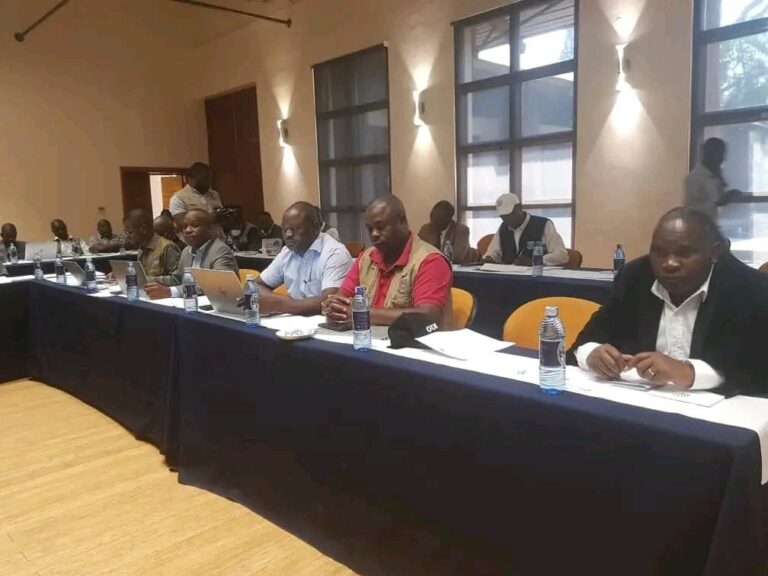
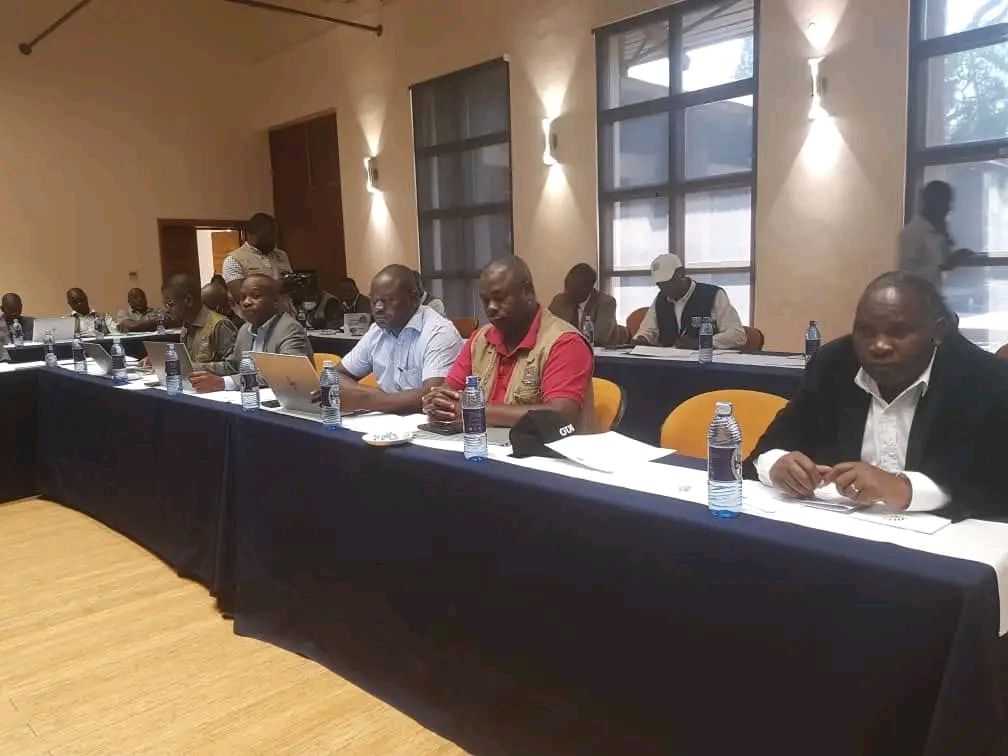
The call was made during a post-evaluation meeting in Mangochi, following the Mwasa Ward by-election held on July 23, 2024.

Governor of the Democratic Progressive Party (DPP) Davie Issa, expressed concern over individuals distributing money to voters.

“This undermines the integrity of the electoral process and compromises voters’ decisions,” said Issa.

He also criticized the National Registration Bureau’s handling of National Identity Cards(IDs).

In response, Francis Kasaila, Commissioner of the Malawi Electoral Commission (MEC), pledged to address the stakeholders’ grievances.

He acknowledged gaps in civic education and promised to engage stakeholders more effectively in the future.

“We will work hard to bring the necessary change so that we do not encounter similar cases in the future,” he said.

The by-election saw Stewart Mwase of the Malawi Congress Party (MCP) win with 1,073 votes, followed by Adam Kida of DPP with 493 votes, Assam Dickson M’bwana of United Democratic Front ( UDF) with 476 votes, Lynah Bridget Tedie of People’s Development Party (PDP) with 57 votes, and Andalason Madi of Umodzi Party ( UP) with 17 votes.