
Sunday, April 5, 2026
No menu items!
spot_img
Home Blog Page 1157

Malawi moves closer to protecting whistle-blowers in national security cases

0

By Chisomo Phiri

The Special Law Commission on the Development of Legislation on the Protection of Whistle-blowers in Malawi has recommended that whistle-blowers disclose matters related to national security, particularly those involving corruption within security agencies like the Malawi Defence Force (MDF), to Parliament.

The recommendation is aimed at creating a more transparent process for handling such disclosures while protecting national security interests.
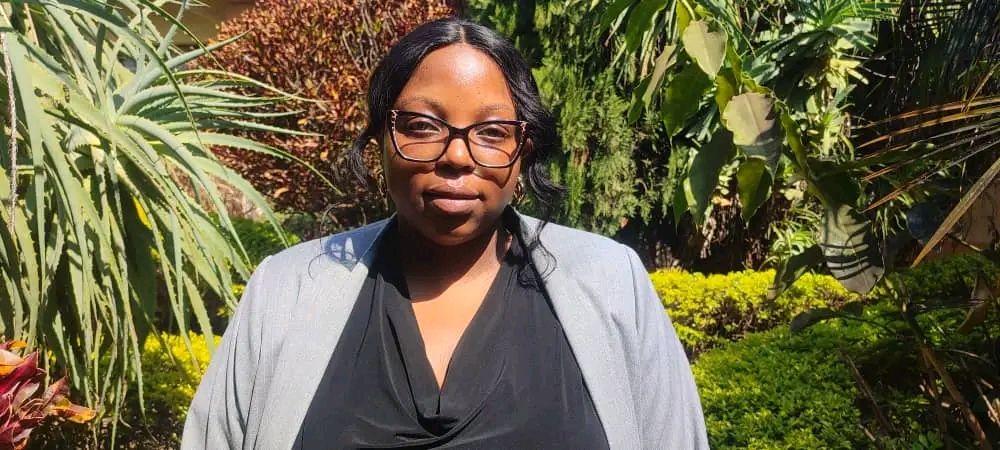
Tapiwa Banda

Currently, matters of national security are protected from disclosure under the law.

Chief Law Reform Officer for the Law Commission and Lead Program Officer for the Development of Legislation on the Protection of Whistle-blowers Tapiwa Banda, made this recommendation during an engagement meeting organized by the National Democracy Institute (NDI) in Lilongwe on Wednesday.

Banda mentioned that the Commission identified specific areas where transparency is crucial, including recruitment, procurement, and administrative matters, which could potentially highlight misconduct and illegal activities.

She stated that the Commission used the Tshwane Principles as a guide for handling disclosures affecting national security.

“The Defence and Security Committee of Parliament will review whether to proceed with investigations into such disclosures,” she said.

On his part, Mathews Kajani, Team Leader for the Mzuzu Youth Anti-Corruption Movement, urged the Law Commission to expedite the enactment of the Whistle-blower Protection Bill.


Court to deliver bail verdict for Chiyanjano Mbeza on Friday

0

By Chisomo Phiri

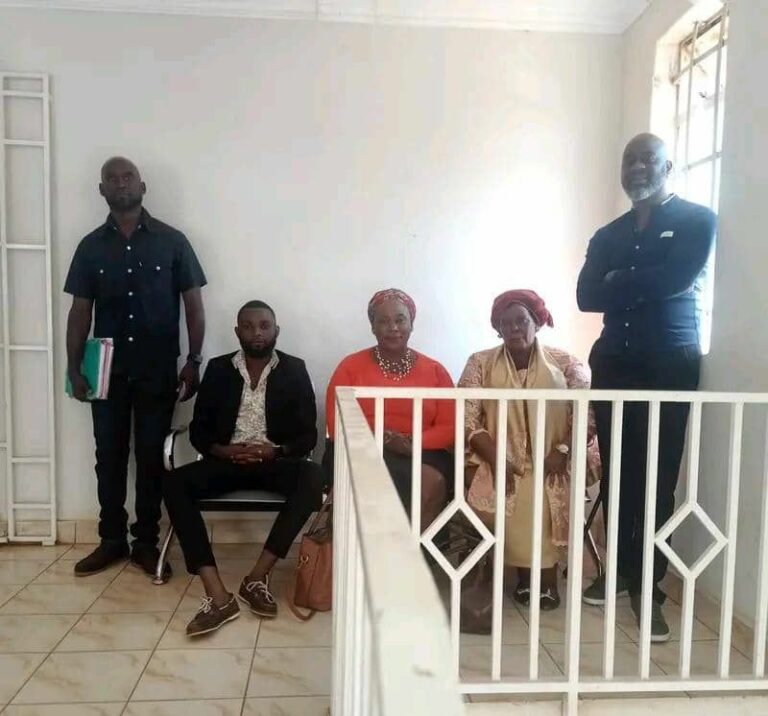
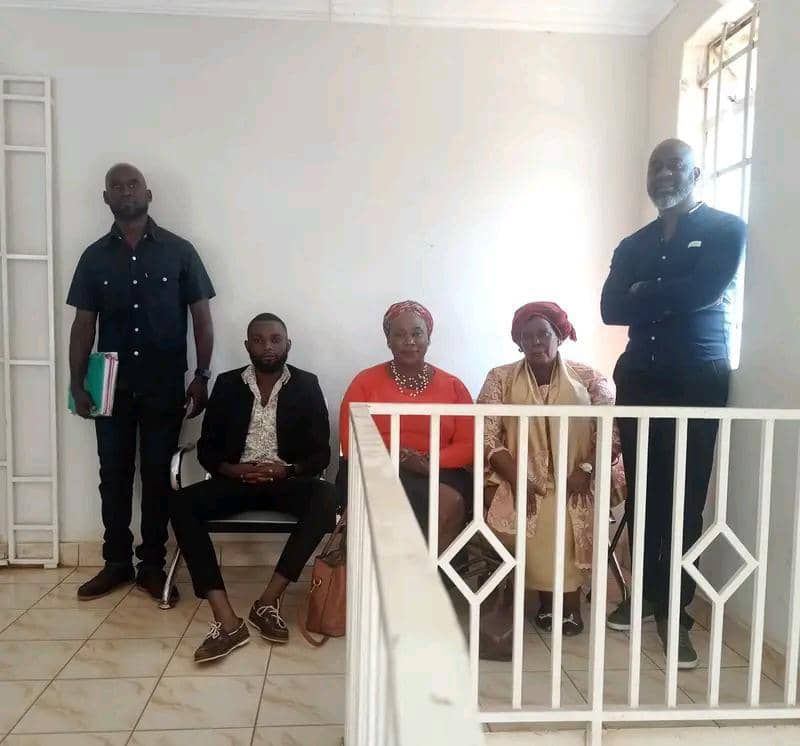
The Lilongwe Principal Resident Magistrate Court has announced that it will deliver its ruling on Friday July 26,2024, regarding whether to grant bail to Chiyanjano Mbeza,30, who was arrested on cybercrime-related charges.

According to state representative Charles Panyani, the Malawi Police Service(MPS) on Wednesday brought the accused to court, who is facing charges including using his studio to record and publish false content on various online websites. Panyani stated that Mbeza was arrested for spreading false information that may disturb national peace and security.

The force information allegedly named some individuals as being behind the plane crash that claimed the lives of nine people, including the late Vice President Saulos Chilima.

Panyani added that the police suspect other individuals are involved in this matter, and if the accused is released on bail, he may interfere with ongoing investigation proceedings.

The police confiscated some studio materials, with investigations currently at 80%.

Panyani indicated that the police may take at least seven days to finalize investigations.

The defense team, led by Gilbert Khonyongwa, expressed concerns about the police tendency to arrest individuals before completing investigations.

The accused will spend a day in custody pending the bail ruling.

He hails from Kazombo Village in the area of Traditional Authority(T/A) Nkhumba in Phalombe District.

Bushiris extradition case adjourned

0

By Chisomo Phiri

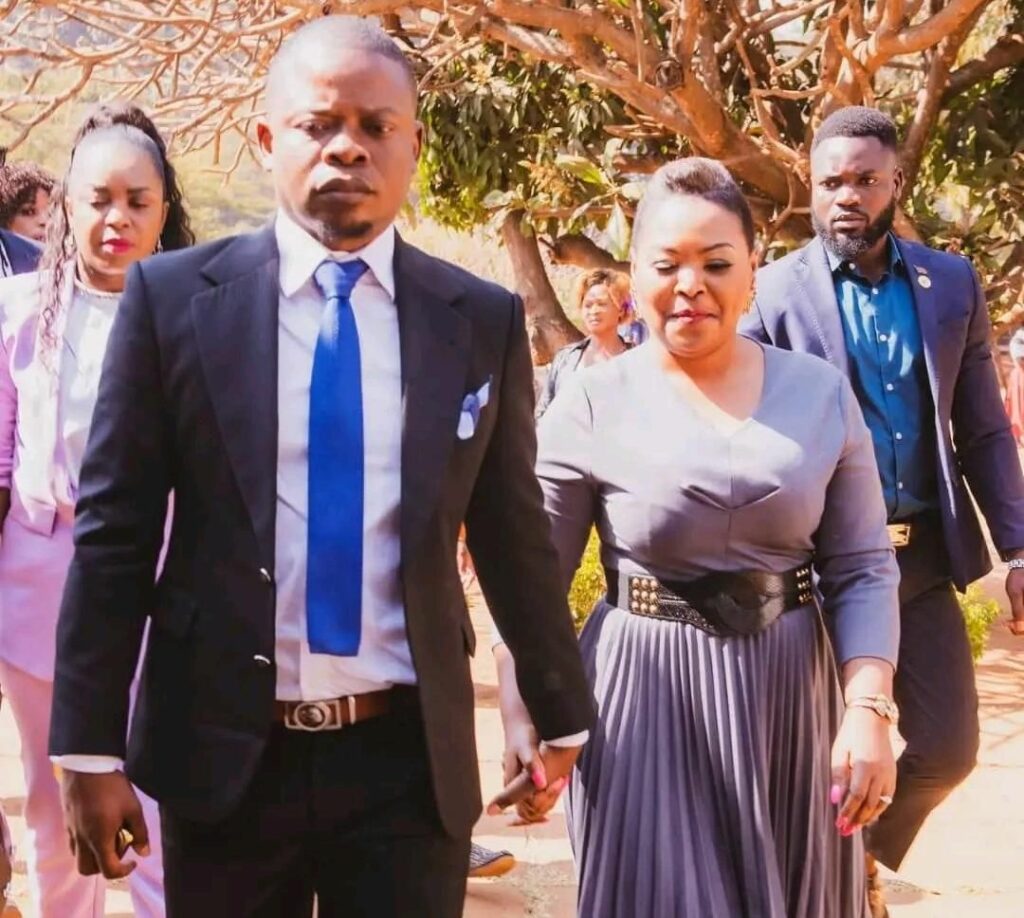
Chief Resident Magistrate Madalitso Chimwaza on Wednesday adjourned to a later date an extradition case in which the South African Government wants Prophet Shepherd Bushiri and his wife Mary to answer money laundering, theft and rape charges in the rainbow nation.

Chimwaza gave defence up to August 19,2024 to make its written submissions and the state up to September 13, 2024 to respond.

She said the defense will also be required to make submission by September 19, 2024 if it sees the need to respond to the state submissions.

Bushiri and wife

Chimwaza expressed hope that both parties will do a good job when making the submissions.

She explained that after 60 days, from September 19, 2024, the court will make a ruling on whether the Bushiris have to be extradited to South Africa or not.During court proceedings on Wednesday, the state was re-examining state witness Sibongire Mzinyathi, who is Director of Public Prosecutions in Gauteng Province in South Africa.

On a number of occasions, the defence objected to the evidence brought by the state; arguing that the state was bringing in fresh evidence.

Bushiris escaped South Africa in November 2020, barely days after being granted bail on the above mentioned charges, citing security threats.

Legal battle unfolds: Mama Cecelia Kadzamira faces High Court inquiry over Tichirenji Farm

0

By Burnett Munthali

Today, in a significant legal showdown, Mama Cecelia Kadzamira appears in the High Court in Lilongwe to address questions surrounding the ownership of Tichirenji Farm in Mchinji. The farm, previously owned by politician Elias Kaphwiti Banda, has sparked a contentious dispute involving the Kaphwiti Banda family, who assert their claim to the property.

The Kaphwiti Banda family asserts that they acquired Tichirenji Farm in 1968 and maintain rightful ownership. However, Mama Kadzamira, under cross-examination by Wapona Kita, the lawyer representing the Kaphwiti Banda family, revealed that she acquired the land from former President Kamuzu Banda in 1972. Notably, she acknowledged a lack of evidence regarding any formal transfer of ownership from the Kaphwiti Banda family to Kamuzu Banda at the time.


Mama Kadzamira’s tenure as Kamuzu Banda’s official hostess adds a layer of historical context to the case, highlighting her close association with the former president during a pivotal era in Malawi’s political history.

As the proceedings unfold in the High Court, stakeholders and the public await further developments in this complex legal dispute. Updates on the case will provide insights into the legal intricacies and implications for land ownership and historical claims in Malawi.

Stay tuned as we continue to bring you the latest updates on this evolving legal battle.

.

Ensuring democratic integrity: The pillars of free, fair, transparent, and credible elections


By Burnett Munthali

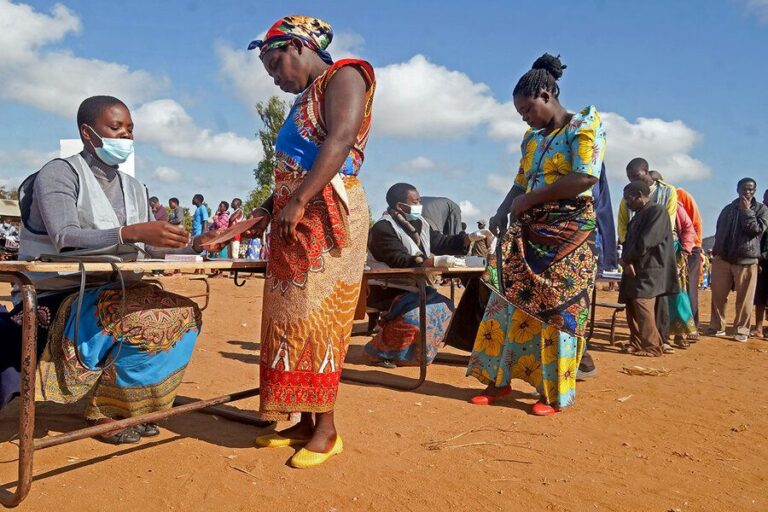
In the tapestry of democracy, elections stand as the quintessential expression of the people’s will. Yet, their integrity hinges not just on the act of voting, but on the foundational principles of freedom, fairness, transparency, and credibility.

At the heart of any democratic election lies the fundamental right of every eligible citizen to cast their ballot without fear of coercion or manipulation. Free elections ensure that individuals can express their political preferences without hindrance, ensuring a true reflection of popular sentiment.

Equity in the electoral process is paramount. Fair elections demand a level playing field where all candidates and political parties compete under the same rules and regulations. This includes equitable access to media coverage, public resources, and opportunities for campaigning.

The transparency of elections serves as a cornerstone of public trust. It requires openness at every stage of the electoral cycle, from voter registration to the announcement of results. Transparent elections empower citizens to scrutinize and verify the integrity of the process, fostering accountability among electoral authorities.

Elections must inspire confidence among participants and observers alike. Credible elections are those conducted with integrity, where mechanisms are in place to prevent and address irregularities. This includes independent oversight, robust electoral laws, and impartial adjudication of disputes.

Despite these principles, the path to achieving free, fair, transparent, and credible elections is fraught with challenges. Issues such as voter suppression, electoral fraud, and political interference often threaten the democratic fabric. Addressing these challenges requires steadfast commitment from all stakeholders – governments, electoral commissions, civil society, and international observers.

Around the world, examples abound of both progress and setbacks in the pursuit of democratic elections. Countries like Ghana and Uruguay serve as beacons of successful electoral practices, where transparency and fairness are upheld. Conversely, nations grappling with electoral turmoil highlight the ongoing struggle to uphold these principles in the face of political polarization and authoritarian tendencies.

In conclusion, the journey towards free, fair, transparent, and credible elections is an ongoing endeavor, essential for safeguarding democracy worldwide. As citizens, it is our collective responsibility to uphold these principles, ensuring that elections remain a testament to democratic ideals – a reflection of our collective voice and aspirations.