
Monday, April 6, 2026
No menu items!
spot_img
Home Blog Page 1169

Chakwera urges local manufacturers to produce high-quality goods

0

By Chisomo Phiri

President Dr. Lazarus Chakwera has urged local manufacturers in the country to always produce high-quality goods that can compete on the global market.

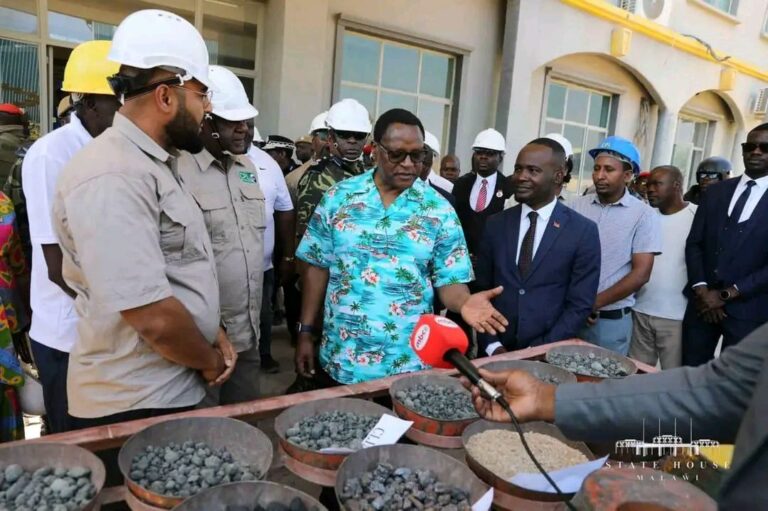
Speaking during a dinner with business captains from the Eastern Region at Chikoko-Bay State Lodge in Mangochi on Saturday evening, the President emphasized the need for Malawi to strengthen its local manufacturing sector in order to boost exports and drive economic growth.
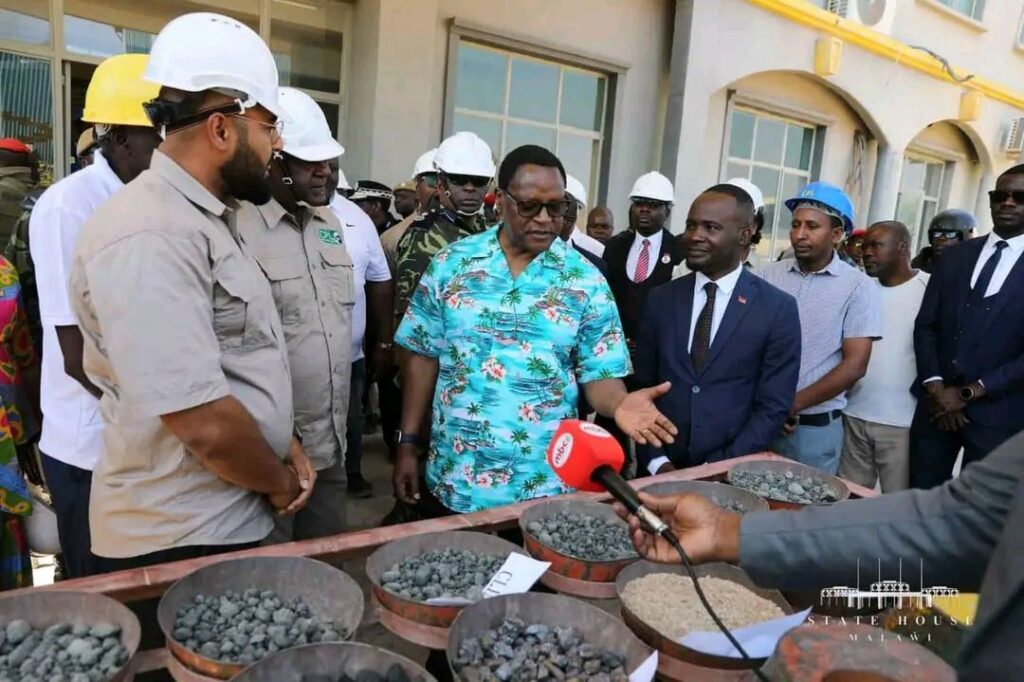
Chakwera

He noted that Malawi’s reliance on imports has hindered the country’s economic progress, and that it is time for a paradigm shift.

The President encouraged local manufacturers to innovate and improve their products, emphasizing that the government is committed to supporting them through various initiatives, by producing goods that meet international standards, to earn much-needed foreign exchange.

He assured the business leaders that his administration is working tirelessly to create a conducive environment for local manufacturers to thrive.

By strengthening local manufacturers, the President said Malawi can reduce its trade deficit and become a major player in regional and global trade.

On his part, Minister of Trade and Industry, Honourable Sosten Gwengwe, said that the President’s call to action is a clear indication of his commitment to transforming Malawi’s economy and improving the lives of its citizens.

Gwengwe said that his ministry is working tirelessly to ensure that the trade industry has a conducive environment for Malawians.

Other speakers at the event included Deputy Chief Executive Officer for NBS Bank, Temwani Simwaka, and Vice President for Malawi Confederation of Chambers of Commerce and Industry, Arnold M’bwana, who acknowledged the commitment by Chakwera’s administration to transform Malawi’s economy and improve the lives of its citizens.
Biden’s withdrawal opens historic opportunity for Kamala Harris

By Burnett Munthali

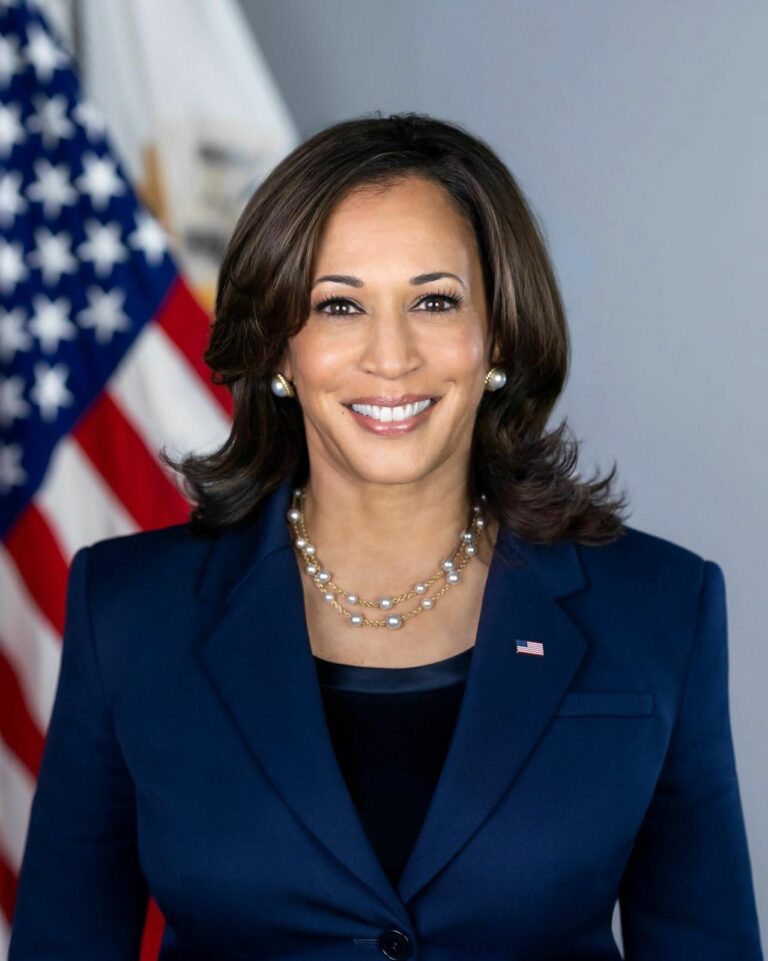
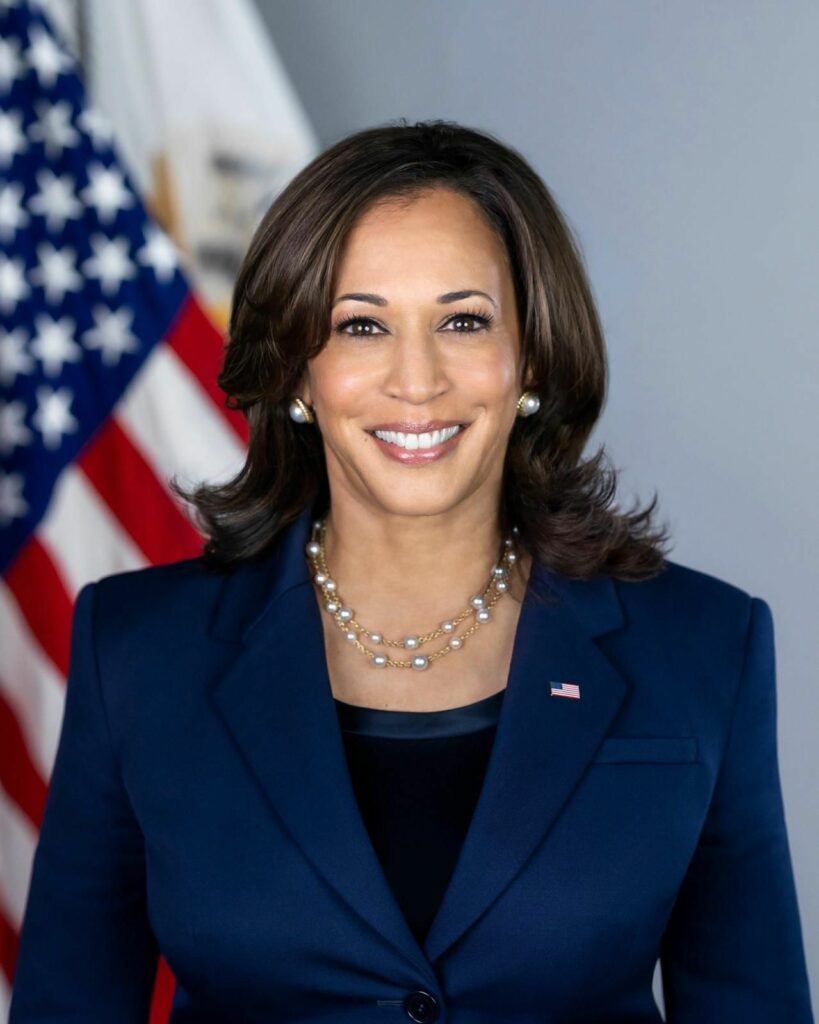
President Joe Biden’s recent decision to withdraw from the 2024 presidential race and endorse Vice President Kamala Harris for the Democratic nomination presents Harris with a unique chance to make further history. As the first woman and the first woman of color to serve as Vice President, Harris is now positioned to become the first woman President of the United States.

In a letter announcing his departure from the race, Biden expressed deep gratitude to Harris. “I want to thank Kamala Harris for being an extraordinary partner in all this work,” he wrote. The endorsement was further emphasized in a social media post featuring a photo of the two of them on the White House grounds. “My very first decision as the party nominee in 2020 was to pick Kamala Harris as my Vice President. And it’s been the best decision I’ve made,” Biden added.

Kamala Harris

Harris’s path to this opportunity has not been without challenges. During her own 2020 presidential campaign, she had notable confrontations with Biden, particularly on policy issues. Despite this, Biden’s pledge to select a running mate who was both a woman and experienced led him to choose Harris, who had previously served as California’s Attorney General and a U.S. Senator.

Now, with Biden’s endorsement, Harris faces the task of rallying the Democratic base and navigating the upcoming election, building on her significant achievements and experience. Her candidacy is poised to continue breaking barriers and reshaping the future of American politics.

Breaking News: Biden Team learns of President’s withdrawal from presidential race

By Burnett Munthali

In a surprising turn of events, President Joe Biden’s decision to withdraw from the 2024 presidential race was communicated to his senior campaign and White House team shortly before the public announcement, according to a senior White House official.

The official revealed that Biden had been contemplating this decision over the past few days. The news of his withdrawal came as a shock to many staff members across both the White House and the presidential campaign. Multiple staffers reported learning of the decision in real-time when Biden posted the letter on X (formerly Twitter) at 1:46 p.m. ET.

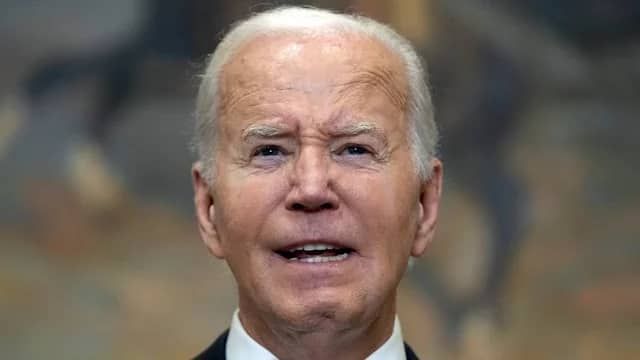
President Joe Bidden


The announcement was kept under tight wraps, with even senior aides being informed only minutes before the post went live. An all-staff call is scheduled for later on Sunday to address the development and discuss the implications for the campaign. Despite Biden’s departure from the presidential race, efforts to support down-ballot Democratic candidates will continue.

This unexpected development has left many within the Biden campaign and the Democratic National Committee scrambling to adjust to the sudden change in the political landscape.

Vice President Dr. Michael Usi returns to his roots

0

By Burnett Munthali

Vice President Dr. Michael Usi has made a notable return to his home village of Golden, situated in TA Chikumbu, Mulanje Central. This visit, which aims to address members of the UTM party, local peers, and traditional leaders, underscores his commitment to reconnecting with his roots and engaging directly with his community.

In Golden, Dr. Usi has been actively involved in discussions with UTM party members, offering insights into party strategies and future plans. His presence serves as a testament to his dedication to strengthening party ties at the grassroots level. Additionally, his interactions with local peers and traditional leaders highlight the importance of integrating traditional wisdom with modern governance to address community needs effectively.

The visit not only reaffirms Dr. Usi’s personal and political connections to his home village but also reflects a broader effort to ensure that national policies and initiatives resonate with local realities. By engaging with traditional leaders and community members, Dr. Usi aims to foster a more inclusive approach to leadership and development.

Public reactions to “Leave Mary Chilima alone” message from family

By Burnett Munthali

The recent call from the family of the late SKC (Saulos Chilima), urging the public and political figures to “leave Mary Chilima alone,” has sparked a range of responses across Malawi. This message comes amid ongoing debates about the use of Chilima’s legacy and the implications for political discourse. The public’s reactions reflect a spectrum of views on the intersection of personal grief, political exploitation, and governance.

Daniel Dazilanjira Nyirenda has voiced strong support for the family’s plea, emphasizing that the late Chilima should be mourned collectively by all Malawians, rather than being used as a political tool. Nyirenda criticizes party officials and politicians across the spectrum who, in his view, are exploiting Chilima’s name for political gain. He reflects on Chilima’s reputation as a leader who avoided conflict and was open to dialogue, underscoring the dissonance between the late leader’s character and the current political maneuvers.

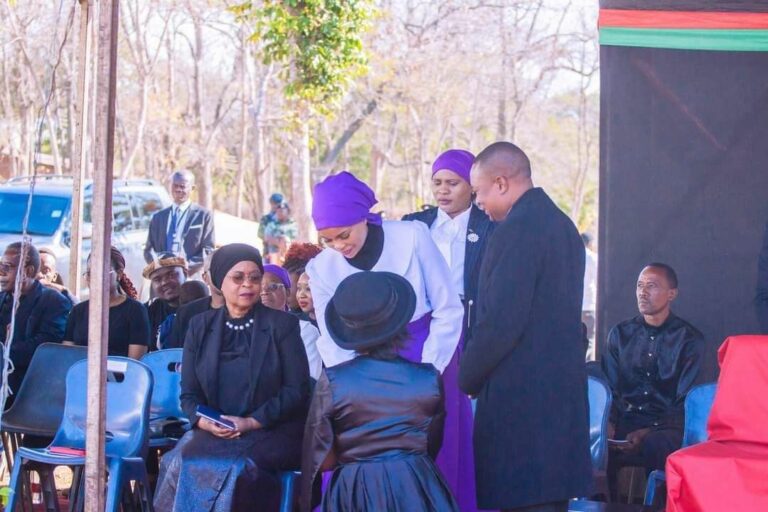
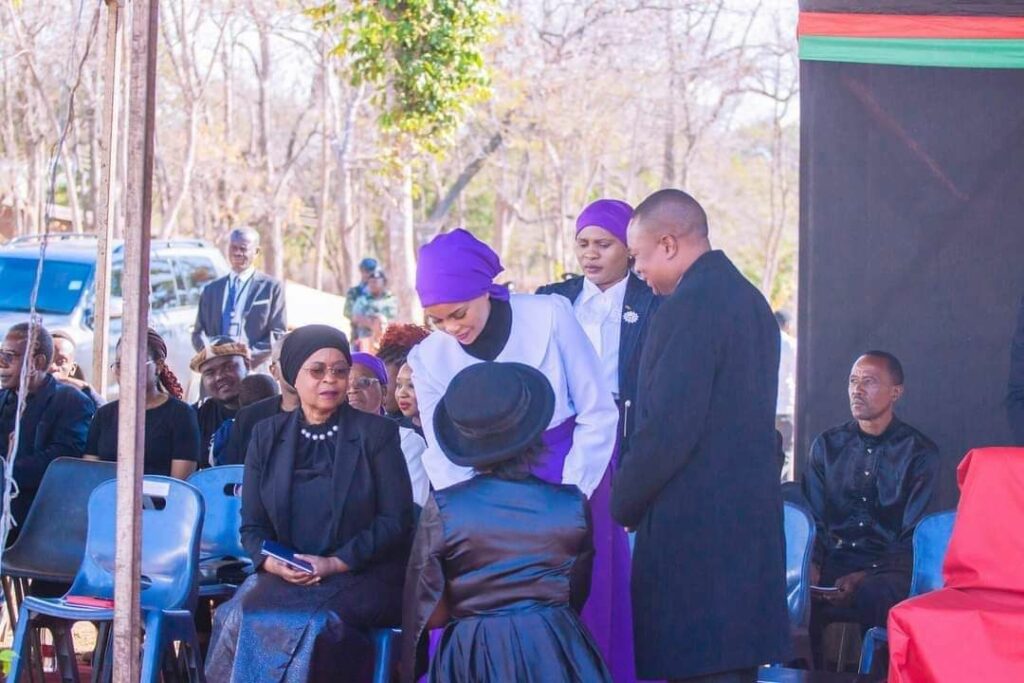
Mary Chilima

Ble Malinda counters this perspective by asserting that appointments or political positions should not be influenced by sympathy or personal connections. Malinda argues that good governance requires adherence to established standards and criteria, and that elevating individuals based on emotional responses rather than merit could undermine effective governance.

Vertical Interval takes a broader view, suggesting that governance should not be perceived as a family enterprise. They argue that expecting families to resolve political and administrative issues conflates personal and public responsibilities. This perspective highlights concerns about the concentration of political power within families and stresses the need for broader institutional reforms.

Keith Banda offers a more traditional response, focusing on the respect and honor due to the deceased. Banda’s comment is a prayer for eternal rest and divine light for Chilima, reflecting a sentiment of reverence and personal loss rather than engagement in political debate.

The diverse reactions to the “leave Mary Chilima alone” message illustrate a complex interplay between respect for the deceased, political ethics, and governance practices. Nyirenda’s support for the family’s plea reflects a desire to separate personal grief from political exploitation, advocating for a respectful mourning period devoid of political agendas.

Conversely, Malinda’s viewpoint underscores a concern for maintaining governance standards and avoiding decisions influenced by emotional or sympathetic responses. This perspective suggests a need for a clear distinction between personal sentiments and professional responsibilities in public service.

Vertical Interval’s critique emphasizes the importance of separating familial influence from governance, advocating for systemic changes to ensure that political and administrative roles are filled based on competency rather than family connections.

Banda’s response, while respectful, suggests a more traditional approach to dealing with grief and loss, focusing on honoring the deceased rather than engaging in the political debate surrounding their legacy.

In conclusion, the public reaction to the family’s message highlights a broader discussion about how the legacy of influential figures should be managed in the political sphere. As Malawi continues to navigate these issues, the varying responses reveal deep-seated concerns about political integrity, governance standards, and the proper way to honor and remember those who have made significant contributions to the nation.