Thursday, December 25, 2025
No menu items!
spot_img
Home Blog Page 1207

Forum for National Development (FND) concerned with the appointment of David Bisnowaty

0


By Burnett Munthali

Forum for National Development (FND) has written the Public Appointments Committee of Parliament registering its concerns regarding the appointment of David Bisnowaty as the Charge d’Affaires of the Embassy of the Republic of Malawi to the State of Israel.

“It is our contention that this appointment was made without proper adherence to the laws of Malawi. Notably, there was no apparent involvement of Parliament, specifically the Public Appointments Committee (PAC), in the confirmation process of Bisnowaty,” reads the letter in part.

FND’s coordinator, Fryson Chodzi argues with referencing to Article 190 of the Malawi Constitution, which governs the appointment of diplomatic personnel, it is evident that the appointment of Bisnowaty lacks legal validity.

“The article stipulates that individuals holding positions such as Charge d’Affaires must undergo confirmation by the Pac, which reserves the right to assess their competency and financial probity,” it further says.

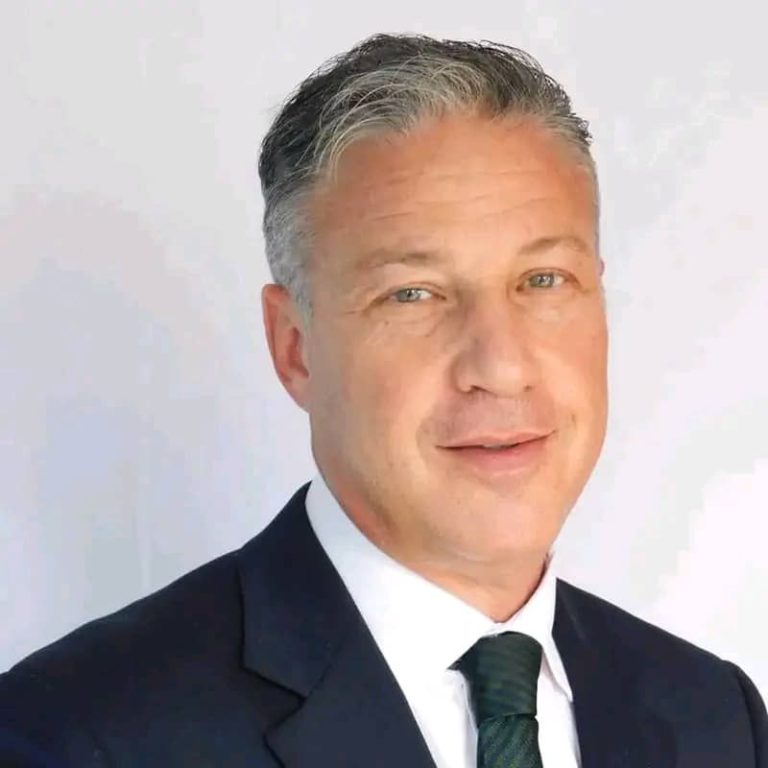
David Bisnowatty

Chodzi demands that Bisnowaty should undergo the due process as mandated by the law before continuing his representation of Malawians in Israeli.

Chairperson for the committee, Joyce Chitsulo has confirmed receiving the letter, saying they will look into it and agree on the way forward as per the constitution and Parliamentary procedures.

But Foreign Affairs Minister Nancy Tembo says Bisnowaty being Charge d’Affaire does not require togo through that process; arguing the process will be followed when Malawi appoints ambassador.

“He is a Malawian of Jewish origin, he has been an MP before and he is just helping us for free, using his resources. We are not paying him,” Tembo says.

Most common causes of unlawful appointments
of the State Constitution requires that appointments in government be based on merit as ascertained by competitive examination. Unlawful appointments may occur for a variety of reasons including administrative errors, oversight, misinformation, or, in rare cases, attempts to circumvent the State’s service system.

Another common type of illegal appointment is a “short duration” appointment, which is intended to provide the employee with an advantage to which he would not otherwise be entitled. The duration of the appointment in itself does not render the appointment unlawful, but rather the intent behind the short duration of the appointment, which is to provide the employee with eligibility that he would not otherwise have. Example: A person who is not reachable on a certification list for military training is appointed to a position in Malawi Defence Force or Police Service, and on the same day is transferred to MDF in the same classification, thus circumventing the list.

Departments that have signed an unlawful appointment investigation delegation agreement must investigate all potential unlawful appointments to determine whether the appointment was made and accepted in “good faith” as required by the laws of this country. The laws and rules of unlawful appointments must be referred to for more information.

In addition, departments can take steps to reduce the incidence of unlawful appointments by:

Ensuring that staff responsible for appointment transactions are well-trained on appointment eligibility issues (e.g., transfers, appropriate list clearance or certification process, minimum qualifications, and short duration appointments).

Identifying and correcting flaws in government’s hiring process workflow that may be causing unlawful appointments.

Directing staff responsible for appointment transactions to take the time and steps necessary to verify appointment eligibility, including review of the applicable laws, regulations and manual sections before a job offer is made.

Auditing appointment transactions on a periodic basis to ensure compliance with eligibility requirements as set forth in the applicable laws and regulations.
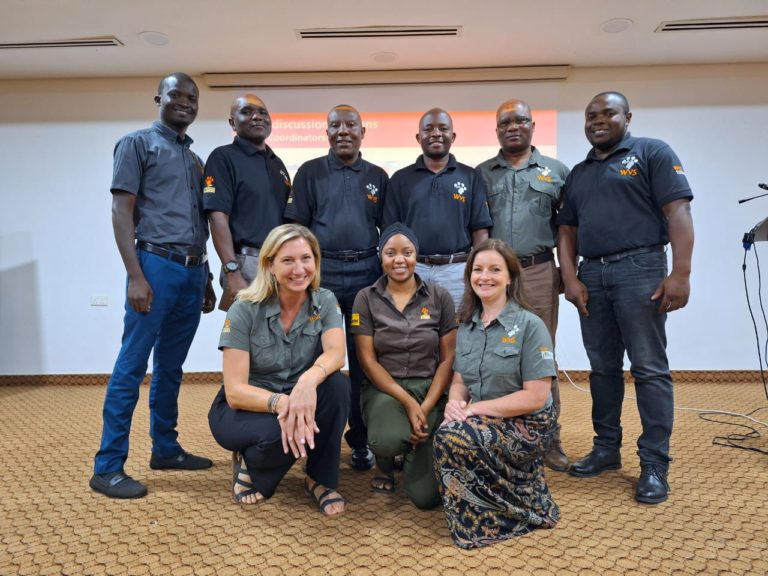
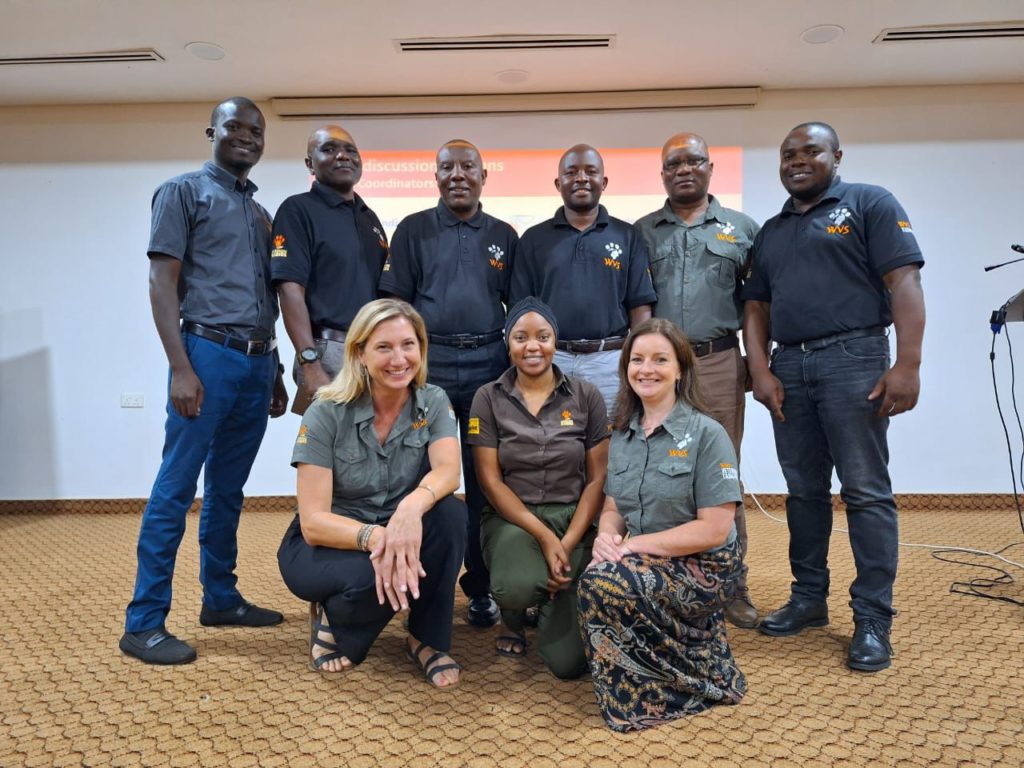
Mission Rabies set to vaccinate dogs in Blantyre city

0

By Steven Godfrey Mkweteza

Mission Rabies, a project of Worldwide Veterinary Services (WVS), says it is set to vaccinate between 25,000 and 35,000 dogs during this year’s dog rabies vaccination campaign which is scheduled to be launched on Saturday in Blantyre city.

Country director for Mission Rabies Inga Mc Dermott disclosed this ahead of the launch of the five weekends annual systematic dog vaccinations campaign.

Mc Dermott, who described the program as an important step towards protecting the health of Blantyre city residents and their pets, has therefore, urged all dog owners to bring their animals forward for vaccination to help keep their community life safe.

“Dog owners will have easy access to vaccination clinics at strategic locations throughout the city, enabling them to make sure their pets  receive the required rabies protection,

“Only if at least 70 percent of all dogs are vaccinated, herd immunity can be achieved and the disease can be eliminated in the city,” she explained.

Mc Dermott added that to prevent human rabies deaths in the city, the disease needs to be eliminated by targeting the most important source of transmission dogs.

She said the tenth annual systematic dog vaccinations campaign would be carried out for only five weekends and is aimed to stop the spread of the deadly disease in Blantyre city and shield it’s citizens from possible exposure.

In a separate interview, director for Malawi operations of the project Dr Dagmar Mayer said when  mission rabies started conducting  the surveillance, dog bite investigating and contract tracing in 2019, the team has diagnosed around 60 cases of dog  rabies a  year in Blantyre.

She said now there are roughly 5 to 10 cases found in the city in one year.

Mayer said cases of human rabies in the past was very high as well with 10 children dying of rabies in a 9 month time period in 2012 but now there has only been one child who died in Blantyre in the past 3 years.

“But it is still very important that we continue vaccinating as many dogs as possible as we still find rabid dogs in the city. Most often it’s when people buy a dog in other districts with no previous vaccination,” she said.

According to Mayer, the dogs sold on the side of the road are also a huge public health concern as they are not vaccinated and buying them could potentially put the entire family at the deadly risk rabies.

“We are always targeting at least 70 percent of the dog population in each area we are working in. For Blantyre city this is usually between 25,000 to 35,000 dogs every year. We are then conducting post vaccination surveys to assess coverage and have been meeting our target of more than 70 percent every year,” Mayer said.

According to various studies, Rabies is 100 percent fatal once symptoms develop, making it a persistent public health concern.

Chakwera determined to improve Labour practices

0

By Staff Reporter

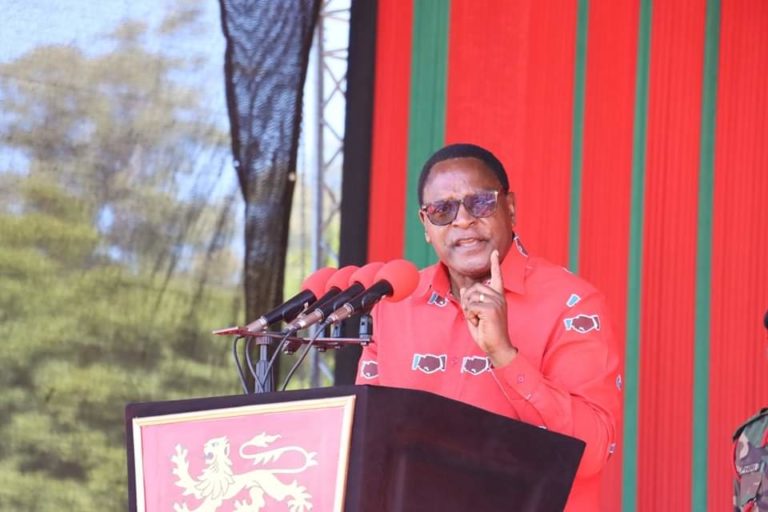
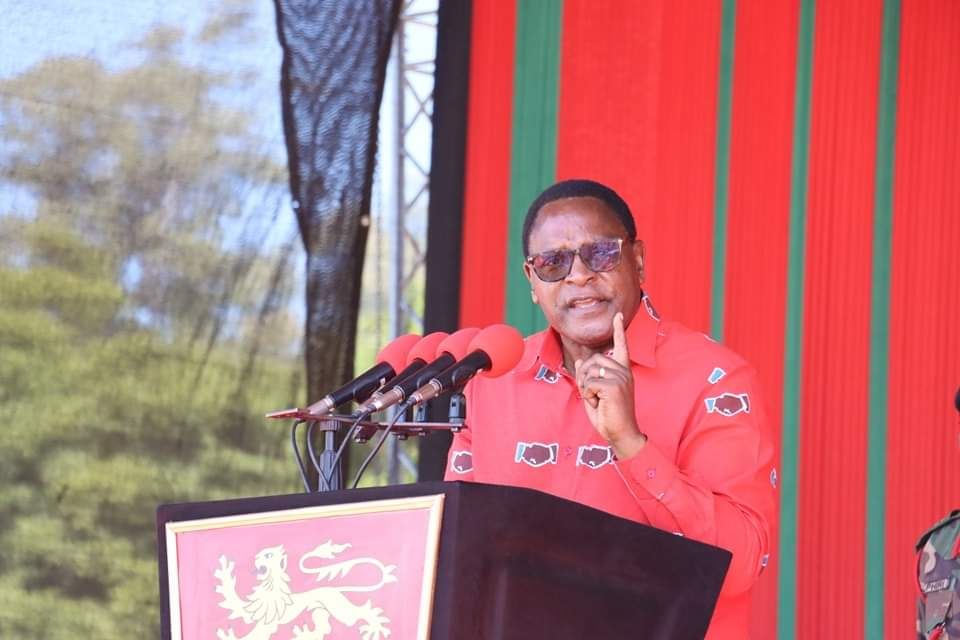
President Dr Lazarus Chakwera has reaffirmed government’s determination to improve labour practices, laws, policies, and conditions to create decent work for all workers.

Speaking during this year’s Labour Day celebrations at Njamba Freedom Park, Chakwera said he recognises the hardworking spirit that Malawians have.

Chakwera hailed the important role workers play in the country’s development agenda and urged those who have gotten jobs through government initiatives and programmes such as Mega Farms, NEEF, the Affordable Inputs Programme (AIP), construction projects and other initiatives in both the public and private sectors, to work hard so that they deliver in the programmes and provide opportunities to others who are seeking jobs.

He said government is working tirelessly to elevate the challenges workers are facing in the country through frameworks such as the amended Labour Relations Act and Pensions Act.

Chakwera also said government will continue to institute programmes such as AIP, the distribution of food aid, Social Cash Transfer, and other social protection programmes to help Malawians deal with different shocks.

“If someone reminds you of the food insecurity in the country, tell them that this is temporary,” he said.

In her statement, Minister of Labour, Agnes Nyalonje, hailed President Chakwera for creating employment through different strategies, programmes and projects. She also applauded the President for ensuring decent work in a safe environment for all, which she said is paramount to increasing productivity for socio-economic development.

President of Malawi Congress of Trade Union (MCTU), Charles Kumchenga commended President Chakwera for standing in solidarity with MCTU since assuming office and for engaging the union during the revision of civil servants salaries. He also hailed government for recruiting and promoting teachers in the country.

Rabecca Adda-Dontoh, United Nations Resident Coordinator, described labour as human capital which is paramount to socio-economic development and wealth creation and reaffirmed UN-Malawi’s commitment to standing in solidarity with Malawi in supporting government’s efforts to create decent work for all workers in Malawi.

While commending government for revising and and creating frameworks for promoting and safeguarding the welfare of workers in the country such as the amendment of the Pension Act 2023, President of Employers’ Consultative Association of Malawi (ECAM), Anne Chavula, called for collaborative efforts from both employees and employers to create the necessary frameworks and labour standards to promote decent work for all in the country.

President Chakwera, First Lady Madame Monica Chakwera and Vice President Dr Saulos Chilima joined a solidarity walk by workers and other stakeholders. They joined the walk at Kwacha roundabout and proceeded to Njamba Freedom Park.

Chakwera also toured stalls and pavilions and presented awards to the best employers.

Total Land Care says SAMALA Project addressing land degradation in 4 districts

0

By Vincent Gunde

Total Land Care, an implementing partner for the Dowa District Council says its Sustainable Management of Landscapes (SAMALA) Project is addressing critical issue of land degradation through a holistic approach to restore degraded lands in the four districts of Mzimba, Kasungu, Ntchisi and Dowa.

SAMALA project started in September, 2022 to 2027 is being implemented through a consortium with ICRAF being one of the partners, has seen improving catchment management with sustained land productivity, strengthening inclusive community governance structures and local institutions for sustainable management of landscapes, among other key objectives.

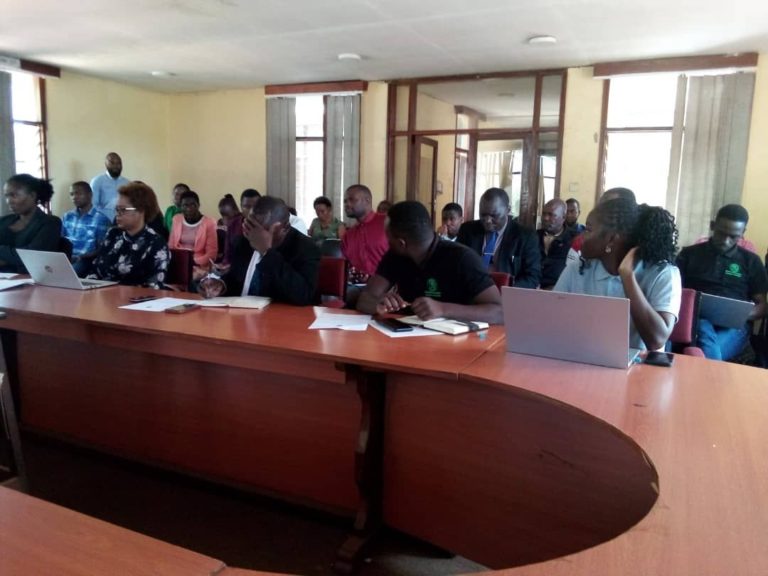
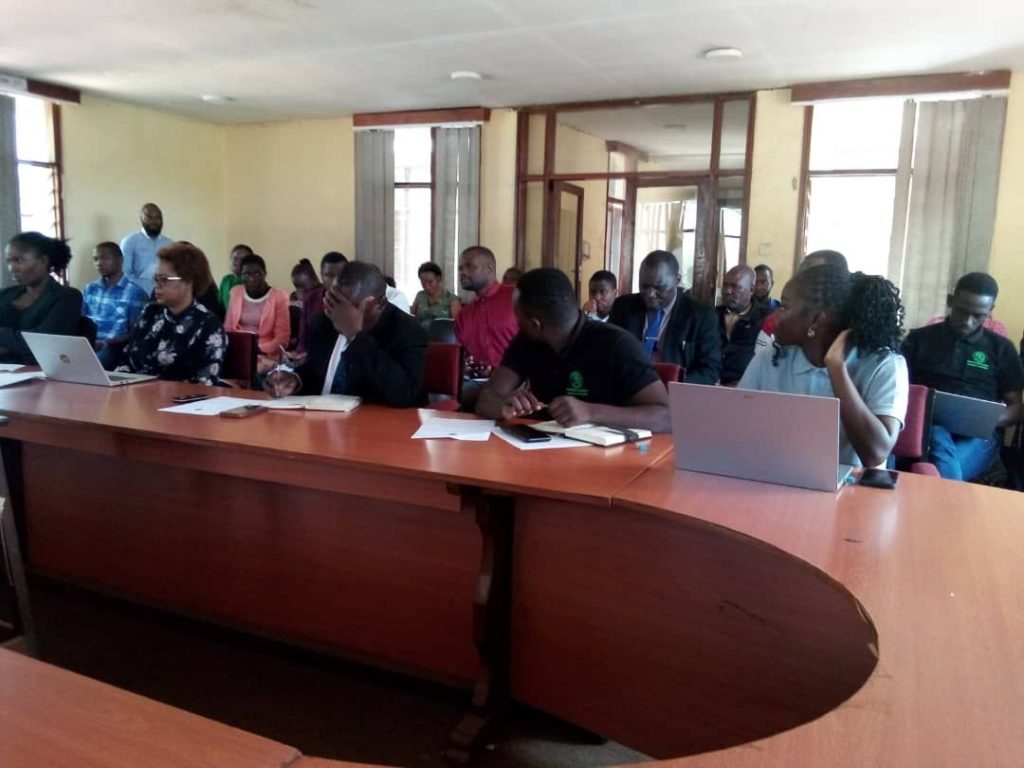
Dec members in Dowa sharing knowledge and experiences on SAMALA project

The project which is being implemented in Mzimba (Luwerezi and Khosolo EPAs), Kasungu (Chulu EPAs), Ntchisi (Kalira and Chikwatula EPAs) and in Dowa at Nachisaka and Nalunga EPAs has seen 88 forest areas demarcated in database with 57 villages and 3 individual forest areas utilizing the forests.

SAMALA Project’s Programs Manager Ethel Chilumpha, said selection of Expansion Planning Areas (EPAs) were based on information from the district office about land degradation in the EPAs, and soil erosion rates from the Department of Land Resources Conservation.

She said communities of the impact areas are utilizing the forests for fruits, mushroom, stick bugs (Mphalabungu), fuel wood saying the project has trained Lead farmers in soil, and water conservation measures.

The manager said the project has increased land tenure security and community knowledge on existing regulatory frameworks and diversification and strengthening of livelihoods to achieve the planned objectives.

She said in agroforestry, the project has conducted field scooping study led by ICRAF team to assess agroforestry needs on the ground saying crops dominated in sites are maize, soya beans, g/nuts, common beans and vegetables.

“Producer groups were trained in bulking and collective marketing to increase bargaining power,” said Chilumpha.
She said good collaboration and coordination with stakeholders has simplified implementation arrangements for SAMALA Project expressing hope that this will continue up to the time of the project’s expiry in the impact districts.

Sustainable Management of Landscapes (SAMALA) Project is being implemented in the 4 districts of Mzimba, Kasungu, Ntchisi and Dowa with funds from the Irish aid and Flanders Government amounting to 4,749,942.65 Euros.

Promote awareness to the electorates for a credible 2025 tripartite elections – MEC

0

By Burnett Munthali

The Malawi Electoral Commission (MEC) has emphasized the need for electoral stakeholders to work together in promoting awareness to the electorates for a credible 2025 tripartite elections.

This has been said in a series of interface meetings with the multiparty liaison Committee members held in some country’s district councils on Monday.

As the MEC chairperson Justice Dr. Chifundo Kachale was in Ntcheu, some electoral commissioners were in Mangochi and Likoma district councils just to mention but a few.

Speaking at Likoma district  council, Chairperson for legal services committee, Commissioner Caroline Mfune said MEC can administer credible elections  when the electorates have full information about significant changes in the 2025 tripartite elections.

Mfune further said MEC is bringing awareness to unpack on board 50+1, change of dates, time, polling  centers and constituency re-demarcation such that traditional chiefs, politicians, civil society and the media are fully aware of the new electoral arrangements.

Voter awareness is crucial for a healthy democracy, as informed and engaged citizens are more likely to participate in elections and make informed choices. Here are some key ways to promote voter awareness i.e., Election Dates and Deadlines, Community Outreach, Social Media and Online Platforms.

Elections require citizens to participate in the electoral process and to make an informed decision when voting. Elections imply decision-making, and democracy implies actively participating. Decision-making and active participation are based on information, skills, values and practices, which have to be provided to the entire voter population. Voter information, awareness and education campaigns provide voters with the knowledge, skills and values to do this.

In every election, voter and civic education are necessary to ensure that all constituents—men and women alike—understand their rights, their political system, the contests they are being asked to decide, and how and where to vote. For an election to be successful and democratic, voters must understand their rights and responsibilities, and must be sufficiently knowledgeable and well informed to cast ballots that are legally valid and to participate meaningfully in the voting process. Voter and civic education are even more critical in post-conflict countries, where political situations may be volatile and where elections may have an unprecedented impact on the countries’ future.