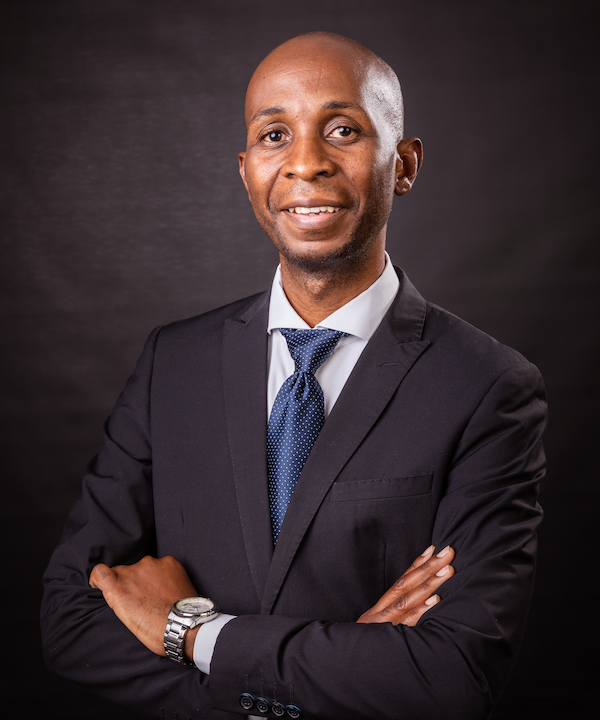
Malawi Police in the capital Lilongwe are keeping in custody lawyer Stanley Chirwa for being found in possession of a , ‘Ford Ranger’ car suspected to have been stolen in South Africa at gun point in 2018.
According to Police publicist, Peter Kalaya, Chirwa was arrested on Friday after the vehicle came for clearance at the Police Headquarters on 8th April this year.
Chirwa
“We detected the vehicle after noting that it’s details (chassis number, engine number, its make and its colour) matched that reported stolen in South Africa. He was arrested on Friday afternoon in Lilongwe and he has been in our custody,” says Kalaya.
Kalaya further says Chirwa will appear before court soon where he will answer charges of receiving or bringing in property dishonestly acquired outside Malawi, found in possession of property suspected of being stolen and receiving stolen property.
Meanwhile, Chirwa’s lawyer, Gilbert Khonyongwa says he is going to apply for bail at court.
Solidaridad, in collaboration with the Industrial Development Corporation of South Africa (IDC) and the Department of Trade, Industry and Competition (DTIC), is making significant strides in addressing unemployment and fostering economic growth through the Social Employment Fund Project. The learnings from the Social Employment Fund project suggest that the creation of jobs and stimulating economic activity has never been more urgent.
In South Africa, unemployment remains a pressing issue, with particularly dire consequences for young people. According to Statistics South Africa’s Quarterly Labour Force Survey, the official unemployment rate was 31,9 percent in the third quarter of 2023. While this indicates some progress, youth unemployment remains a significant concern in South Africa, underscoring the need for targeted interventions and sustainable solutions to create more employment opportunities for young people.
A Call for Action!
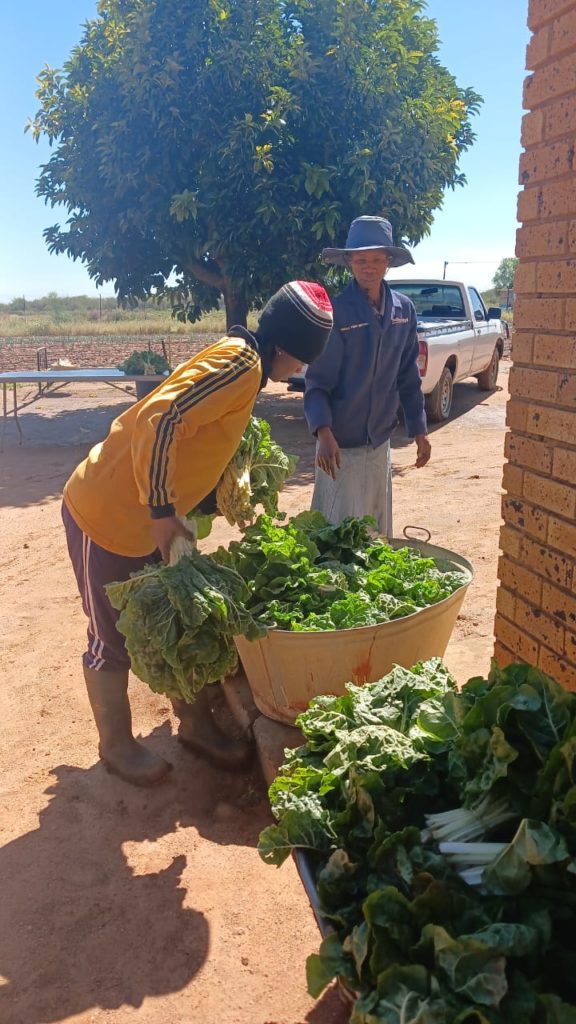
“The question presented by the Social Employment Fund is whether the smallholder sector can effectively absorb the unemployed population within rural and peri-urban communities. One significant barrier to scale for most smallholders is the substantial investment required for mechanization, a benefit often enjoyed by commercial farmers. As a result, labor emerges as a critical input in the business case for scaling up smallholders. Through initiatives like the Social Employment Fund Project, in 2023, we established one more soil lab and engaged 1,352 horticulture smallholder farmers in agriculture services, with the same number benefiting from digital inclusion initiatives. We also managed to involve 2,014 young individuals in agricultural projects. The project is spearing ahead at full speed in 2024,” says Mohau Mailula, Solidaridad Country Manager for South Africa.
The Social Employment Fund Project, currently implemented in two provinces – Gauteng and the North West – is aligned with Solidaridad’s thematic areas of focus: food and nutrition, greening and the environment, and support for digital inclusion. This holistic approach ensures comprehensive development and sustainable impact in the region. “At Solidaridad, we define scale in two dimensions: increased production, which pertains to a farm’s growth in hectareage, and intensification, which focuses on maximizing yield per hectare. This dual approach not only enhances farmers’ revenue but also establishes a self-sustaining cycle. In order to maintain the heightened productivity levels, smallholders must retain their labor force, thereby reinforcing the link between scale, productivity, and employment stability within the sector,” asserts Mailula.
In the Pursuit of “The Common Good”
“The Social Employment Fund also operates on the principle of work for the common good, advocating for enterprises and individuals to incorporate activities and decision-making processes that benefit the broader community over narrow self-interests. With a focus on rural and peri-urban communities, the project identified food security as a critical thematic area. This is due to the reality that rural resources provide the urban market with the nutritional diversity it enjoys, while rural communities often find themselves deprived of such variety. By leveraging our proximity to these communities, it became imperative to enhance their food security and ensure access to a nutrient-rich diet. To achieve this, we established 300 food gardens, strategically distributing 10 percent of their collective yield to school feeding programs, ultimately benefiting 9,100 learners. This not only addresses immediate nutritional needs but also fosters long-term community resilience and well-being.” says Mailula.
As the African proverb goes, a river cuts through rock, not because of its power, but because of its persistence. As a river’s persistent flow gradually shapes the landscape, so do our consistent efforts collectively pave the path towards local community progress. Every step counts. Every job matters. Each hungry stomach that is sustained is significant. In this journey towards community resilience, job skills empowerment is crucial because individuals with job skills sustain themselves and strengthen our local food security. True to the Afrocentric cultural worldview of Ubuntu (humanity), we all need to unite and do our part for the improvement of all.
“As we move forward, we must work together to champion the horn of South Africa and our continent at large. The challenges facing our agricultural sector and workforce are multifaceted and require sustained commitment and collaboration from all stakeholders. Solidaridad remains steadfast in its dedication to empowering farmers, fostering job creation, and promoting sustainable livelihoods, and we call on all partners and stakeholders to join us in this vital endeavor. Together, we can build a more resilient and prosperous future for all,” concludes Shungu Kanyemba, Managing Director at Solidaridad Southern Africa.
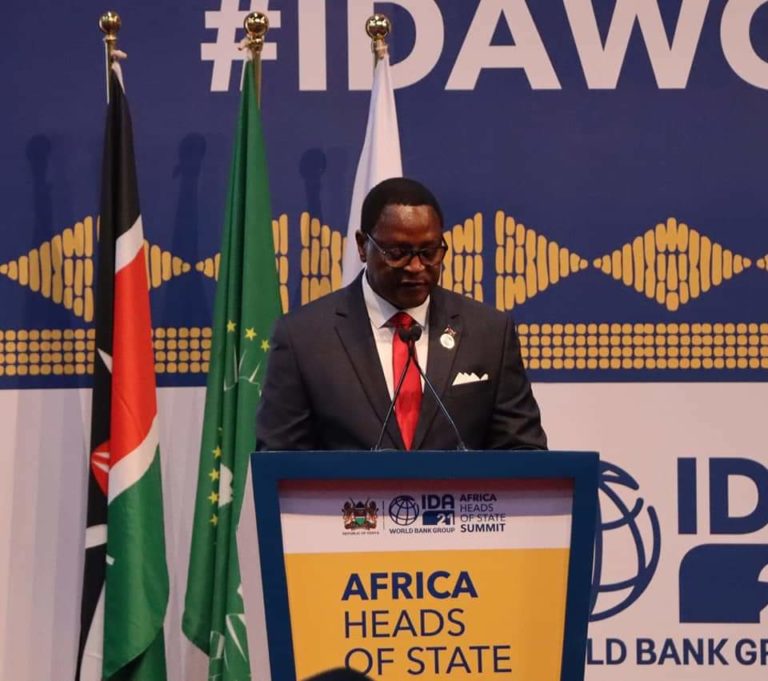
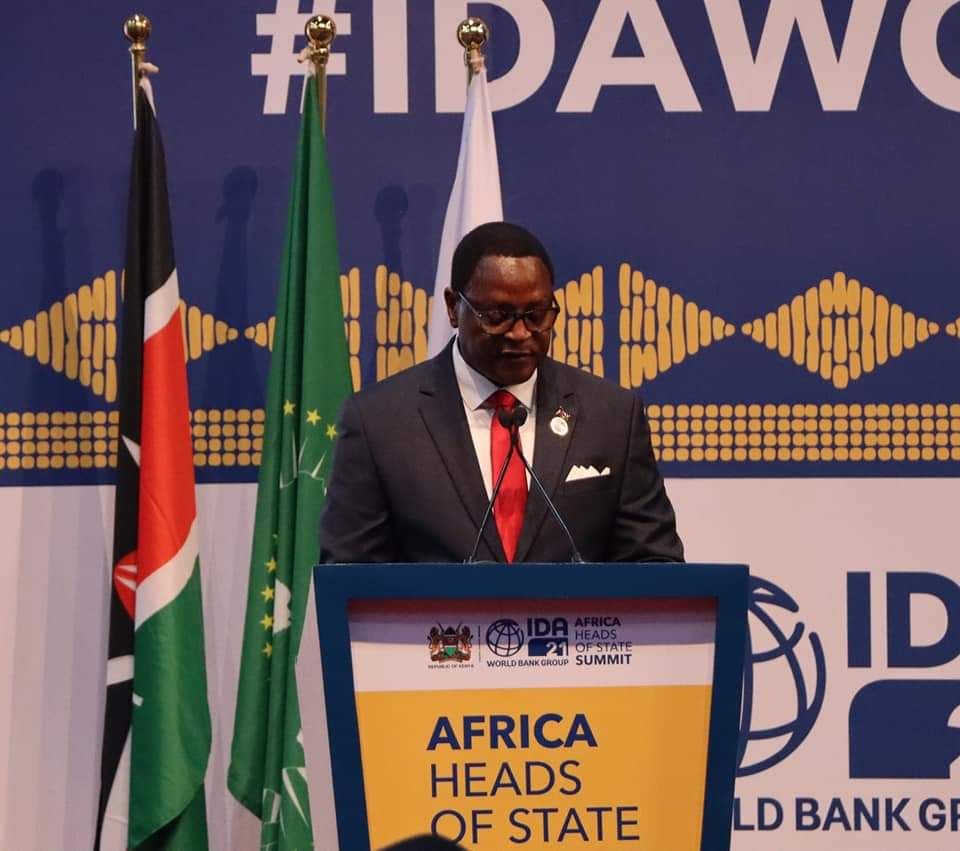
President Dr Lazarus Chakwera has been assigned the responsibility of spearheading the Africa International Development Championship for countries in the Southern Africa Development Community (SADC).
The decision was announced on Monday on the sidelines of the World Bank’s International Development Association (IDA) summit held at the Kenyatta International Convention Centre in Nairobi, Kenya.
The role entails President Chakwera’s leading efforts to garner support for IDA across the region.
President Chakwera
“The objective is to leverage every available platform to garner backing for IDA21. Africa stands as the continent of the future, presenting a unique opportunity to advance the welfare of women and young people by creating jobs and fostering wealth generation, thereby facilitating genuine development,” stated Chakwera.
Reflecting on the outcomes of the summit, the President emphasised its significance, particularly considering World Bank’s activities through IDA and its provision of concessional loans.
Chakwera expressed satisfaction with World Bank’s commitment, through IDA, to collaborate with Africa and replenish IDA21.
He indicated that preliminary discussions had already begun to persuade the Bank to prioritise investments in Africa.
World Bank President, Ajay Banga, underscored the necessity for steadfast global support, especially from IDA, as Africa navigates towards a prosperous and progressive future.
“We share a vision for Africa’s future—a continent endowed with diversity, culture and potential, notably due to its young population and natural resources. These elements can propel our future forward.
“IDA has been a reliable partner in Africa’s developmental journey, and this summit signifies our collective determination to accelerate progress. Achieving this goal will necessitate increased contributions from IDA, the World Bank Group, governments and private sector,” remarked Banga.
For decades, IDA has served as a catalyst for economic growth across Africa, facilitating progress through grants and highly concessional loans. These investments have fuelled strategic initiatives aimed at building a skilled and healthy workforce and fostering job creation in industries such as agriculture.
Presently, IDA extends support to 75 nations, with 39 of them located in Africa. Over 70 percent of its resources are directed towards the continent, playing a crucial role in the World Bank Group objective of providing electricity to 250 million Africans by 2030.
The call for replenishment comes amidst a multitude of interconnected challenges, including pandemics, climate change, food insecurity, fragility and conflict yet Africa also holds immense potential, with abundant natural resources, plentiful sunshine, and the world’s fastest-growing youth population.
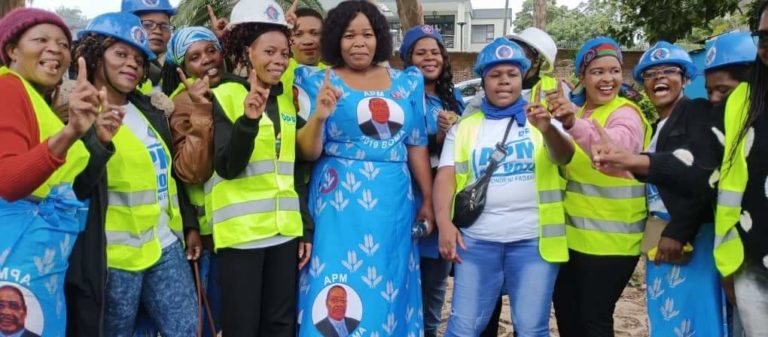
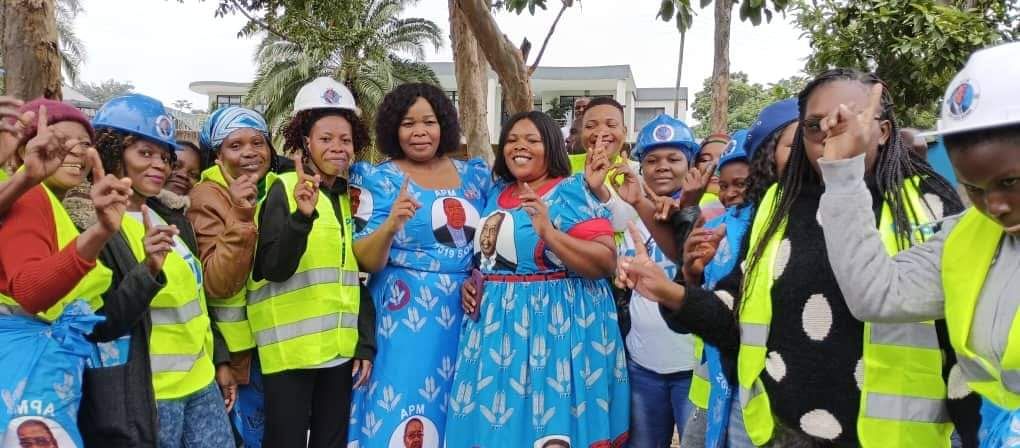
Mary Navicha has been welcomed to the position of Director of women in the opposition Democratic Progressive Party.
The DPP Women Directorate has also used the opportunity to assure all women in this country who are going through alot of socio-economic hardships under Tonse Government that ‘help is on the Way’ as Professor Arthur Peter Mutharika is set and ready to boot out this clueless regime out of Government!
The DPP Women have made the assurances today through a unified message delivered at a function in Blantyre which was organised with a purpose of officially welcoming and congratulating the new Director of Women in the party, Hon Mary Thom Navicha MP who was appointed as New Director of Women.
The function was organised by DPP Southern Region Women Directorate and it is expected that similar functions will also be organised in the political regions of East, Central and North.
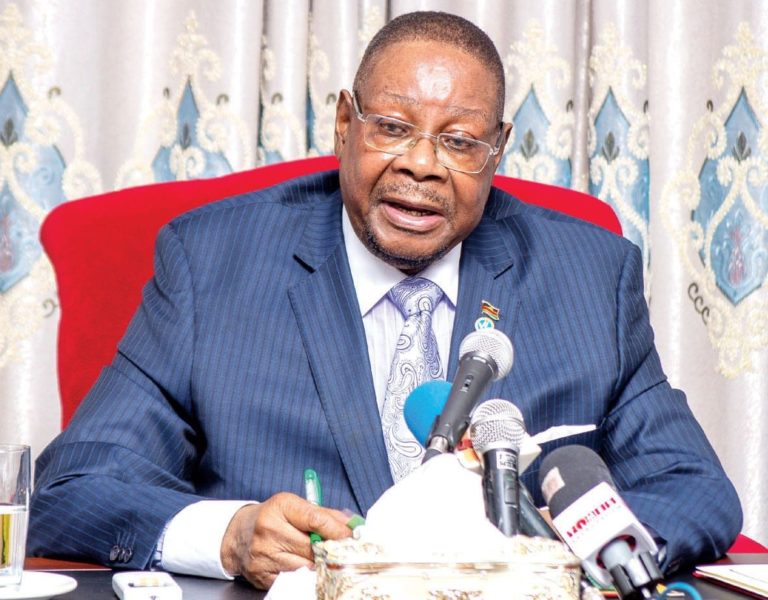
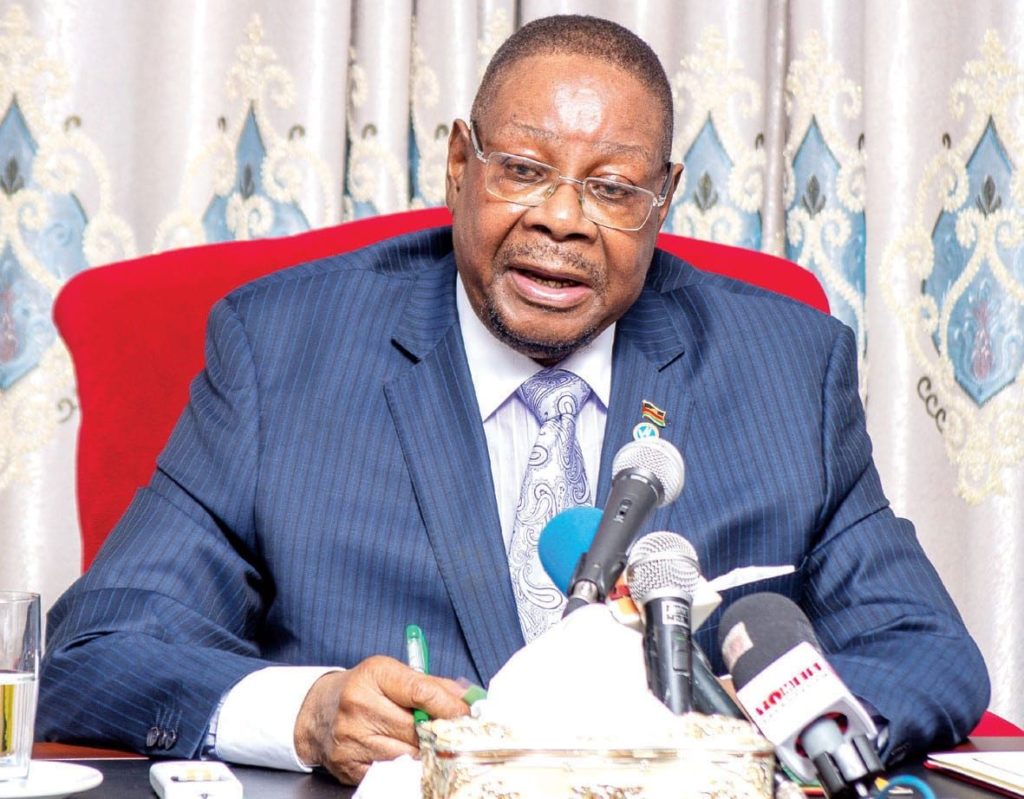
Peter Mutharika’s administration was marred by a plethora of corruption scandals and allegations of abuse of power, which significantly contributed to Malawi’s economic and political challenges.
During his tenure, the country witnessed some of the most egregious cases of corruption, nepotism, and abuse of power, which undermined trust in government and led to economic mismanagement and political instability.
*Below are the corruption scandals that happened under Peter Mutharika’s administration:*
*1.Cashgate Scandal:* The Cashgate scandal, which involved the theft of millions of dollars from government coffers, was one of the most high-profile corruption cases during Mutharika’s administration.
The scandal led to the arrest and conviction of several high-ranking officials, but many believe that Mutharika’s administration did not do enough to root out the corruption.
Mutharika
*Example:* In 2013, it was discovered that millions of dollars had been stolen from the government’s account at the Reserve Bank of Malawi(RBM).The money was meant for various government projects, but it was instead used to fund political campaigns and personal expenses.
Here are some key facts about the Cashgate scandal:
-. Amount involved: The scandal involved the theft of around MK24 billion (approximately USD 33 million) from government coffers.
-. Method: The funds were stolen through fraudulent transactions, including the use of fake invoices and the manipulation of government accounting systems.
-. Perpetrators: Several high-ranking government officials, including ministers, civil servants, and businesspeople, were implicated in the scandal.
-. Investigation: The scandal was investigated by the Anti-Corruption Bureau (ACB), which arrested and charged several individuals in connection with the theft.
-. Convictions: Several people were convicted in connection with the scandal, including former Minister of Justice and Constitutional Affairs, Ralph Jooma, who was sentenced to 11 years in prison.
-. Political implications: The Cashgate scandal had significant political implications, with many accusing the Mutharika administration of being complicit in the theft or, at the very least, of failing to prevent it.
-. International fallout: The scandal led to international condemnation, with several donor countries and organizations suspending aid to Malawi due to concerns about corruption and governance.
*2. Maize Gate Scandal:* The Maize Gate scandal involved the illegal importation of maize from Zambia, leading to a shortage of the staple food in Malawi.
The scandal was widely condemned, and many accused Mutharika’s administration of prioritizing political gain over the welfare of Malawians.
*Example:* In 2016, Malawi faced a severe maize shortage, which led to widespread hunger and famine. Instead of addressing the issue, Mutharika’s administration through agriculture minister George Chaponda imported maize from Zambia, which was later found to be of poor quality and unfit for human consumption.
Here are the key facts about the Maizegate scandal:
– *Maize deal*: Agricultural development and Marketing corporation (Admarc) bought 100,000 metric tonnes of maize from Zambia at a price of $34 million (K26 billion) in 2016. – *Flouting procedures*: The deal was made with a middleman, and Kaloswe Couriers were dumped, which led to outrage. – *Investigations*: A Commission of Inquiry was instituted by President Peter Mutharika, and a parallel one was conducted by the parliamentary committee on Agriculture. – *Recommendations*: Both inquiries recommended that the Anti-Corruption Bureau (ACB) should investigate the purchase of maize from Zambia. – *Arrests*: Minister of Agriculture George Chaponda and Rashid Tayub, a director at Transglobe Produce Exports, were arrested in July 2017. – *Charges*: Chaponda was charged with corruptly performing public functions, misuse of public office, and possession and giving false information on foreign currency. Tayub was charged with influencing a public officer to misuse his public office. – *Firing*: Chaponda was fired from the cabinet a few days after his arrest.
*1. Electricity Supply Contract Scandal:* The Electricity Supply Contract scandal involved the awarding of a contract to a company linked to Mutharika’s political ally without following proper procedures.The contract was worth millions of dollars and was meant to provide electricity to various parts of the country.
*Example:* In 2017, it was discovered that a company linked to Mutharika’s political ally had been awarded a contract to supply electricity to various parts of the country without following proper procedures. The contract was worth millions of dollars, and many accused Mutharika’s administration of favoritism and corruption.
Here are the key facts about the Electricity Supply Contract scandal:
– Escom (Electricity Supply Corporation of Malawi) awarded a contract to a company called Mota-Engil without following proper procedures. – The contract was worth around $667 million (approximately MK500 billion) and was meant to provide electricity to various parts of the country. – The contract was awarded without competitive bidding, and the company was allegedly linked to political allies of President Mutharika. – The deal was criticized for being overly expensive and not in the best interests of the country. – The Anti-Corruption Bureau (ACB) investigated the deal and arrested several officials, including the then-Minister of Energy, Kondwani Nankhumwa. – The scandal led to widespread outrage and calls for greater transparency and accountability in government contracts.
*1. Land Grabbing:* Mutharika’s administration was also accused of land grabbing, illegally acquiring land for personal gain and displacing families and small-scale farmers.
*Example:* In 2018, it was discovered that Mutharika’s administration had illegally acquired land from small-scale farmers in the northern region of Malawi. The land was meant for a new airport project, but many accused the administration of displacing the farmers without proper compensation.
Here are the key facts about the Land Grabbing Scandal:
– The scandal involved the illegal acquisition of large tracts of land by political elites, including senior government officials and ruling party members. – The land was mostly taken from small-scale farmers and rural communities without proper compensation or consent. – The grabbed land was often used for personal gain, such as establishing large-scale farms, ranches, or real estate developments. – The scandal implicated several high-ranking officials, including: – Keifa Osman, former Minister of Lands – Charles Mchacha, former Deputy Minister of Lands – Other senior government officials and ruling party members – The Anti-Corruption Bureau (ACB) investigated the scandal and arrested several officials. – The scandal led to widespread outrage and calls for greater transparency and accountability in land governance. – The land grabbing scandal was seen as a symptom of a broader problem of corruption and abuse of power within the government.
*1. Nepotism:* Mutharika’s administration was also accused of nepotism, favoring family members and political allies in government appointments and contracts.
*Example:* In 2019, it was discovered that Mutharika’s administration had appointed several family members and political allies to high-ranking positions in government, including the position of Minister of Agriculture.
*1. Abuse of Public Funds:* Mutharika’s administration was also accused of abusing public funds, using them for personal political campaigns and rallies.
*Example:* In 2019, it was discovered that Mutharika’s administration had used public funds to finance his political campaign, including the hiring of helicopters and luxury cars.
Here are some key facts about the abuse of public funds:
– Misuse of public funds: Mutharika’s administration was accused of misusing public funds for political campaigns, personal expenses, and lavish lifestyles. – Unaccounted for funds: Millions of dollars in public funds were unaccounted for, with no clear explanation of how they were used. – Fraudulent payments: There were reports of fraudulent payments made to individuals and companies, including payments for goods and services not delivered. – Ghost workers: The administration was accused of maintaining a large number of “ghost workers” on the government payroll, with some estimates suggesting that up to 20% of the civil service workforce was fictional. – Overpayment of salaries: Some senior government officials and politicians were accused of receiving excessive salaries and allowances, far beyond what was legally allowed. – Misuse of government vehicles: Government vehicles were allegedly used for personal errands and political campaigns, with some vehicles being sold or auctioned off without proper procedures. – Unapproved travel expenses: Senior government officials and politicians were accused of traveling abroad without proper approval, with some trips allegedly being for personal reasons rather than official business. – Lack of transparency: The administration was criticized for a lack of transparency in its financial dealings, with many transactions and payments not being properly accounted for or disclosed.
*1. Interference with the Judiciary:* Mutharika’s administration was also accused of interfering with the judiciary, influencing judicial decisions and appointments.
*Example:* In 2018, it was discovered that Mutharika’s administration had influenced the appointment of judges to the High Court and the Supreme Court, leading to widespread condemnation from the legal community.
Here are some key facts about the interference with the judiciary:
– Political interference: Mutharika’s administration was accused of interfering with the judiciary, particularly in high-profile cases involving political opponents, critics, and corruption allegations. – Executive influence: The President and senior government officials were accused of exerting undue influence over judicial decisions, appointments, and promotions. – Judicial appointments: The administration was criticized for appointing judges and magistrates based on political loyalty rather than merit and competence. – Interference in cases: There were reports of political interference in specific cases, including: – Corruption cases involving political allies and cronies – Cases related to political opponents and critics – Cases involving high-profile corruption scandals – Pressure on judges: Judges and magistrates reported being pressured, intimidated, or bribed to deliver favorable verdicts or dismiss cases. – Executive contempt: The administration was accused of showing contempt for judicial decisions and rulings, particularly those that went against their interests. – Judicial independence compromised: The interference and influence compromised the independence and impartiality of the judiciary, undermining the rule of law and public trust.
Some notable examples include:
– The appointment of a new Chief Justice, Andrew Nyirenda, who was seen as a close ally of Mutharika. – The controversial acquittal of former Minister of Agriculture, George Chaponda, in a corruption case. – The dismissal of corruption charges against senior government officials and political allies. – The executive’s refusal to implement court orders and judgments, particularly those related to corruption and human rights cases.
*1. Suppressing Dissent:* Finally, Mutharika’s administration was also accused of suppressing dissent, using state security agencies to silence political opponents and critics.
*Example:* In 2019, it was discovered that Mutharika’s administration had used state security agencies to silence political opponents and critics, including the arrest and detention of several opposition leaders.
Here are some key facts about suppressing dissent during Peter Mutharika’s administration:
– Crackdown on opposition: Mutharika’s administration was accused of cracking down on political opposition, including arresting and detaining opposition leaders and activists. – Restricting freedom of assembly: The government restricted freedom of assembly, prohibiting opposition rallies and demonstrations, and using force to disperse peaceful protests. – Censorship and media repression: The administration was accused of censoring the media, suppressing critical voices, and intimidating journalists who reported on corruption and human rights abuses. – Intimidation and harassment: Opposition politicians, activists, and critics faced intimidation, harassment, and death threats from government supporters and security forces. – Use of police and security forces: The administration used police and security forces to silence dissent, including arresting and detaining opposition supporters and using excessive force against protesters. – Political arrests and detentions: Many opposition politicians and activists were arrested and detained on trumped-up charges, including treason and incitement. – Suppression of civil society: The government restricted the activities of civil society organizations, including human rights groups and NGOs, that criticized the administration. – Restrictions on academic freedom: The administration interfered with academic freedom, restricting research and teaching on sensitive topics, including politics and human rights. – Surveillance and spying: The government was accused of surveilling and spying on opposition politicians, activists, and critics, using state security agencies to monitor their activities.
Some notable examples include:
– The crackdown on protests against the government’s handling of the 2019 elections. – The arrest and intimidation of journalists who reported on corruption and human rights abuses. – The restriction on civil society organizations, including the Human Rights Defenders Coalition. – The surveillance and spying on opposition politicians and activists.
The legacy of Mutharika’s administration continues to be felt, and it is essential that steps are taken to address the corruption and abuse of power that occurred during his tenure.