The National Investment Trust Limited (NITL) Plc has announced an impressive financial performance for the year 2023, with a profit after tax of MK21.50 billion.
This represents a significant increase of 207.49% from MK6.99 billion in 2022.
NITL Board Chairperson, Esther Gondwe, shared this news during a stakeholders’ engagement meeting held at Protea Ryalls Hotel in Blantyre on Tuesday.
Esther Gondwe
Gondwe highlighted NITL’s commitment to making stock market investments accessible to individuals who may not have extensive financial knowledge.
“We aim to lower the entry barrier for stock market investments, enabling more people to participate and benefit financially,” she explained.
However, Gondwe noted that NITL seeks to expand its reach by investing in companies beyond those listed on the Malawi Stock Exchange (MSE).
Currently, NITL has a significant presence in the financial sector, with 50% of its shares held in institutions such as Standard Bank, National Bank of Malawi, and NBS Bank.
President Dr. Lazarus Chakwera has emphasized the importance of maintaining peace and harmony among the people of Malawi.
The president was speaking on Tuesday upon his arrival in Mangochi, where he is scheduled to carry out several official duties in the eastern region.
Addressing thousands of people gathered at Mangochi Boma to welcome him, Chakwera expressed excitement to interact with the community and inspect development projects.
Chakwera
“I am thrilled to see so many of you here, and I am eager to engage with you on various development projects,” he said.
“We are a people who love and respect one another. Let us continue to show appreciation for each other and unite in our diversity,” the president added.
Chakwera also expressed gratitude to religious leaders for their role in bringing harmony among the people.
Earlier, Deputy Secretary-General for the Malawi Congress Party (MCP), Gerald Kazembe, praised Chakwera for the various development projects underway across the country.
“Here in Mangochi, we have seen the completion of several projects, including the Mangochi-Cape Maclear Road and the Nkhudzi-Bay water supply project,” Kazembe said.
He also mentioned the upcoming rehabilitation of the Balaka-Zomba Road, saying it has been long overdue.
On his part, Senior Chief Chowe welcomed Chakwera to Mangochi, saying it demonstrates the President’s love and care for the people of the district and the entire eastern region in general.
Minister of Finance and Economic Affairs Simplex Chithyola Banda has hailed Green Climate Fund (GCF) for approving a $52.3 million (approximately K91.6 billion) project aimed at helping Malawi cope with the devastating effects of climate change and boost the country’s long-term food security.
The Ecosystems-based Adaptation for Resilient Watersheds and Communities in Malawi (EbAM) project was approved by the GCF Board at its 39th meeting in Songdo, South Korea.
Chithyola
The project proposes to restore and sustainably manage watershed ecosystems using the ecosystem-based adaptation (EbA) approach combined with integrated landscape management.
It targets improving livelihoods and food security by stabilizing productivity and incomes through resilient food systems.
Over six years, the project will improve the management of 267,500 hectares of land.
Additionally, it supports resilient market chains and local enterprises through Public-Private Producers Partnerships (4P) and aligns with Malawi’s efforts to enhance access to finance for Micro, Small, and Medium Enterprises (MSMEs).
The project also aims to support Malawi’s National Climate Change Fund (NCCF) and strengthen local trusts, leveraging private sector experience on carbon credits through local partnerships.
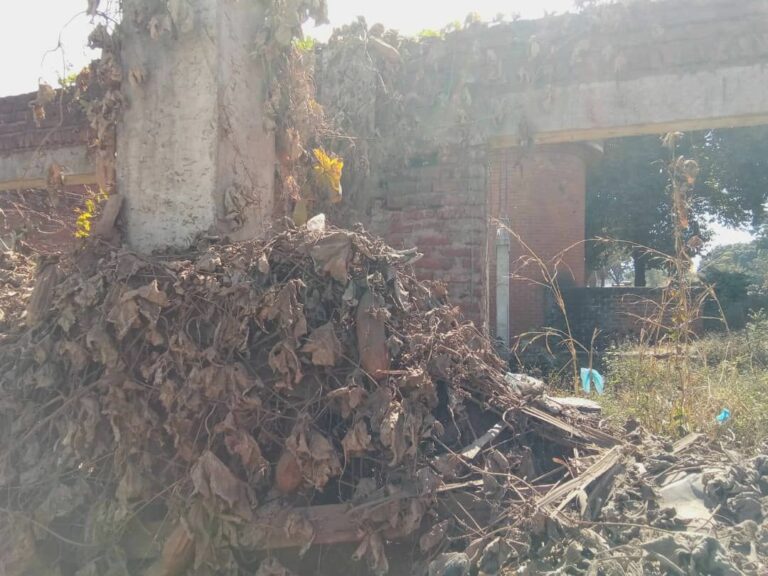
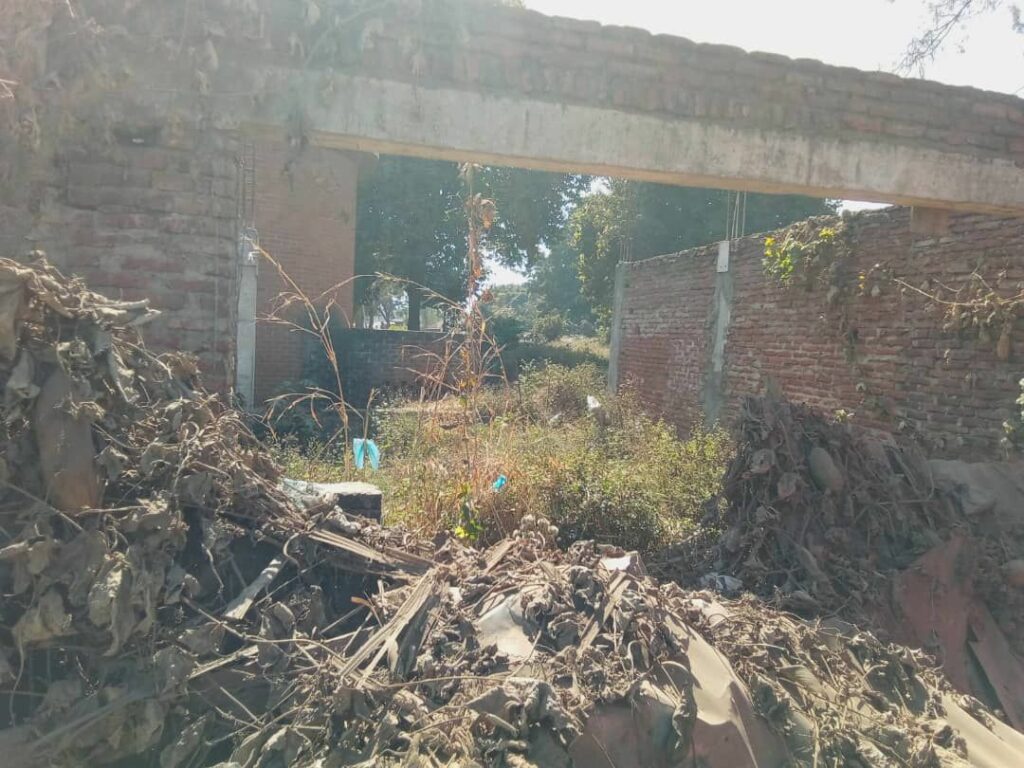
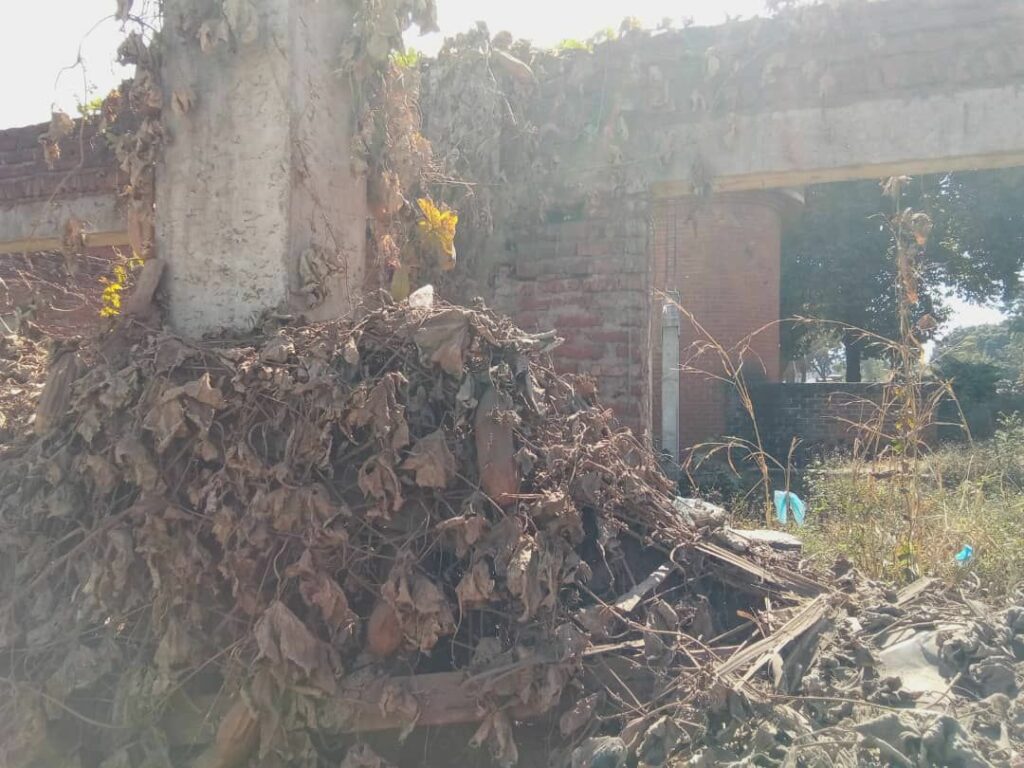
During our recent visit to the Lilongwe City Assembly Rest House on Monday July 15, 2024, it was evident that the facility is in a state of significant disrepair. The once-prominent rest house now features crumbling infrastructure, outdated amenities, and visible signs of neglect. Broken fixtures, peeling paint, and general deterioration are prevalent throughout the premises, rendering it far from its intended purpose of providing a high-quality venue for visitors and events.
The poor condition of the rest house has had a detrimental impact on its business operations. Once a popular choice for events and accommodation, the rest house now faces a substantial decline in bookings. The facility’s inability to meet modern standards has driven potential clients to seek alternative venues, leading to a complete standstill in business activities. This downturn has not only affected revenue but also tarnished the facility’s reputation in the community.
The root of the problem appears to be poor business management. There is a noticeable lack of effective oversight and maintenance strategies. The absence of a proactive management approach has resulted in ongoing neglect and failure to address the facility’s deteriorating condition. Furthermore, inadequate financial planning and management have compounded the issue, leaving the rest house struggling to recover from its current state.
Possible solutions
The first step towards revitalizing the rest house is a comprehensive renovation. This includes addressing structural damages, upgrading amenities to meet contemporary standards, and ensuring that the facility is restored to a condition that attracts clientele.
Secondly, implementing improved management practices is crucial. This involves hiring experienced personnel, establishing clear maintenance protocols, and ensuring regular oversight to prevent future neglect.
Thirdly, to rebuild its reputation and attract new business, the rest house should undergo a strategic marketing and rebranding effort. Highlighting the improvements and unique aspects of the facility can help re-establish it as a preferred venue.
Fourthly, adopting better financial management practices is essential. This includes creating a detailed budget for renovations and maintenance, conducting regular audits, and ensuring transparency in financial operations.
Fifthly, engaging with the local community and key stakeholders can provide valuable feedback and foster support for the restoration efforts. Addressing concerns and incorporating suggestions can help improve the facility’s services and appeal.
In conclusion, the Lilongwe City Assembly Rest House requires urgent intervention to address its current state. Through focused renovations, improved management, strategic marketing, and better financial practices, the facility can be restored to its former prominence and resume its role as a key asset for the city.
Candlelighting memorial services have become a significant cultural and political ritual, offering communities a poignant way to remember, mourn, and reflect. These ceremonies, marked by the lighting of candles, serve as a powerful symbol of collective grief and solidarity. Their impact extends beyond mere commemoration, influencing social and political consciousness.
The significance of candlelighting memorial services:
Firstly, the act of lighting candles is a symbol of bringing light to darkness, representing hope, remembrance, and the enduring spirit of those who have passed. It transforms personal loss into a shared experience of community solidarity.
Candlelighting serves as a means of preserving and honoring the memory of individuals who have made significant impacts or whose lives have been tragically cut short. It helps communities to collectively remember and celebrate their legacies.
Secondly, for many, participating in a candlelighting memorial provides a sense of closure and comfort. It allows individuals to express their grief in a communal setting, fostering a supportive environment for healing.
These services help to build empathy among participants, as shared mourning and reflection can strengthen communal bonds and provide emotional support.
Political and Social Dimensions:
Firstly, candlelighting memorials are often used to draw attention to social and political issues. By organizing these services, communities can highlight causes related to the individuals being honored, such as human rights, justice, or environmental concerns.
These services can also act as a platform for mobilizing collective action. The visibility and emotional weight of candlelighting can inspire participants to engage in advocacy or support related causes.
Secondly, in some contexts, candlelighting memorials are integrated into public demonstrations and protests. They serve as a non-violent method of expressing dissent and solidarity, helping to amplify voices calling for change or justice.
The serene and contemplative nature of candlelighting often contrasts with more confrontational forms of protest, providing a peaceful yet powerful form of expression.
Impact on Communities:
Candlelighting services bring people together, fostering a sense of unity and shared purpose. They provide a common space for individuals to come together and support one another through times of sorrow and reflection.
By participating in these rituals, community members can strengthen social ties and reinforce a collective identity, contributing to a more cohesive and resilient community.
These memorials offer an opportunity for collective introspection. They encourage participants to reflect on the lives of those being honored, as well as on broader societal issues, prompting deeper consideration of personal and collective values.
The act of lighting a candle in memory can inspire resilience and a renewed commitment to addressing the issues or values associated with the individual or cause being remembered.
In conclusion, candlelighting memorial services serve as a profound expression of communal grief and solidarity, impacting both individuals and societies. Through their symbolic and emotional resonance, they provide a space for reflection, healing, and advocacy. Their role in fostering unity and raising awareness underscores their significance as a powerful tool for collective memory and social change. In honoring the past and addressing contemporary issues, candlelighting memorials continue to shape and inspire communities, reinforcing their resilience and commitment to justice and solidarity.