

Thursday, April 23, 2026
No menu items!
spot_img
Home Blog Page 2206

“Don’t politicise cultural groups “National Unity Minister Timothy Mtambo Cautions

By Chalo Mvula

The Minister of Civic Education and National Unity Hon Timothy Mtambo has cautioned against politicising Cultural groups claiming its  one element that deflates the spirit of national unity. He was speaking when he had a virtual discussion with several Malawians living in diaspora on Thursday evening at an event organised by Citizen for Transformation Movement (CFT) Diaspora Chapter.

The Minister said time has come that the identification of Malawi as one nation need to be promoted. He highlighted that while he is a big supporter of culture and cultural groups, he was saddened that political interference in these groups has been a catalyst in the promotion of tribalism. Mtambo said it will be idea to have these cultural groups come celebrate together at one big function  either at Bingu stadium  or somewhere else where  each group showcases their culture and we celebrate together as Malawians.  “Rather than have Mulhakho Wa Alomwe, Gonamapuhanya, Chiwanja Cha Ayawo and others do their things separately, why not have a single day which can be dubbed a cultural festival and let Malawians come and celebrate together. With that, not only will each heritage celebrate their culture, but we will celebrate together as Malawians and increase our bond as one nation called Malawi “Mtambo said.
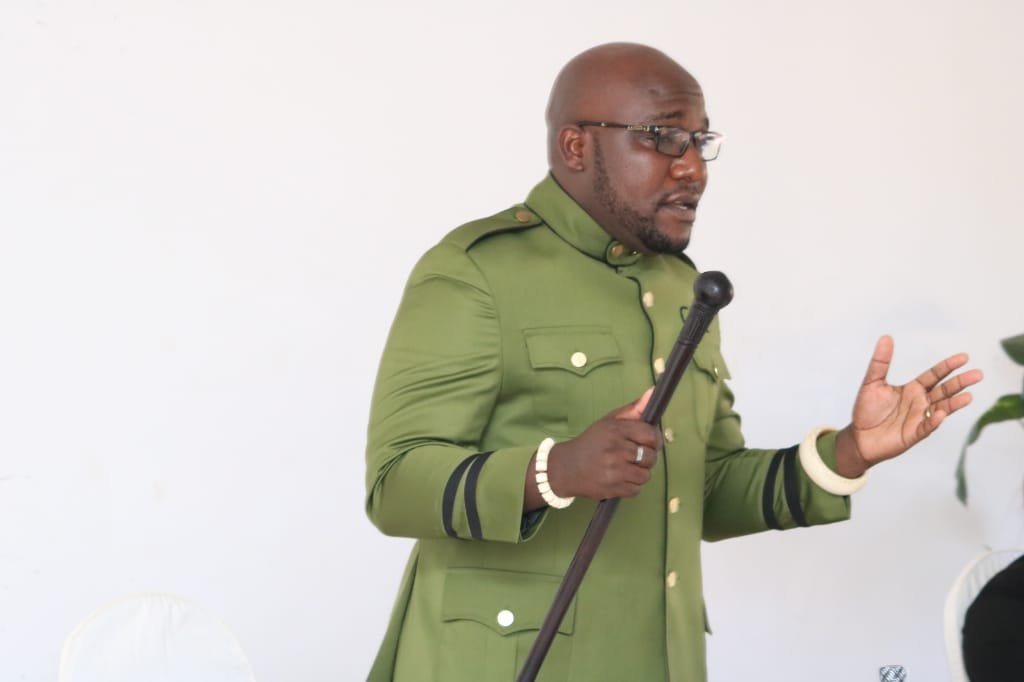
Hon Timothy Mtambo

Speaking on the challenges of promoting Unity in the country, Mtambo said Malawi has taken so long in recognizing Unity as a strong component of the country’s development. He revealed that his ministry has what he called Transformative civic education on top its agenda as they attempt to change the mindset and behaviour of Malawians “ My ministry  will take government close to the people and people close to the government  creating a platform for  people and government to engage on issues of national importance”

Mtambo spoke highly of the promotion of values Malawi values citing that no one in the country should be discriminated based on religious, regional or tribal differences.  “ If we believe in the constitution then we cannot discriminate  each other as the constitution doesn’t discriminate”   The Minister  also announced  that he will be working on what he described as a “ Respect the flag campaign” which will be aimed at making Malawians feel proud of their country , their identity  and bringing sense of patriotism and allegiance to the flag,

When asked about the role of Citizen For Transformation (CFT) movement now that he is part of the government as a minister, he assured those in attendance that he is very much part of CFT.   “CFT had a short term goal of removing DPP  and a long term goal of creating a movement of the people for the people , so the movement will still stand for Malawians regardless  of who is in power” He also announced that the movement will actively get involved in some charity activities to give a voice to the poor , resource mobilisations  in order to support those in need.

Also speaking at the event, CFT Diaspora Commander Linda Khembo , thanked the Minister for making himself available to answer a few questions from Malawians in the diaspora , who despite being far from home , are still very much interested to be part of the policy changes and implementation.

Lessons from a diabetes clinic in Malawi: why everyone should follow a healthy diet

0

By Chimwemwe Kwanjo Banda and Adamson Muula

Diabetes mellitus is common in Malawi: over 268,000 adults live with the disease, and the number is expected to double in the next 20 years. It’s a noncommunicable disease which occurs when the body can’t turn food into energy properly.

Although the cause of diabetes is not well understood, it’s linked to a combination of environmental and genetic factors. The most common type of diabetes, type 2, is known to be preventable.

Following a healthy diet and maintaining a healthy body weight are key to prevention and control of diabetes. For many people in Malawi, a diagnosis of diabetes means they must stop eating food they are accustomed to. A typical Malawian diet is high in carbohydrates, which are perceived to be satisfying and tasty. Breakfast often consists of maize flour porridge with sugar, and tea with sugar. Other starches like bread, sweetened fritters, sweet potatoes and cassava are also popular. Lunch and dinner often consist of nsima (thick maize meal porridge) accompanied by cooked leafy vegetables, legumes (beans, peas, cowpeas), eggs or meat (fish, chicken, beef or goat).

We conducted a study of people attending a diabetes clinic in Blantyre, Malawi, to understand how they were managing their diet and to identify factors that enabled or prevented healthy eating habits. Our study showed that many people with diabetes did not follow a healthy diet, or only started eating healthy food after being diagnosed with diabetes. They also found it difficult to change their diet after diagnosis.

We believe that to reduce the prevalence of diabetes in Malawi, efforts to promote healthy eating should target the entire population and not only people who have diabetes.

What we found

Our study took place at Queen Elizabeth Central Hospital diabetes clinic in Malawi. We interviewed 510 adults attending the clinic, to ask about their diets. The participants were men and women, from urban and rural areas, ranging in age from 18 to 88. They had been living with diabetes for different lengths of time.

On each clinic day, nurses or trained educators from the Diabetes Association of Malawi offer diabetes education. It focuses on the daily activities that people with diabetes should follow to keep their blood glucose under control and to prevent complications related to diabetes. The topics include healthy diet, exercise, medication adherence and how to care for the feet (which often suffer nerve damage from diabetes).

Around 51% of the people in our study reported that they had followed a healthy eating plan every day in the past seven days. But almost all (99.8%) reported that they had not been able to take at least five portions of fruits and vegetables every day in the past seven days. Although eating adequate amounts of fruits and vegetables is part of a healthy eating plan, the participants implicitly considered taking whole grain cereals, unsweetened beverages and a low fat diet as a healthy diet plan. On a positive note, almost half (48.5%) reported not taking any foods high in fats.

Our findings also showed that adjusting to a healthy diet was a challenge for many.

A healthy diet was perceived to be only for people who already live with diabetes, and not everyone else. All the study participants (100%) said they had adopted a healthy diet only after being diagnosed with diabetes.

Healthy food options were perceived to be limited and the locally available options, such as sugar-free tea or porridge, were mostly considered unpleasant in taste. In Malawi, added sugar in tea and porridge is a norm and the consumption of sweetened beverages is increasing.

One female participant had this to say:

It is not easy to just stop eating foods you are used to abruptly. You wake up one day, they test you, and on the same day they tell you to stop eating this, this and that. Impossible! Let’s not cheat ourselves that it is possible right away.

Many people with diabetes were unclear on the recommended amounts of safer foods. Although many understood that whole grain cereals were healthy food, they were not sure about how much to eat per day.

Many relied on the appearance of the package to decide if the food was healthy or not. Failure to read food labels was common with bread, non-alcoholic beverages and sweeteners. For example, some considered any fruit juice packaged in a carton as sugar free. Reading food labels is important as it guides in selecting healthier options.

Our findings are similar to those of another study that assessed risk factors for non-communicable diseases in Malawi. The national study also showed that the general population did not take five portions of fruits and vegetables every day as is recommended.

A previous study among people living with diabetes in Malawi showed that many had poorly controlled blood glucose levels. As a result, many experienced damage to the nerves, kidneys, eyes and heart.

Other studies done in sub-Saharan Africa also suggest that many people in Malawi and Sub-Saharan Africa could be at risk of preventable diseases due to unhealthy diets. These diseases affect the physical, social and economic wellbeing of individuals, families and societies.

The way forward

The World Health Organization recommends that interventions to promote healthy eating habits should target the entire population and not only those that have diabetes or other noncommunicable diseases. Population level interventions do not require individual behaviour change, and may be reinforced through policy and environmental changes.

For example, media and educational campaigns conducted in other countries like the US, Australia and Pakistan reported success in increasing the consumption of fruits and vegetables. A study in India showed that taxing sugar-sweetened beverages could reduce obesity and prevent occurrence of type 2 diabetes.

We recommend that education on healthy diet and its benefits be intensified through the media and schools to increase public awareness. Another strategy is to subsidise the cost of production of fruits and vegetables to make them more easily available to consumers.

The advantage of population based interventions is that they are cost effective and they benefit everyone regardless of whether they have diabetes or not.

Original article from The Conversation

No case for the four over Kotana’s death

0

The High Court in Lilongwe has found four suspects -Ekari Daniella Chaweza, Gilbert Kalamiza, Timothy Mtilosanje and Diana Bhagwanji -who were being accused of murdering Kottana Chidyaonga, that they have no case to answer and the murder trial has collapsed.

Chidyaonga died in January this year and it was suspected that she died due to a snake bite’, while another school of thought alleged that she might have been murdered.

Boyfriend Timothy Mtilosanje and the late Kotana

Judge Thomson Ligowe says the court has found no substantial evidence from state to prove the case hence it has acquitted the suspects.

Initial statements from suspects showed that the 23 year-old girl from Lilongwe was bitten by a snake but an autopsy report by Pathologist Charles Dzamalala found that she died from poisoning.

Mtilonsanje was boyfriend to the late Chidyaonga, while Baghwanji was one of the close friends she was last seen with on that fateful day.

Government committed to ensure transparency in government projects

0

Minister of Information and Communication Technology, Gospel Kazako has said government would engage Anti-Corruption Bureau (ACB) to investigate suspected abuse of funds in its projects to ensure transparency.

Speaking in Mzuzu Tuesday when he visited Northern Region Information Office, he said the ACB was not just meant to investigate private institutions alone.

The Minister said this after it was discovered that substandard work was done on establishment of Northern Regional Information Office Studio which he said was unfortunate.

Minister Gospel Kazako

“There’s what they call a studio and I am reliably informed that millions of money were involved but what I have seen is something that possibly didn’t cost above K2 million; we will  follow up on how that money was used.

“As Government, we will make sure that the transparency talk starts with government institutions themselves,” Kazako pointed out.

He said government would ensure better working conditions which would include promotions and provision of equipment.

The Minister expressed the need for the Ministry to take the central role in formalization of information dissemination in the wake of fake news.

“Currently, information is being passed to the public, but there was still a lot that the public is yet to be enlightened on.

“As a Ministry, we are working on seeing that the public does not have any information gap on all spheres,” he promised.

Deputy Regional Information Officer (DRIO) for the North, George Bulombola appreciated the Minister’s visit to appreciate the work being done at the Regional Office.

After touring the Regional Information Office, Kazako proceeded to Malawi Broadcasting Corporation’s Kaning’ina Studios in the city where he assured staff of independence from political interference over the institution’s operations.

Chikwawa MP Susan Dossi joins UTM

0

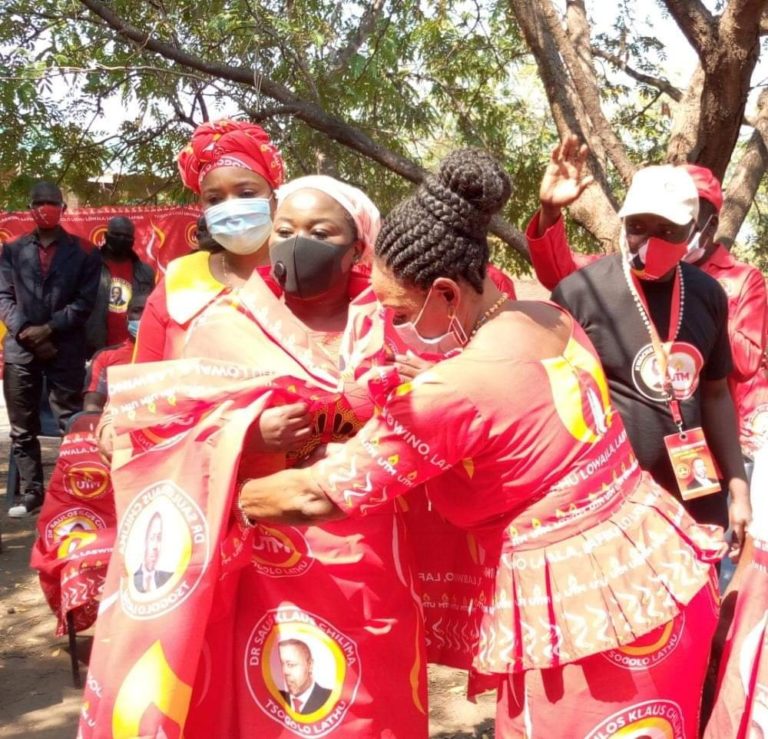
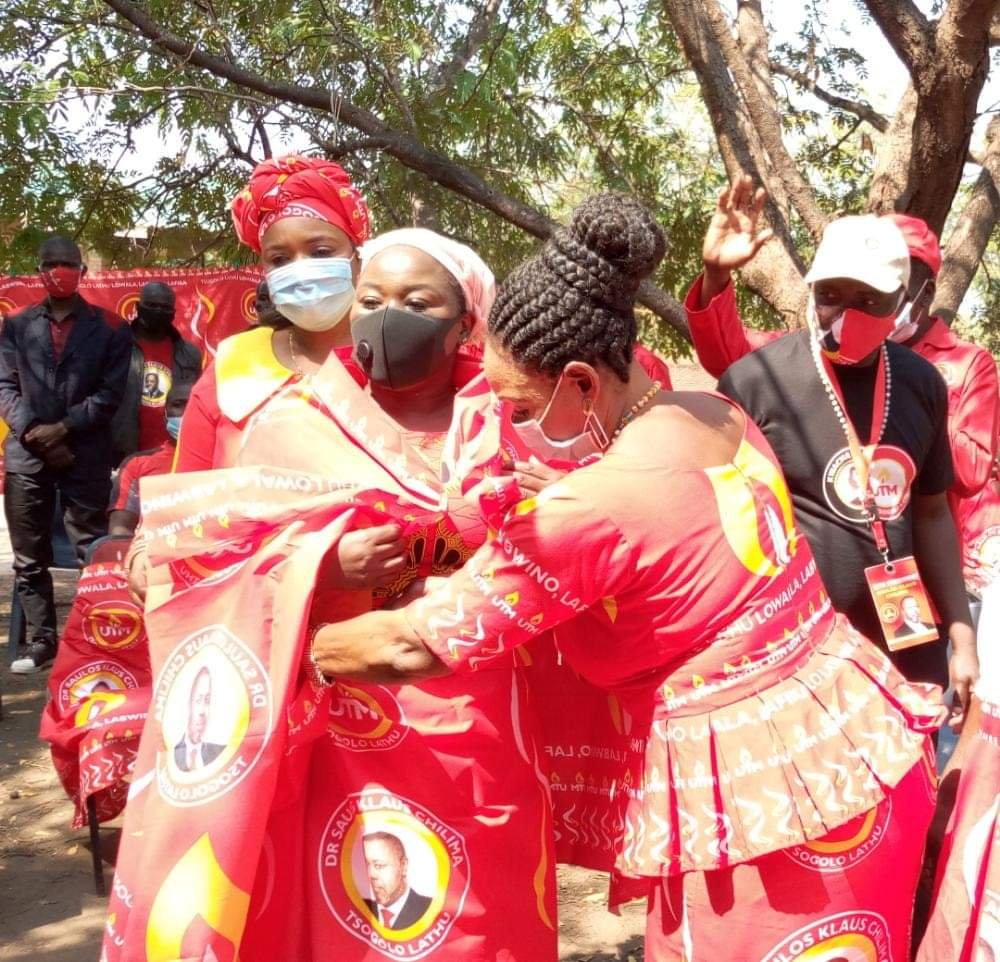
Member of Parliament for Chikwawa West, Susan Dossi, has  dumped the Democratic Progressive Party (DPP) and defected to UTM Party which is in the governing Tonse Alliance.

Dossi, who won as an independent legislator but joined DPP, announced her defection to UTM on Tuesday  afternoon at Chapananga Community Day Secondary School.

“I am now a member of UTM Party,” said Dossi.

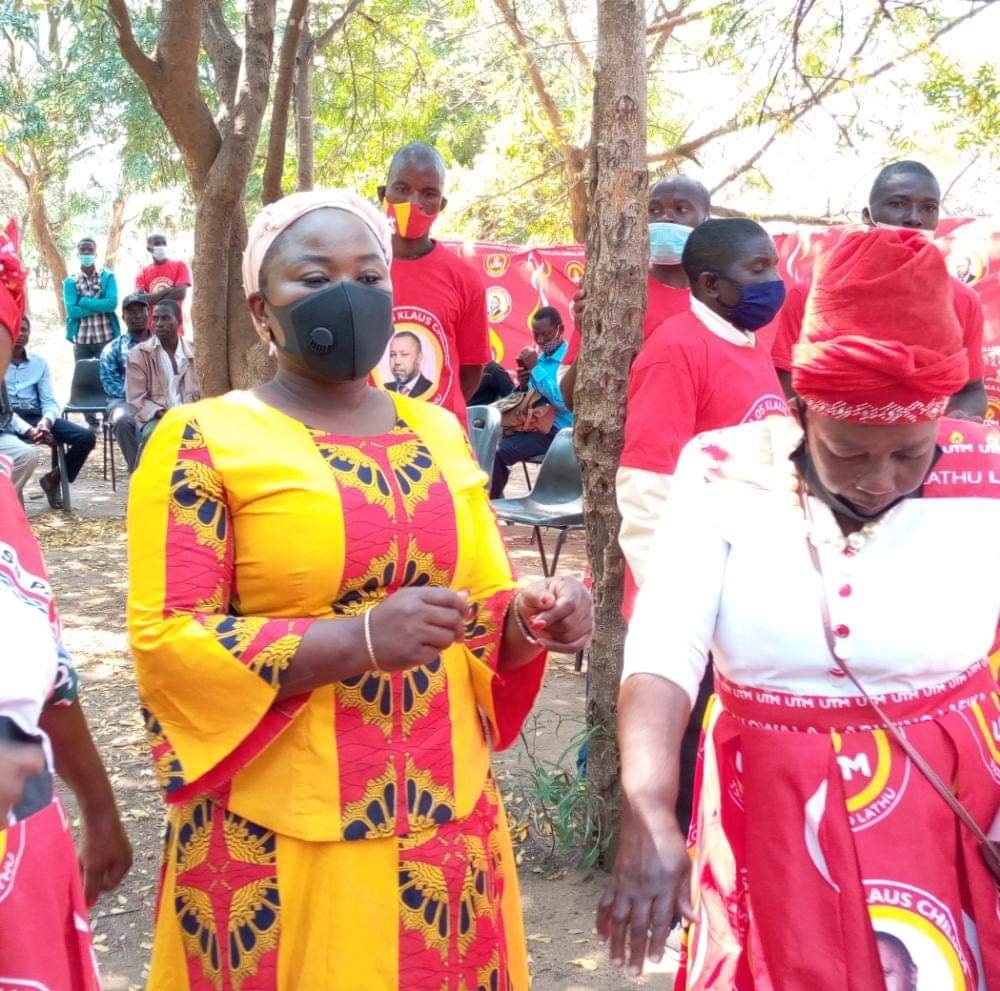
Hon Susan Dossie being welcomed in the UTM fold

Dossi, a daughter of veteran politician and former minister Moses Dossi, said she has been lured to join UTM because of its sound leadership and transformation agenda led by State Vice President Saulos Chilima.

She said the decision to defect is in line with the wishes of her constituents.

“My constituents have aksed me to join UTM because the party is gaining ground in the Lower Shire,” she said.

Dossi has been welcomed by the party’s Publicity Secretary Dr. Joseph Chidanti Malunga and Director of Political Affairs Anitta Kalinde.