
Thursday, December 18, 2025
No menu items!
spot_img
Home Blog Page 263

Can UTM win under Kabambe? Assessing his track record and Malawi’s appetite for new leadership

By Burnett Munthali

As Malawi prepares for the 2025 general elections, political attention is increasingly turning toward the United Transformation Movement (UTM) and its newly endorsed presidential hopeful, Dr. Dalitso Kabambe.

Kabambe, an economist and former Reserve Bank of Malawi (RBM) Governor, is a fresh face in the top-tier political contest, yet he brings with him a reputation shaped by years of public service and economic stewardship.

Before joining frontline politics, Dr. Kabambe held various technical positions within Malawi’s civil service, including serving as the Principal Secretary in the Ministry of Foreign Affairs and at the Office of the President and Cabinet.
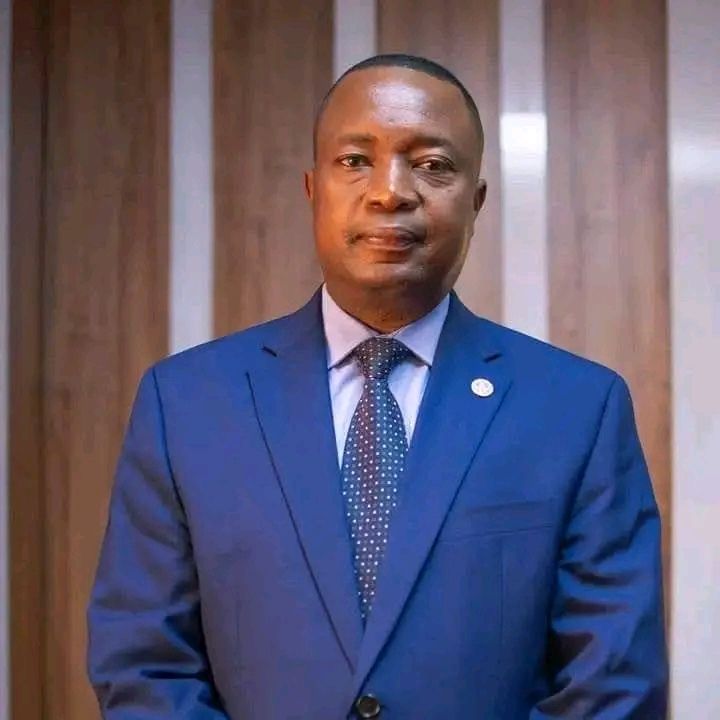
Kabambe


His most notable appointment came in 2017 when he was appointed Governor of the Reserve Bank of Malawi by then-President Peter Mutharika, a position he held until 2020.

During his tenure as RBM Governor, Kabambe was credited with implementing policies that stabilized the economy, reduced inflation, and strengthened the country’s foreign exchange reserves.

Under his leadership, the inflation rate fell to single digits, and Malawi’s gross official reserves increased from under US$600 million to over US$800 million, giving the country better import cover.

Kabambe also spearheaded Malawi’s switch to an interest rate-based monetary policy framework, aligning the country’s financial system more closely with international best practices.

He modernized banking supervision, improved digital payment systems, and advocated for financial inclusion through mobile money expansion and rural banking.

These accomplishments earned him praise from both local economists and international financial institutions, including the IMF and World Bank.

However, his record has not been without controversy.

In 2021, after leaving office, Kabambe was arrested and charged in connection with the alleged misreporting of Malawi’s reserve figures to the International Monetary Fund during his time as RBM Governor.

He has consistently maintained his innocence, and the case has been politically polarizing, with some viewing it as a targeted effort to tarnish his image ahead of a possible presidential run.

Kabambe officially joined the Democratic Progressive Party (DPP) and expressed interest in contesting for its leadership, but internal party conflicts and factionalism limited his rise within that structure.

In a strategic shift, he realigned himself with the United Transformation Movement (UTM), which had gained considerable popularity under the late Vice President Dr. Saulos Chilima.

Following Chilima’s tragic death in 2024, UTM found itself in need of new leadership — and Kabambe emerged as a unifying figure with both technocratic experience and national appeal.

The UTM’s decision to embrace Kabambe reflects its desire to maintain political relevance while moving beyond its founding leader’s personal charisma.

Kabambe has since rebranded the UTM narrative, combining its transformative ideals with a renewed emphasis on economic reform, youth empowerment, and anti-corruption.

His campaign rhetoric focuses on job creation, private sector revitalization, agricultural modernization, and fixing public sector inefficiencies.

He has also emphasized the need for political discipline, value-based leadership, and policy continuity, framing himself as a candidate who merges integrity with expertise.

Supporters believe Kabambe’s technical background offers hope for restoring fiscal discipline and reengineering Malawi’s fragile economy.

They argue that, unlike career politicians, Kabambe brings practical solutions rooted in evidence-based policymaking and experience from high-stakes public financial management.

Critics, however, caution that his political inexperience could become a liability in a terrain where grassroots mobilization, party structures, and coalition-building are key to electoral victory.

Others are skeptical about whether Kabambe can truly distance himself from the legacy of the DPP, especially given his previous alignment and the corruption allegations he faces.

Additionally, UTM itself faces the challenge of maintaining its core support base following Chilima’s demise, as many of its loyalists were bound by personal allegiance rather than party ideology.

To win the presidency, Kabambe will need to build a compelling, inclusive coalition that speaks to both urban and rural voters across Malawi’s diverse regions.

He must also offer more than economic credentials — he will need to prove that he understands the social, political, and cultural complexities that shape Malawi’s electoral behavior.

As 2025 approaches, the big question remains: will Malawians see Dr. Dalitso Kabambe and the UTM as credible agents of transformation, or as another experiment in elite technocracy?

Ultimately, the answer lies in whether Kabambe can convert his academic and professional success into a message that resonates with ordinary Malawians.

The road ahead is steep, but not impossible — if Kabambe can balance vision with humility, reform with realism, and leadership with grassroots trust.
Can  MCP still capture hearts? Assessing Malawians’ willingness to renew trust in Chakwera’s Leadership

By Burnett Munthali

As Malawi inches closer to the next general elections, the big question on many minds is whether the Malawi Congress Party (MCP) can still rally the support of Malawians.

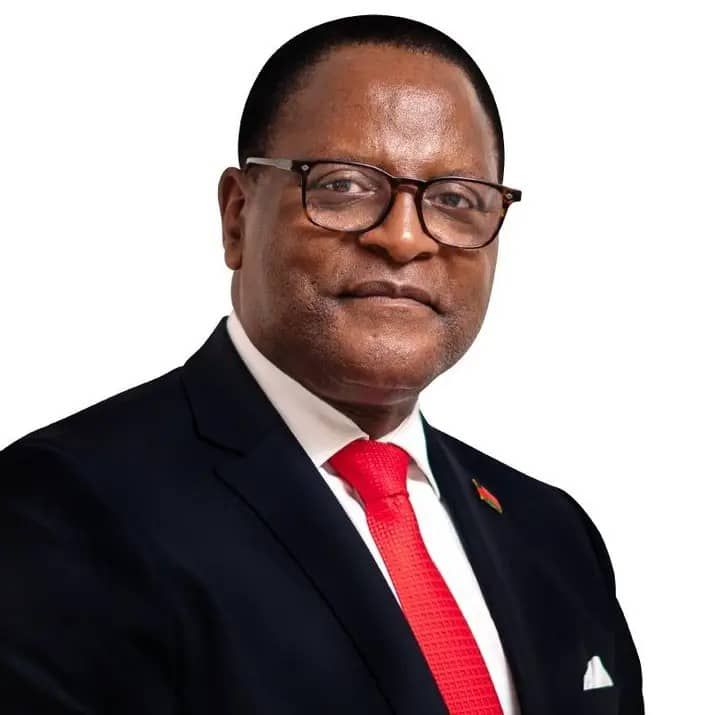
President Lazarus Chakwera came into power in 2020 with the Tonse Alliance, a coalition formed to challenge the status quo and promise a new era of transformation.

Central to his campaign was the “High Five” agenda — a blueprint comprising servant leadership, uniting Malawians, prospering together, delivering infrastructure development, and ending corruption.

Chakwera


Four years later, the nation stands at a crossroads, weighing whether the promises of the High Five have translated into lived realities.

Supporters argue that the MCP-led government has made important strides in areas such as road construction, education infrastructure, and digital transformation.

For instance, the construction and rehabilitation of key roads, including the M1, are often cited as tangible signs of progress under the Chakwera administration.

In education, the government has constructed and rehabilitated several classroom blocks, increasing access to learning for children in rural and urban areas.

In addition, proponents highlight improvements in public sector reforms, especially efforts to digitize government services through the Malawi Digital Economy Strategy.

Yet despite these developments, critics believe the Chakwera administration has fallen short on several fronts, undermining public trust.

One of the most cited grievances is the failure to decisively tackle corruption, despite promising zero tolerance when he assumed office.

High-profile corruption scandals have continued to emerge, with some involving individuals linked to the ruling party or government appointments.

The Anti-Corruption Bureau (ACB), though independent in principle, has been accused of facing political interference and lacking prosecutorial teeth.

Economic hardship has further fueled discontent, as the cost of living continues to rise while job opportunities remain scarce for many Malawians.

The devaluation of the kwacha, rising fuel prices, and persistent power outages have added to the frustration of citizens struggling to survive.

Furthermore, the Chakwera administration has come under fire for excessive foreign travel and the perception of bloated government spending.

Public sector wage delays and a freeze on civil service recruitment have also demoralized many, especially the youth who had high hopes for meaningful employment.

In rural communities, where promises of subsidized fertilizer under the Affordable Inputs Programme (AIP) once won massive support, inconsistent delivery has eroded confidence.

As a result, even within the MCP’s traditional strongholds, there are murmurs of discontent and debates over whether the party has truly delivered.

The death of Vice President Saulos Chilima in June 2024 also significantly altered the political landscape, leaving a vacuum in the Tonse Alliance and deepening uncertainty.

Chilima’s UTM supporters, once key allies of MCP, may not automatically vote for the ruling party again, especially without a renewed alliance deal.

To remain electorally viable, the MCP will need to regain lost trust, strengthen its internal unity, and realign its development agenda with citizens’ real needs.

President Chakwera, if seeking re-election, must present a compelling case that the next five years will be different — and better — than the last.

He will need to be honest about past missteps while clearly outlining new strategies to combat corruption, create jobs, and uplift the economy.

Malawians are no longer easily swayed by party colors or rhetoric; they are more politically conscious and demand visible, consistent results.

With voter expectations rising and the political opposition regrouping, 2025 will not be a walkover for the MCP.

Whether Malawians will vote for the MCP again depends not only on campaign promises but also on the credibility of past delivery.

The High Five agenda, once a symbol of hope, must now be backed by genuine, measurable outcomes that touch the lives of ordinary people.

In the end, the ballot will reflect whether Malawians still believe that the Malawi Congress Party — under President Chakwera — deserves a second chance.

Can DPP regain the presidency? Evaluating APM’s legacy and Malawi’s political mood*

By Burnett Munthali

As Malawi approaches the 2025 general elections, the return of the Democratic Progressive Party (DPP) to power is one of the central questions shaping political debates.

At the heart of this discussion is the legacy of former President Professor Arthur Peter Mutharika (APM), who served from 2014 until the court-sanctioned fresh elections of 2020.

Under APM’s leadership, Malawi experienced a mixture of economic growth, infrastructural development, and controversial governance challenges that continue to spark divergent views.

Supporters of the former president often point to infrastructural development as one of the major achievements of his administration.

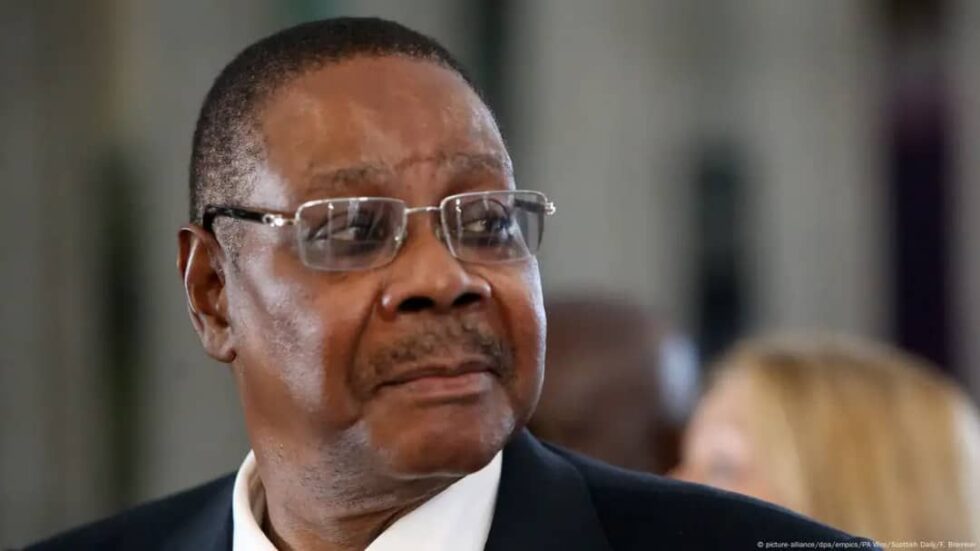
Mutharika

Key road projects such as the Liwonde–Mangochi Road, Karonga–Chitipa Road, and others were either completed or initiated under the DPP government.

The construction of the Bingu National Stadium, the Mombera University project in Mzimba (though incomplete), and the Community Technical Colleges initiative demonstrated his administration’s focus on long-term development.

In the education sector, Mutharika’s government expanded public university intake and introduced the “Community Day Secondary School” projects aimed at improving access in rural areas.

Electricity generation also received attention, with the DPP investing in projects such as the Tedzani IV Hydropower Plant and initiating solar energy expansion plans.

Additionally, the DPP government prided itself on launching the Decent and Affordable Housing Subsidy Programme (DAHSP), which provided homes for thousands of vulnerable families across the country.

Economically, Malawi maintained relative macroeconomic stability during APM’s tenure, with inflation reduced to single digits and the kwacha relatively stable for several years.

The International Monetary Fund (IMF) and the World Bank gave positive reviews of Malawi’s fiscal discipline under Finance Minister Goodall Gondwe during APM’s early years in office.

However, critics argue that Mutharika’s second term was marred by widespread corruption, nepotism, and a gradual erosion of democratic values.

The infamous cement-gate scandal, in which the president was accused of facilitating duty-free importation of cement using his tax exemption privileges, drew intense public scrutiny.

Cases of selective justice and the perceived shielding of politically connected individuals weakened public confidence in the justice system under his leadership.

The 2019 presidential election, widely regarded as flawed due to irregularities such as the use of correction fluid (Tippex), severely damaged APM’s democratic credentials.

It was this controversial election that led to the historic Constitutional Court ruling in February 2020, which nullified the results and ordered a fresh presidential poll — the first such ruling in Malawi and a landmark in African electoral jurisprudence.

The DPP’s handling of post-election unrest, including heavy-handed crackdowns on protesters and human rights defenders, further damaged its image domestically and internationally.

In terms of youth empowerment, critics say the DPP lacked a clear, long-term employment strategy, with youth unemployment remaining high despite the technical colleges initiative.

Civil servants and teachers also voiced frustrations over delayed salaries, stagnated promotions, and the general neglect of the public sector toward the end of Mutharika’s tenure.

Nonetheless, many DPP supporters argue that Malawi was relatively stable during APM’s presidency, especially when compared to the current economic hardships and governance concerns under the Tonse Alliance.

There is growing nostalgia, particularly in Southern and Eastern regions, for the perceived order, discipline, and predictability of APM’s rule.

Some citizens recall that fuel was relatively affordable, the cost of maize was manageable, and public transport fares were not as exorbitant as they are now.

With rising disillusionment over unmet promises, growing corruption concerns, and economic decline under the current administration, some Malawians are reconsidering the DPP as a viable alternative.

Yet, the DPP itself must confront internal divisions, clarify its leadership structure, and distance itself from past misdeeds if it hopes to rebuild trust and win back the electorate.

The party must also present a rejuvenated vision for Malawi — one that resonates with today’s youth, addresses inequality, and restores integrity in governance.

Whether Malawians will vote for the Democratic Progressive Party again in 2025 remains an open question — one that will be answered not just by nostalgia, but by vision, leadership renewal, and the ability to respond to the aspirations of an increasingly informed and demanding electorate.

Malawi Secures Major Mining Investment Deal with UAE

0

By Durell Namasani

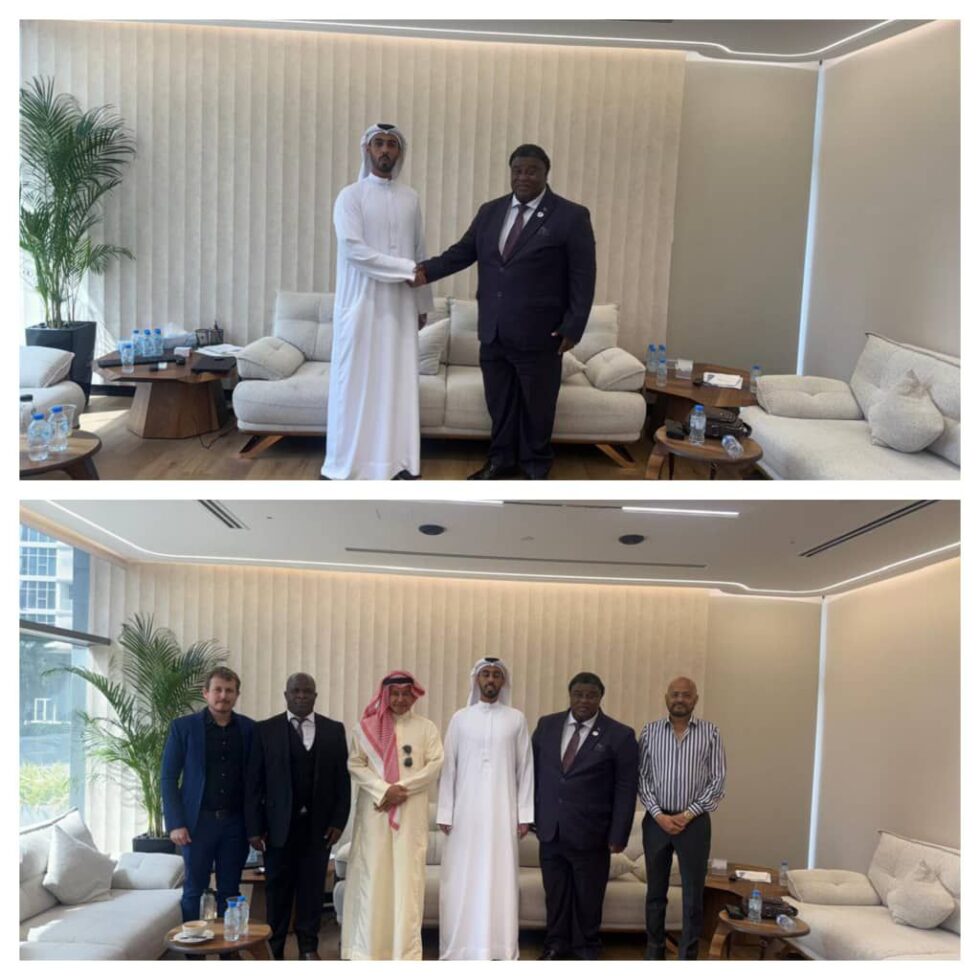
Malawi’s government has secured a lucrative mining investment opportunity following high-level talks with the United Arab Emirates (UAE) in Abu Dhabi. The delegation, led by Malawi’s Minister of Mining, Dr. Kenneth Zikhale Reeves Ng’oma, included the Director General of Mining, Mr. Samuel Sakhuta, and graphite investor Dr. Eyad, who acted as a translator. 

During the meeting, the Malawi team presented detailed mining data, successfully convincing UAE representatives to explore investment opportunities through International Resources Holdings (IRH), a subsidiary of the UAE government’s International Holding Company. Established in 2022, IRH manages multiple projects across Africa and Asia. 


As a result, UAE has dispatched two geologists—Shailender Sinha (Vice President of Exploration) and Ravi Sharma (Chief Operating Officer)—to attend Malawi’s National Artisan Small-Scale Mining Symposium (NASSMS) from July 14–16, 2025, at Bingu International Convention Centre (BICC) in Lilongwe. The symposium’s theme, “Revolutionizing Malawi’s Economy through Mineral-Driven Innovation, Creativity, and Entrepreneurship for Growth,” aligns with the UAE’s investment interests. 

The geologists will also meet Malawi’s Department of Geological Survey experts to finalize discussions before signing a formal agreement. Additionally, the UAE proposed that Malawi adopt an **AI-powered digital mining auction system** to enhance transparency and attract serious investors. 

How the Digital Mining Auction System Works: 
-Bid Bond: Ensures bidders’ financial commitment. 
– Net Present Value (NPV): Assesses mineral assets’ economic potential. 
– Confidence Levels: Evaluates geological risks and returns. 

Benefits for Malawi:
Increased Revenue– Transparent auctions maximize government earnings. 
Efficient Resource Allocation – Ensures minerals go to the highest-value investors. 
Foreign Investment Boost– Attracts global mining firms. 
Economic Growth– Creates jobs and improves livelihoods. 

Ali Alrashdi, CEO of IRH, praised Malawi’s President, Dr. Lazarus Chakwera, for sending a high-powered delegation in response to the UAE leaders’ visit to Malawi on May 6, 2025. This deal marks a significant step in strengthening Malawi’s mining sector and economic growth. 

Chakwera’s Government Okays Namiwa’s Demos

0

By Staff Reporter

President Lazarus Chakwera’s government has given the green light to former Democratic Progressive Party (DPP) state house press officer Sylvester Namiwa’s planned peaceful demonstrations in Lilongwe.

The demonstrations, scheduled for June 26, 2025, will see citizens march to the District Commissioner’s office to present a petition.

While granting permission for the demonstrations, the government has stipulated certain conditions to ensure the protests remain peaceful and that citizens and business owners are protected.

Demonstrators are required to adhere to a specific dress code, wearing red and black clothes, and refrain from carrying any weapons.

Also, they will be escorted by the Malawi Police Service, with 100 marshals in reflectors supporting the police in maintaining order and identifying potential troublemakers.

Namiwa


This development highlights President Chakwera’s commitment to upholding citizens’ rights to peaceful assembly and demonstration.

Since assuming power in 2020 after a disputed and rigged election in 2019, Chakwera has consistently emphasized the importance of respecting citizens’ rights to express themselves.

Interestingly, there are rumors of other demonstrations being planned in support of the Malawi Electoral Commission (MEC) chair, amid allegations that the current demonstrations are being backed by the opposition.

Nonetheless, the government’s decision to allow Namiwa’s demonstrations reflects its dedication to fostering a culture of peace, dialogue, and democratic participation.

As President Chakwera prepares for the 2025 elections, his government’s stance on peaceful demonstrations will be a test in government’s commitment promoting national unity and stability.