The Malawi Congress Party (MCP) on Saturday postponed its primary elections in the Mzimba-Central constituency after violence disrupted the verification process for areas that would form the electoral college.
MCP Director of Legal Affairs, Jivason Kadzipatike, confirmed the development with 247 Malawi News, stating that while the party is committed to complying with the High Court ruling of July 16,2025, internal disruptions are hindering progress.
Kadzipatike
In the constituency, Minister of Trade Vitumbiko Mumba is contesting against Presidential Advisor on Rural Development, Adamson Kuseri Mkandawire.
In a letter addressed to Mumba’s lawyer, Khumbo Soko, the MCP legal advisor explained that only eight of the 50 designated areas were successfully verified before the process led by Deputy Director of Elections Mathias Mgomezulu was interrupted by a mob.
“The party is, however, concerned about the narrowing timeline ahead of the Malawi Electoral Commission’s nomination closure on July 30, 2025,” said Kadzipatike.
He further noted that the party remains committed to completing the verification exercise and will report to the Mzuzu High Court should the volatile situation persist and continue to impede the reconstitution of the electoral college.
Meanwhile, in a letter sent on Saturday, Soko raised concerns that Mgomezulu had excluded Constituency Committee members from the verification process and attempted to use an electoral college previously discredited by the Court.
The Malawi Congress Party (MCP) on Saturday postponed its primary elections in the Mzimba-Central constituency after violence disrupted the verification process for areas that would form the electoral college.
MCP Director of Legal Affairs, Jivason Kadzipatike, confirmed the development with 247 Malawi News, stating that while the party is committed to complying with the High Court ruling of July 16,2025, internal disruptions are hindering progress.
Kadzipatike
In the constituency, Minister of Trade Vitumbiko Mumba is contesting against Presidential Advisor on Rural Development, Adamson Kuseri Mkandawire.
In a letter addressed to Mumba’s lawyer, Khumbo Soko, the MCP legal advisor explained that only eight of the 50 designated areas were successfully verified before the process led by Deputy Director of Elections Mathias Mgomezulu was interrupted by a mob.
“The party is, however, concerned about the narrowing timeline ahead of the Malawi Electoral Commission’s nomination closure on July 30, 2025,” said Kadzipatike.
He further noted that the party remains committed to completing the verification exercise and will report to the Mzuzu High Court should the volatile situation persist and continue to impede the reconstitution of the electoral college.
Meanwhile, in a letter sent on Saturday, Soko raised concerns that Mgomezulu had excluded Constituency Committee members from the verification process and attempted to use an electoral college previously discredited by the Court.
The political landscape within the People’s Democratic Party (PDP) has taken a dramatic turn following the recent announcement that Bertha Mackenzie Ndebele, newly unveiled as Kondwani Nankhumwa’s running mate, will contest the Balaka South constituency as an independent candidate rather than under the PDP banner.
This development has stirred considerable debate and speculation, signaling deeper fractures within the party and raising questions about Nankhumwa’s leadership and his ability to unify his political base.
On Saturday, during the formal presentation of nomination papers to the Malawi Electoral Commission, Nankhumwa introduced Ndebele as his running mate.
However, the expectation that Ndebele would contest under the PDP was quickly dispelled when it was revealed she would stand independently in Balaka South.
This move has been widely interpreted by political observers and commentators as a glaring sign of internal discord and a lack of confidence in Nankhumwa’s capacity to rally his key supporters.
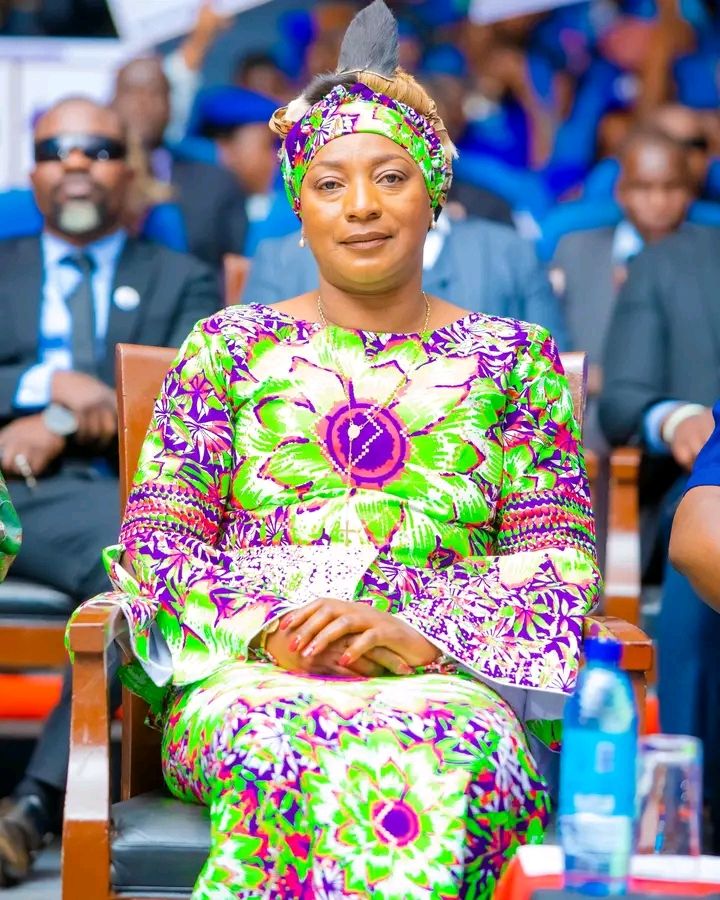
Bertha Ndebele
The decision by Ndebele to run as an independent candidate rather than as a PDP member is not just a procedural anomaly; it is a clear political statement. It suggests that even those closest to Nankhumwa may be hedging their bets or distancing themselves from the party’s official platform, possibly due to disagreements over strategy, leadership style, or ideological direction.
This raises concerns about the coherence and discipline within PDP ranks, especially as the party gears up for critical elections.
Many analysts view this episode as an exposure of Nankhumwa’s political immaturity. Leadership in politics demands more than just the ability to secure positions—it requires the capacity to inspire trust, manage competing interests, and maintain party unity.
The fact that a running mate feels compelled to break ranks at such a crucial moment indicates cracks in Nankhumwa’s leadership approach. It also reflects poorly on his political acumen, suggesting a failure to build the necessary consensus or to effectively engage with his closest allies.
The implications of Ndebele’s independent candidacy extend beyond internal party politics. For the electorate, this situation may sow confusion and dilute the PDP’s strength in Balaka South, a constituency that could be pivotal in determining the party’s overall performance.
Voters loyal to PDP may find themselves divided, with some supporting the official party candidate and others drawn to Ndebele’s independent bid.
Such fragmentation often benefits rival parties, potentially weakening PDP’s position in the larger political contest.
Moreover, the move could signal a broader trend of disillusionment within the party’s grassroots.
If prominent figures like Ndebele feel sidelined or compelled to chart their own course, it raises questions about the party’s inclusivity and responsiveness to its members’ aspirations.
This kind of internal dissent often reflects underlying tensions that, if left unaddressed, can lead to further defections, erosion of support, and ultimately, electoral defeat.
Political maturity also entails managing public perception.
The optics of unveiling a running mate only to have her run independently undermines the message of unity and strength that political parties strive to project during election campaigns.
It may embolden opposition parties to exploit PDP’s vulnerabilities, framing their rivals as fragmented and unstable.
In the high-stakes environment of Malawian politics, where alliances and party cohesion are crucial, such perceptions can be costly.
Nankhumwa’s response to this development will be critical in shaping the future trajectory of PDP.
How he manages the fallout, addresses the concerns of his supporters, and attempts to rebuild trust will determine whether this episode is a temporary setback or the beginning of a more profound crisis.
Effective leadership requires acknowledging challenges openly, engaging in dialogue with dissenting voices, and demonstrating a willingness to adapt and reconcile differences.
Bertha Mackenzie Ndebele’s decision to contest Balaka South as an independent candidate amidst her recent unveiling as Kondwani Nankhumwa’s running mate exposes significant vulnerabilities within PDP.
It highlights issues of leadership credibility, party cohesion, and strategic clarity.
For Nankhumwa and PDP, this moment presents both a challenge and an opportunity: to either address internal fractures with maturity and inclusivity or to risk further erosion of their political capital and standing.
As the election season progresses, all eyes will be on how this political drama unfolds and what it ultimately means for the future of the party and Malawi’s political landscape.
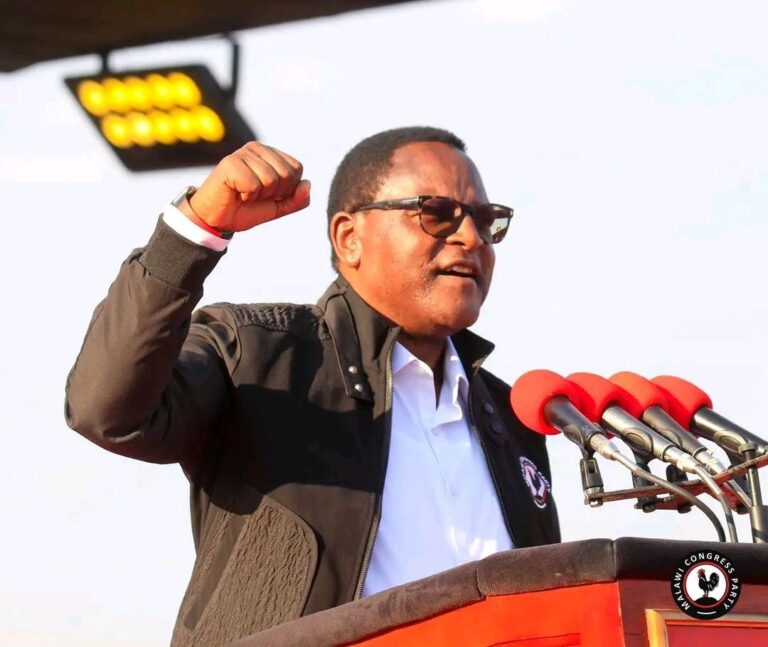
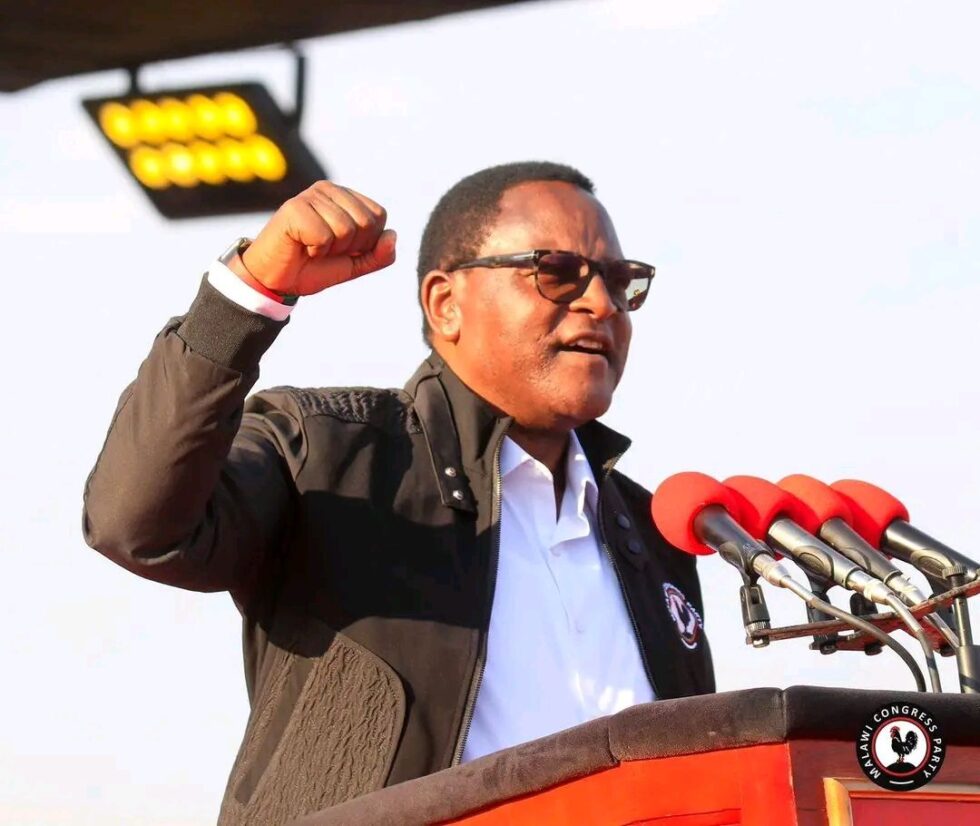
President Dr. Lazarus Chakwera, who is also the leader of the Malawi Congress Party (MCP), has today launched the party’s manifesto in the eastern region.
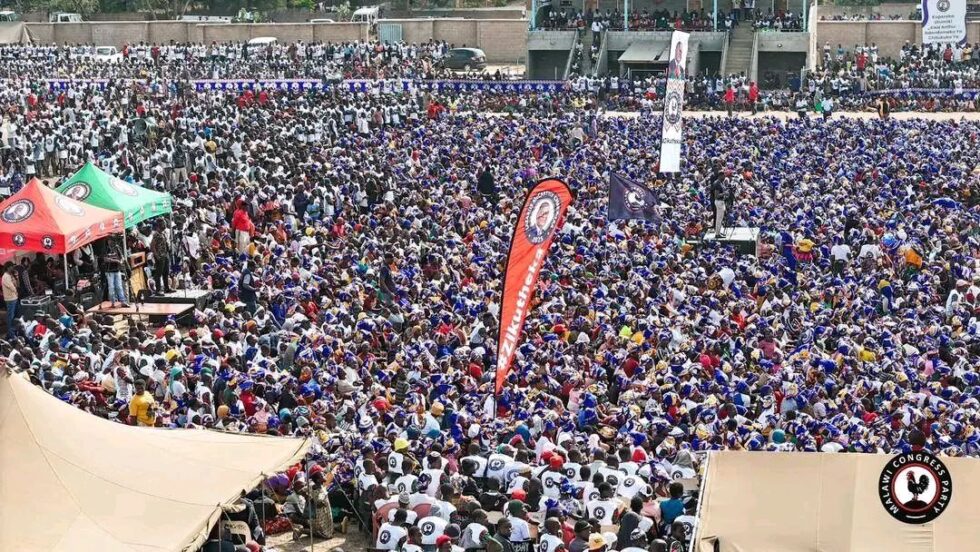
The event drew a significant crowd of party loyalists, regional delegates, and members of the public eager to hear the MCP’s plans ahead of the 2025 general elections.
Chakwera
The manifesto launch marks a key milestone in the party’s campaign trail as it sets out to secure another term in office.
In his address, President Chakwera emphasized the MCP’s commitment to development, unity, and economic transformation.
He outlined policy priorities such as infrastructure expansion, youth empowerment, public sector reforms, and improved access to health and education.
President Chakwera also took time to reflect on the progress his administration has made since assuming office in 2020 under the Tonse Alliance.
He called on Malawians to support continuity, arguing that sustainable transformation requires time, stability, and strong leadership.
The eastern region, traditionally seen as a battleground area, is expected to play a crucial role in determining the outcome of the next election.
MCP supporters in the region welcomed the launch with jubilation, chanting slogans and waving party flags as a sign of loyalty and renewed hope.
Several senior party officials accompanied the President, lending weight to the occasion and reinforcing the message of unity within the party ranks.
The manifesto launch is part of a broader strategy by MCP to re-engage with grassroots structures and respond to public concerns ahead of the 2025 polls.
Observers say the manifesto’s regional rollout signals a deliberate effort by the MCP to consolidate its presence in key political zones across the country.
As the race toward the elections intensifies, the contents of the MCP manifesto will likely be scrutinized for feasibility, clarity, and alignment with the nation’s priorities.
Whether the party’s vision resonates widely enough to deliver electoral victory remains to be seen, but today’s launch was undoubtedly a show of strength and intent by the ruling party.
In a show of solidarity and commitment to education development, Minister of Trade and Industry Vitumbiko Mumba has donated K5 million towards the construction of a modern computer laboratory and library at Katoto Islamic Secondary School in Mzuzu.
Speaking during the handover ceremony, Mumba said his gesture reflects government’s appreciation for the critical role that Islamic institutions play in supporting national development, especially in education.
Mumba
He emphasized that faith-based institutions have long been instrumental in complementing government efforts in shaping the country’s human capital.
The minister also took the opportunity to call for continued religious harmony in the region.
“Muslims in the Northern Region should continue coexisting peacefully with Christians and other religions. This is in line with President Lazarus Chakwera’s vision of promoting unity and tolerance across all sectors of society,” Mumba said.
The school’s deputy board chairperson, Daniel Hussein, hailed the minister’s support, noting that it will significantly ease the institution’s financial burden as it strives to improve learning conditions
. He added that the school remains committed to collaborating with government in uplifting education standards in Malawi.
Katoto Islamic Secondary School, one of the key Muslim-run learning institutions in the Northern Region, launched the K50 million infrastructure development project to address digital literacy gaps and provide students with a conducive learning environment.
The initiative is expected to enhance access to digital learning tools and reading materials, thereby improving academic performance and preparing students for future technological demands.