Airtel Malawi has been widely celebrated for its marketing prowess after securing four major awards at the 2025 Institute of Marketers in Malawi Marketing Excellence Awards.
The company’s Managing Director, Aashish Dutt, praised his team for their creativity and impactful campaigns that promote nationwide connectivity. He stated that the wins are a testament to Airtel’s commitment to connecting with Malawians through culture, technology, and meaningful innovation.
Airtel staff
The telecoms giant won the Outdoor Campaign of the Year for its ChezaFaya Combo Bundles. Its Airtel Top 8 campaign was a double winner, clinching both the Social Media Campaign of the Year and the overall Marketing Campaign of the Year awards.
In a significant individual achievement, Airtel Malawi’s Head of Brand and Communication was honored as the Marketer of the Year. This sweep of awards underscores the company’s dominant and effective marketing strategies within the national landscape.
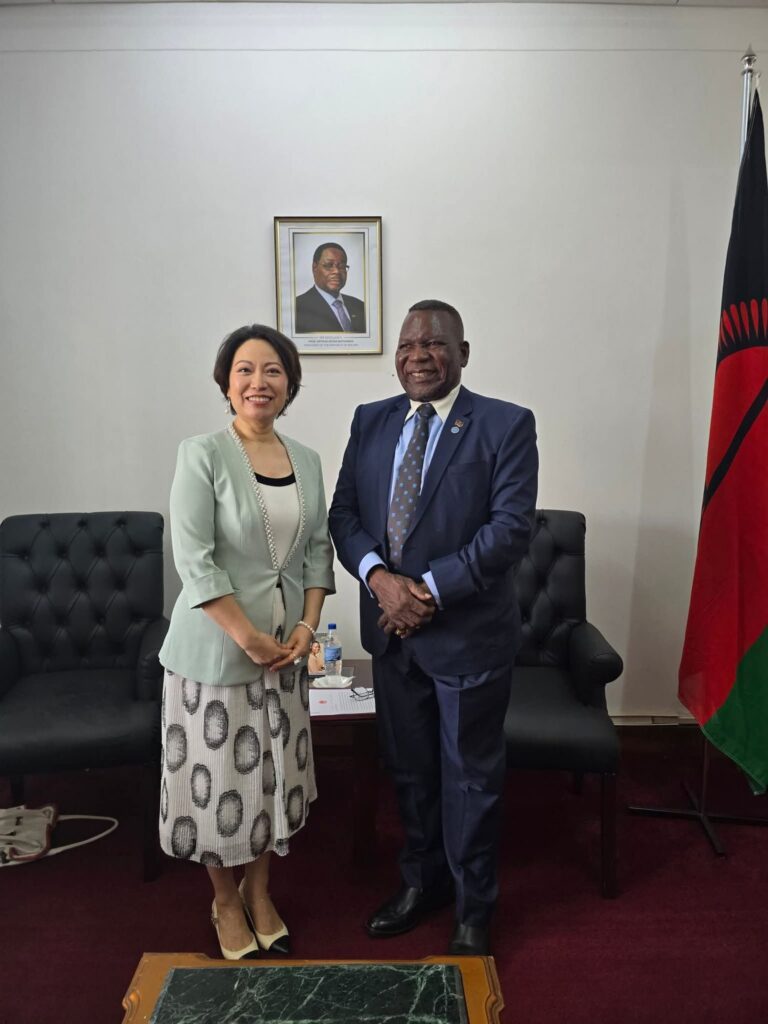
Malawian Foreign Minister George Chaponda has praised China’s continued support as a milestone in promoting the country’s development agenda and improving livelihoods.
He made these remarks while joining the Ambassador of the People’s Republic of China to Malawi, Lu Xu, at a reception celebrating the 76th anniversary of the founding of the People’s Republic of China. The event was held at the Chinese Embassy in Lilongwe.
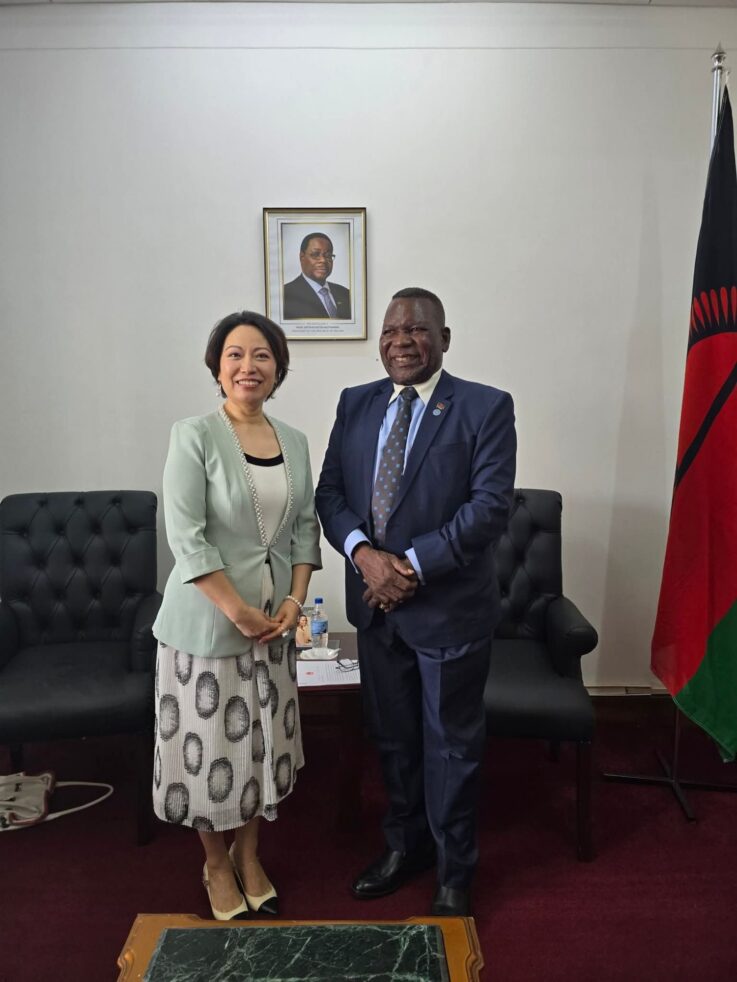
Chaponda and Lu Xu
Ambassador Lu Xu expressed optimism that Malawi and China will continue to draw tangible benefits from their diplomatic partnership. She highlighted China’s own transformation from a poor economy to a modern, multi-industrialized nation, suggesting this is a feat Malawi can also achieve. The ambassador stated that the anniversary celebration marks a milestone in promoting Malawi’s development through the sharing of Chinese experience.
The reaffirmation of ties follows recent Chinese aid, including a donation of rice and corn after an appeal from President Arthur Peter Mutharika. China’s cancellation of 20 million US dollars in Malawian debt is also noted as a measure that will help promote the country’s transformation agenda. Additionally, China has offered to facilitate fertilizer imports from its commercial suppliers at a favourable price.
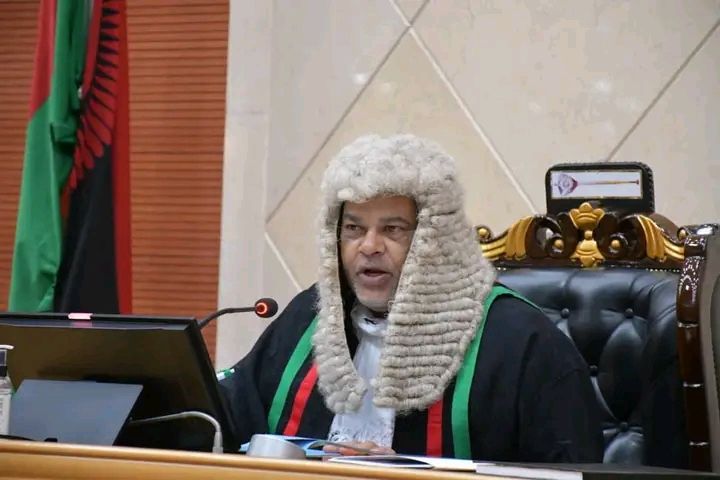
The swearing-in of Sameer Suleman as Speaker of Parliament marks a defining moment for Malawi’s democracy — one that carries both symbolic weight and practical implications for the country’s governanceFor years, the National Assembly has been criticized for its lack of independence and its perceived failure to hold the executive accountable, often succumbing to political manipulation and partisan interests.
Suleman’s elevation to the Speaker’s chair brings with it renewed optimism that the legislature can reclaim its rightful place as a pillar of democratic oversight and transparency.
Suleman
Known for his boldness, eloquence, and willingness to challenge authority, Suleman represents a new kind of parliamentary leadership that refuses to be intimidated by political pressures.
His previous role as a vocal legislator, particularly in debates involving economic governance, public accountability, and agricultural reforms, earned him respect across party lines — but also made him a target of political adversaries.
This makes his rise to the speakership all the more remarkable, as it reflects the growing demand among MPs and citizens alike for leadership that values integrity over political allegiance.
The Speaker’s position in any democracy is not just ceremonial; it is the moral compass of the legislature and a safeguard against abuse of power.
As such, Suleman’s greatest challenge will not merely be managing the day-to-day affairs of the House, but rather reshaping its culture — from one of political confrontation to one of principled deliberation.
He must demonstrate that Parliament is not an appendage of the ruling elite but a robust institution that serves the people of Malawi with independence, dignity, and efficiency.
The question that lingers in the minds of many Malawians is whether Suleman can rise above partisan loyalty, especially given his roots in the Democratic Progressive Party (DPP).
History has shown that Speakers often face immense pressure to favor their own parties, but true leadership lies in defying such expectations and standing for constitutional principles.
To build a stronger Parliament, Suleman will need to set new standards of impartiality — ensuring that both government and opposition members are treated fairly and that debates are guided by substance rather than emotion.
He must also restore discipline within the House, as disorderly conduct and political theatrics have often undermined serious policy discussions in previous sessions.
Furthermore, his leadership will be tested by how effectively he manages legislative oversight on public finances, corruption scandals, and executive accountability.
The country’s economic challenges — rising inflation, youth unemployment, and fiscal mismanagement — demand a Parliament that scrutinizes government policies rigorously and proposes sustainable alternatives.
Suleman’s commitment to transparency and procedural fairness could set a precedent for how future Speakers conduct themselves in a democracy still maturing 30 years after the 1994 transition.
However, the success of his tenure will not depend on him alone; it requires cooperation from MPs who must transcend partisan politics and prioritize the national interest.
The Speaker’s chair, as Suleman himself has rightly observed, belongs not to any political party but to the people of Malawi, whose voices are represented in the chambers of Parliament.
This philosophy must guide every ruling, every debate, and every decision that emanates from his leadership if the National Assembly is to regain public trust.
Beyond the political theater, Malawians want a Parliament that delivers — one that ensures that every kwacha in the national budget is accounted for, every policy is scrutinized, and every voice matters.
The stakes are high, particularly as the country heads toward the 2025 general elections, where questions of governance, corruption, and economic hardship will dominate the national agenda.
If Suleman can transform Parliament into a credible institution of checks and balances, his tenure may well go down as one of the most consequential in Malawi’s democratic history.
Conversely, if he allows the Speakership to become a tool for political maneuvering, his legacy will fade as just another missed opportunity in the long quest for reform.
Ultimately, Malawi’s democracy thrives not merely on elections but on the strength of its institutions — and Parliament stands at the heart of that equation.
Sameer Suleman’s Speakership offers a glimmer of hope that the National Assembly can once again become a beacon of accountability, unity, and progress.
His challenge now is to turn that hope into action, to move from symbolism to substance, and to prove that leadership in Parliament can indeed serve the people before it serves politics.
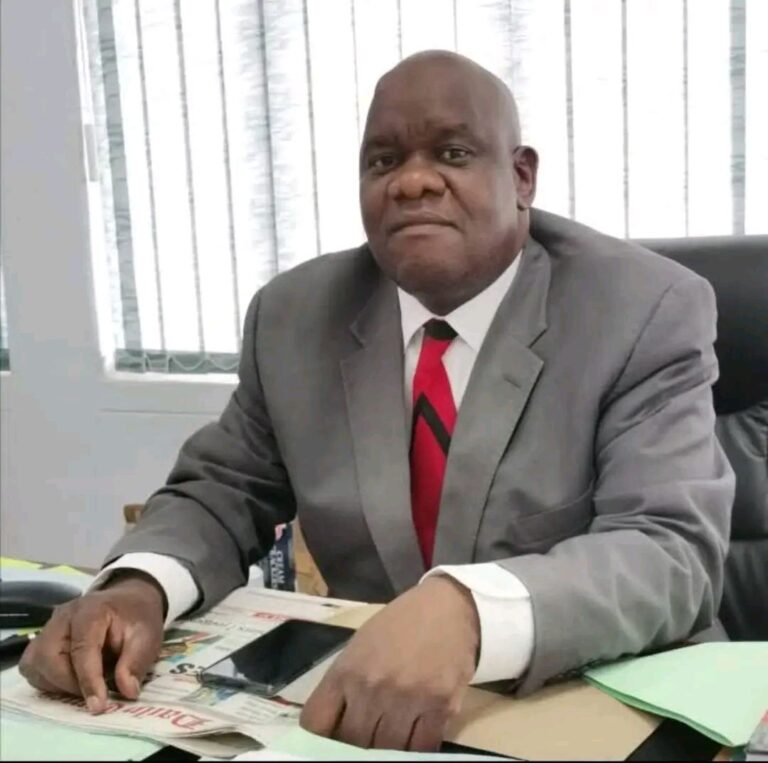
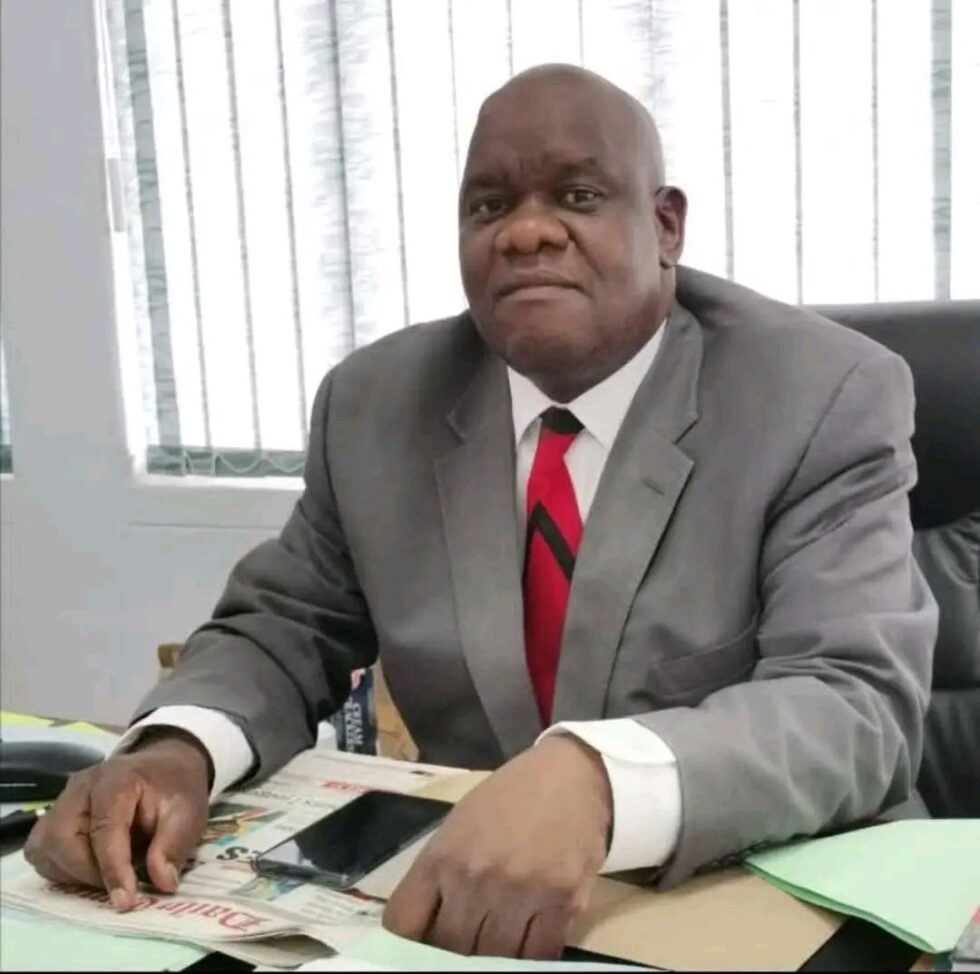
The newly appointed Principal Secretary for the Ministry of Lands, Wezi Kayira, has diedHe passed away last night at Partners In Hope Private Hospital in Lilongwe, leaving a legacy of public service spanning several decades.
Kayira previously served as the Director of Public Prosecutions from 2006 to 2010, a role in which he was instrumental in strengthening Malawi’s legal and judicial systems.
Following his tenure as DPP, he held the position of Principal Secretary for the Ministry of Labour and later in the Vice President’s office, demonstrating his versatility and commitment to public administration.
The Late Kayira
Throughout his career, Kayira was recognized for his dedication, professionalism, and integrity, earning respect across government ministries and among his colleagues in the civil service.
He hailed from Chitipa District, a region known for producing some of Malawi’s most influential public servants.
Kayira is survived by his wife and four children, who have received condolences from government officials, colleagues, and the broader Malawian public.
His death comes at a critical time, as he had recently been appointed to lead the Ministry of Lands, a position central to Malawi’s ongoing efforts in land management and policy reform.
Colleagues and friends describe him as a visionary leader whose commitment to public service went beyond bureaucratic duties, impacting communities and the legal landscape nationwide.
Government officials are expected to issue a formal statement of condolences, and arrangements for his burial are anticipated to follow customary and family protocols.
Malawians across the country have expressed shock and sadness at the sudden passing of a civil servant who dedicated his life to advancing governance, justice, and development in the nation.
His legacy will be remembered not only for the offices he held but also for the integrity and diligence with which he served the people of Malawi.
Germany has reaffirmed its commitment to empowering women entrepreneurs in the country by supporting women-led businesses through mentorship, access to finance, and business development opportunities under the Investing in Young Businesses in Africa (IYBA) – Women Entrepreneurship for Africa programme.
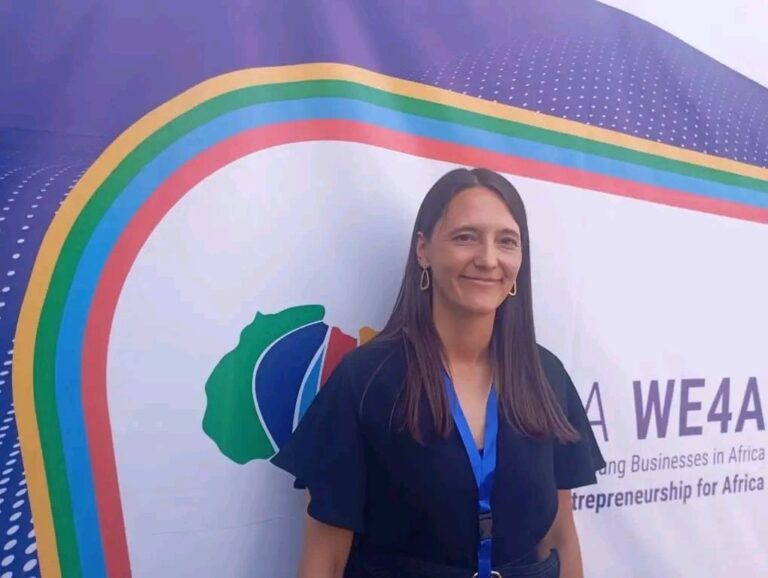
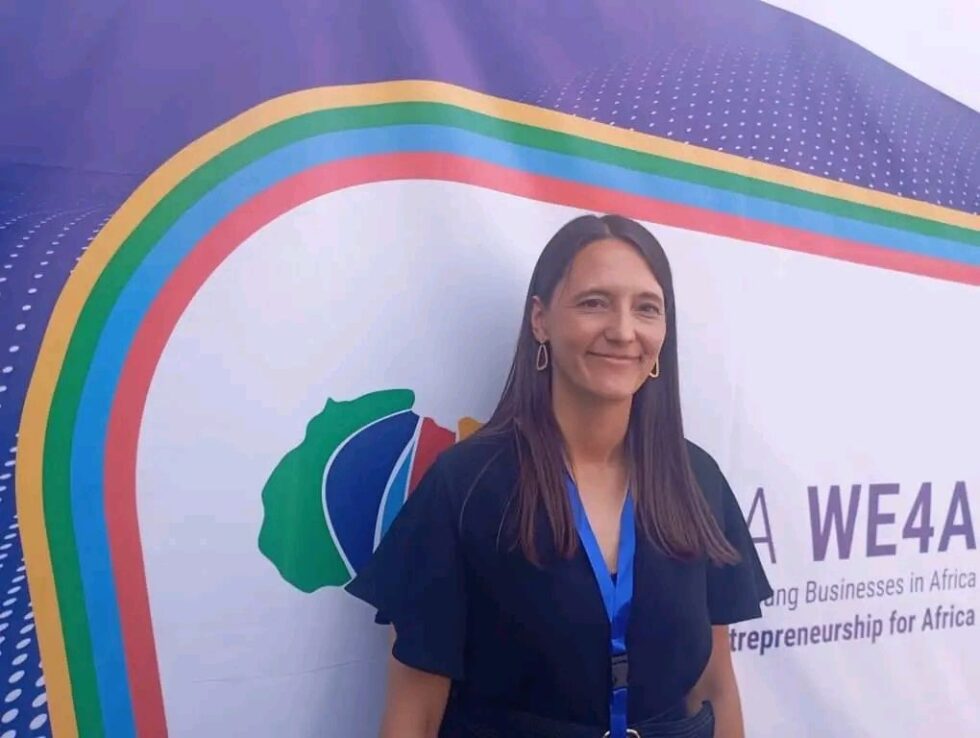
Rooney
Speaking during the programme’s launch in Lilongwe on Tuesday, GIZ Team Leader Theresa Rooney said the initiative aims to strengthen Entrepreneurial Support Organisations (ESOs) such as mHub and Umodzi Consulting, which provide gender-responsive and environmentally sustainable business services.
Rooney explained that the programme brings together over 500 participants including women entrepreneurs, ESOs, development partners, and government representatives to promote business resilience, facilitate access to finance, and foster green growth.
“We are investing in women because their businesses are key drivers of inclusive economic development and sustainable growth across Africa,” said Rooney.
On her part, Principal Enterprises Development Officer in the Ministry of Industrialisation, Business, Trade and Tourism,Lisbert Kumatso, applauded the initiative, describing it as a game-changer for Malawi’s women entrepreneurs.
“Through such incubation programmes, we expect to see more resilient women-led enterprises that can inspire others and contribute significantly to national development,” she said.
Kumatso added that the government continues to strengthen policies that promote women’s participation in business, citing the SME Order of 2020, which grants small and medium enterprises preferential treatment in public procurement.
The IYBA – Women Entrepreneurship for Africa programme is co-financed by the European Union, the Organisation of African, Caribbean and Pacific States (OACPS), and the German Federal Ministry for Economic Cooperation and Development (BMZ).
It is being implemented in Malawi, Mozambique, Cameroon, Kenya, Senegal, Tanzania, Togo, and Uganda.