Mighty Wanderers FC has announced a strong 30-player squad as they prepare to kick off their TNM Super League campaign against Blue Eagles FC this Sunday at Kamuzu Stadium in Blantyre.
The squad boasts a mix of experienced players and young talent, including three promotions from the reserve team.
The team’s coaching staff has expressed confidence in the squad’s ability to deliver results, despite some injury concerns.
Mpinganjira
Midfielder Wisdom Mpinganjira revealed that Gaddie Chirwa, Timothy Silwimba, Chimwemwe Nkhoma, and Thierry Tanjong Sama might miss the league opener due to injuries.
In other news, former midfielder Alfred Manyozo Jnr has stepped down as the team’s performance analyst to focus on his studies. Anstey Chinombo has taken over the role.
On the commercial front, Mighty Wanderers FC has announced the arrival of the first consignment of replica jerseys, with 12,000 units set to hit the market soon.
Brands and marketing manager Greyson Chapita revealed the news during a briefing at the Wanderers Club House.
Mighty Wanderers FC’s squad includes Goalkeepers are Vincent Mdoka, Richard Chipuwa, Chancy Mtete, and Dalitso Khungwa
Defenders are Masiya Manda, Stanley Sanudi, Timothy Silwimba, Emmanuel Nyirenda, Lawrence Chaziya, Peter Cholopi, Chimwemwe Nkhoma, Samson Banda, and Ahmad Kung’unde
While midfielders are Nanson Mbewe, Dan Kudonto, Felix Zulu, Blessings Singini, Isaac Kaliati, Wisdom Mpinganjira, Wallace Adam, Chifunilo Kamenya, Vitumbiko Kumwenda, Francisco Madinga, and Gaddie Chirwa
Strikers are Clement Nyondo, Thierry Tanjong Sama, Promise Kamwendo, and Blessings Mwalilino
The month of March 2025 was marked by significant news coverage on 247 Malawi, capturing political, economic, and social developments across the nation.
One of the most widely read articles was “Economic turmoil: Malawi’s inflation hits record high”.
Published on March 2, 2025, the article analyzed the rising cost of living, depreciating currency, and its impact on ordinary Malawians.
Experts weighed in on potential economic policies to curb inflation and stabilize the economy.
Another high-profile article was “Political showdown: MCP and DPP clash ahead of 2025 elections”.
Published on March 5, 2025, this piece explored the growing tensions between the ruling Malawi Congress Party (MCP) and the opposition Democratic Progressive Party (DPP).
It provided insights into campaign strategies, internal party conflicts, and the role of smaller parties in shaping the electoral race.
The governance sector was a major focus with the article “Government under fire for delayed civil servants’ salaries”.
Published on March 8, 2025, this article highlighted the frustration among public sector workers due to salary delays.
It featured reactions from affected employees, unions, and government officials.
A deeply concerning social issue was addressed in “Healthcare crisis: Shortage of essential drugs in public hospitals”.
Published on March 12, 2025, this article exposed the dire conditions in the healthcare sector, where hospitals were running out of critical medicines.
It called for immediate government intervention and accountability.
The education sector also made headlines with “University fees hike sparks student protests”.
Published on March 15, 2025, this piece covered nationwide demonstrations by university students opposing tuition increases.
It examined the government’s response and the broader implications for higher education accessibility.
Environmental concerns were highlighted in “Malawi’s climate change crisis: Deforestation and flooding worsen”.
Published on March 18, 2025, the article detailed how rapid deforestation was contributing to severe floods and environmental degradation.
It called for stronger enforcement of conservation laws.
The sports community was captivated by “Flames’ AFCON qualifier hopes hang by a thread”.
Published on March 21, 2025, this article analyzed Malawi’s national football team’s struggles in the African Cup of Nations (AFCON) qualifiers.
It discussed coaching tactics, player performance, and future prospects.
A major corruption exposé titled “Malawi’s corruption scandal: Officials named in multi-billion Kwacha fraud” made waves.
Published on March 24, 2025, the article revealed deep-rooted corruption within government departments.
It included investigative findings and public reactions demanding justice.
The country’s cultural heritage was also a subject of discussion in “Preserving Malawi’s traditions: The battle against cultural erosion”.
Published on March 27, 2025, this article explored the challenges of maintaining cultural identity in the face of modernization and globalization.
It featured perspectives from historians and cultural activists.
Rounding off the list was “Electricity woes: Power blackouts continue to frustrate businesses”.
Published on March 29, 2025, this article examined Malawi’s persistent energy crisis and its impact on industries and households.
It called for sustainable energy solutions and investment in renewable sources.
These ten articles provided a comprehensive overview of the major events and issues affecting Malawi in March 2025.
Through in-depth reporting and analysis, 247 Malawi continued to inform and engage the public on critical national matters.
As the country moves forward, more investigative pieces and thought-provoking stories are expected to shape future discussions.
The head of police in the country has stated that many police officers deployed to public demonstrations and gatherings are often young recruits who have just graduated from school.
These officers find it difficult to handle situations, especially when confronted with people carrying weapons such as machetes and other similar objects.
The police are often left with no choice but to watch as the situation escalates, unable to intervene effectively.
The police chief made these remarks during a session with the parliamentary committee, which had summoned him to explain why the police have been unable to prevent violence at such events.
Despite the escalating violence, the police are often seen merely observing the situation, without taking any substantial action to protect the public.
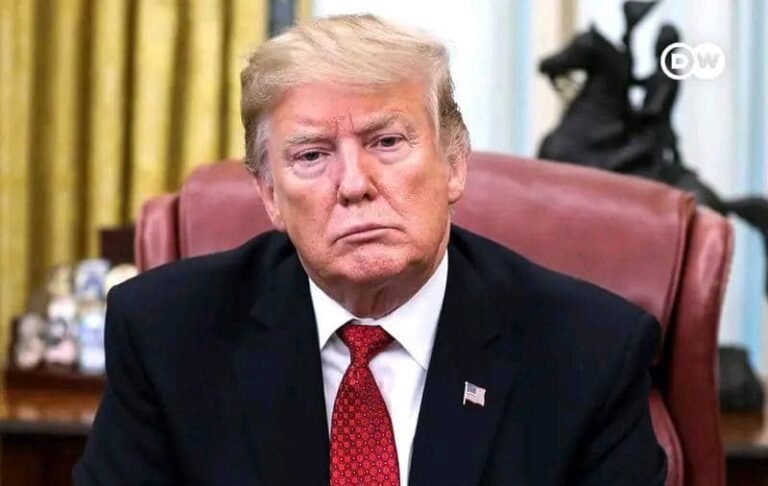
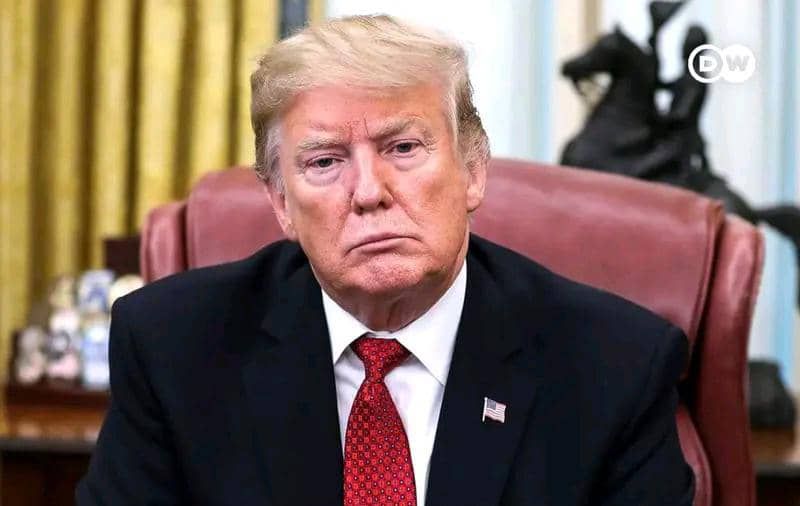
In a historic and controversial decision, US President Donald Trump has formally moved to dismantle the United States Agency for International Development (USAID), marking a significant shift in the country’s foreign aid strategy.
The agency, which has played a crucial role in providing billions of dollars in aid to millions of people across the globe, will soon cease operations, and its remaining employees will face termination.
Trump
The decision underscores Trump’s commitment to reshaping US foreign policy in alignment with his administration’s priorities.
Shortly after assuming office in January, President Trump wasted no time in signaling his intent to reevaluate America’s approach to international assistance.
He signed an executive order temporarily freezing US foreign aid for 90 days, an early indication of his skepticism toward the effectiveness of traditional aid programs.
His latest move to dismantle USAID follows a broader pattern of skepticism toward multilateral institutions and international development efforts.
USAID, established by Congress in 1961 during the presidency of John F. Kennedy, has long been a pillar of American foreign policy.
It has spearheaded humanitarian efforts in conflict zones, responded to natural disasters, and provided developmental support in impoverished regions worldwide.
Its initiatives have ranged from combating HIV/AIDS and malaria to promoting democracy and economic development in fragile states.
Over the decades, the agency has built a reputation for fostering global stability through diplomacy and development aid.
However, Trump’s administration has taken a different stance, questioning the efficiency and necessity of large-scale foreign aid.
Critics within the government argue that USAID’s programs often lack accountability, while proponents of the move believe that American taxpayers’ money should be prioritized for domestic issues rather than foreign aid.
The decision to dismantle USAID aligns with Trump’s broader “America First” agenda, which seeks to redirect funds from international commitments to national priorities.
The move has sparked widespread reactions from policymakers, development organizations, and foreign leaders.
Many warn that the absence of USAID could leave a vacuum in international development efforts, potentially exacerbating global poverty, humanitarian crises, and instability.
The agency’s contributions to disaster relief, healthcare, and food security programs have been widely acknowledged, and its dissolution raises concerns about who will fill the gap left by its departure.
On the domestic front, the termination of USAID employees has led to concerns about job losses and the future of American diplomatic influence abroad.
Many career diplomats and aid workers view the decision as a dismantling of a key soft power instrument that has historically advanced US foreign policy interests.
The loss of USAID could also weaken America’s ability to counteract the influence of rival powers, such as China and Russia, which have been increasing their development assistance programs in Africa, Asia, and Latin America.
Despite the backlash, the Trump administration remains firm in its position.
Officials argue that foreign aid can be streamlined through other channels, including direct assistance to select allies and international organizations that align with US strategic interests.
They contend that restructuring aid distribution will enhance efficiency and ensure that American funds are used in a manner that directly benefits US foreign policy goals.
As the world watches this unprecedented development unfold, the dismantling of USAID marks a pivotal moment in US foreign relations.
The implications of this decision will be felt for years to come, reshaping America’s role in international development and redefining the country’s approach to global engagement.
Whether this move will strengthen or weaken US influence on the world stage remains to be seen, but one thing is certain: Trump’s decision has ignited a debate that will shape the future of American foreign aid policy.
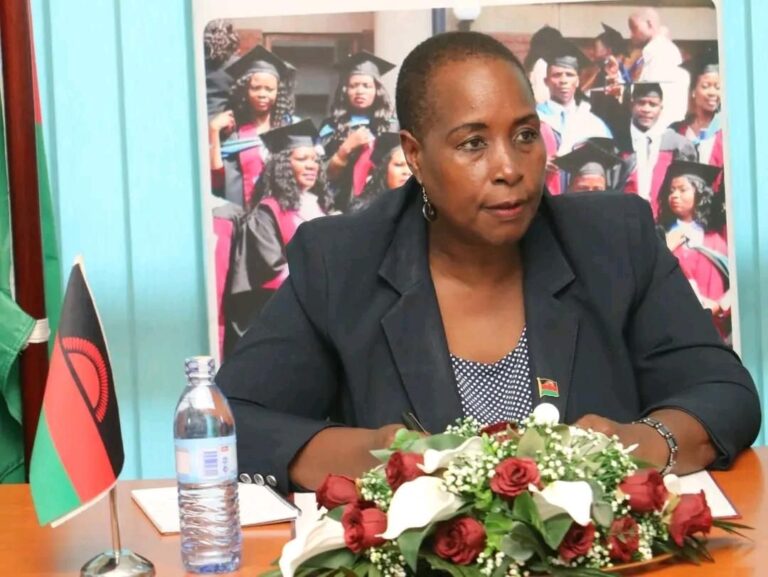
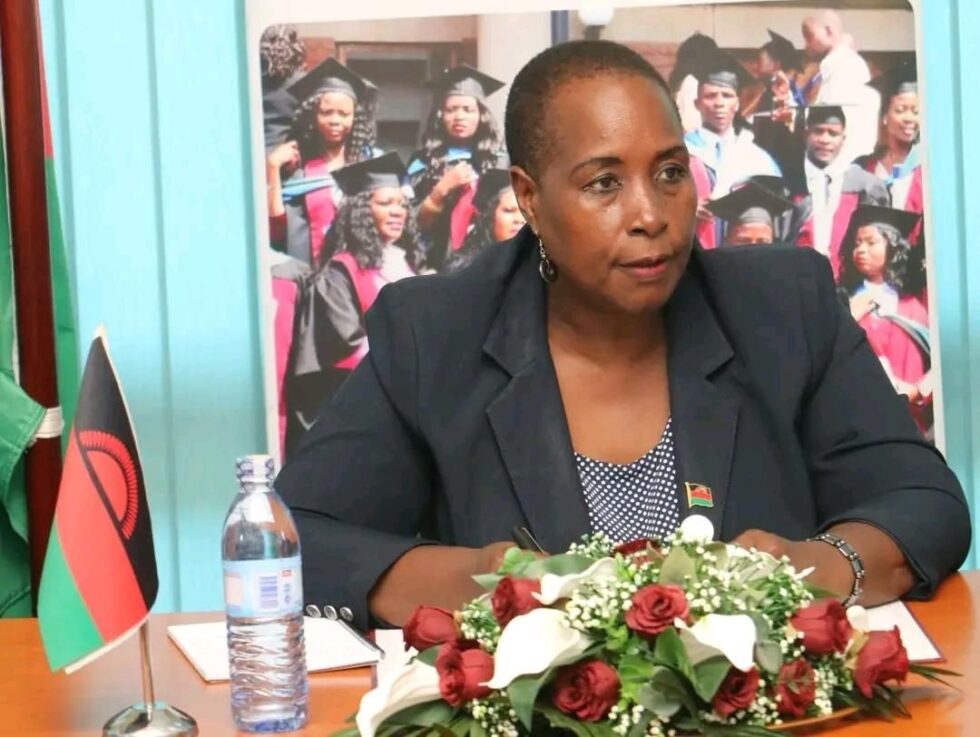
Minister of Higher Education Jessie Kabwila says the government is taking concrete steps to tackle the growing issue of honorary doctorates, degrees, and professorships to safeguard the country’s education standards.
The minister said this during a press briefing at Capital Hill in Lilongwe.
To achieve the goal,Kabwila said the National Council for Higher Education (NCHE) is developing a National Qualification Framework to standardize degrees and higher education qualifications
Kabwila
The minister added that a Higher Education bill is being drafted to introduce inspections in higher education institutions and clarify the legality of employing individuals with fake qualifications.
She stressed that honorary degrees should not be misused.
Said Kabwila:”If someone received an honorary degree, they must not be addressed as Doctor or Professor.”
The minister also highlighted recent actions taken against non-compliant institutions, including the de-registration of the African University of Diplomacy, Counseling and International Relations.
She then advised the public to follow proper guidelines on the award and use of honorary degrees, as published by NCHE.
On his part, NCHE Chief Executive Officer (CEO ) Ambumulire Phiri,reiterated the council’s commitment to registering and accrediting institutions that meet minimum standards, ensuring the quality of higher education in the country.