The Southern African Development Community Electoral Advisory Council (SEAC) has embarked on a pre-election assessment mission in Malawi to evaluate the country’s preparedness for the upcoming September elections.
As part of its stakeholder engagement efforts, SEAC held a meeting with journalists from various media houses to discuss the management of political and security issues leading up to the polls.
Led by Advocate Notemba TJipueja, the SEAC delegation emphasized that these meetings are a crucial component of their goodwill mission, which is conducted in all SADC countries preparing for elections.
The objective is to assess the Malawi Electoral Commission’s (MEC) readiness and identify areas that may require improvement.
During the meeting with journalists, discussions centered on the management of political tensions, party campaigns, and potential flashpoints that could impact the electoral process, as well as measures in place to ensure the safety and security of voters, candidates, and election officials.
TJipueja noted that after consulting with key stakeholders, including youth representatives, security agencies, and political parties, SEAC will compile its findings and provide recommendations to enhance the electoral process.
These stakeholders play a vital role in shaping the electoral landscape, and their input will be invaluable in informing SEAC’s assessment.
SEAC’s engagement with various stakeholders underscores the importance of collaborative efforts in ensuring credible and peaceful elections.
By soliciting views from a broad spectrum of society, SEAC aims to provide a comprehensive assessment of Malawi’s electoral preparedness.
The Malawi Electoral Commission (MEC) has been working to strengthen its capacity to deliver credible elections.
As the September elections draw near, the role of SEAC’s assessment mission becomes increasingly significant.
The recommendations arising from this mission will likely inform strategies to address potential challenges and improve the overall electoral process.
With SEAC’s assessment mission, Malawi is poised to take another step towards ensuring free, fair, and transparent elections.
The outcome of this mission will be closely watched by stakeholders, both locally and internationally, as the country heads towards a critical electoral milestone.
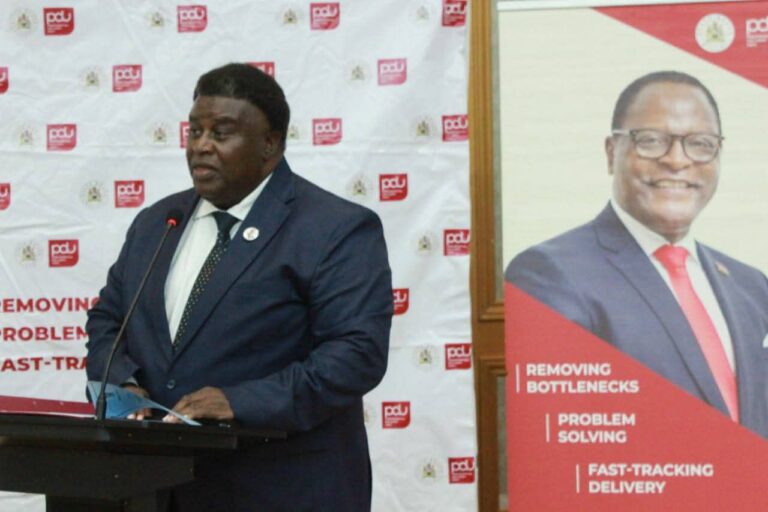
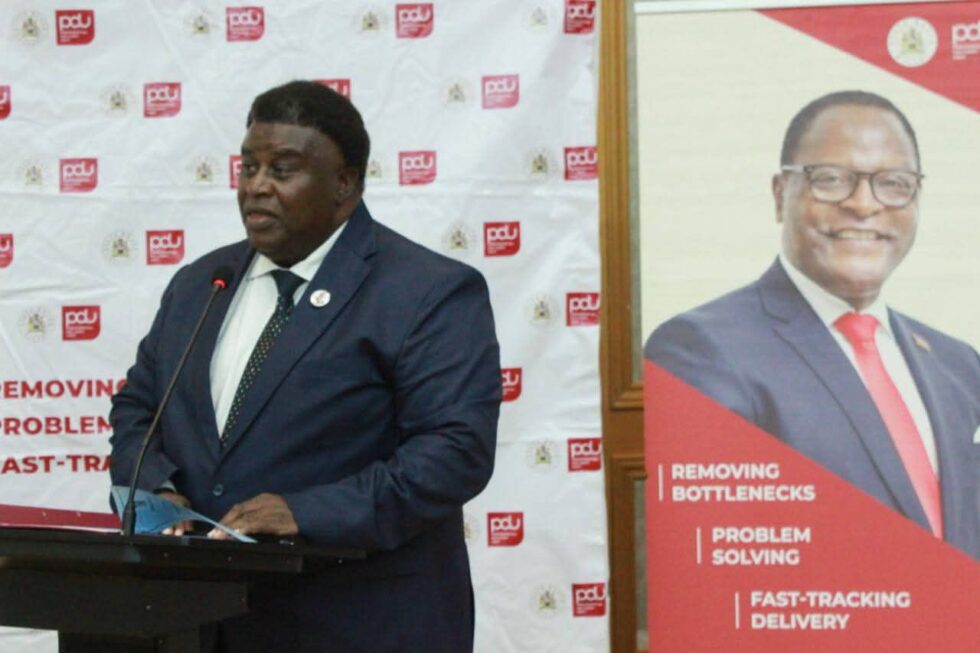
Vice President Dr. Michael Usi has emphasized the need for transparency in Malawi’s mining sector, highlighting its potential to unlock economic growth and propel the country into the middle-income bracket.
Dr. Usi made these remarks during the opening of the Presidential Delivery Unit’s Mining Lab in Lilongwe, a three-day meeting funded by the Government of Britain.
The meeting aims to bring together stakeholders to discuss the future of Malawi’s mining industry, exploring opportunities to improve the sector and ensure it benefits the entire nation, not just investors.
Dr Ken Zikhale Ng’oma
Minister of Mining, Ken Zikhale Ng’oma, described the mining sector as a game-changer for Malawi’s economy, expressing optimism that the meeting will yield positive outcomes.
“We believe that the mining sector can be a significant contributor to Malawi’s economic growth,” Dr. Usi said.
“However, for this to happen, we need to ensure transparency in mining processes across all mining sites,” he added.
The Vice President’s call for transparency is in line with his previous stance on promoting accountability in various sectors.
In a meeting with the National Economic Empowerment Fund (NEEF) members, Dr. Usi urged the organization to be transparent and accountable in its operations.
British High Commissioner to Malawi, Fiona Ritchie, reaffirmed the UK government’s commitment to supporting Malawi’s mining sector.
“We are pleased to be funding this meeting, which will provide a platform for stakeholders to discuss the future of Malawi’s mining industry,” she said.
The meeting is expected to explore ways to improve the mining sector, including increasing transparency and accountability, promoting local content, and ensuring that mining activities benefit local communities.
According to Dr. Usi, Malawi’s industrialization and the successful implementation of the Malawi 2063 strategy depend on the development of a robust economy, which the mining sector can significantly contribute to.
As Malawi strives to achieve its development goals, the mining sector is poised to play a crucial role.
With the right policies and practices in place, the sector can unlock opportunities for economic growth, create jobs, and improve the lives of Malawians.
The Presidential Delivery Unit’s Mining Lab provides a timely platform for stakeholders to discuss the challenges and opportunities in the mining sector.
By working together, Malawi can harness the potential of its mining industry to drive economic growth and development.
Dr. Usi’s call for transparency in the mining sector is a step in the right direction.
With the support of stakeholders, including the Government of Britain, Malawi can unlock the potential of its mining industry and propel the country towards economic growth and development
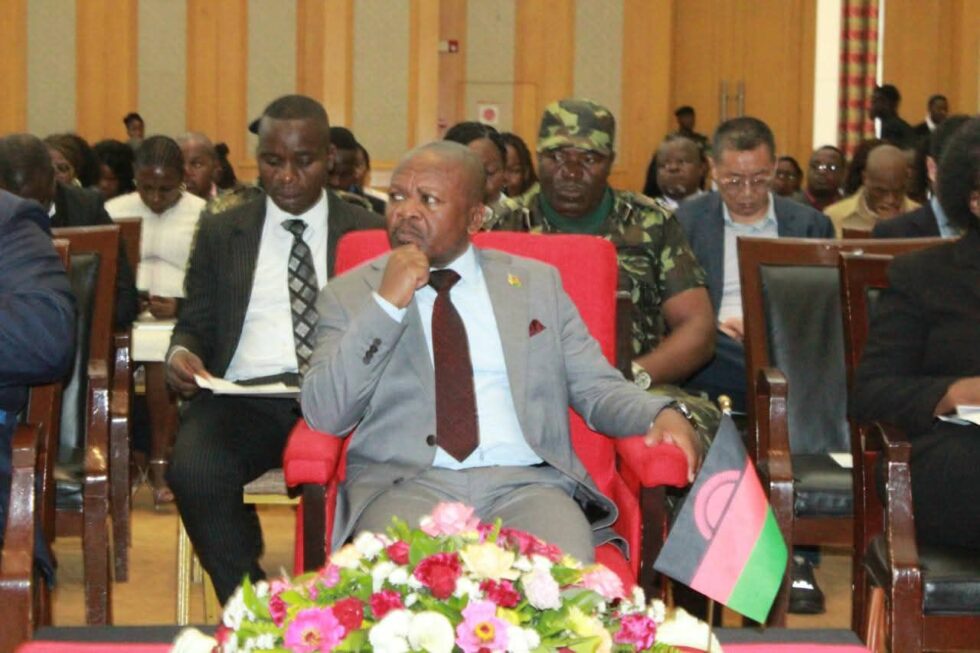
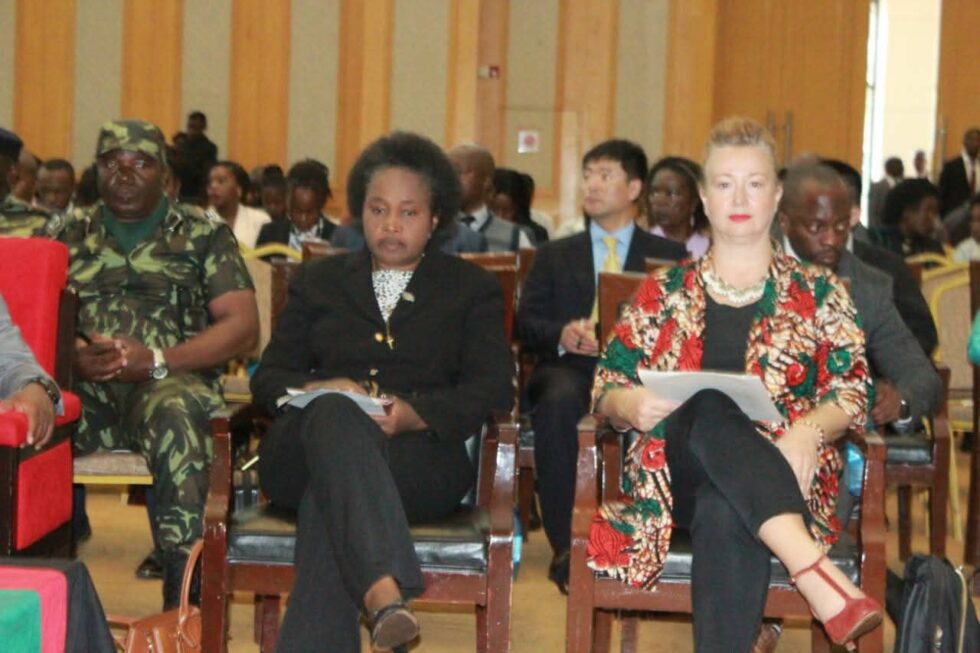
Vice President Usi in attendance Other dignitaries at the event
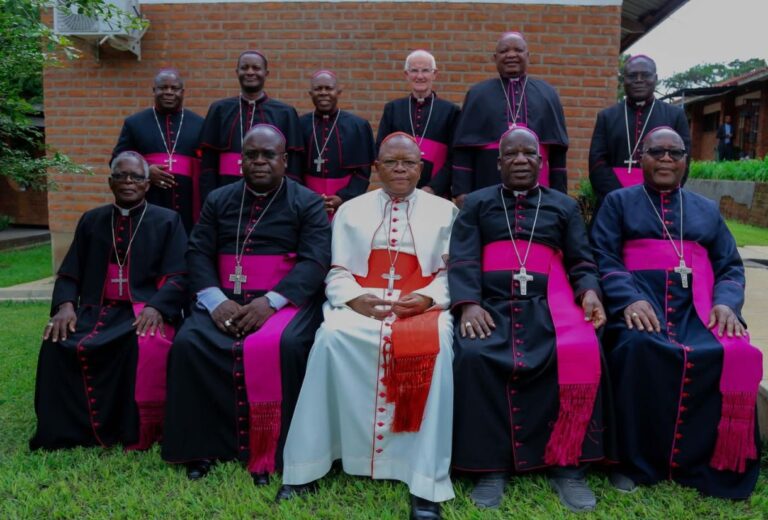
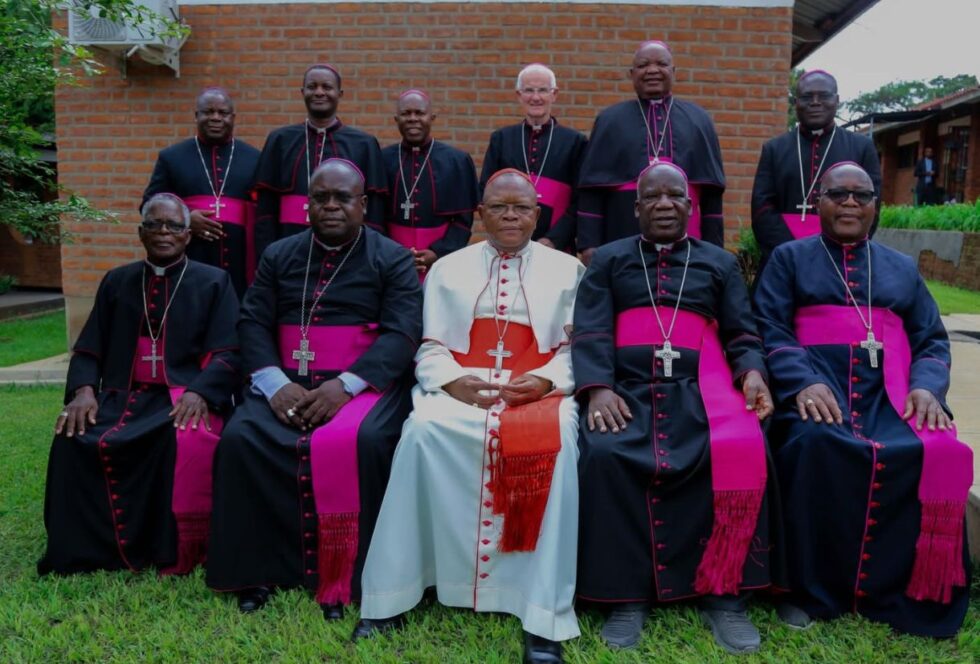
In Malawi, the Catholic Church has emerged as a significant player in the political landscape, often taking a stand against government policies and actions. This phenomenon raises important questions about the nature of religious engagement in politics, the historical context of the Catholic Church in Malawi, and the comparative silence of other religious groups, particularly the Muslim community. This analysis seeks to explore the reasons behind the Catholic Church’s active political involvement, the implications of its pastoral letters, and the broader context of religious engagement in governance in Malawi.
The Catholic Church in Malawi has a long-standing tradition of social teaching and moral advocacy, rooted in its theological framework that emphasizes the dignity of the human person, the common good, and the preferential option for the poor. These principles compel the Church to speak out against injustices and to hold the government accountable for its actions. The Church’s engagement in political discourse is not merely a reaction to specific events but is deeply embedded in its mission to promote social justice and moral integrity. This mission is articulated through pastoral letters, which serve as a platform for the bishops to address pressing social and political issues, often critiquing government policies that they perceive as detrimental to the welfare of the people.
One of the key reasons for the Catholic Church’s active political stance is its hierarchical structure, which allows for a unified voice on critical issues. The bishops, as leaders of the Church, are seen as moral authorities, and their pastoral letters carry significant weight in public discourse. This centralized leadership enables the Church to respond swiftly and decisively to political developments, making it a formidable force in advocating for social justice. In contrast, other religious groups, such as the Muslim community, may lack a similar hierarchical structure or may prioritize different aspects of their faith, leading to a more subdued political presence.
The historical context of the Catholic Church in Malawi also plays a crucial role in its political engagement. The Church has been a significant player in the country’s history, particularly during the struggle for independence and the subsequent fight against authoritarian regimes. The legacy of this involvement has shaped the Church’s identity as a defender of human rights and a voice for the marginalized. This historical backdrop provides a foundation for the Church’s current political activism, as it continues to advocate for democratic governance and social justice in a country that has faced numerous challenges, including corruption, poverty, and human rights abuses.
Moreover, the Catholic Church’s educational and health institutions have positioned it as a key player in the social fabric of Malawi. With a vast network of schools, hospitals, and community programs, the Church has established itself as a provider of essential services, earning the trust and respect of the population. This social capital enhances the Church’s credibility when it speaks out on political issues, as it is viewed as an institution that genuinely cares for the well-being of the people. The Church’s involvement in social services also allows it to gather firsthand information about the challenges faced by ordinary citizens, further informing its political stance.
In contrast, the Muslim community in Malawi has historically been less vocal in political matters. Several factors contribute to this relative silence. Firstly, the Muslim community is smaller in number compared to the Catholic population, which may limit its influence in the broader political discourse. Additionally, the Muslim community in Malawi has often focused on internal community issues, such as education and social welfare, rather than engaging directly with the political system. This inward focus may stem from a desire to maintain unity within the community and avoid potential divisions that could arise from political disagreements.
Furthermore, the Muslim community in Malawi may also be influenced by the broader socio-political context, where religious identity can be a sensitive issue. In a country where Christianity is the dominant religion, Muslims may feel marginalized or hesitant to engage in political discourse for fear of backlash or discrimination. This dynamic can create a climate of caution, where the community prioritizes its internal cohesion over external political engagement. As a result, the Muslim community has not developed a tradition of issuing public statements or letters that critique government actions, unlike the Catholic Church.
The Catholic Church’s willingness to engage in political discourse can also be attributed to its commitment to the principle of the common good. The Church teaches that the state has a moral obligation to promote the welfare of all its citizens, particularly the most vulnerable. When the government fails to uphold this responsibility, the Church feels compelled to intervene and advocate for change. This moral imperative is reflected in the pastoral letters issued by the bishops, which often highlight issues such as corruption, human rights abuses, and social inequality. By addressing these issues, the Church seeks to hold the government accountable and encourage a more just and equitable society.
The impact of the Catholic Church’s political engagement is evident in the public response to its pastoral letters. These letters often resonate with the population, as they articulate the frustrations and concerns of ordinary citizens. The Church’s moral authority lends credibility to its critiques, and many people view the bishops as champions of social justice. This connection between the Church and the people reinforces the Church’s role as a key player in the political landscape, as it mobilizes public opinion and encourages civic engagement.
However, the Catholic Church’s political involvement is not without challenges. The Church faces criticism from various quarters, including government officials who may perceive its critiques as interference in state affairs. Additionally, there are concerns about the potential for politicization of the Church, where its moral authority could be undermined by perceived partisan alignment. The Church must navigate these challenges carefully, balancing its prophetic voice with the need to maintain its credibility and integrity as a religious institution.
In conclusion, the Catholic Church’s active engagement in political discourse in Malawi is rooted in its theological principles, historical context, and social mission. The Church’s hierarchical structure and established credibility as a provider of social services enable it to speak out on critical issues and hold the government accountable. In contrast, the relative silence of the Muslim community can be attributed to its smaller size, internal focus, and the socio-political dynamics of the country. As Malawi continues to grapple with challenges related to governance and social justice, the role of the Catholic Church as a moral voice in the political arena remains crucial. Its pastoral letters serve not only as critiques of government actions but also as calls to action for the entire society, urging a collective commitment to the common good and the promotion of human dignity. The ongoing dialogue between faith and politics in Malawi will undoubtedly shape the future of the nation, as religious institutions continue to navigate their roles in an ever-evolving political landscape.
The Agricultural Development and Marketing Corporation (ADMARC) is set to earn over $800,000 (approximately K1.4 billion) from the export of 123 metric tonnes of cotton lint to Switzerland.
This development is expected to significantly contribute to the country’s foreign exchange needs.
The export earnings were revealed during a media engagement at ADMARC’s Ngabu Ginnery division in Chikwawa District.
According to Lovemore Mwantis, the division’s manager, the cotton lint is being exported to Switzerland, a country that has shown interest in Malawi’s cotton.
Malawi’s cotton is in high demand in several countries, including France, Switzerland, Bangladesh, and Brazil.
However, Mwantis noted that the 123 metric tonnes being exported to Switzerland is lower than the demand for the country’s cotton in these markets.
ADMARC has three cotton ginneries, namely Karonga, Balaka, and Ngabu, each with a 50,000 metric tonne capacity of unprocessed cotton. However, due to low production levels, only the Ngabu ginnery is currently operational.
The earnings from the cotton exports will contribute to the country’s foreign exchange reserves, which are essential for importing goods and services.
The export of cotton is one of the ways Malawi can earn foreign exchange, and ADMARC’s efforts in this regard are commendable.
The cotton industry in Malawi has the potential to grow, but it faces several challenges, including low production levels and limited access to markets.
ADMARC’s efforts to export cotton to countries such as Switzerland are a step in the right direction, and the corporation needs to continue exploring ways to increase production and access new markets.
The government and other stakeholders also need to support the cotton industry by providing farmers with access to inputs, extension services, and market information. This will help to increase production levels and improve the livelihoods of farmers who depend on cotton as a cash crop.
ADMARC’s cotton export earnings will contribute significantly to the country’s foreign exchange needs.
The corporation needs to continue exploring ways to increase production and access new markets to maximize the benefits of cotton exports.
With the right support and investments, the cotton industry in Malawi can grow and contribute to the country’s economic development.
The earnings from the cotton exports are a positive development for the country’s economy, and it is essential for ADMARC to continue working towards increasing production levels and exploring new markets for Malawi’s cotton.
By doing so, the corporation can help to improve the livelihoods of farmers and contribute to the country’s economic growth.
As the country continues to promote its cotton industry, it is essential to address the challenges that farmers and the industry face.
This includes providing support to farmers, improving infrastructure, and promoting market access.
By working together, Malawi can maximize the benefits of its cotton industry and contribute to the country’s economic development.