Burkina Faso has introduced a pioneering prison reform program that prioritizes rehabilitation, agricultural development, and restorative justice.
According to the new criminal law, prisoners and those awaiting sentences can work in agriculture, with a remarkable incentive: a month of work equals a three-month reduction in sentence.
This innovative approach is the brainchild of Interim President Ibrahim Traoré, who emphasized that Burkina Faso’s laws must reflect African values. “From today, our prisoners will be working in our agricultural sector while their sentences are reduced,” Traoré announced.
This bold initiative marks a significant departure from the traditional punitive punishment and rehabilitation methods that have been criticized for being ineffective and counterproductive.
Under the new program, prisoners will have the opportunity to work in agriculture, gaining valuable skills and experience that will aid in their rehabilitation and reintegration into society.
This approach not only prioritizes rehabilitation but also addresses the country’s agricultural development needs.
By leveraging the labor of prisoners, Burkina Faso can increase agricultural production, reduce food insecurity, and promote economic growth.
Traoré’s comments also highlighted the need for African nations to move away from colonial-era punitive punishment and rehabilitation methods.
“Most African nations are still using the colonial punitive punishment and rehabilitation methods that African slaves were subjected to by colonial masters,” he noted.
This sentiment echoes the growing calls for African nations to decolonize their justice systems and adopt more restorative and rehabilitative approaches.
The implementation of this program is a significant step towards achieving these goals.
By prioritizing rehabilitation and restorative justice, Burkina Faso is setting a positive example for other African nations to follow.
As the country continues to navigate its transition to constitutional rule, this innovative approach to prison reform offers a beacon of hope for a more just and equitable society.
Burkina Faso’s pioneering prison reform program is a groundbreaking initiative that prioritizes rehabilitation, agricultural development, and restorative justice.
As the country continues to implement this program, it is essential to monitor its progress and assess its effectiveness in achieving its goals. Nevertheless, this bold initiative marks a significant step towards creating a more just and equitable society in Burkina Faso.
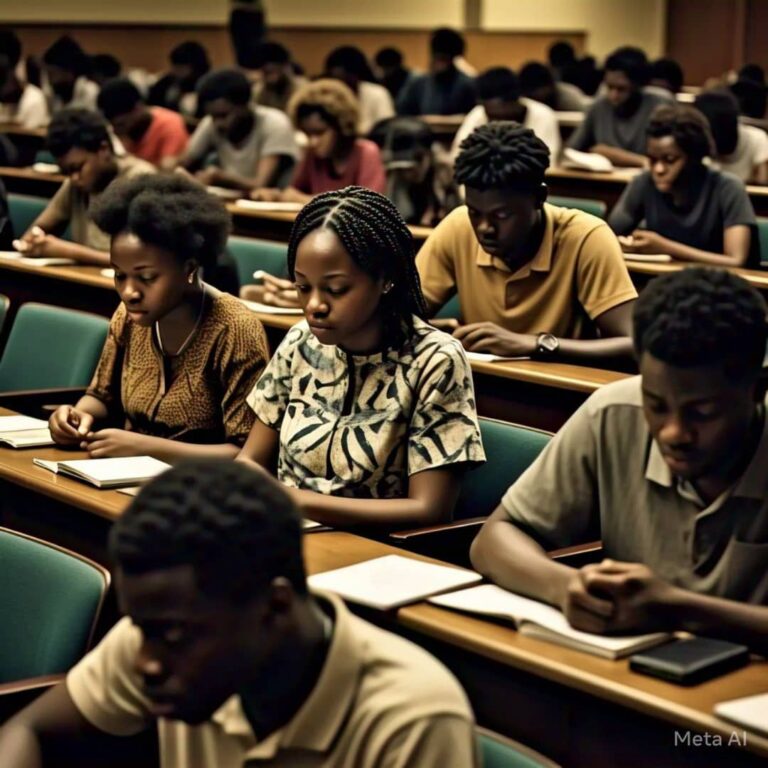
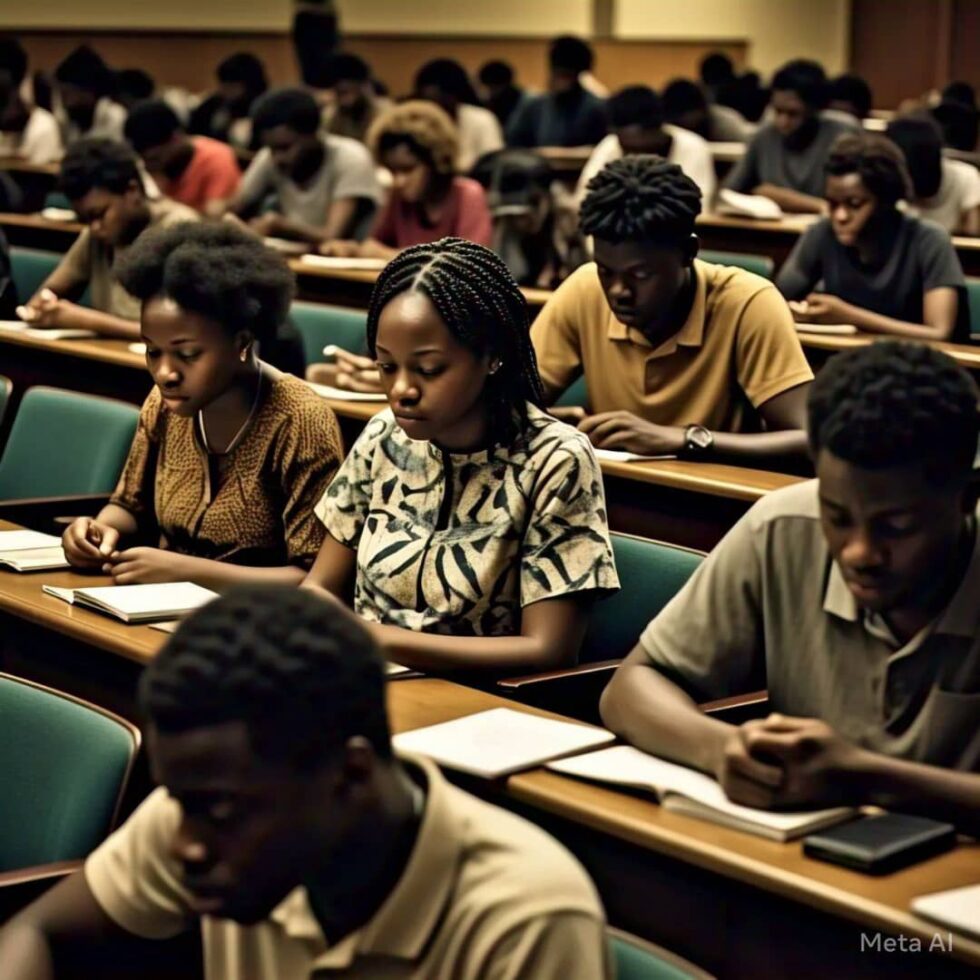
The recent decision by the University of Malawi to expel 24 students for academic misconduct is a harsh and inconsiderate measure that prioritizes punishment over rehabilitation, effectively jeopardizing the students’ future prospects.
Rather than upholding the institution’s integrity, this draconian response exposes the university’s failures in handling cases of academic misconduct, raising concerns about the fairness, proportionality, and long-term consequences of such a severe penalty.
While academic integrity is undeniably crucial in maintaining the standards of education, the university’s response raises questions about fairness, proportionality, and the potential long-term consequences for the students involved.
The expulsion of these students, particularly in light of the reasons cited—unreported collaboration during tests, plagiarism, and cheating during practical tests—seems excessively punitive and fails to consider the broader context of their actions.
Academic institutions are meant to be places of learning, growth, and development.
They should foster an environment where students can learn from their mistakes rather than face irrevocable consequences that could derail their educational and professional futures.
The decision to expel these students not only disregards the potential for rehabilitation but also sends a chilling message to the student body about the university’s approach to academic integrity.
Firstly, it is essential to recognize that the reasons for expulsion—unreported collaboration, plagiarism, and cheating—are serious offenses that warrant attention.
However, the university’s response appears to lack a nuanced understanding of the circumstances surrounding these actions.
In many cases, students may resort to dishonest practices due to a variety of pressures, including academic stress, lack of preparation, or even a misunderstanding of what constitutes acceptable collaboration.
Instead of expulsion, the university could have opted for a more educational approach, such as providing counseling or academic support to help students understand the importance of integrity and the consequences of their actions.
Moreover, the expulsion of these students raises concerns about equity and fairness.
Not all students who engage in academic misconduct do so with the same intent or understanding.
Some may have acted out of desperation, while others may have been unaware of the rules governing collaboration and plagiarism. A blanket punishment of expulsion fails to take into account the individual circumstances of each case.
A more equitable approach would involve a thorough investigation into each student’s actions, allowing for a range of consequences that reflect the severity of the misconduct and the intent behind it.
An alternative to expulsion could involve disqualifying the specific paper or test in which the misconduct occurred, coupled with a requirement for the students to repeat the course.
This approach would serve as a clear message that academic dishonesty is unacceptable while also providing students with an opportunity to learn from their mistakes and continue their education.
By allowing students to retake the course, the university would be acknowledging that mistakes can be part of the learning process and that students can grow and improve when given the chance.
Additionally, the university could implement educational programs focused on academic integrity, emphasizing the importance of honesty in academic work and the skills necessary to succeed without resorting to dishonest practices.
Workshops on time management, study skills, and understanding academic policies could help prevent future incidents of misconduct.
By investing in the development of students’ skills and understanding, the university would be fostering a culture of integrity rather than one of fear and punishment.
The decision to expel these students also raises questions about the university’s commitment to its mission of education and personal development.
Higher education institutions are tasked with preparing students for the challenges of the real world, which often includes making mistakes and learning from them.
By opting for expulsion, the university is effectively closing the door on these students’ educational journeys, potentially limiting their future opportunities and contributing to a cycle of disadvantage.
Furthermore, the impact of such a decision extends beyond the individual students involved.
It creates a culture of fear among the student body, where the fear of severe punishment may lead to increased anxiety and stress. Students may feel compelled to hide their struggles rather than seek help, fearing that any misstep could result in expulsion.
This environment is counterproductive to the goals of education, which should prioritize learning, growth, and support.
In addition to the emotional and psychological toll on the students, the university’s decision could have broader implications for its reputation.
Institutions that are perceived as excessively punitive may deter prospective students who are seeking a supportive and nurturing educational environment.
The university risks alienating its student body and creating a culture of distrust between students and administration.
A more balanced approach to academic misconduct could enhance the university’s reputation as a place that values education and personal development over punishment.
It is also worth considering the potential long-term consequences of expulsion for the students involved. For many, the university experience is a critical period of personal and professional development.
Being expelled can have lasting effects on a student’s self-esteem, mental health, and future career prospects.
Many employers value resilience and the ability to learn from mistakes, and a record of expulsion may overshadow the positive attributes that these students possess.
By allowing students to remain enrolled and learn from their mistakes, the university would be supporting their growth and development as individuals.
In conclusion, while the University of Malawi’s commitment to academic integrity is commendable, the decision to expel 24 students for academic misconduct is a misguided approach that fails to consider the complexities of the situation.
A more balanced and fair response would involve disqualifying the specific papers or tests in which misconduct occurred and requiring students to repeat the courses. This approach would not only uphold the standards of academic integrity but also provide students with the opportunity to learn from their mistakes and continue their education.
The university has a responsibility to foster an environment that encourages learning, growth, and support, rather than one that instills fear and punishment. By prioritizing education over expulsion, the University of Malawi can demonstrate its commitment to the development of its students and the values of integrity and resilience that are essential for success in both academic and professional pursuits.
Africa’s political landscape has been shaped by a handful of leaders who have managed to maintain their grip on power for decades.
These individuals have overseen significant events, made pivotal decisions, and left an indelible mark on their respective countries.
However, their extended tenures have also raised concerns about democracy, human rights, and the concentration of power.
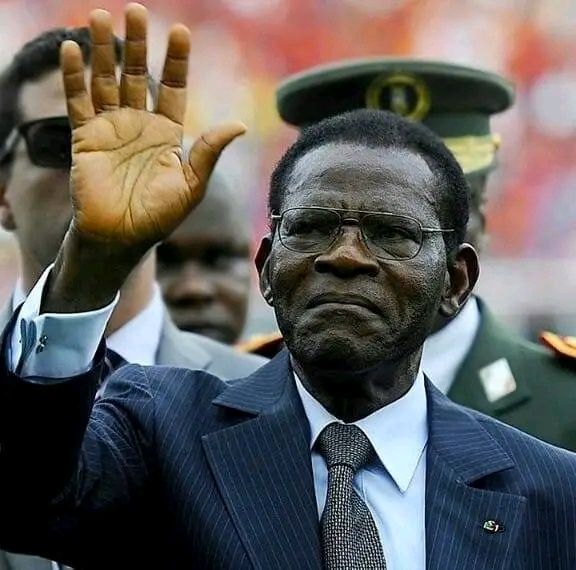
At the top of the list is Teodoro Obiang Nguema Mbasogo, who has ruled Equatorial Guinea for an impressive 46 years.
Obiang
Since seizing power in 1979, Obiang has become one of the longest-serving heads of state in the world. His presidency has been marked by allegations of human rights abuses, electoral fraud, and the suppression of political opposition.
Paul Biya, Cameroon’s president since 1982, is another long-serving leader who has maintained his position for 43 years.
Biya’s tenure has been marred by controversy, including allegations of electoral manipulation and human rights abuses.
Despite these concerns, Biya remains one of the most enduring figures in African politics.
Yoweri Museveni, Uganda’s president since 1986, has been in power for an impressive 39 years.
Museveni’s presidency has been marked by significant economic growth and development, but also by allegations of human rights abuses and electoral manipulation.
Other long-serving African presidents include Isaias Afwerki of Eritrea (34 years), Denis Sassou Nguesso of the Republic of the Congo (41 years), and Ismail Omar Guelleh of Djibouti (26 years).
These leaders have managed to maintain their positions through a combination of constitutional changes, electoral manipulation, and the suppression of political opposition.
The legacy of these long-serving presidents is complex and multifaceted.
On the one hand, they have overseen significant economic growth and development in their respective countries.
On the other hand, their extended tenures have raised concerns about democracy, human rights, and the concentration of power.
Museveni
Critics argue that these leaders have used their positions to entrench themselves in power, often at the expense of their citizens’ rights and freedoms.
They point to allegations of electoral manipulation, human rights abuses, and the suppression of political opposition as evidence of their authoritarian tendencies.
Supporters, on the other hand, argue that these leaders have brought stability and continuity to their respective countries.
They point to significant economic growth and development, as well as improvements in healthcare and education, as evidence of their effectiveness.
Ultimately, the legacy of Africa’s longest-serving presidents will depend on how their tenures are evaluated by history.
Will they be remembered as visionary leaders who brought prosperity and stability to their countries, or as authoritarian figures who suppressed democracy and human rights?
As the continent continues to evolve and grow, it is essential to reflect on the lessons of the past.
What can be learned from the experiences of Africa’s longest-serving presidents? How can their successes and failures inform the development of more effective and democratic leadership in the future?
These are questions that will continue to shape the debate about leadership and governance in Africa.
As the continent moves forward, it is essential to prioritize democracy, human rights, and the rule of law.
Only by doing so can Africa’s leaders ensure that their tenures are marked by prosperity, stability, and the well-being of their citizens.
Lawyer Gift-Dick Chimowa has withdrawn from representing human rights lawyer Alexius Kamangila in a high-profile case involving allegations of corruption against Justice Kenan Manda of the High Court (Commercial Division).
Chimowa’s decision comes after he claimed to have received threats to his life and property, which he believes are linked to his involvement in the case.
According to Chimowa, the threats began on February 12, 2025, when unknown individuals followed him after a mediation session at the High Court in Lilongwe. He alleges that a black saloon vehicle trailed him through the city’s roads, leaving him feeling vulnerable and intimidated.
The situation escalated two days later, on February 14, 2025, when Chimowa’s vehicle was broken into in Blantyre, resulting in the theft of his laptop and court documents.
Chimowa has since reported the incidents to the police, but no official comment has been made on the matter.
Fearing for his safety, Chimowa has written to the Malawi Law Society (MLS) and the High Court, informing them of his decision to withdraw from the case.
The case in question involves allegations of corruption made by Kamangila against Justice Kenan Manda.
Kamangila has been vocal about his criticisms of the judiciary, estimating that at least 10% of judiciary staff, including judges and court personnel, engage in corrupt practices.
The High Court has since issued an injunction against Kamangila, prohibiting him from making further allegations against Justice Manda.
Chimowa’s withdrawal from the case raises concerns about the safety and security of lawyers and human rights advocates in Malawi.
The incident highlights the challenges faced by those who dare to speak out against corruption and injustice in the country.
As the case continues to unfold, many are left wondering about the implications of Chimowa’s withdrawal and the impact it will have on Kamangila’s fight against corruption.
One thing is certain, however: the need for a safe and secure environment for lawyers and human rights advocates to operate without fear of intimidation or reprisal.
The Organization for Sustainable Socio-Economic Development Initiative (OSSEDI) and En ergy Africa have teamed up to implement “Improved cook stoves, Health families-Mbaula zamakono, Banja la thanzi project,” in Dowa district responding to the Government SDG7 Compact “inefficient cooking practices result in negative impacts for climate, environment and human health.
OSSEDI and Energy Africa sourced resources from Futures Incorporation, a Japanese based organization to pilot an improved cook stove project in the areas of Traditional Authorities Kayembe, Dzoole and Chiwere in Dowa district.
The two organizations have been implementing the project in the district between August and November, 2024 OSSEDI in T/A Kayembe and Energy Africa in T/A Dzoole and Chiwere addressing the felt need amongst women and girls who spend a lot of time looking and collecting firewood especially in degraded areas.
Updating the District executive committee (Dec) in Dowa, OSSEDI Malawi Programs Manager Masauko Mthunzi, said the project was aimed at reducing wood consumption for cooking thereby curbing deforestation and improving health by providing cleaner, efficient cooking solutions.
Mthunzi said the project made some remarkable progress such as community facilitators trained in brick moulding furnace construction and metal parts installation which saw 500 improved cook stoves moulded in the areas of 3 T/As.
He said the baseline survey on fuel mix and feasibility study was conducted for the deployment of the improved cook stoves and local stakeholder’s consultations were made following gold standards as well as installation of internet of things (IOT) devise in selected households for monitoring usage.
However, Mthunzi said beside the project registering remarkable progress, it made some challenges such as stealing of metal bars for sale, slow adoption due to fear of the pots being damaged due to overheating and some kitchen do not have doors and proper roofs for safety.
Going forward, Mthunzi said the project will reach out to 63,000 households in the areas of the 3 T/As, constructing one stove per household instead of two stoves per household to increase reach and establish an ongoing monitoring of stove usage through selected community members, installation of IOT, among others. “Fear of the pots being damaged due to over-heating and some kitchen do not have doors and proper roofs for safety,” he said.
Going forward, Mthunzi said the project will reach out to 63,000 households in the areas of the 3 T/As, construct one stove per hour, instead of 2 stoves per hour to increase reach and establish an ongoing monitoring of stove usage through selected community members, among others.