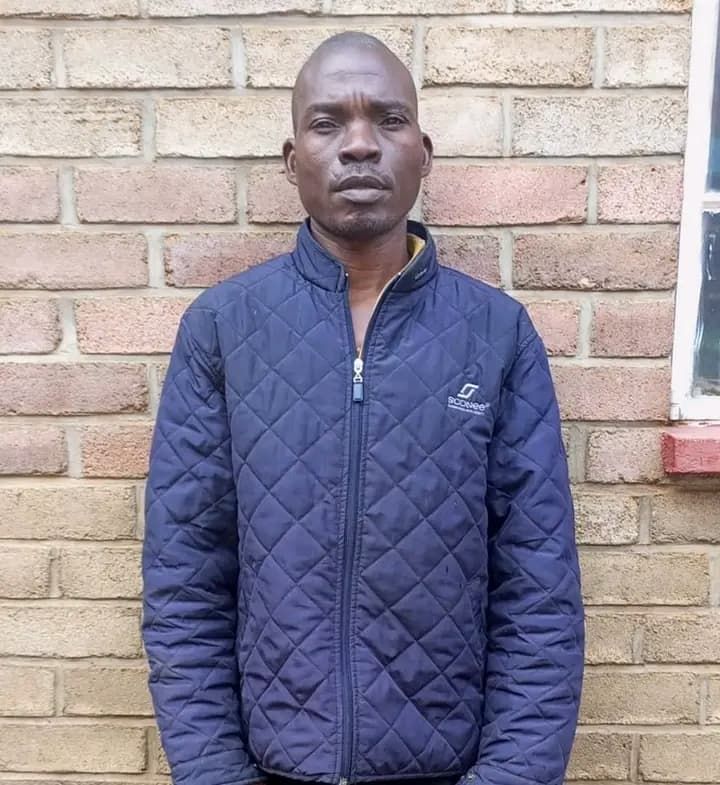
A 56-year-old pastor, Mccrystal Charlie, has been sentenced to 21 years in prison for defiling a 16-year-old girl in Lilongwe.
The sentence was handed down by Magistrate Bracious Kondowe after Charlie was found guilty of the crime.
According to Lilongwe Police Publicist, Hastings Chigalu, Charlie, who is a pastor at Kadziyo Disciple Church in Lilongwe, had been accused of defiling the minor and making her pregnant. Charlie had denied the charges, but the court found him guilty.
Mccrystal Charlie
During the trial, Charlie pleaded with the court to exercise leniency, citing that he had children and dependents who relied on him.
He also asked the court to consider his status as a student pursuing a Master’s degree in theology.
However, the court ruled that Charlie’s actions were unacceptable and that he had failed to show remorse for his crime.
The court also noted that Charlie’s education and social status did not justify his actions.
The sentence has been welcomed by many who feel that it sends a strong message against child abuse and defilement.
The case has also highlighted the need for greater protection and support for victims of child abuse in Malawi.
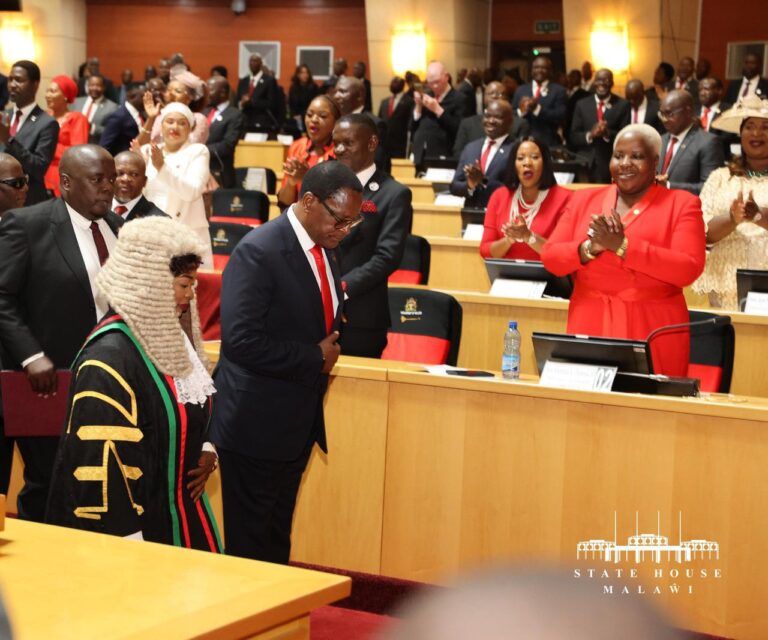
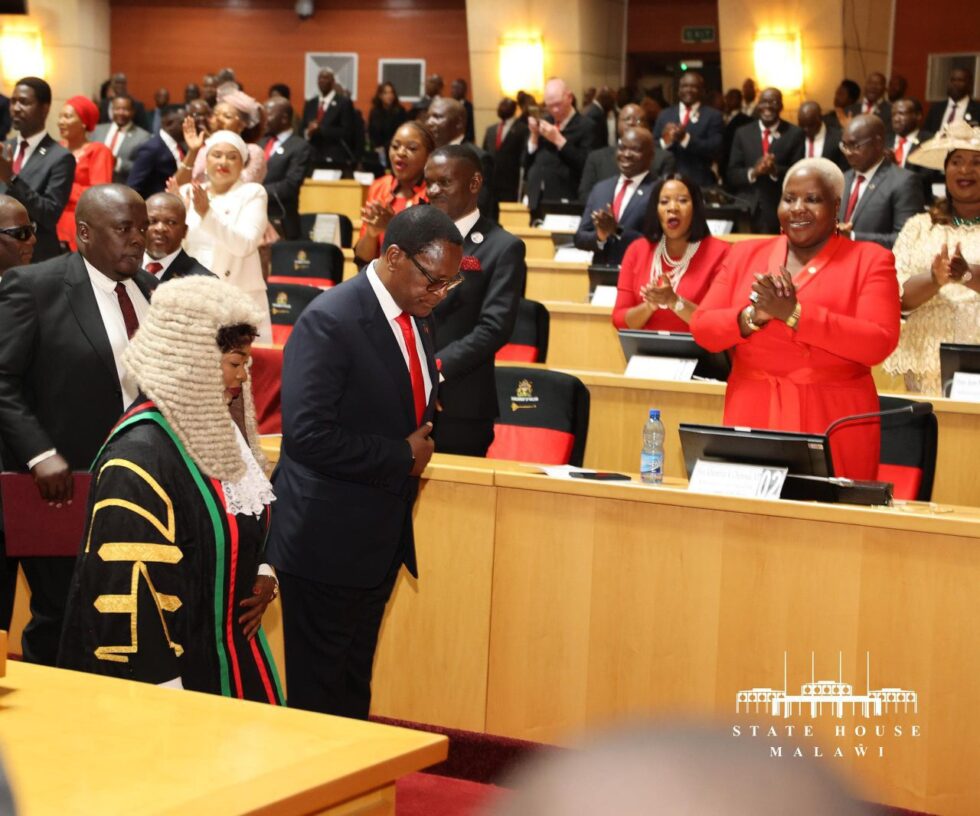
Governance expert Moses Mkandawire has commended President Lazarus Chakwera for addressing long-standing criticism regarding his administration’s performance. Mkandawire believes that the President’s recent State of the Nation Address (SONA) has effectively silenced critics who have consistently questioned the government’s development agenda.
Speaking to the Malawi Broadcasting Corporation (MBC), Mkandawire highlighted that President Chakwera’s detailed breakdown of district-specific projects demonstrates the administration’s commitment to national progress. He stated that by presenting concrete achievements in various sectors, the President has left no room for detractors to argue that his leadership has failed to deliver. Instead, he urged critics to acknowledge and commend the government’s efforts in infrastructure development, economic initiatives, and social services.
Mkandawire also addressed concerns about the country’s economic trajectory, advising Malawians to exercise patience and wait for the upcoming National Budget presentation. He emphasized that the Minister of Finance and Economic Planning, Simplex Chithyola Banda, will soon outline the government’s fiscal priorities, which will provide a clearer picture of how economic policies will support further development.
His remarks come amid a politically charged environment where opposition voices have frequently challenged the Chakwera administration’s effectiveness. However, Mkandawire insists that the government’s progress should be evaluated based on tangible results rather than political rhetoric.
As Malawi awaits the National Budget presentation, Mkandawire remains optimistic that the government’s development strategy will continue to address key national concerns, paving the way for economic stability and sustained growth.
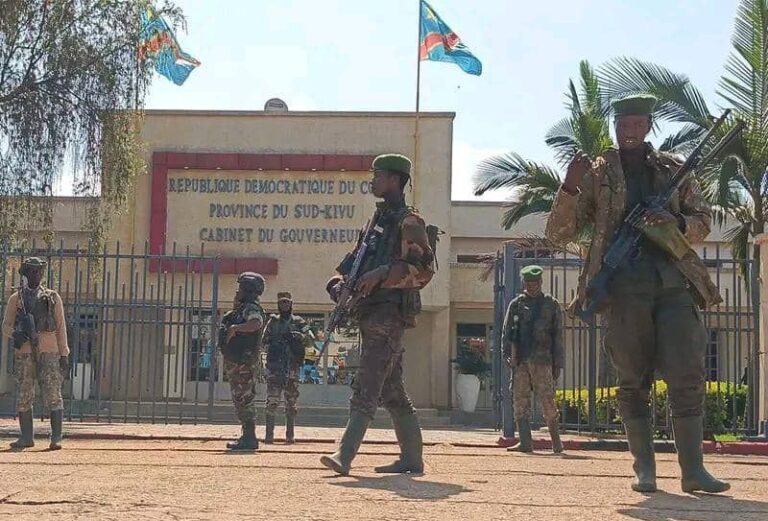
The Democratic Republic of Congo is facing an alarming escalation in its conflict-ridden eastern region, as M23 rebels have seized control of Bukavu, a key city in South Kivu province. The government confirmed the takeover on Sunday, marking a significant expansion of the rebels’ influence after their recent capture of Goma, a strategic city with a population of two million.
The occupation of Bukavu, home to approximately 1.3 million people, came with little resistance from government forces, many of whom were seen retreating alongside thousands of fleeing civilians. The fall of Bukavu represents the latest blow to the Congolese government, which had vowed to restore order but has struggled to contain the rapid advance of M23 fighters.
The Associated Press reported that scores of residents cheered as the rebels entered Bukavu after a day long march from Goma. In a bold move, the M23 fighters positioned themselves at the governor’s office, declaring their intent to rid the city of what they described as the “old regime.” The group’s leadership has presented itself as a force for change, though their brutal insurgency has left a trail of destruction and deepened instability in the mineral-rich region.
The M23 rebels are among more than 100 armed groups fighting for control over eastern Congo’s vast natural resources, estimated to be worth trillions of dollars. These minerals, including cobalt and coltan, are critical to the global technology industry, making the region a hotbed of conflict. The United Nations has reported that M23’s advances have been backed by approximately 4,000 troops from neighboring Rwanda, further complicating the geopolitical dynamics of the war.
The humanitarian impact of the conflict has been devastating. The ongoing fighting has displaced more than six million people, creating what the UN has described as the world’s largest humanitarian crisis. With government forces unable to mount a defense, the fear among civilians is growing, as they face the prospect of further violence, human rights abuses, and worsening living conditions.
Congo’s government has vowed to reclaim Bukavu, but with the army in retreat and the rebels solidifying their grip, the future of eastern Congo remains uncertain. As M23 consolidates its control over key cities, the international community faces mounting pressure to intervene and address the worsening crisis. However, with regional tensions rising and diplomatic efforts failing to yield results, the conflict threatens to plunge the region deeper into chaos.
For now, Bukavu remains under rebel control, marking yet another chapter in Congo’s long history of instability and armed conflict. The coming days will be crucial in determining whether the government can muster the strength to challenge the M23’s rapid expansion or if the rebels will continue their march deeper into the heart of the country.
Malawi Electoral Commission (MEC) has urged the Electoral Management Device operators in various MEC centres to conduct themselves with integrity and professionalism as the electoral body gears to open a window to provide an opportunity for those registered voters who wish to process transfers ahead of voting day.
The electoral body is expected to undertake the first phase of voter transfer exercise from February 25 to 27.
Pic: Chisepeya – MEC will open the transfer window soon
MEC regional elections officer responsible for the central region Esmie Chisepeya made the call on Saturday during a training of more than 400 EMD operators in Mponela-Dowa.
“We want our Electoral Management Device operators to conduct themselves with highest sense of professionalism and integrity because what they are doing is that they are representing us,” she said.
She also said the electoral body is geared to ensure a smooth voter transfer exercise.
Chisepeya then highlighted that the voter transfer exercise is aimed at giving those who register an opportunity to transfer to where they would like to cast their vote after moving out from where they had registered.
“The commission is informing all registered voters that there will be no transfers on the polling day or any other period after this exercise,” said Chisepeya.
Speaking in an interview, one of the participant, William Sikenala said he was ready to discharge his duties with professionalism and integrity.
Phase 1 of the voter transfer which will run from 25-27 February,2025 will cover Chitipa, Karonga, Karonga town, Mzuzu city, Nkhotakota, Ntchisi, Salima, Dedza, Balaka, Machinga, Neno, Phalombe, Chiradzulu and Mulanje districts.