Monday, May 4, 2026
No menu items!
spot_img
Home Blog Page 688

Jumah says economic instability breeds mob justice and anarchy

0


By Vincent Gunde

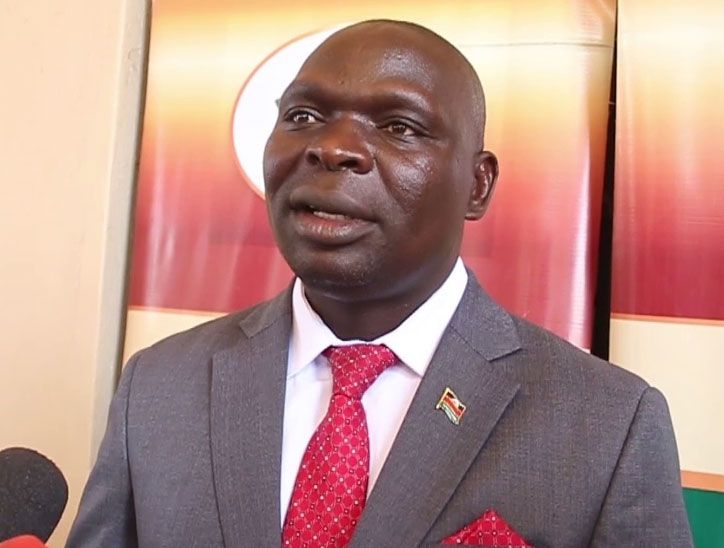
President and Commander in Chief of the 14th registered Revolutionary Party in Malawi -Muvi wa Chilungamo Bantu Saunders Jumah, says economic instability breeds mob justice, democrazy and anarchy observing that no justice and no democracy at the end of the day, anarchy follows.

Jumah said this country is experiencing economic instability in a sad mood observing that a bag of maize is being sold at K110,000, bread K3,500, sugar K4000, fertilizer at K145, 000 and for this, the party cannot keep quiet and watching but to rise up.

He said MRP joins the suffering Malawians especially average people who are feeling the burden of the country’s economy which has collapsed and is in the Intensive Care Unit (ICU) saying the country’s leaders have no solutions.
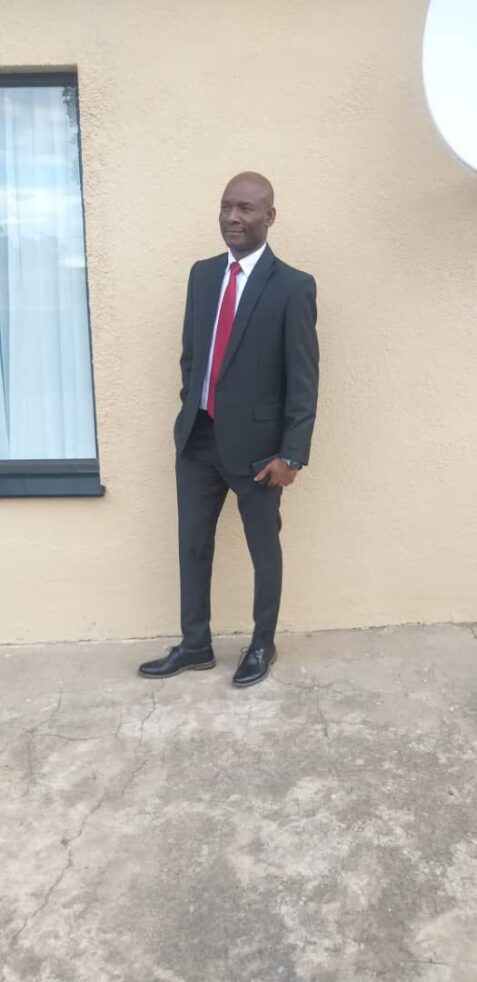
Muvi wa Chilungamo


Speaking through a Revolutionary voice, Jumah has condemned in strongest possible the citizens of Mselema in Machinga for what they did to an MCP vehicle advising the Machinga people that they are the advocates of multiparty democracy in Malawi.

Jumah said what the citizens did was barbarism not democracy saying no one in the country has to bar any political party from holding a meeting and also condemned an attack to DPP supporters in Lilongwe at Mbowe filling station on the 24th February, 2024.

He has also condemned youth in Chikwawa for stoning President Chakwera, youth of Ndirande for chasing and stoning Minister of Information Moses Kunkuyu and undressing of women clad in MCP zitenje in same Ndirande Township describing these incidences, as enemies of progress.

The President has called on Police Chief Madam Yolamu to act as a mother in the way of maintaining law and order, a woman is a caring and loving observing that all these incidences, there are youth destroying the future of their own country.

He said the youth without a future is dangerous and is like an earthquake blaming the UDF, DPP and MCP for destroying the youth in Malawi because of their bad policies saying Malawi youth are destructively being used as political weapons to cover the greed of politicians.

“Political failures will incite violence and political instability because they don’t want their failures to be exposed but to be trusted by the people,” said Jumah.

He said in the next 15 to 20 years, there will be no Chakwera, Mutharika, Muluzi, Bantu Saunders Jumah urging the youth to deny to be used as tools and weapons of destruction and political parties which are funding these youths to stop forthwith.
President Chakwera urges youth to take lead in fighting corruption and driving development

0

By Burnett Munthali

In a bid to strengthen the fight against corruption and empower the youth in national development, President Dr. Lazarus Chakwera has called on young people to become whistleblowers, stressing that corruption remains a significant challenge in Malawi.

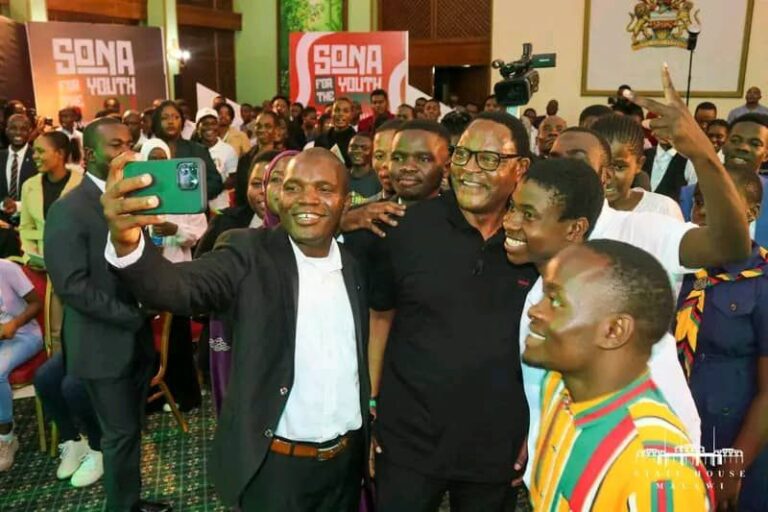
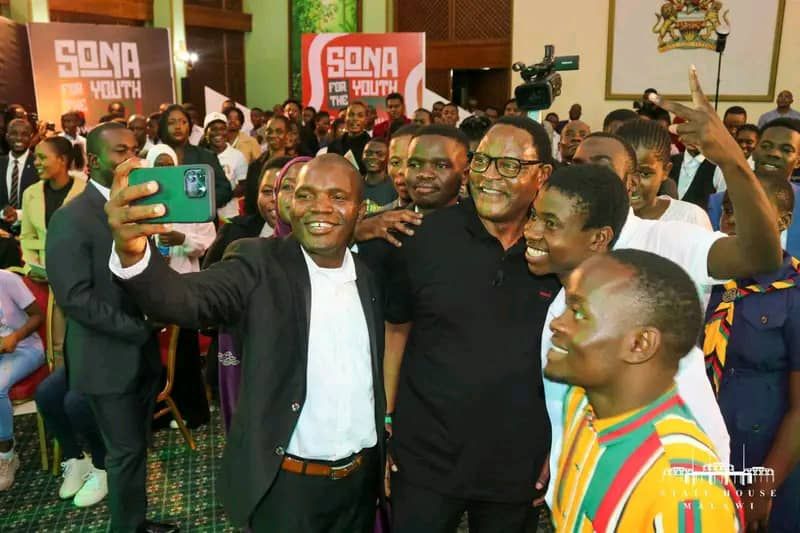
He made these remarks during the State of the Nation Address (SONA) for the Youths, held at Sanjika Palace in Blantyre on Thursday, under the theme “Gawo Lathu Popititfsa Chitukuko Patsogolo” (Our Role in Advancing Development).

President Chakwera emphasized that tackling corruption requires a collective effort from all Malawians.

He reassured the young people that his administration is working tirelessly to ensure that government systems are functional and effective in combating graft.

He further stated that the involvement of young people in governance processes is crucial, and their opinions and suggestions will be used to guide national policies and decision-making.

Apart from discussing corruption, the President also outlined his administration’s commitment to financial literacy programs to help young entrepreneurs manage loans effectively.

He acknowledged that while government initiatives such as the National Economic Empowerment Fund (NEEF) provide financial opportunities, ensuring proper utilization and repayment is essential for sustainability.

To this end, he urged young people to think innovatively, create demand-driven products, and actively contribute to economic growth through entrepreneurship and production.

During the interactive session, Grace Indawa raised concerns about youth sports development, to which President Chakwera responded by highlighting financial constraints.

He explained that some development projects fail to progress due to the high-interest loans the government owes, affecting implementation and completion. Despite these financial challenges, he assured the youth that his government remains committed to investing in sports infrastructure and programs.

Rehema Patrick, representing the mining sector, expressed concerns about the lack of government support for young people in mining, particularly in accessing NEEF loans.

Acknowledging these concerns, President Chakwera admitted that the government must do more to address youth-related challenges in all sectors of the economy, including mining.

He promised to explore ways to ensure young people benefit from the country’s natural resources.

The President assured the gathering that the SONA for the Youths would not be a one-time event but rather a continuous platform where young people can present their issues directly to government officials for meaningful change. Journalist and entrepreneur Yankho Seunda asked how the recent youth-focused SONA aligns with the three pillars of Vision 2063. In response, President Chakwera affirmed that while his government is addressing immediate key issues, Vision 2063 remains the foundation for sustainable development.

Responding to a question from a youth on X Forum, the President acknowledged the pressing issue of food insecurity.

He revealed that the World Bank has provided funds to purchase relief maize for vulnerable Malawians, highlighting the need for sustainable initiatives to combat hunger in the long term.

On the decision to hold the youth SONA in Blantyre, Chakwera explained that it was based on feedback from the Lilongwe edition.

He announced that, following suggestions from the previous engagement, youth clubs will be established across the country, beginning in Ntchisi.

These clubs will be equipped with 100 computers, and internet centers will be constructed to enhance technological development and digital literacy among young people.

Furthermore, the President assured the youth that the upcoming national budget will allocate reasonable resources to the Ministry of Youth, ensuring that their needs are adequately addressed.

He emphasized that the success of the Blantyre and Lilongwe youth SONAs proves that Malawian youth are committed to transforming the nation.

In conclusion, Chakwera announced that the next SONA for the Youth will be held in Mzuzu on a date to be announced later.

He reiterated his administration’s commitment to empowering young people, encouraging them to take an active role in shaping Malawi’s future.

Stepfather arrested for murder over Kamba snack

0

By Twink Jones Gadama

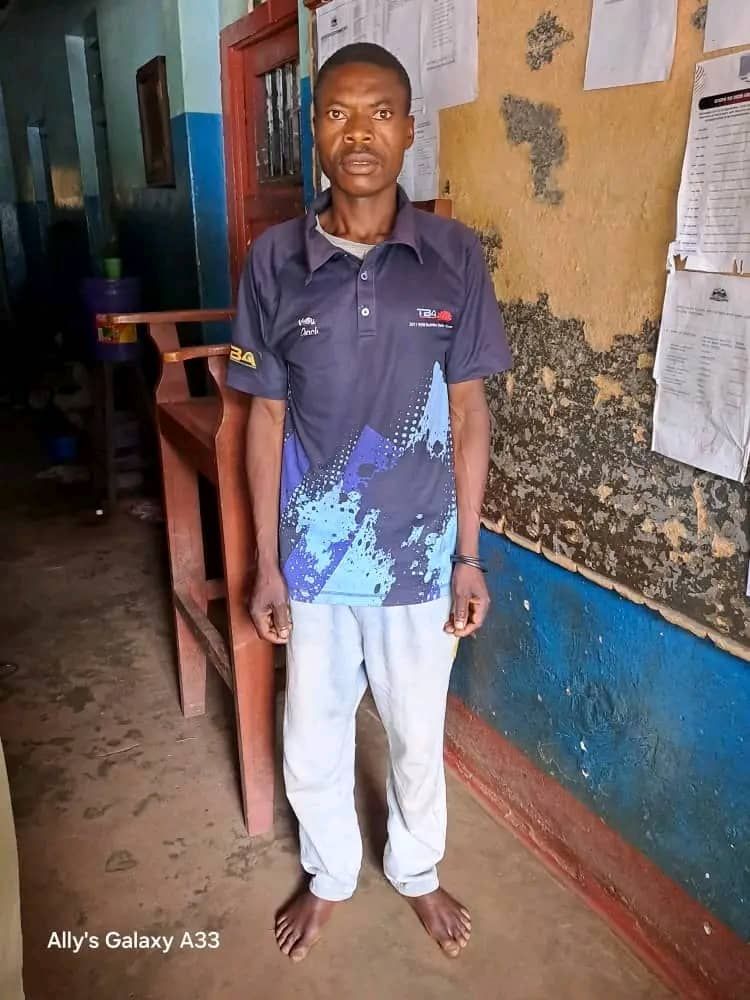
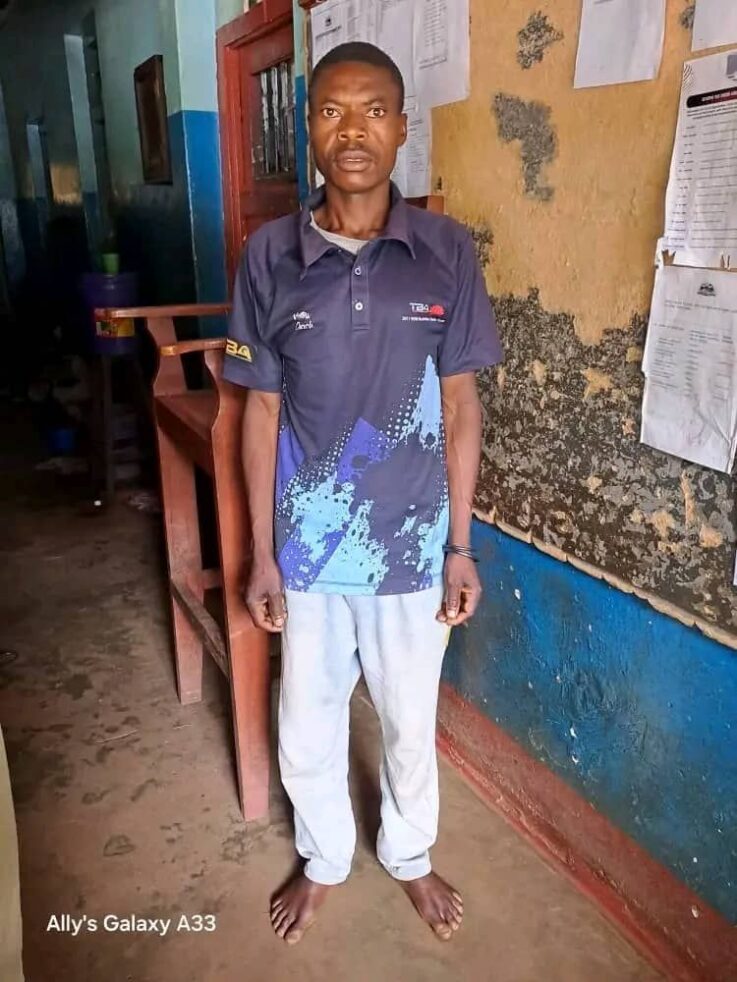
A stepfather has been arrested in Dowa for allegedly killing his stepson over a kamba snack.

Gerald Matamula, a resident of Msungwi village, Traditional Authority Msakambewa, is facing murder charges after he brutally beat his stepson to death.

According to Dowa police public relations officer, Alice Sitima, the incident occurred on Tuesday, February 25, when the deceased entered Matamula’s shop and took a kamba snack.


The stepfather, enraged by the boy’s actions, grabbed him and started beating him mercilessly until he became unconscious.

Good Samaritans who witnessed the incident rushed the child to the hospital, but unfortunately, it was too late.

The medical attendant at the hospital informed the people who brought the child that they had brought a corpse, indicating that the child had already succumbed to his injuries.

The police were notified, and Matamula was arrested and charged with murder. He is expected to appear before the court to answer the charges.

The incident has sent shockwaves through the community, with many expressing outrage and sadness over the senseless killing of a young boy.

The police have condemned the incident, urging parents and guardians to exercise restraint and patience when dealing with children.

“This is a tragic incident that could have been avoided,” said Sitima. “We urge parents and guardians to always prioritize the safety and well-being of their children, even in situations where they may have done something wrong.”

The incident has also raised concerns about the levels of violence and discipline in homes.

Many have called for greater awareness and education on positive parenting and conflict resolution.

As the community comes to terms with the loss of a young life, the police have assured that they will do everything in their power to ensure that justice is served.

“We will thoroughly investigate this incident and ensure that the perpetrator is held accountable for his actions,” said Sitima.

The incident serves as a reminder of the importance of protecting the rights and safety of children. It is a wake-up call for parents, guardians, and communities to prioritize the well-being and safety of children and to seek help when needed.

As the case unfolds, the community will be watching closely to ensure that justice is served and that measures are put in place to prevent such incidents from happening again.

The unfair currency devaluation game: Why Africa must resist


By Twink Jones Gadama

The International Monetary Fund (IMF) has long been advising African countries to devalue their currencies, citing the need to make their exports competitive in the global market. However, this advice has had devastating consequences for the livelihoods of poor Africans. In Malawi, for instance, the kwacha has been repeatedly devalued, leading to a significant loss of value and a subsequent increase in the cost of living.

It is puzzling that Western currencies, such as the US dollar and the British pound, do not face the same pressure to devalue. Instead, these currencies continue to maintain their value and even appreciate against other currencies. This raises questions about the fairness of the global economic system and the motives behind the IMF’s advice to African countries.

One possible explanation is that Western countries have more control over their economic policies and are better equipped to manage their currencies. They also have more diversified economies, which makes them less vulnerable to fluctuations in global commodity prices. In contrast, many African countries rely heavily on exports of raw materials, making them more susceptible to external economic shocks.

Another possible explanation is that the IMF’s advice is driven by a desire to maintain the dominance of Western currencies in global trade. By forcing African countries to devalue their currencies, the IMF may be trying to make it easier for Western countries to export their goods to Africa, thereby maintaining their economic influence over the continent.

Whatever the reasons, it is clear that the continuous devaluation of African currencies is having a devastating impact on the livelihoods of poor Africans. It is time for African countries to resist the IMF’s advice and take control of their economic policies. They must find ways to manage their currencies effectively, without resorting to devaluation. This may require implementing policies to diversify their economies, promote exports, and reduce dependence on foreign aid.

African countries must also work together to create a more favorable global economic environment. They must demand a more equitable distribution of global economic power and challenge the dominance of Western currencies. By doing so, they can create a more stable and prosperous economic future for their citizens.

Lawyer Sylvester Ayuba Pleads with Chakwera to Fire Chithyola as Finance Minister

0

By Durell Namasani

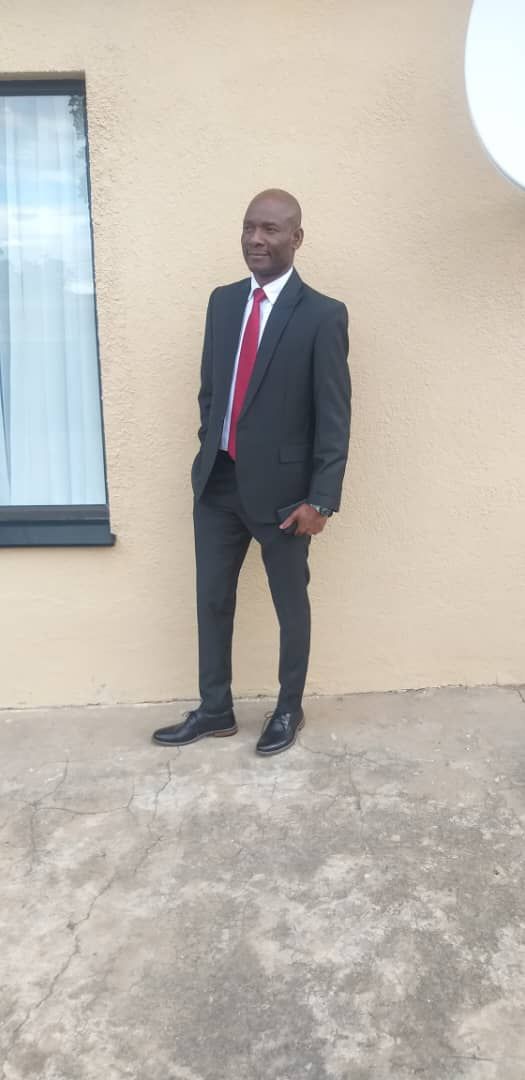
Silvester Ayuba James, a staunch supporter of the Malawi Congress Party (MCP), has publicly appealed to President Dr. Lazarus Chakwera to replace Finance Minister Simplex Chithyola Banda with a seasoned economist. In a heartfelt plea, Ayuba emphasized that his request is driven by national interest rather than personal grievances. 

Ayuba argued that Malawi’s current fiscal challenges require a Finance Minister with robust academic and practical expertise in economics. While acknowledging Chithyola’s efforts, he suggested that the minister be reassigned to a different portfolio better suited to his qualifications. Ayuba proposed renowned economist Prof. Ronald Mangani as a potential replacement, citing his extensive experience and deep understanding of economic principles. 

Under fire Chithyola


The MCP supporter stressed that Malawi is not lacking in qualified economists capable of steering the country through its economic crisis. He urged the President to act swiftly, warning that failure to address these issues could jeopardize the party’s future in government. 

Ayuba acknowledged his limited influence as a “Facebook noise maker” but reminded Chakwera that critical advice often comes from unexpected sources. He expressed his unwavering support for the President and the MCP, emphasizing that his plea stems from a genuine desire to see the nation thrive. 

As Malawi grapples with economic challenges, Ayuba’s call highlights growing public concern over the need for expert leadership in key ministries. Whether Chakwera will heed this advice remains to be seen.