
Sunday, April 5, 2026
No menu items!
spot_img
Home Blog Page 716

Malawi’s Macadamia Industry: A Catalyst for Economic Growth and Social Transformation

0

By Shaffie A Mtambo

Malawi’s Ministry of Agriculture is pinning its hopes on the macadamia industry to drive social and economic growth. With the country already ranking as the third-largest producer of macadamia nuts in Africa, accounting for 3% of global production, the potential for growth is vast.

Agriculture is a critical component of Malawi’s 2063 Vision agenda, emphasizing job creation, wealth generation, import substitution, and foreign exchange earnings. Minister Sam Kawale believes the macadamia industry has the power to transform agriculture, and his ministry is working closely with the Ministry of Justice to establish a robust legal framework.
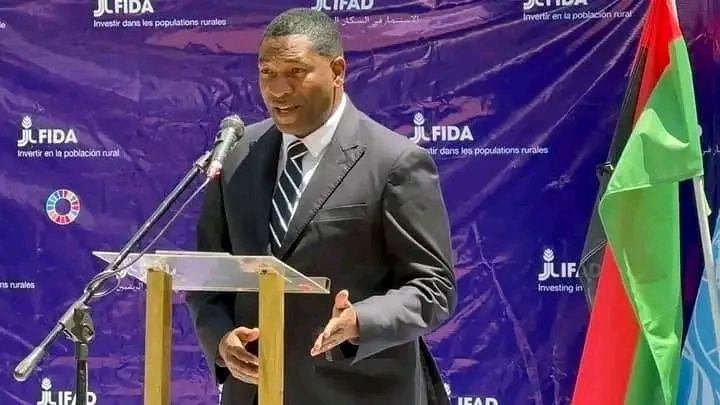
Agriculture Minister Sam Kawale


Despite the industry’s potential, challenges persist, including social conflicts with local communities, organized crime, lengthy production lead times, and illicit trade and export. Dimitri Giannakis, Chairperson of the Malawi Macadamia Association, highlighted these concerns, emphasizing the need for collaborative efforts to overcome them.

Initiatives like the USAID Malawi’s Feed the Future Growth Poles Project are working to promote the industry’s growth, providing farmers with macadamia seedlings and training. The International Finance Corporation (IFC) has also supported nearly 3,000 small-scale macadamia nut farmers through a three-year advisory project.

As the industry continues to evolve, addressing the challenges and capitalizing on opportunities will be crucial to unlocking the full potential of macadamia production in Malawi. With the right support and protections in place, the macadamia industry could indeed become a catalyst for growth and development in Malawi.
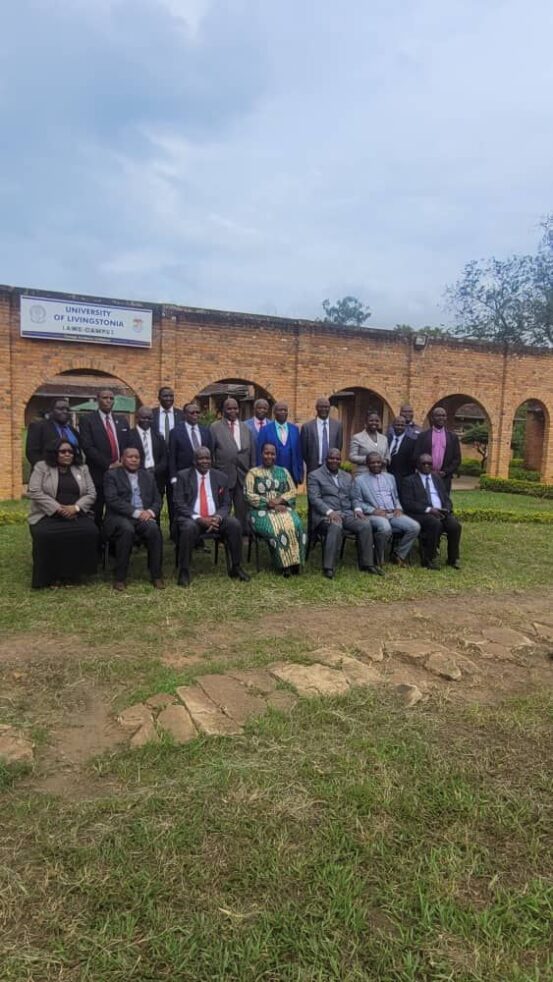
University of Livingstonia Recognized for Commitment to Quality Education

0

By Elywin Chighali Mhango

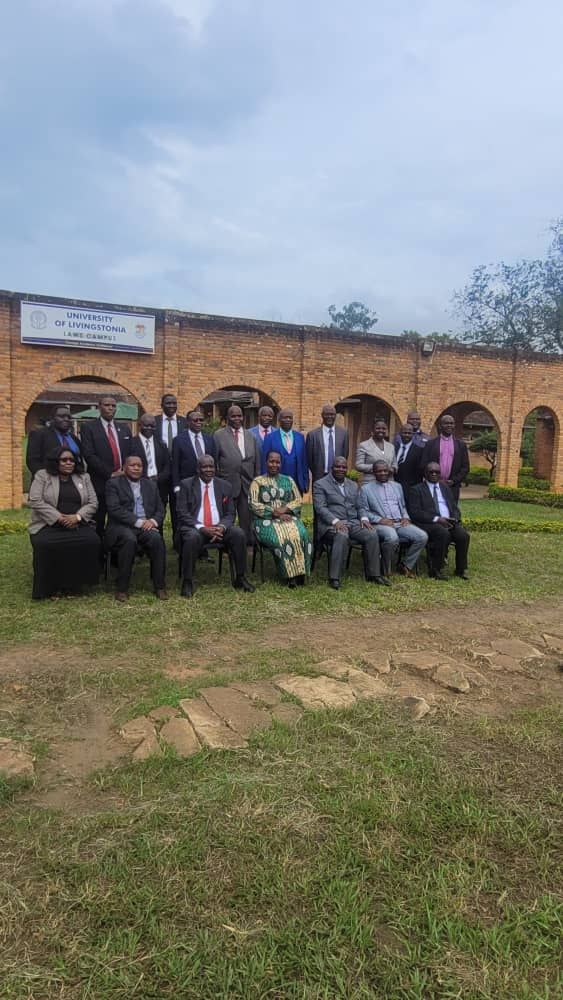
Minister of Higher Education, Dr. Jessie Kabwila, has lauded the University of Livingstonia (UNLIA) as a cornerstone of quality education in Malawi during her recent familiarization tour of the university’s Law campus in Rumphi. Dr. Kabwila highlighted the institution’s alignment with the Malawi 2063 vision, which aims to develop the nation’s human capital to meet future challenges.

During her visit, Dr. Kabwila expressed her appreciation for UNLIA’s efforts to mold skilled individuals who will contribute to Malawi’s development. “You are true partners of government, and we are very committed to collaborating and supporting you through partnership work to attain Malawi 2063,” she stated.

Dr Kabwila at University of Livingstonia

In an effort to enhance the quality of higher education across the country, Dr. Kabwila announced the upcoming establishment of a special fund that will allow universities to compete for resources dedicated to innovative projects. She emphasized the importance of maintaining high standards in higher education, asserting that “the days of fake degrees are over,” and reaffirmed the ministry’s commitment to addressing issues of mediocrity.

Additionally, Professor John Kalenga Saka, Chairperson of the UNLIA Council, underscored the necessity of collaboration between government and private universities to foster national development. He commended the government for its support through various initiatives, including the World Bank-funded Skills for a Vibrant Economy (SAVE) project and the USAID-funded Transforming Higher Education project.

Professor Saka expressed hope that the forthcoming Higher Education Bill would bring about harmonization in the operations of higher education institutions in Malawi, further enhancing their contributions to society. He also noted the university’s strong relationships with several councils, including the National Council for Higher Education (NCHE), the Medical Council of Malawi, and the National Commission for Science and Technology (NCST).

As they move forward, both Dr. Kabwila and Professor Saka reiterated the crucial role of quality education in shaping the future of Malawi, underscoring the mantra that “Education is Key.” The event signified a strengthened commitment from the government and UNLIA to produce graduates equipped to lead the nation toward achieving Malawi’s 2063 goals.

Minister Wirima Lauds Infrastructure Projects Enhancing Educational Facilities

0

By Elywin Chighali Mhango

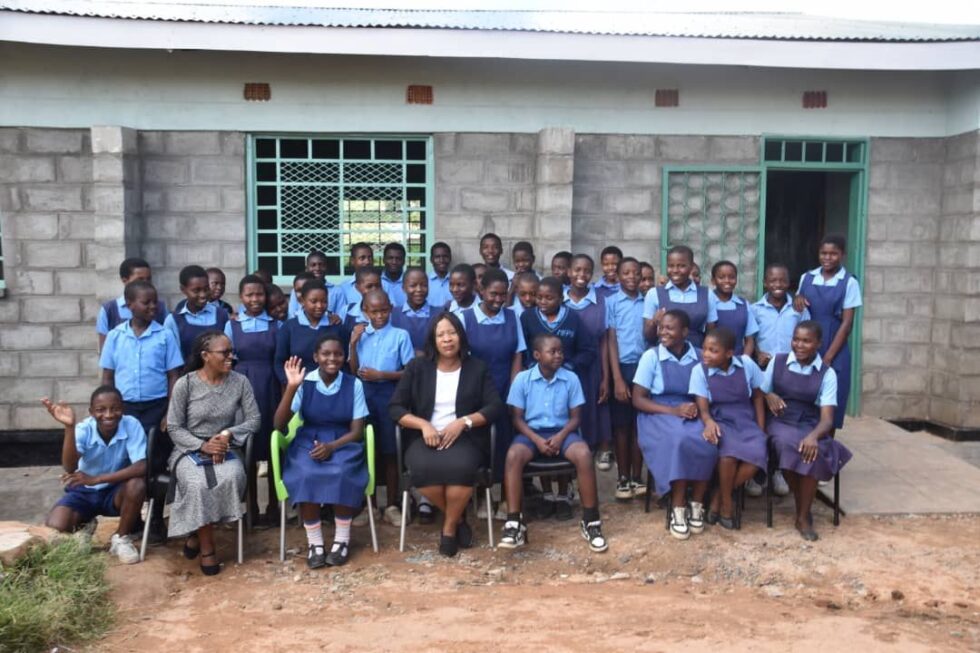
Minister of Basic and Secondary Education, Madalitso Kambauwa Wirima, M.P., expressed her satisfaction with the progress of a significant initiative that has seen the construction of 10,900 classrooms across the nation, carried out in collaboration with the World Bank and the Global Partnership for Education (GPE).

During her recent visits to Litchenza and Mlirankhwali primary schools in Chiradzulu, and Makhetha and Bangwe primary schools in Blantyre, Minister Wirima emphasized that creating safe and conducive learning environments is essential for promoting education and delivering quality services. She highlighted that well-constructed classrooms serve as a powerful motivation for both teachers and learners.


The Minister called upon local communities, leaders, chiefs, and school management committees to actively support the government in maintaining the classrooms and protecting school property. “As Malawians, we all share the responsibility of safeguarding our educational assets from damage or theft. These projects are designed for the benefit of the people of Malawi, and it’s crucial that surrounding communities take an active role in protecting school property,” she stated.

Accompanying Minister Wirima during her inspections were several senior officials, including Dr. Rachel Chimbwete Phiri, the Principal Secretary for Basic and Secondary Education, and Madame Grace Milner, the Director of Basic Education.

The construction of the 10,900 cost-effective classrooms was officially launched by President Dr. Lazarus Chakwera on February 22, 2024, at Chikololere Primary School in Dedza, marking a significant step towards enhancing educational infrastructure in Malawi.

Mozambique Government plans repatriation of citizens who fled political violence

By Burnett Munthali

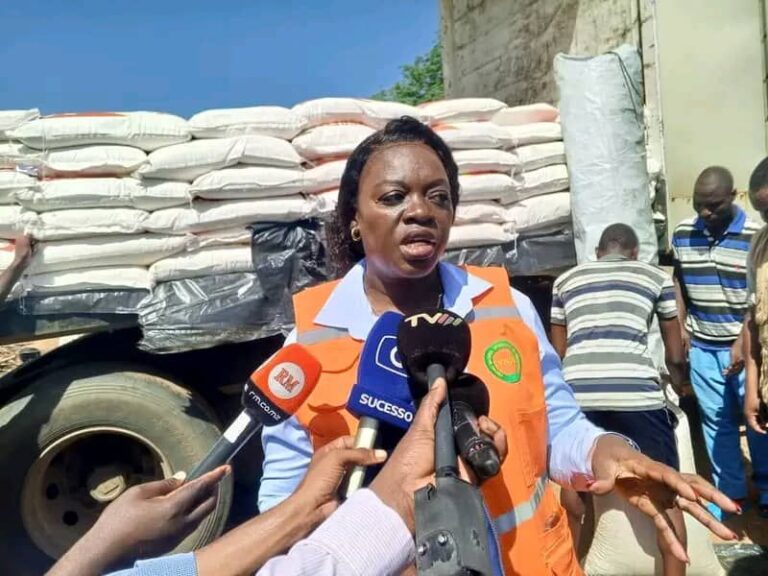
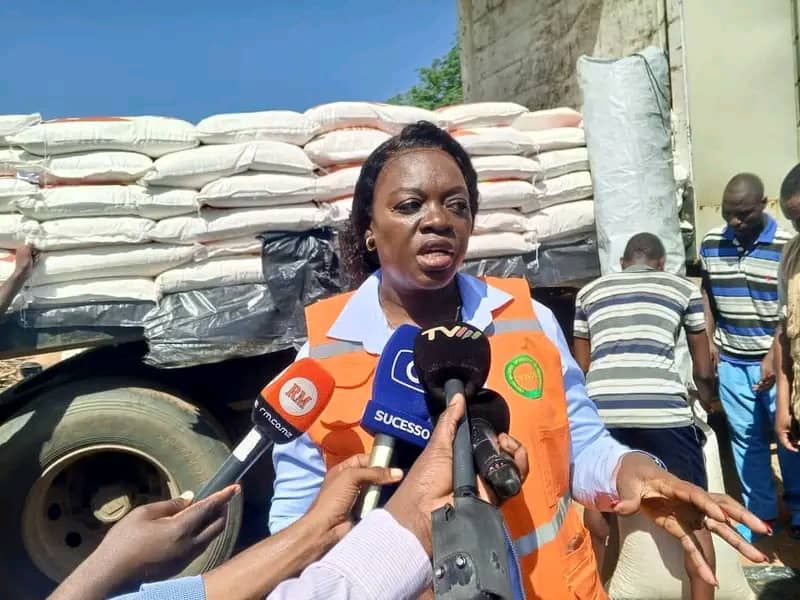
The government of Mozambique has announced plans to facilitate the voluntary repatriation of its citizens who fled the country due to political violence. This development was confirmed by Luisa Celma Meque, the head of Mozambique’s Institute of Disaster Management Affairs (INGD), during a visit to the Nyamithuthu refugee camp in Nsanje, Malawi.

During the visit, Meque engaged with Mozambican nationals who have been taking refuge at the camp, asking them whether they intended to settle permanently in Malawi or if they wished to return to Mozambique. In response, the refugees expressed a strong desire to return to their home country, signaling their willingness to reintegrate into their communities.

Luisa Celma Meque

Meque assured the displaced citizens that the Mozambican government is committed to ensuring their safe return and reintegration. She emphasized that the authorities have put in place adequate security measures to guarantee their safety upon their return. This assurance comes as part of Mozambique’s broader efforts to restore stability and rebuild areas that were affected by political unrest.

The visit by Meque and other senior Mozambican officials underscores the government’s determination to address the humanitarian concerns of its displaced citizens. The repatriation initiative is expected to be carefully coordinated to ensure a smooth and secure transition for those returning home.

Mozambique has experienced periods of political instability, leading to the displacement of thousands of people. However, with efforts to restore peace and security, the government is now working towards bringing its citizens back and helping them reintegrate into their communities.

As preparations for repatriation gain momentum, collaboration between the Mozambican and Malawian governments, as well as international humanitarian organizations, will be essential in ensuring that the returning citizens receive the necessary support. The success of this initiative will not only reunite families with their homeland but also contribute to Mozambique’s broader efforts to rebuild and foster national unity.

Attorney General Nyirenda calls for transparency in investment agreements to combat corruption

0

By Burnett Munthali

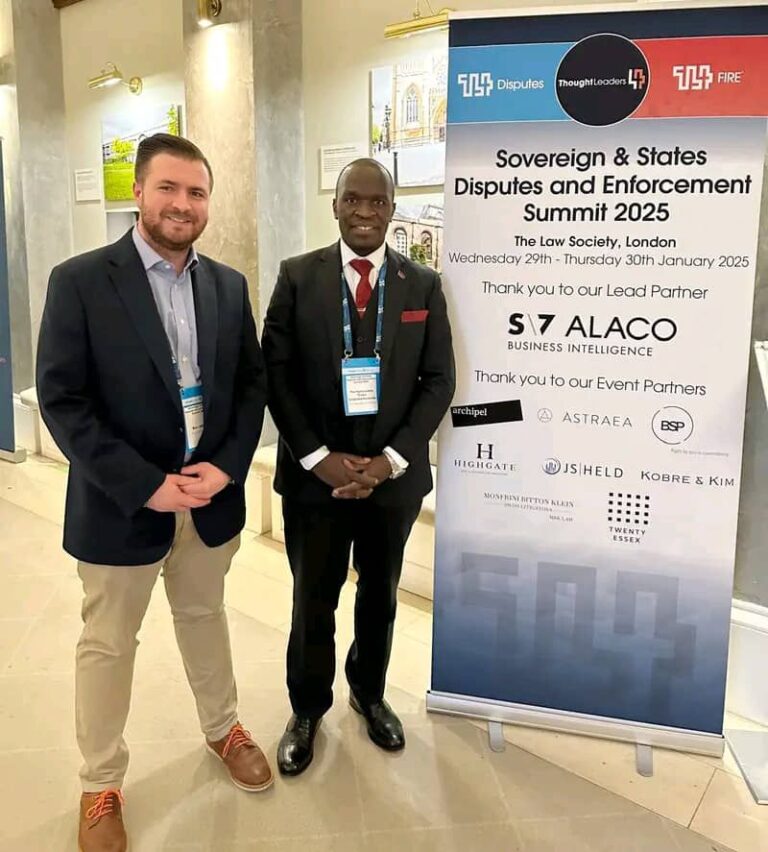
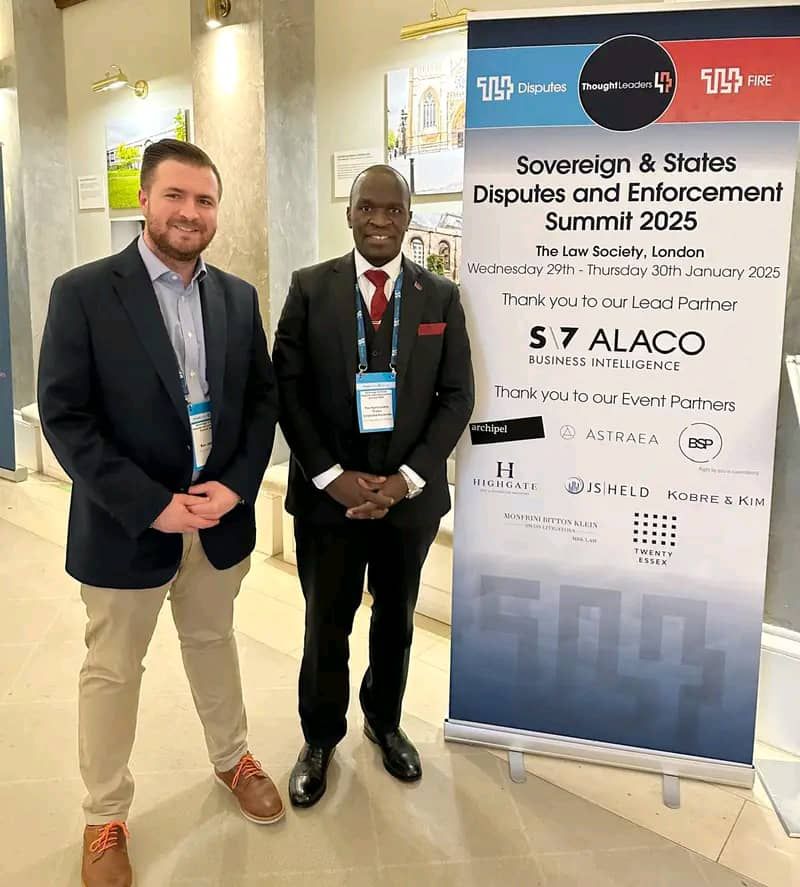
Malawi’s Attorney General, Thabo Chakaka Nyirenda, has emphasized the importance of transparency and accountability in investment agreements, calling on government officials and international investors to uphold ethical standards in business dealings. Speaking at the Sovereign and States Disputes and Enforcement Summit 2025 in London, Nyirenda stressed that eliminating corrupt practices and illicit financial flows is essential for sustainable economic development and investor confidence.

“The days of corrupt practices and illicit financial flows must come to an end. Investors must be held accountable for their actions, and governments must prioritize transparency and accountability in their investment agreements,” he declared.

Chakaka in London


Nyirenda highlighted the African Continental Free Trade Area (AfCFTA) Protocol on Investment, which mandates African governments to establish and enforce laws that safeguard investment-related human rights, labor rights, and environmental protection. He noted that corruption and illicit financial flows drain billions of dollars from Africa each year, depriving countries of much-needed resources for development.

To illustrate the significance of accountability in investment agreements, Nyirenda referenced several high-profile international cases, including:

Indiana Resources Ltd v Republic of Tanzania – a dispute involving mining rights and the obligations of state parties in protecting investors.

ECo Development and ECoEnergy v Republic of Tanzania – a case that raised concerns about government commitments in investment agreements.

World Duty Free Ltd v Republic of Kenya – a landmark case that set a precedent on how corruption can nullify contractual agreements.

Federal Republic of Nigeria v Process & Industrial Developments Ltd – a case highlighting the impact of fraudulent investment agreements on national economies.

Nyirenda’s remarks signal a strong stance against corruption, aligning Malawi with broader global efforts to create a fair and transparent investment climate. His advocacy also reflects the increasing demand for ethical business practices and legal accountability in Africa’s economic landscape.

As Malawi seeks to attract foreign direct investment and expand trade partnerships under AfCFTA, the Attorney General’s call for transparency serves as a reminder that sustainable growth depends on integrity in governance. His message reinforces the need for government institutions to implement strict measures against corrupt dealings and for investors to uphold international legal and ethical standards in their engagements.

The Sovereign and States Disputes and Enforcement Summit 2025 brought together legal experts, policymakers, and investors from across the world to discuss best practices in dispute resolution and investment governance. Nyirenda’s participation highlights Malawi’s commitment to fighting corruption and ensuring that investment agreements contribute to national development rather than being exploited for personal or corporate gain.

With corruption remaining a major obstacle to economic progress in many African nations, Nyirenda’s firm stance could help shape Malawi’s policies on investment governance while setting an example for other countries seeking to enhance transparency and accountability in their economies.