There was low turnout in most registration centres in Dowa as the Malawi Electoral Commission’s supplementary voter registration exercise came to an end on Tuesday in the district under the second phase of the supplementary voter registration exercise.
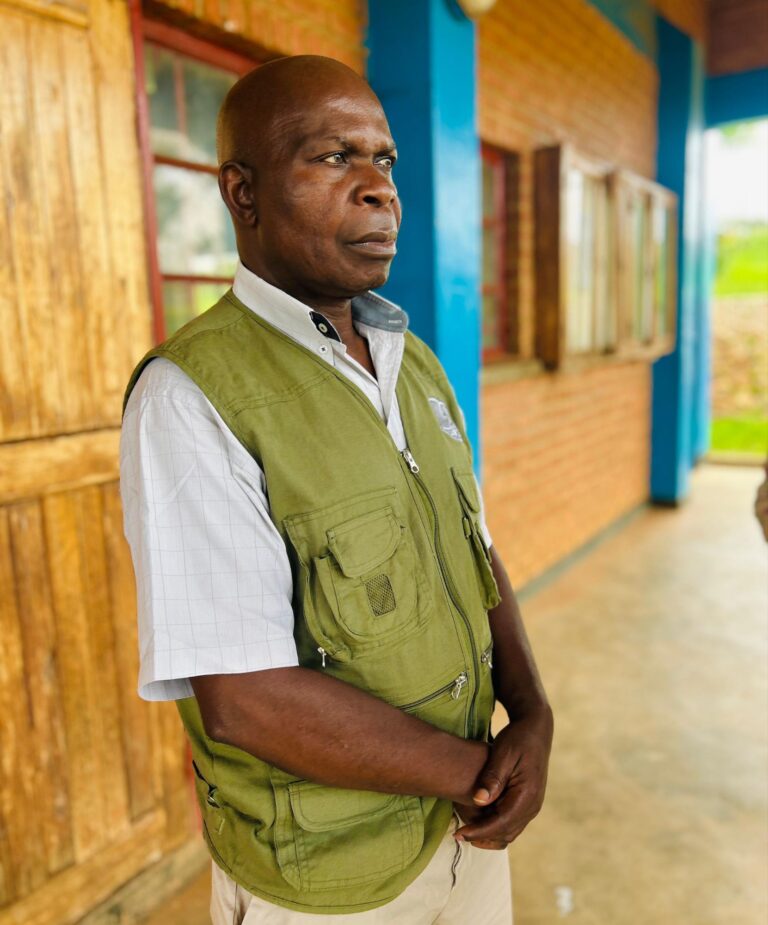
Dr Emmanuel Fabiano
During a media tour organised by Malawi Electoral Commission to some centres showed that most people did not turn up for registration with the highest centre registering 21 and the lowest registering 0.
Speaking in an interview after monitoring the centres, Malawi Electoral Commission Commissioner Dr. Emmanuel Fabiano attributed the low turnout in centres to lack of seriousness among some youths to register as other take it.
He said: “We also have to take into consideration that this is a rainy season and probably people are in the fields.”
Mpira M’mudzi Mwathu (MMM) has on Wednesday signed a three-year sponsorship agreement with Dulux Paints by Silkon Limited, worth K28.5 million.
The partnership, which will see Dulux Paints inject K9.5 million annually into MMM, aims to promote grassroots football in Malawi and provide opportunities for underprivileged youths.
Speaking at the signing ceremony in Blantyre, Dulux Paints’ Commercial Director, Lexah Msowoya, highlighted the importance of supporting grassroots football development.
Lexah Msowoya and Chimango Munthali
“We recognize the significant challenges faced by grassroots football in Malawi, particularly in terms of finances.
“We are proud to partner with Mpira M’mudzi Mwathu, who share our commitment to holistic talent development through both football and education,” said Msowoya.
He added that the sponsorship will provide education scholarships for approximately 50 talented underprivileged youths, as well as support the purchase of football equipment and training for local football legends to become coaches.
On his part,MMM Board Chairperson, Chimango Munthali, expressed his delight at securing the sponsorship deal.
“We are thrilled to have Dulux Paints on board as our gold sponsor.
“This partnership will enable us to continue our work in developing young football talent and promoting education in Malawi,” he said.
MMM is a non-profit organization dedicated to empowering youths in Malawi through sports development and education.
Founded over five years ago, MMM has grown significantly, from humble beginnings operating out of a car to now being housed at the Bingu National Stadium(BNS )in Lilongwe.
The organization’s primary objective is to provide young people with the right information to support their career selection decisions.
To achieve this, MMM implements various projects, including soccer schools and leagues, in partnership with organizations like UNICEF and Ebenezer Investments.
Police in Mangochi are searching for Village Headman M’madi and his accomplices for allegedly damaging a house belonging to the Fisheries Department within his jurisdiction.
The incident occurred on January 28, 2025, in Katapwito Village, Traditional Authority Chimwala in the district.
One suspect, Salimu Mateni (38), has been arrested in connection with the case.
According to the house’s occupant, Sumaili Kilifu (32), his family had been residing on the Fisheries Department property since 2004 under official authorization to safeguard it and the surrounding land.
Following the death of Kilifu’s father in early January 2025, Village Headman M’madi reportedly began demanding control of the property, despite its Government ownership.
On January 28, 2025, Village Headman M’madi allegedly mobilized his subjects to damage the property. The group reportedly removed and stole 48 iron sheets worth K1,055,000 and assaulted Kilifu’s younger brother during the attack.
The matter was promptly reported to the Chimwala Police Unit. Officers from the unit and personnel from the main station visited the scene and recovered the stolen 48 iron sheets and a wooden door from Village Headman M’madi’s house.
Mangochi Police have launched a manhunt for the remaining suspects, who will face charges of malicious damage, theft, and assault upon their capture.
The police are appealing to the public for any information that may assist in locating the suspects.
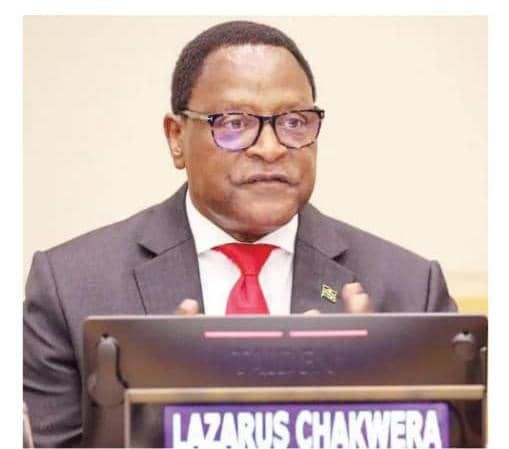
In a series of bold moves that have drawn comparisons to the presidency of Donald Trump, Malawian President Lazarus Chakwera has recently signed a number of executive orders that signal a significant shift in the country’s governance and policy. These executive actions, some of which are highly controversial, touch on key areas of national concern, including the management of public services, corruption, and the country’s approach to critical sectors such as agriculture.
One of the most significant orders issued by President Chakwera is the termination of a marine services concession agreement with Mota Engil, a Portuguese company that had been providing services under a long-term agreement. This concession, which covered essential operations at Malawi’s ports and marine infrastructure, is now being handed over to Malawi Lake Services, a state-owned entity. The decision to terminate the agreement with Mota Engil has sparked a wave of debate, with some praising it as a necessary step to ensure that the management of Malawi’s marine services remains within the control of Malawians. However, others have questioned the timing and the potential consequences of such a drastic move, particularly in terms of the impact it may have on the country’s trade and international relations.
Chakwera
Chakwera’s move to reclaim control of the country’s marine services aligns with his broader vision for economic self-reliance and reducing foreign influence in key sectors of the economy. The changeover to Malawi Lake Services is expected to bring operational efficiencies, but the transition is expected to be closely scrutinized. Questions remain about the capacity of the state-run entity to take on the responsibilities previously held by a private foreign company, as well as the potential for delays and inefficiencies that may arise as the new management takes over.
Another significant executive decision made by Chakwera involved rejecting a written request from former presidential guard Norman Chisale, who had been seeking the president’s intervention to unfreeze his funds and properties. Chisale, a figure linked to multiple corruption scandals during the previous administration, had reportedly requested that Chakwera issue an order to reverse the freezing of his assets, which had been implemented as part of an ongoing investigation into his financial activities. In rejecting the request, Chakwera sent a strong message that his administration would not tolerate corruption or allow any individual, regardless of their past connections, to escape accountability.
Chisale’s request to unfreeze his assets was seen by many as an attempt to leverage political influence to sidestep legal processes. By refusing to grant such a request, Chakwera has reinforced his commitment to fighting corruption and upholding the rule of law in Malawi. This move is in line with his broader anti-corruption agenda, which has been a cornerstone of his presidency. The rejection of Chisale’s request signals that the Chakwera administration intends to hold individuals accountable for their actions, irrespective of their political affiliations or past positions of power.
The third notable executive order issued by Chakwera concerns the procurement of fertilizer for Malawi’s agricultural sector. In a move aimed at curbing corruption and ensuring better management of public resources, the president has decided that fertilizer procurement will henceforth be done on a Government-to-Government (G2G) basis, rather than through the private sector. This decision is expected to have a profound impact on the agricultural landscape in Malawi, where access to affordable fertilizer is a critical factor in ensuring food security and supporting the livelihoods of millions of farmers.
By shifting fertilizer procurement to a G2G model, Chakwera seeks to eliminate the middlemen who often drive up costs and introduce inefficiencies into the supply chain. The decision is also likely to have significant political implications, as it could disrupt long-standing contracts and relationships with private suppliers who have previously been the beneficiaries of government tenders. While the move is likely to improve transparency and accountability in the procurement process, it could also face resistance from entrenched interests within the private sector.
These executive orders come at a time of increasing public dissatisfaction with the country’s political elites and a growing demand for change in the way Malawi’s resources are managed. Chakwera, who campaigned on a platform of reform and governance improvement, has sought to demonstrate that he is willing to take decisive action to address the country’s long-standing challenges. His executive orders, while controversial, reflect a clear determination to bring about change, even if it means upsetting the status quo.
However, the impact of these orders remains to be seen. The transition of marine services to Malawi Lake Services will undoubtedly face challenges, especially in terms of ensuring that the state-run entity has the capacity to manage such a critical sector. The rejection of Norman Chisale’s request is likely to be seen as a victory for anti-corruption efforts, but the public will be watching closely to see whether the administration follows through on its promises of accountability. The shift to Government-to-Government fertilizer procurement will likely face pushback from private sector actors, who may seek to challenge the new model in the courts or through political pressure.
Ultimately, Chakwera’s executive orders represent a significant turning point in Malawi’s governance and policy landscape. Whether these decisions will lead to lasting change or create further challenges for the president’s administration will depend on how effectively they are implemented and how the public and political actors respond. As Malawi moves forward, the eyes of the nation will be focused on Chakwera’s leadership to ensure that these bold actions result in tangible benefits for the people of Malawi.
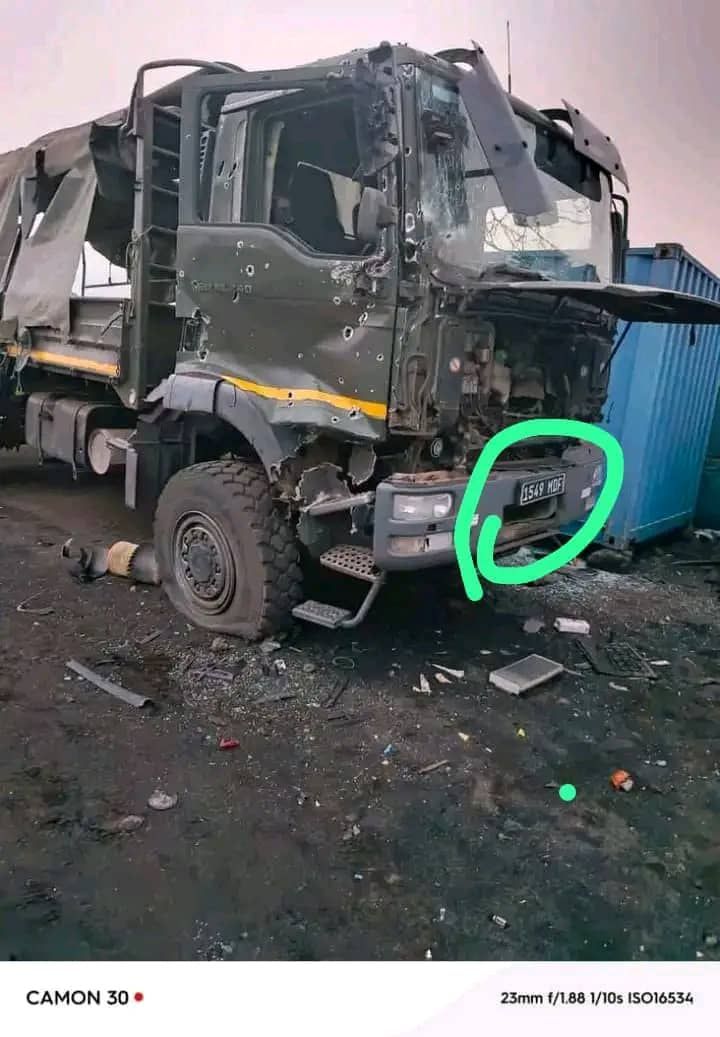
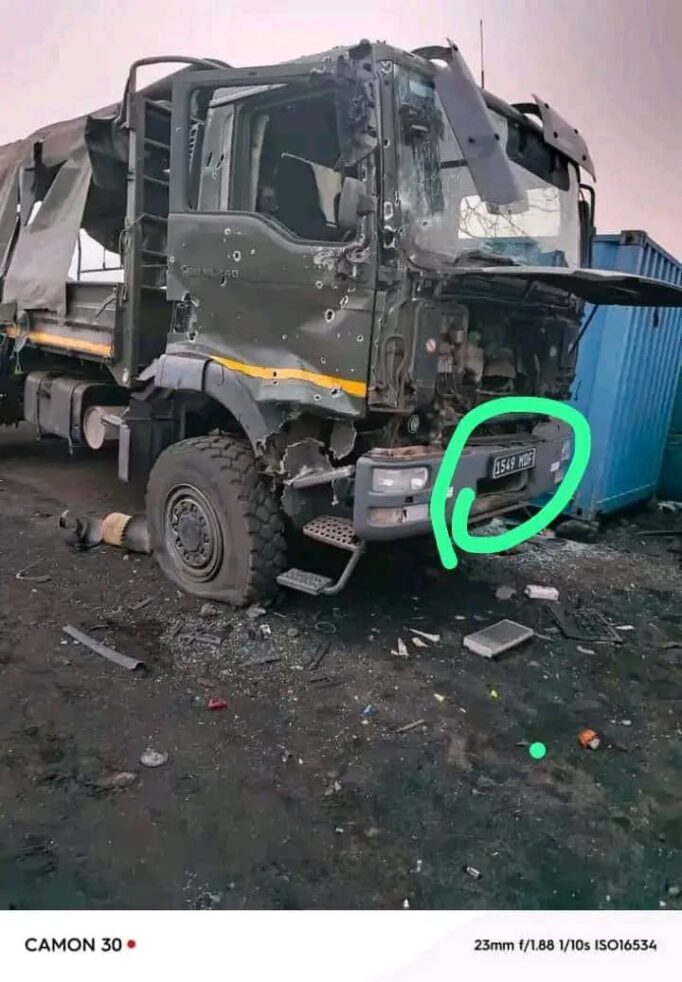
In a recent development from the Democratic Republic of Congo (DRC), three Malawi Defence Force (MDF) vehicles were heavily damaged in an attack by M23 rebels in Goma, a city located in the eastern part of the country. Fortunately, despite the extent of the damage to the vehicles, there were no casualties reported, and all personnel involved were unharmed.
According to Malawi Voice, the vehicles were stationed at the Sami-DRC Malawian Camp in Goma, where MDF soldiers have been stationed as part of the United Nations peacekeeping mission. The M23 rebels, an armed group operating in eastern DRC, have long been involved in the region’s ongoing conflict, which has resulted in widespread violence and instability.
The attack, which targeted the MDF convoy, is part of the broader unrest in the region, where the M23 group has been fighting government forces and other armed groups for control of strategic areas. Goma, being a key location, has been a frequent flashpoint in this conflict, and the presence of international peacekeepers, including the MDF, has been crucial in maintaining some semblance of order in the area.
Despite the attack, the Malawian peacekeepers were fortunate to avoid any injuries, a fact that underscores the preparedness and resilience of the MDF personnel deployed in such hostile environments. The vehicles, which sustained significant damage during the assault, were flown into DRC via United Nations air cargo, a logistical measure that ensures that critical equipment for peacekeepers is delivered swiftly and efficiently in challenging circumstances.
This incident highlights the dangerous and unpredictable nature of peacekeeping missions, especially in regions such as eastern DRC, where armed rebel groups frequently target military and civilian infrastructure. The attack on the MDF vehicles serves as a reminder of the ongoing risks faced by Malawian soldiers and their counterparts in the UN mission, who are often stationed in volatile areas with little guarantee of safety.
The Malawi Defence Force has consistently shown its commitment to the United Nations peacekeeping mandate, providing security and support in some of the world’s most conflict-ridden regions. While the attack on the vehicles is a setback, the fact that there were no casualties is a testament to the training and discipline of the Malawian peacekeepers who, despite the ongoing dangers, continue to serve with honor and dedication.
As the situation in eastern DRC remains tense, it is crucial for the international community to remain vigilant in supporting peacekeeping efforts, providing the necessary resources and protection for those who are on the front lines of global peace and security. For now, the MDF soldiers in Goma continue to carry out their duties, undeterred by the challenges they face, as they contribute to maintaining stability in one of the most volatile regions of the world.