Thursday, April 16, 2026
No menu items!
spot_img
Home Blog Page 756

The rising cost of essential goods in the Ghetto: A daily struggle for survival

By Burnett Munthali

Life in the ghetto has always been challenging, but the escalating prices of essential goods have made it even more difficult for residents to make ends meet. The cost of basic commodities continues to skyrocket, leaving many families struggling to afford even the most basic necessities. Here is a breakdown of the current prices for essential items and the harsh reality faced by those living in the ghetto.

The staple food, maize, is now a luxury for many households. A 5-liter bucket of maize is selling at K7,000, while a 50kg bag costs an eye-watering K70,000. For those who rely on maize flour (ufa) for their daily meals, the situation is equally dire, with 1kg of ufa costing K2,200.
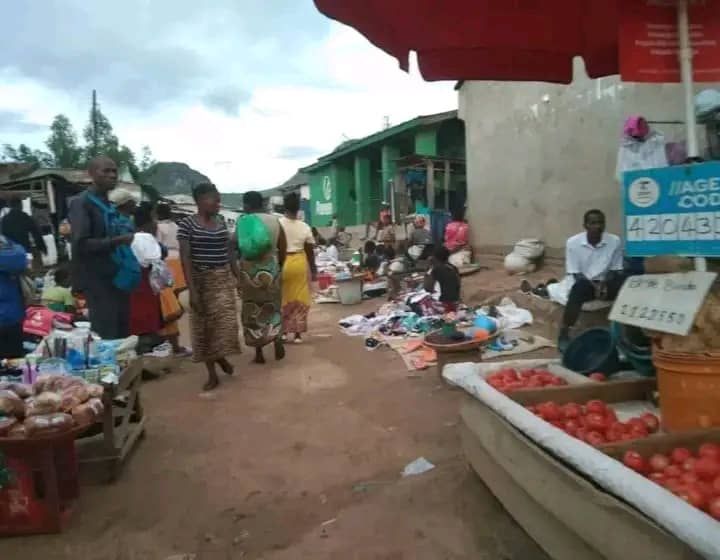
Rice, another alternative staple, is priced at K3,000 per kilogram, making it an expensive option for most families. Beans, a crucial source of protein, are selling at K4,500 per kilogram, while a small heap of bonya (dried fish), a common accompaniment to meals, costs between K700 and K1,400.

Even vegetables, once considered affordable, have become a financial strain. Three bundles of nkhwani (pumpkin leaves), mpiru (mustard greens), or rape are sold for K100, but the bundles are much smaller than they used to be.

Cooking oil prices are particularly concerning, with 2 liters of oil selling for between K13,500 and K14,000. For those who cannot afford this, small quantities are measured and sold in condom packets for K500 each. Sugar prices vary depending on the seller, ranging from K3,000 to K3,500 per kilogram, forcing many families to forgo sweetened tea altogether.

Soap, an everyday necessity, has not been spared from the rising costs. A bar of Azam soap costs K700, while U-Fresh is slightly cheaper at K650. Candles, a necessity in areas with frequent blackouts, cost K400 each, and a box of matches is priced at K150.

Charcoal, the primary source of cooking fuel for many ghetto households, is now selling at K20,000 to K22,000 per bag, with smaller quantities priced at K700. This has forced some families to rely on firewood or cook less frequently.

Fruits, once a cheap and healthy snack, are also becoming unaffordable. Five ripe bananas now cost K500, while a small plate of roasted termites (ngumbi) is sold for K500, with a single termite priced at K10.

Impact on Daily Life:
These rising prices are having a devastating impact on ghetto residents. Families are forced to make tough choices between food, school fees, and medical expenses. The high cost of living has also led to increased borrowing, with many turning to informal lenders who charge exorbitant interest rates.

Community Resilience:
Despite these challenges, ghetto residents continue to find ways to survive. Many rely on communal cooking, where neighbors pool resources to prepare meals together. Others engage in small-scale businesses, such as selling snacks or second-hand clothes, to make ends meet.

The government and other stakeholders must address this crisis urgently. Subsidies on essential goods, support for small-scale farmers, and strict regulation of market prices are necessary to alleviate the burden on low-income families. Without immediate intervention, the rising cost of living will continue to push many more into poverty.

The ghetto, a place of resilience and community spirit, now faces one of its greatest challenges. It is up to all of us—government, private sector, and individuals—to find solutions and ensure that everyone can afford the basic necessities of life.
Countdown to polling day: 234 days remaining

0

By Burnett Munthali

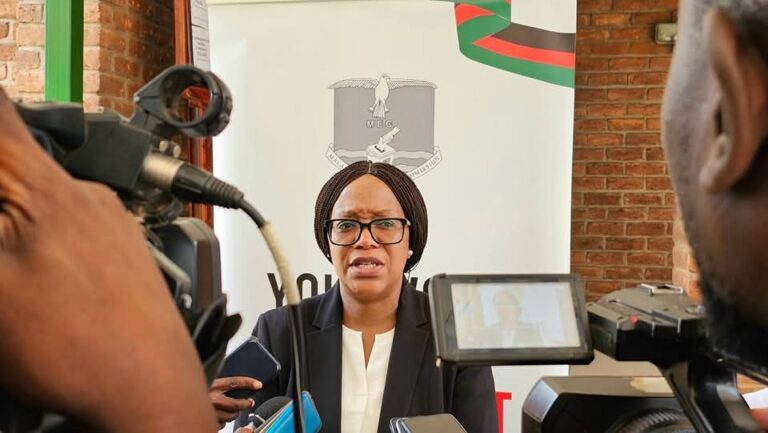
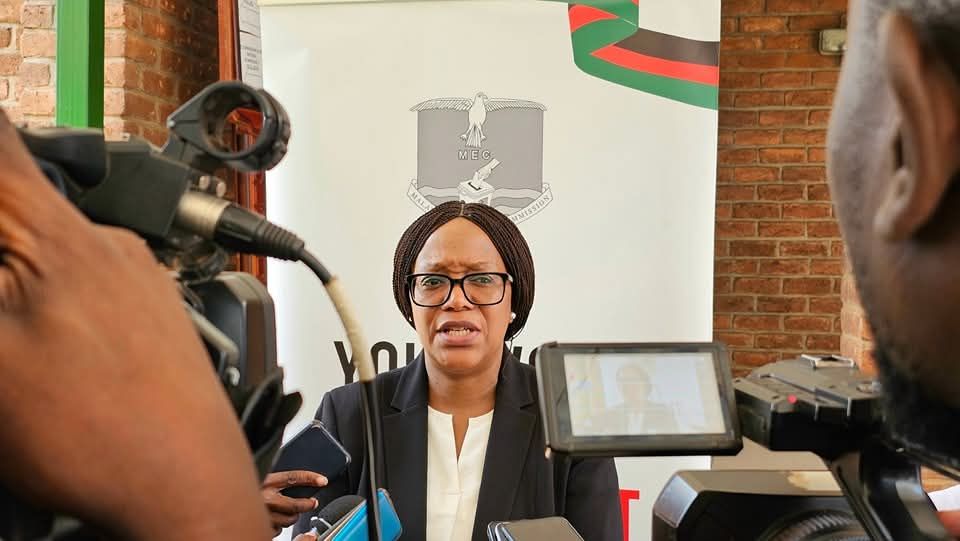
The countdown to Malawi’s polling day is steadily advancing, with just 234 days remaining before citizens head to the ballot to exercise their democratic right. As the clock ticks closer to this decisive moment, it is crucial to reflect on the past electoral trends, the lessons they offer, and the importance of preparation for both voters and stakeholders alike.

Malawi’s electoral history serves as a beacon of both progress and challenges. In the 2019 Tripartite Elections, the country recorded a total of 6,859,570 registered voters. While this was a significant number, it marked a noticeable drop from the 7,470,806 registered voters in the 2014 elections. This decline raises pertinent questions about voter engagement, civic awareness, and the structural factors influencing voter registration and turnout. Understanding these trends is critical as Malawi prepares for yet another milestone election that promises to shape the nation’s trajectory.

Mtalimanja

As we edge closer to polling day, one of the most critical pieces of advice to voters is the need to protect and preserve their voter certificates. This document is not just a piece of paper; it is a key that unlocks the door to your participation in shaping Malawi’s leadership. Without it, you risk being excluded from a process that is both a right and a responsibility. Safeguarding your voter certificate ensures a smooth voting experience and eliminates the last-minute anxieties that often arise from misplaced documents.

The decline in voter registration numbers between 2014 and 2019 also underscores the need for greater civic education and community mobilization. Voter apathy, logistical challenges, and misinformation are among the hurdles that must be addressed to ensure an inclusive and participatory election. This is a call to action for political parties, civil society organizations, and electoral bodies to intensify voter education campaigns, emphasizing the importance of active participation in democratic processes.

With 235 days to go, every Malawian must take a moment to reflect on the power of their vote. This countdown is not merely a numerical milestone; it is a reminder that democracy thrives when citizens are engaged, informed, and proactive. Let us remember that elections are not just about numbers or political parties; they are about shaping policies, governance, and the future of our nation.

So, as the countdown continues, take stock of your readiness. Ensure your voter certificate is safe and accessible. Engage in conversations about the issues that matter to you, and prepare to make your voice heard. Malawi’s democracy depends on the active participation of its citizens, and every vote counts in the journey toward a better future.

Malawi Red Cross Society ICBH Project phases out in Dowa

0

By Vincent Gunde

The Malawi Red Cross Society’s Integrated Community Based Health Project (ICBHP) which was being implemented in the areas of three T/As Chiwere, Nkukula and Msakambewa is phasing out in Dowa district by January end-2025.

The project started in 2022 with an overall goal of improving the health status of communities in the areas of three T/As through access to health and WASH services by 2034 has seen community members improving their health and hygiene behavior by applying good hygiene and nutrition practices.

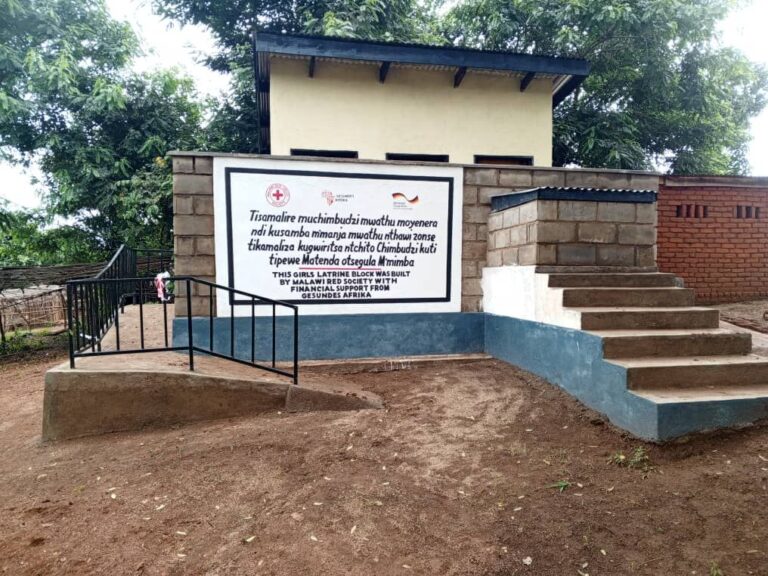
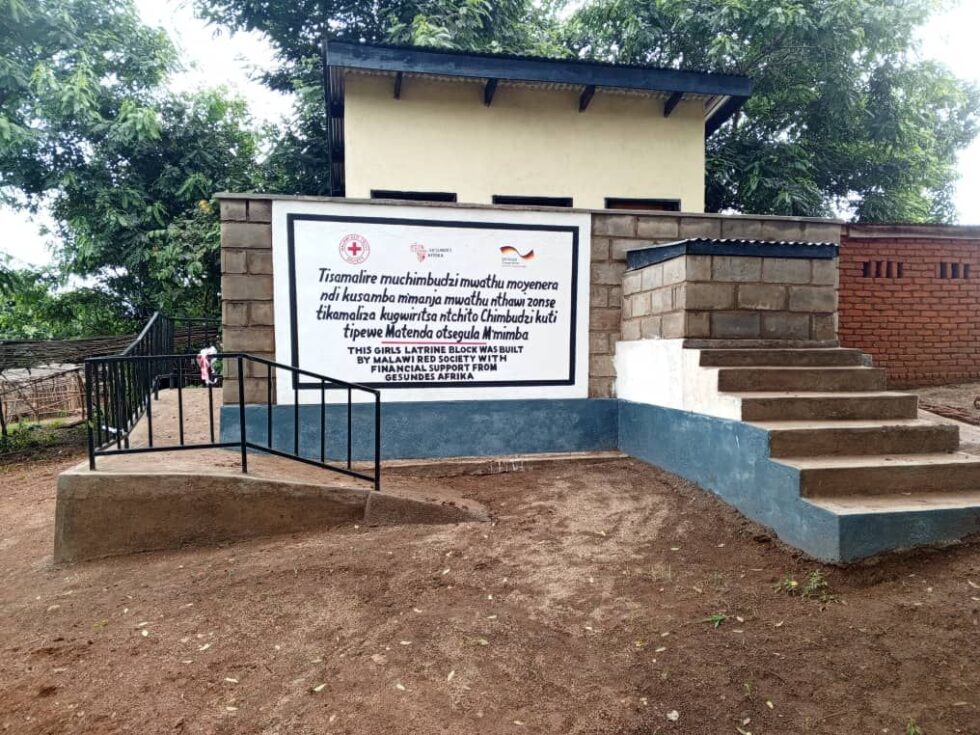
A girls latrine block built by the Malawi Red Cross Society in Dowa


The project targeted 348,941 people which included pregnant women and children Under-Five in the focusing areas of Health and Nutrition, Water, Sanitation and Hygiene and capacity building has conducted training of 150 volunteers in selected key health and WASH topics, among others.

The organization’s District Coordinator for Dowa Maureen Mwakanema, said the project has facilitated community based cooking demonstrations and food displays using locally available foods and refresher trainings of Care Group members and Health Care Workers on management.

Mwakanema said the project has drilled and rehabilitated boreholes including fencing, training of Area Mechanics, Water Point Committees and conducting volunteer households visits for information dissemination to areas such as Kanyumbu, Mazulungwi, Chalunda and Ngubane of the areas of T/AS Chiwere, Nkukula and Msakambewa in the district.

She said so far, the project has registered remarkable achievements such as some communities providing meals to clinic staff, volunteers working with Village Health Committees and Community Health Action Groups, among others.

“Some communities have constructed a clinic shelter and latrines at Mkanthama in the area of Senior Chief Msakambewa, Care Groups conducting cooking demonstrations on their own with Water Point Committees signing agreements with Area Mechanics on major repairs of Boreholes,” said Mwakanema.

However, Mwakanema said the project met some challenges in the course of implementation such as devaluation of the local currency, shortage of drugs at the main Dowa District Hospital, topography of Dowa affected borehole drillings and prolonged rains affected latrines constructions.

Mwakanema said the project has learnt that coordination is key to community engagement and ownership of the project, and project sustainability.

In her remarks, Dowa District Council’s Water Development Officer Fanny Muula, said the council is appreciating the impact done by the project to the communities of the district expressing commitment to continue working with the Malawi Red Cross Society (MRCS) for the good of the people of Dowa.

MRA Apprehends Suspected Cannabis Smugglers in Mchinji

0

By Burnett Munthali

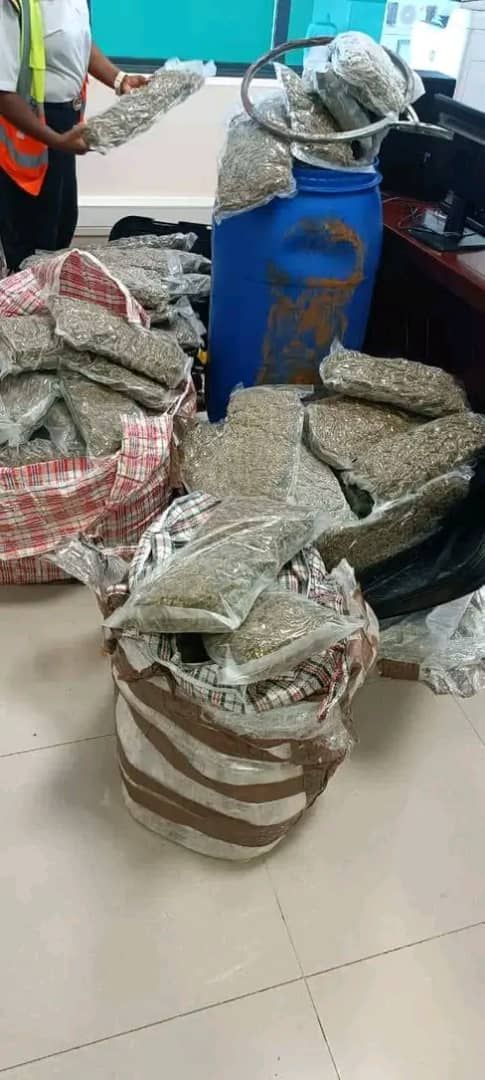
The Malawi Revenue Authority (MRA) has intercepted and detained several Malawian nationals at the Mchinji border on suspicion of attempting to smuggle cannabis out of the country. This development highlights the agency’s ongoing efforts to curb illegal trade and ensure compliance with Malawi’s tax and trade laws.

Confirming the incident, police spokesperson Limbani Mpinganjira stated that the individuals were apprehended as part of a routine inspection at the border. While details remain scarce, Mpinganjira assured the public that further information regarding the arrests and the quantity of cannabis involved would be disclosed soon.


The Mchinji border, which connects Malawi to neighboring Zambia, is a critical transit point for goods and travelers. However, its strategic location has also made it a hotspot for smuggling activities. Over the years, individuals and syndicates have exploited lapses in border security to transport contraband, including cannabis, across the border.

Cannabis smuggling poses significant challenges to Malawi’s economy and law enforcement agencies. Apart from being illegal, such activities deny the country much-needed revenue that could be generated through regulated trade and taxation. To address this, MRA has intensified its surveillance and enforcement measures, employing modern technologies and training its staff to detect and prevent such illegal activities. The collaboration between MRA and law enforcement agencies has also played a crucial role in disrupting smuggling networks and ensuring accountability.

While cannabis remains a controlled substance in Malawi, the country has recently explored legalizing and regulating its cultivation for medicinal and industrial purposes. However, unregulated trade undermines these efforts and poses risks to both national security and public health.

This latest incident raises important questions about the effectiveness of border security measures and the need for more robust mechanisms to prevent smuggling. As investigations continue, the public awaits a comprehensive report from both the MRA and the police. Their findings will shed light on the scale of the operation and potentially lead to broader strategies for addressing smuggling and other illegal cross-border activities.

The arrests also serve as a reminder of the need for Malawians to abide by the law and support efforts aimed at safeguarding the country’s economic interests. By tackling smuggling and other forms of illegal trade, Malawi can strengthen its economy and create a safer environment for its citizens.

A Health Crisis Looms: How US Withdrawal from WHO Puts Malawi at Risk

By Twink Jones Gadama


The potential withdrawal of the United States from the World Health Organization (WHO) raises significant concerns for global health, particularly for countries like Malawi, which rely heavily on international support and collaboration to bolster their healthcare systems. Malawi, a nation grappling with numerous health challenges, including high rates of HIV/AIDS, tuberculosis, and maternal and child mortality, stands at a precarious juncture. The implications of the USA’s withdrawal from the WHO could reverberate through Malawi’s healthcare system, exacerbating existing vulnerabilities and hindering progress toward achieving universal health coverage.

To understand the potential consequences of such a withdrawal, it is essential to recognize the role that the WHO plays in global health governance. The organization provides critical support to countries in various forms, including technical assistance, funding, and the establishment of health standards. For Malawi, the WHO has been instrumental in coordinating responses to health crises, facilitating vaccination campaigns, and providing guidance on disease prevention and control. The loss of American support for the WHO could undermine these efforts, leaving Malawi to navigate its health challenges with diminished resources and expertise.

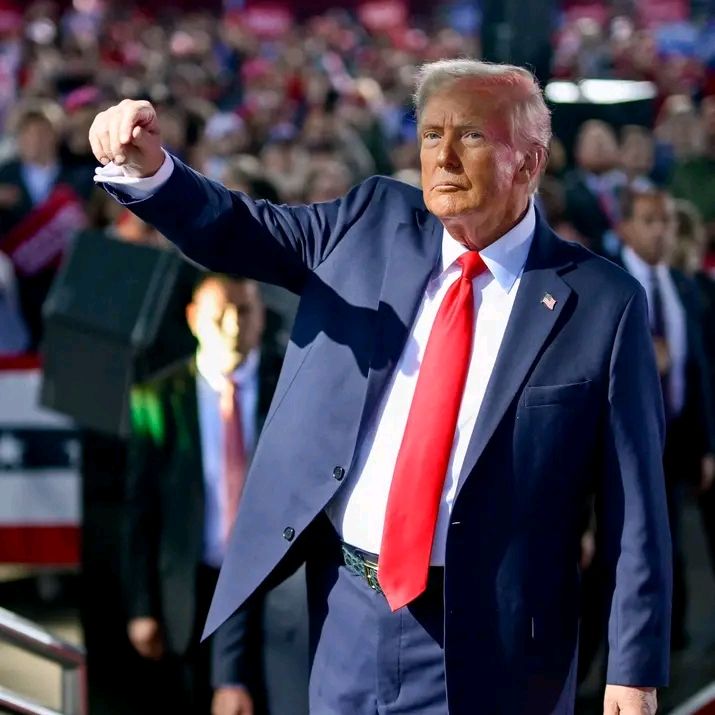
Trump


Malawi’s healthcare system is already under strain, characterized by a shortage of healthcare professionals, inadequate infrastructure, and limited access to essential medicines. The country has made strides in improving health outcomes over the past two decades, but these gains are fragile and heavily dependent on external funding and support. The USA has historically been one of the largest contributors to the WHO, and its withdrawal could lead to a significant reduction in the organization’s budget. This, in turn, would likely result in cuts to programs that directly benefit Malawi, such as those aimed at combating infectious diseases and improving maternal and child health.

One of the most pressing health issues in Malawi is the high prevalence of HIV/AIDS. The country has one of the highest rates of HIV infection in the world, with approximately 9% of the adult population living with the virus. The WHO has played a crucial role in supporting Malawi’s efforts to provide antiretroviral therapy (ART) to those in need, as well as in implementing prevention strategies. If the USA withdraws from the WHO, the funding and resources that support these initiatives could dwindle, jeopardizing the progress made in reducing HIV transmission and improving the quality of life for those living with the virus.

Moreover, Malawi faces significant challenges in addressing tuberculosis (TB), which remains a leading cause of morbidity and mortality. The WHO has been pivotal in providing technical assistance and resources for TB control programs in Malawi. A reduction in WHO funding and support could hinder the country’s ability to implement effective TB prevention and treatment strategies, potentially leading to an increase in TB cases and further straining an already overburdened healthcare system.

Maternal and child health is another critical area where Malawi has made progress, yet significant challenges remain. The country has one of the highest maternal mortality rates in the world, with approximately 439 deaths per 100,000 live births. The WHO has been instrumental in supporting initiatives aimed at improving maternal healthcare, including antenatal care, skilled birth attendance, and postnatal care. The potential withdrawal of the USA from the WHO could disrupt these programs, making it more difficult for Malawi to achieve its goals of reducing maternal and child mortality.

In addition to the direct impact on health programs, the USA’s withdrawal from the WHO could also have broader implications for global health governance. The WHO serves as a platform for international collaboration and coordination in addressing health challenges that transcend national borders. The COVID-19 pandemic has underscored the importance of global solidarity in responding to health crises. If the USA withdraws from the WHO, it could set a precedent for other countries to follow suit, leading to a fragmentation of global health efforts. For Malawi, this could mean a loss of access to vital information, research, and best practices that are essential for addressing its health challenges.

Furthermore, the potential withdrawal could weaken the WHO’s ability to respond to emerging health threats, such as pandemics and antibiotic resistance. Malawi, like many low-income countries, is particularly vulnerable to the impacts of such threats due to its limited healthcare infrastructure and resources. A weakened WHO would struggle to provide the necessary support and guidance to countries like Malawi, leaving them ill-equipped to handle future health crises.

The implications of the USA’s withdrawal from the WHO extend beyond immediate health concerns; they also touch on issues of equity and justice in global health. Malawi, as a low-income country, is already at a disadvantage in terms of access to healthcare resources and services. The potential loss of support from the WHO could exacerbate existing inequalities, making it even more challenging for Malawi to achieve its health goals. The global health landscape is interconnected, and the health of one nation can significantly impact the health of others. A withdrawal by the USA could undermine the collective efforts needed to address health disparities and promote health equity on a global scale.

In conclusion, the potential withdrawal of the USA from the World Health Organization poses a significant threat to Malawi’s healthcare system and its ability to address pressing health challenges. The WHO has been a vital partner in supporting Malawi’s health initiatives, and a reduction in funding and resources could jeopardize the progress made in combating diseases such as HIV/AIDS, tuberculosis, and maternal and child mortality. Moreover, the broader implications for global health governance and equity cannot be overlooked. As the world grapples with complex health challenges, it is imperative that countries work together to strengthen global health systems rather than retreating into isolationism. For Malawi, the stakes are high, and the potential consequences of the USA’s withdrawal from the WHO could reverberate for years to come, hindering the country’s efforts to achieve better health outcomes for its population. The international community must recognize the interconnectedness of health and work collaboratively to ensure that vulnerable nations like Malawi are not left behind in the pursuit of global health security.