Tuesday, December 16, 2025
No menu items!
spot_img
Home Blog Page 76

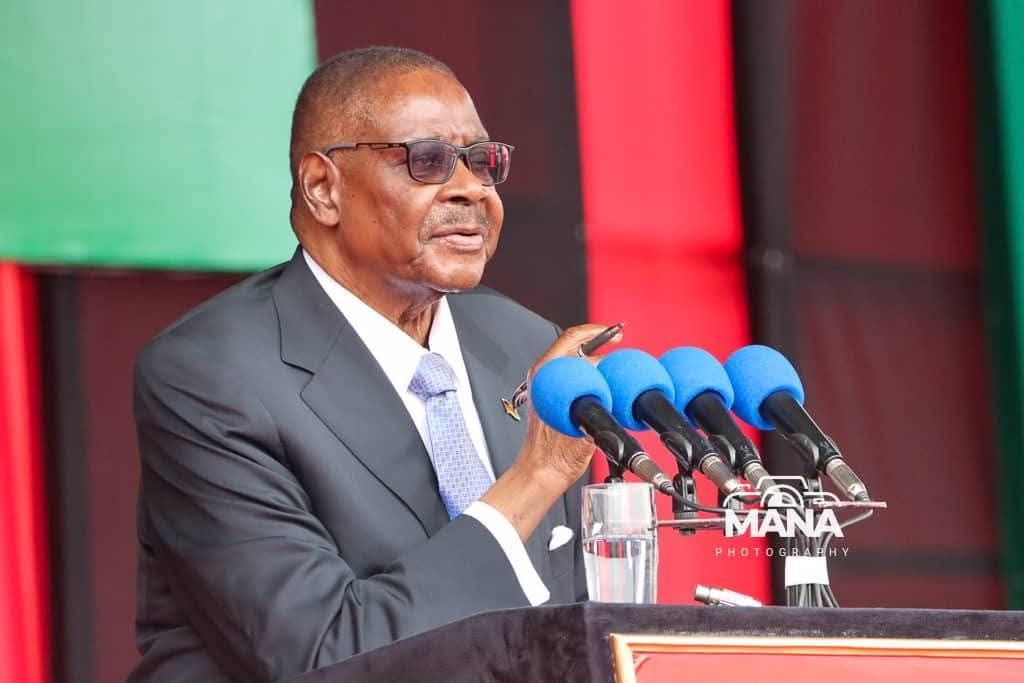
Peter Mutharika: The new President and the task of building a capable Cabinet

By Burnett Munthali

Assessing a new cabinet is both an art and a science that demands careful observation from political, administrative, and social perspectives.

Every appointment made by President Peter Mutharika carries significance for the future of governance, national unity, and policy implementation.

A comprehensive analysis of his new team must therefore focus on competence, representation, integrity, and public expectation.

The first step in assessing any cabinet is analyzing individual competence.

Each minister’s experience, professional background, and education must be examined to determine whether they are adequately prepared to manage their portfolios effectively.


A review of their past track record — including achievements or failures in public office or private leadership — helps predict their future performance.

Skill sets such as administrative efficiency, problem-solving, and communication are essential indicators of a minister’s ability to deliver on government priorities.

The second critical element involves assessing representation and balance within the cabinet.

A government that reflects Malawi’s regional, ethnic, and gender diversity stands a better chance of promoting inclusion and national unity.

It is equally important that women occupy meaningful positions, ensuring that gender balance is not symbolic but functional.

Political balance also plays a major role in fostering cohesion, especially when a president must manage competing interests within alliances or factions.

Examining policy alignment is another vital component of cabinet assessment.

Ministers must be aligned with the president’s vision and the administration’s development agenda.

A shared ideology and consistent policy direction help ensure that government decisions remain coordinated and effective.

Those appointed should also demonstrate a readiness to implement reform rather than cling to outdated approaches that hinder progress.

Integrity and credibility remain the moral foundation of any administration.

A credible cabinet must be free from corruption allegations, ethical controversies, or conflicts of interest that could erode public trust.

Ministers who command respect from citizens, civil society, and the international community lend legitimacy and strength to the president’s leadership.

Team dynamics are equally significant in determining the cabinet’s success.

Cohesion among ministers promotes collaboration, while discord can weaken policy delivery and public confidence.

Leadership style also matters; ministers must be approachable, decisive, and cooperative with bureaucrats and other stakeholders.

In times of crisis, their ability to remain calm, strategic, and responsive will define the administration’s resilience.

Public expectations of Mutharika’s government are high.

Malawians are demanding tangible results, economic stability, job creation, and improved service delivery.

Citizens want leaders who can communicate effectively, explain policy decisions, and take responsibility for outcomes.

A cabinet that listens to public concerns and adjusts policies accordingly will strengthen democratic governance and accountability.

The first few months of the new administration will be crucial for assessing early performance indicators.

Policy announcements, budget priorities, and institutional reforms will reveal the government’s true intentions and capabilities.

Equally, how ministers handle public resources and interact with parliament, the private sector, and international partners will indicate their level of professionalism.

A comparative analysis between early expectations and actual performance after the first three to six months will help separate political promises from practical achievement.

This process of evaluation will distinguish between hype and genuine capacity to lead.

As Peter Mutharika settles into his role as president, his cabinet’s success will depend on its ability to balance competence, unity, and accountability.

Ultimately, Malawians will judge his leadership not by the promises made but by the results delivered in the months and years to come.

BAGMA urges Mutharika to revive agriculture for Malawi 2063

0

By Chisomo Phiri

A youth-led farmers’ organization,Business Agriculture Malawi (BAGMA), has called on president Arthur Peter Mutharika and the Democratic Progressive Party (DPP)-led government to continue and strengthen agricultural programs started by previous administrations while introducing new strategies to achieve the Malawi 2063 Vision’s goal of agricultural productivity and commercialization.

In an interview with 247 Malawi News,the organization’s Director Blessings Malefula argued that no country has ever achieved meaningful development without a strong agricultural foundation, stressing that agriculture is the ‘seed’ of every thriving economy.

He cited global examples such as the United States, the United Kingdom, and China, where agriculture played a central role in industrial growth and urbanization.

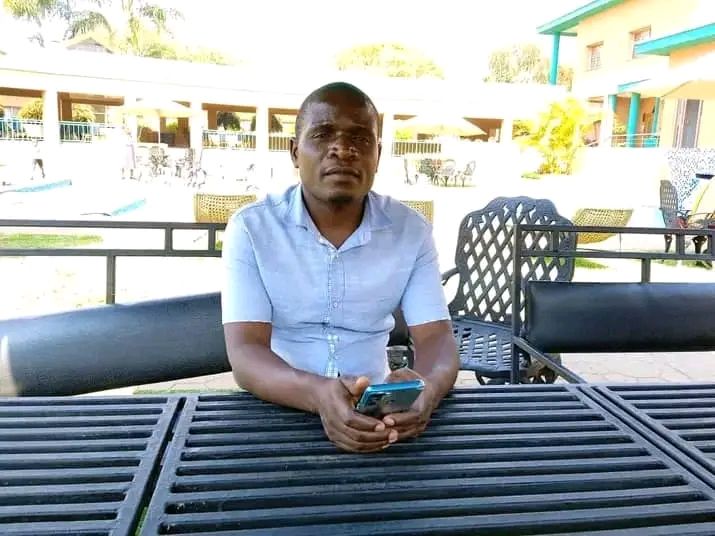
Blessings Malefula


Malefula added that the Malawi 2063 Vision rightly identifies agricultural productivity and commercialization as key to achieving industrialization and urbanization, warning that neglecting the sector would hinder progress in all other areas of the economy.

“History has shown that Malawi’s economy thrives when the agriculture sector is strong,” he said, pointing to the Kamuzu Banda and Bingu wa Mutharika eras as examples of growth driven by agriculture.

He said however, despite its potential, Malawi continues to struggle with food insecurity and poor performance in agriculture.

Malefula blamed misplaced priorities and overreliance on the Affordable Inputs Programme (AIP), which he said has overshadowed broader agricultural development efforts.

He also bemoaned the decline in extension services, limited mechanization, lack of value addition industries, and increasing loss of arable land to foreign investors, which has left many Malawians landless.

Malefula therefore appealed to President Mutharika’s administration to adopt and sustain all progressive agricultural initiatives, regardless of who started them, and to introduce new measures that can unlock Malawi’s agricultural potential.

He urged government to revive agricultural research institutions such as Chitedze, Bvumbwe, Makoka, and Kasinthula, and to adequately support the Agricultural Research and Extension Trust (ARET).

Malefula also called for the revitalization of Agricultural Development Divisions (ADDs), District Agricultural Offices (DADOs), and Extension Planning Areas (EPAs) to ensure research and extension services reach farmers effectively.

He further demanded tighter regulation of uncertified seeds, fertilizers, and other products on the market.

Malefula expressed support for the continuation of the AIP for underprivileged farmers but suggests reducing its scope to free up resources for other agricultural programs.

He  advocated for the expansion of megafarms across the country and the transformation of the Megafarms Support Unit into a standalone institution with branches in all ADDs.

Malefula also recommended merging the Greenbelt Authority with the Megafarms Unit for efficiency, decentralizing financing programs like MAIIC and AGCOM, and strengthening the National Economic Empowerment Fund (NEEF) to provide more agricultural loans.

He also emphasized the need for a robust transport network, including roads, railways, and water transport, to connect districts and facilitate the movement of farm produce.

He urged the government to continue investing in irrigation dams and solar-powered schemes, speed up the Shire Valley Transformation Project, and introduce agriculture and agribusiness courses in community and technical colleges.

Malefula also called for the revival of ADMARC, decentralization of the Malawi Investment and Trade Centre (MITC), fair farm gate pricing, and stronger market oversight by the Malawi Bureau of Standards (MBS).

He further encouraged the government to promote agro-processing and industrialization by creating incentives that enable farmers to engage in value addition, thereby creating jobs, generating foreign exchange, and supporting urban development.

He said they also want the cost of fertilizers, seeds, and farm equipment reduced to make mechanization and irrigation more affordable for small and medium-scale farmers.

While acknowledging the importance of foreign direct investment, Malefula insisted that indigenous Malawians must remain at the forefront of the agriculture sector.

He called for strict regulations on foreign ownership of farmland and urged that foreign investors operate through partnerships with Malawians to protect national interests.

Malefula reaffirmed the BAGMA’s commitment to working with the government and other stakeholders to realize the Malawi 2063 Vision through a strong and inclusive agricultural sector.

Established in 2018, BAGMA is made up of young farmers and agricultural activists working across Malawi in production and advocacy.

The organization promotes sustainable agriculture, irrigation, mechanization, technology use, and environmental conservation, with the goal of turning Malawi’s agriculture sector into a driver of wealth creation, job opportunities, and food and nutrition security.

Enoch Chihana and the Future of Malawi’s Executive: Balancing power, policy, and public confidence

By Burnett Munthali

The appointment of Enoch Chihana as Malawi’s second Vice President represents a calculated effort to balance regional politics with national governance.

Chihana’s new role signals the administration’s commitment to inclusivity while navigating the delicate dynamics of party alliances and regional representation.

As a northern political figure, he brings historical significance to the office, highlighting the government’s recognition of long-standing regional imbalances.

Enock Chihana


Yet, political symbolism alone cannot satisfy the expectations of a citizenry increasingly demanding results-oriented governance.

Chihana is now positioned at the heart of a complex executive, tasked with bridging regional interests and driving tangible policy outcomes.

His success will depend on his ability to manage administrative responsibilities while maintaining political cohesion across diverse factions within the cabinet.

Experience in party politics provides a foundation, but the national stage demands strategic leadership, financial acumen, and policy execution skills.

Public scrutiny will be intense, as citizens evaluate the new administration based on service delivery, economic stability, and infrastructure development.

Integrity and transparency are central to earning public trust, particularly in a political environment often marred by allegations of corruption and mismanagement.

Chihana’s appointment also comes at a time when the government faces urgent economic challenges, including inflation, public debt management, and social service deficits.

Early performance indicators, such as the implementation of reforms, management of public resources, and collaboration with parliament and civil society, will be critical in shaping public perception.

The first six months will likely define the administration’s credibility and set expectations for longer-term governance.

Chihana’s ability to navigate these challenges could redefine the office of the second Vice President, moving it from symbolic representation to a platform for measurable impact.

Conversely, failure to deliver could reinforce public skepticism about appointments driven primarily by political calculation rather than capability.

Strategic alignment with the president’s policy agenda will be essential, ensuring that cabinet decisions reflect coherent national priorities rather than isolated political interests.

The balance of power within the executive will test Chihana’s leadership, requiring both diplomacy and decisiveness to prevent factional disputes from undermining governance.

Ultimately, the public will judge this administration on outcomes—improvements in economic performance, service delivery, and government accountability—rather than rhetoric alone.

Enoch Chihana’s tenure as second Vice President represents both an opportunity and a test: to demonstrate that political appointments can serve as instruments of inclusive governance and effective policy execution.

Success could provide a new model of leadership that integrates regional representation with national responsibility, while failure risks eroding confidence in the executive branch.

The nation now watches closely as the second Vice President steps into a role that is both politically symbolic and operationally critical, with the potential to shape Malawi’s governance landscape for years to come.

From K1,000,000 to K25,000: DJ Megi surprises fans with drastic price cut


By Rahim Abdul

In a surprising twist that has sent shockwaves across Malawi’s entertainment scene, popular DJ and producer DJ Megi has slashed his studio session fee from K1,000,000 to just K25,000 for the month of October.

The Lilongwe-based entertainer, who recently relocated to the capital city, says the move is part of his strategy to introduce his self to new clients in the area and make his brand more accessible to up-and-coming artists.

“I’ve just moved to Lilongwe and I want to give people a chance to work with me and experience my sound,” Megi said.


“This promotion is only for October, just to let people know that I’m now in town and open for collaborations,”he added.

DJ Megi, known for his sharp mixing skills and high-energy sets, has built a strong reputation over the years in Blantyre, where his sessions were priced as high as K1 million per hour due to high demand and limited availability.

Now operating from Elazi Studio in Lilongwe, Megi says he wants to blend with the city’s creative community and help upcoming artists bring their projects to life without breaking the bank.

“Many young artists have talent but struggle with studio costs.This is my way of giving back and helping them record professionally at an affordable rate,”he explained.

According to his announcement, the K25,000 per hour offer includes full studio time and mixing assistance. Artists can also bring their own producers if they prefer.

The news has gone viral on social media with many fans applauding her generosity, while others expressed disbelief, saying the massive price drop was “too good to be true.”

Some critics, however, have questioned whether the discount might affect his brand value, arguing that drastic price cuts could make her appear “desperate for clients.” But Megi brushed off such comments, saying growth sometimes requires strategic changes.

“People can say what they want but I believe in evolution.It’s not about the money right now it’s about connection, creativity and community,”he added.

As October unfolds, all eyes are on DJ Megi to see how this promotional move shapes his career in the capital. One thing is clear: his decision has sparked conversations across Malawi’s music industry proving that sometimes, even the biggest names can make bold moves for the love of the art.

Small Wife breaks silence sfter leaked nude


By Rahim Abdul

Malawian social media influencer and model, popularly known as Small Wife, has finally spoken out following the circulation of her nude picture that went viral over the weekend on social media.

In an emotional message shared on her social media pages, the model who has recently been making waves in the local entertainment industry and was recently nominated for Model of the Year at the UMP Fashion Awards admitted that the incident deeply hurt and embarrassed her but vowed not to let it define who she is.

“Hey guys… I just want to take a moment to speak from my heart. I know some of you have seen or heard about the mistake I made the nude that went out. I won’t stand here and pretend like it didn’t hurt me or embarrass me because it really did,” she wrote.

Small Wife


Small Wife went on to apologise to her fans and followers, acknowledging the disappointment her supporters may have felt after the leak.

“I’m deeply sorry to everyone who supports me and believes in me. I disappointed some of you and for that, I’m truly sorry. I’m not perfect… I’m human and sometimes humans make choices they wish they could undo,” she continued.

However, despite the humiliation and public scrutiny that followed, the model expressed determination to rise stronger, saying that the experience had taught her valuable lessons about resilience and self-worth.

“No matter what happens, I still have the power to rise again. I refuse to let one moment define who I am. I’m still the same person with dreams, goals and a heart full of love and strength,” she said.

Her heartfelt post has since drawn mixed reactions online with some fans offering messages of comfort and encouragement, while others criticized her for what they described as “carelessness” in the digital age.

Nonetheless, Small Wife maintained a message of forgiveness and positivity, extending love even to those who turned away from her after the controversy.

“To everyone who still stands with me, thank you for not judging me. To those who walked away, I understand and I still send you love,” she wrote.

She concluded her statement by affirming that the ordeal would not end her career or spirit but rather mark the beginning of a stronger version of herself.

“This is not the end of me. It’s just the beginning of a stronger, wiser, and more confident version of myself. Because I believe mistakes don’t break us… they teach us.”

Small Wife’s openness has sparked wider discussions about online privacy, cyberbullying and the pressure faced by young public figures in Malawi’s entertainment scene. Many commentators have urged fans to show compassion and understanding rather than judgment.

As the storm around the incident begins to settle, one thing remains clear Small Wife is determined to rebuild her image and continue pursuing her modeling and social media career with renewed strength and purpose.